Maine’s Food Producers Bring Lobster, Oysters and Wild Blueberries to Bon Appétit Live
Maine’s food story stretches well beyond lobster. At Bon Appétit Live 2026, a cooking class and a wild blueberry dessert demonstration put the people behind the state’s seafood and agriculture in focus, showing how local producers connect food, place and stewardship.
From whole lobster to freshly shucked oysters
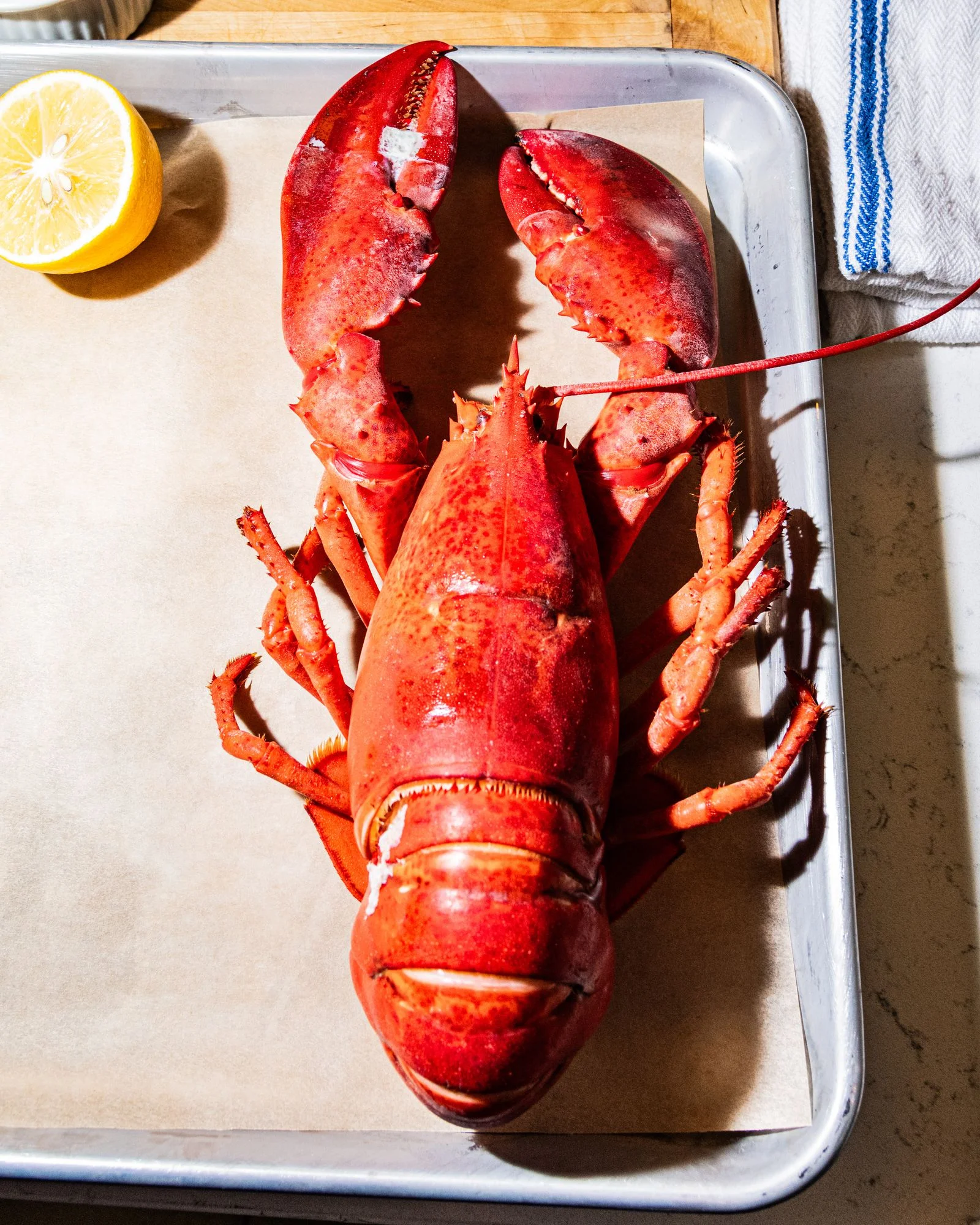
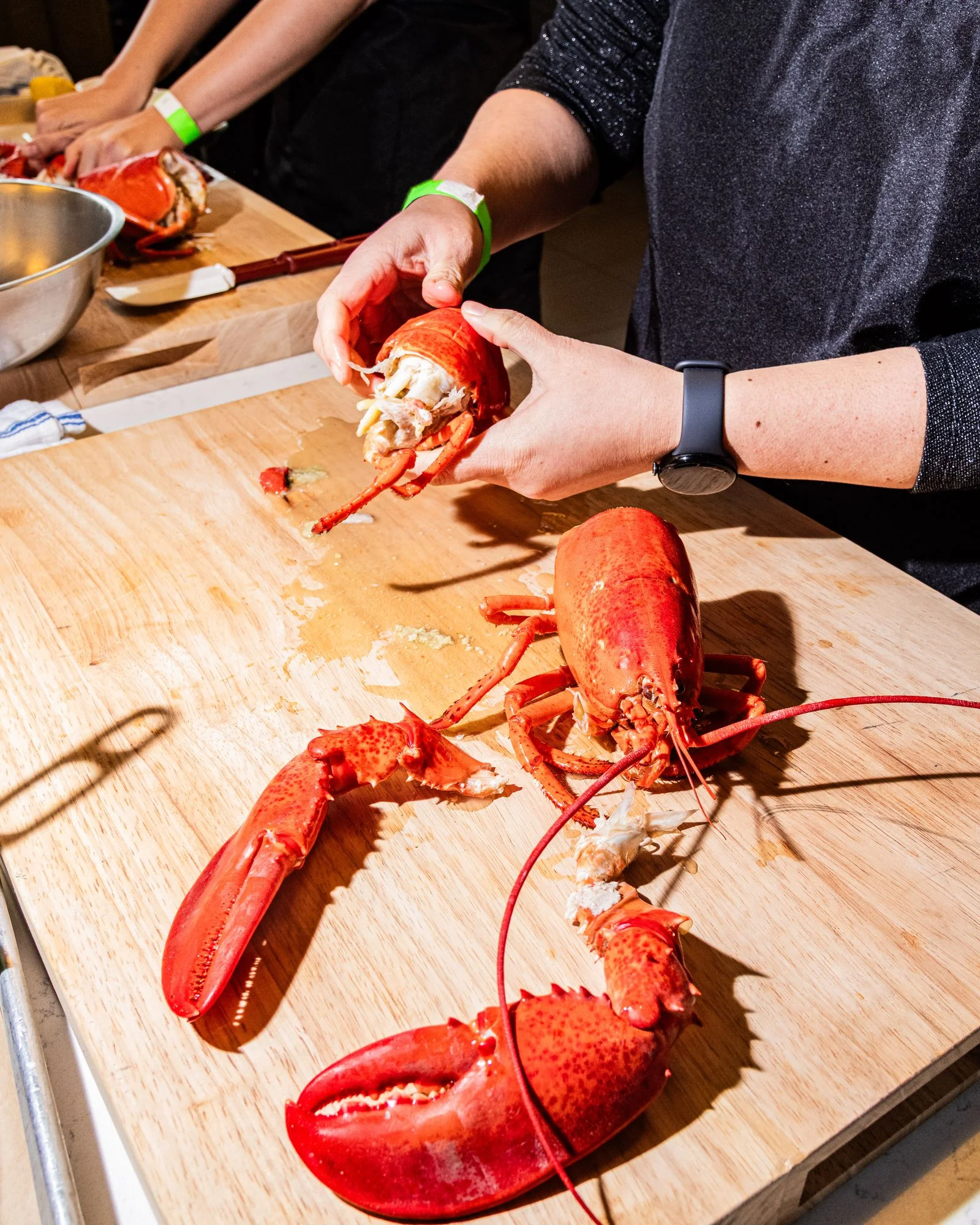
In “Lobster 101,” Bon Appétit audience strategy manager Carly Westerfield and Krista Tripp, founder of Aphrodite Oysters in South Thomaston, Maine, guided attendees through breaking down a steamed, two-pound Maine lobster. The group turned the meat into a creamy lobster dip, then sampled it with Ritz crackers before trying Tripp’s oysters.
Tripp’s oysters grow in the cold tidal waters of the Lower Weskeag River and take three years to mature. Their fluted shells hold briny, mineral notes balanced by a mild sweetness. Tripp began cultivating oysters after years harvesting lobster, first as a way to diversify her business; oyster farming has since become her full-time focus.
She also described the environmental role of the farmed shellfish. Oysters filter up to 50 gallons of water daily, taking in nitrogen and sequestering some in their growing shells. Tripp said water test results at her farm have improved, and told attendees, “Eating an oyster is contributing to the environment.”
Several guests tried shucking oysters for the first time. Tripp showed them how to protect the hand holding the shell with a towel and work a knife carefully into the hinge. The lesson ended with a taste of oysters from Penobscot Bay.
Wild blueberries, from glacial soil to shortcake
In the Demo Kitchen, Bon Appétit senior Test Kitchen editor Jesse Szewczyk made cornmeal shortcakes with blueberry compote using wild Maine blueberries from Brodis Blueberries, a multigenerational farm in Hope, Maine. Ron Howard, who runs the farm with his family, joined the demonstration and said Maine produces 99% of the wild blueberries grown and harvested in the United States.
The crop’s roots run deep: wild blueberries have grown in the region since the end of the Ice Age, spreading across land exposed as glaciers retreated. The plants thrive with the help of ericoid mycorrhizal fungi. Indigenous communities valued wild blueberries as food for their nutritional benefits long before “superfood” became a familiar label.
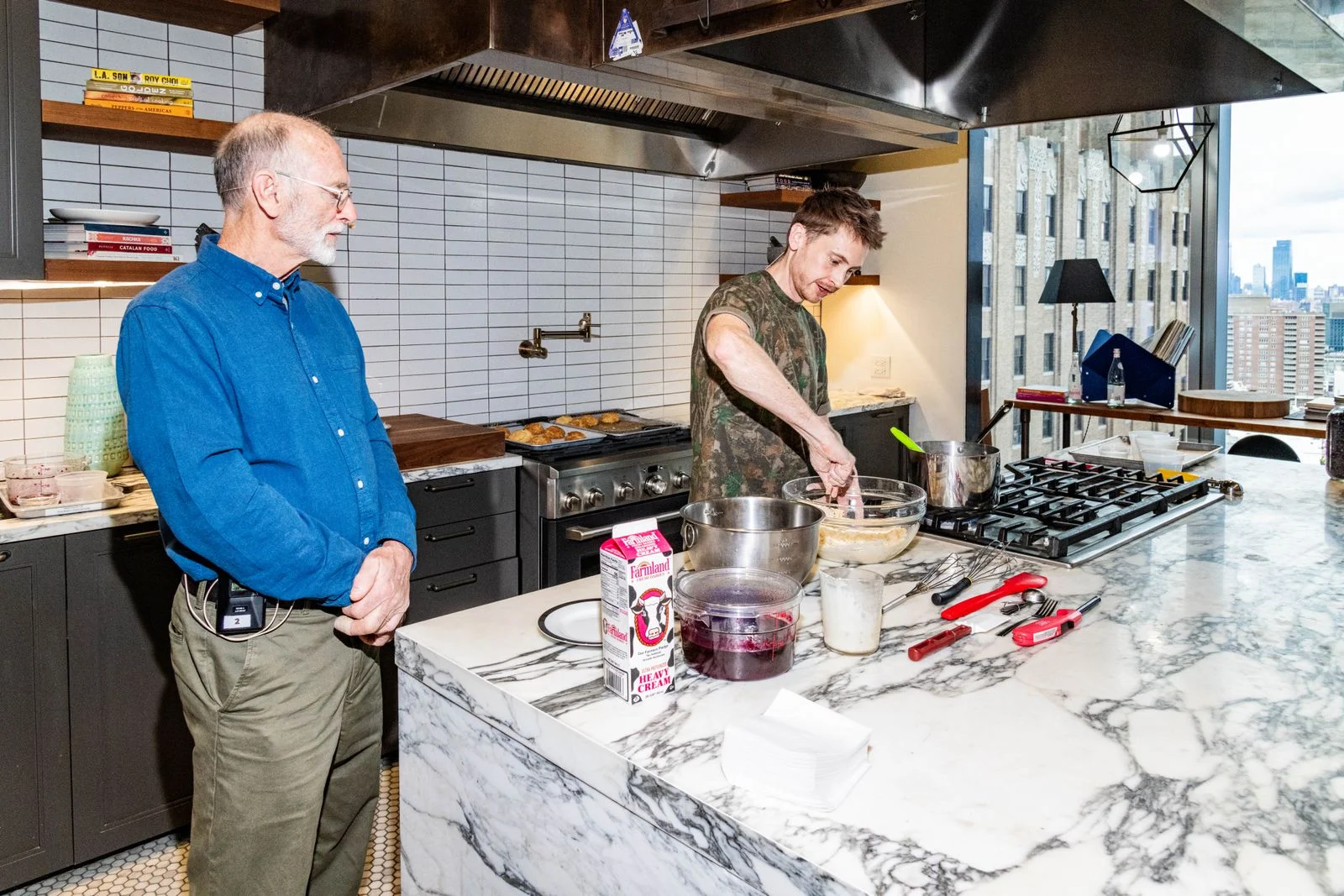
Howard outlined the pressures facing Maine growers, including tariffs and currency exchange swings, particularly the effects of a stronger Canadian dollar. Brodis has responded by investing in more efficient harvesting equipment that supports larger production and retail sales. The family also developed a shelf-stable freeze-dried blueberry product with no added ingredients, making it easier to ship beyond the local market.
Other efforts extend the farm’s reach: Howard and his son launched a distillery producing blueberry eau de vie and vodka, and the family now hosts Wild Blueberry Weekend to welcome visitors and explain the crop and its cultivation.
A food culture built around local ties
Carolann Ouellette, director of the Maine Office of Tourism, said the best way to experience the state’s food is to meet the growers and producers behind it. She moved from New Jersey to Maine more than 40 years ago, drawn in part by childhood memories of arriving to the smell of pie or spruce. She described Maine as a place of “hardworking, welcoming communities that depend on one another.”
Visit Maine has put greater emphasis on the state’s culinary identity in recent years. Ouellette said “sea to table with local ingredients” was part of Maine’s food culture before the phrase became popular. The organization’s Bountiful Plate video series features producers and ingredients ranging from apples, potatoes, kelp and seaweed to grains.
For Ouellette, that food culture depends on close relationships across the hospitality industry. Tripp’s practice of personally delivering oysters to local restaurants is one example of how producers and chefs work within the same community. Her larger point is that Maine’s appeal comes from the connection between its food, its people and care for the natural systems that sustain both. “You can’t get much fresher than food in Maine,” she said.