Tucson's Ursa Builds Its Tasting Menus Around the Desert Pantry
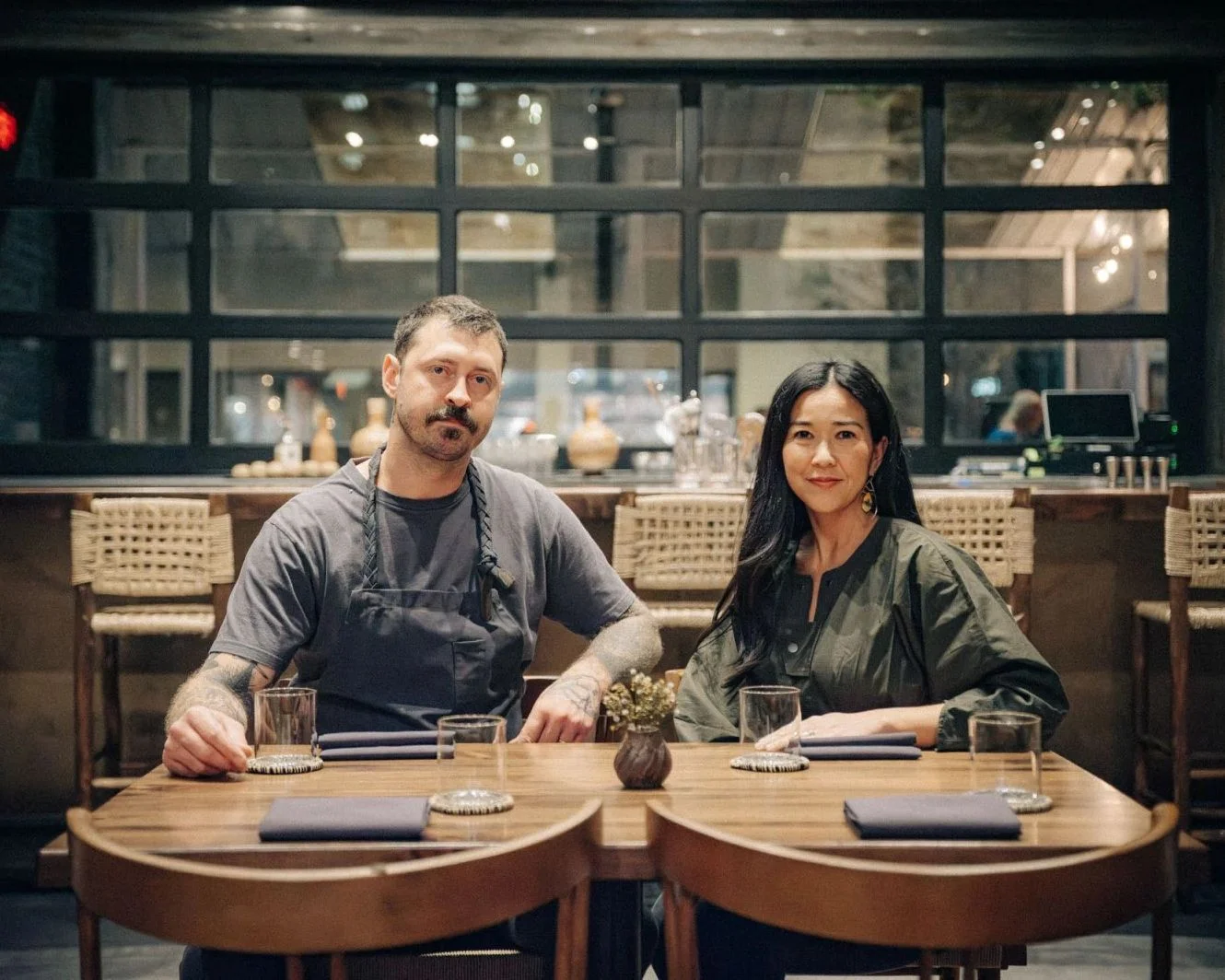
Most people walking through Tucson Mountain Park would see a thicket of thorns. Aaron Lopez and June Chee see groceries. The married co-owners of Ursa treat the Arizona desert as a working pantry, and their restaurant is one of the more serious tests of how far that idea can go.
Reading the desert as a pantry
Brittlebush, the gray, tangled shrub that Tucsonans pass almost daily, can be pressure-cooked, caramelized until nearly black, and baked into a cake. Dried salt bush, with its dusty sage color, develops an intensely savory, almost aquatic salinity that tastes closer to seaweed than to anything grown in a garden. Palo verde buds, which look like something from a children's book, turn briny like olives after a soak in lye.
Then there are the cacti. Lopez won't stop talking about them, and the restaurant's kitchen reflects it. Ursa sources from local grower Toadlet Farm and harvests more himself through the year. Young and mature paddles, fruit and seeds, buds and flowers all get used. Depending on the part, the kitchen grills, poaches, cold-smokes, juices, or dehydrates them, or nixtamalizes them. Some end up as jam, wine, or vinegar.
The region has hundreds of edible plants, and Ursa's tasting menus are an attempt to show how many of them deserve a plate. The Harvest menu runs 10 courses.
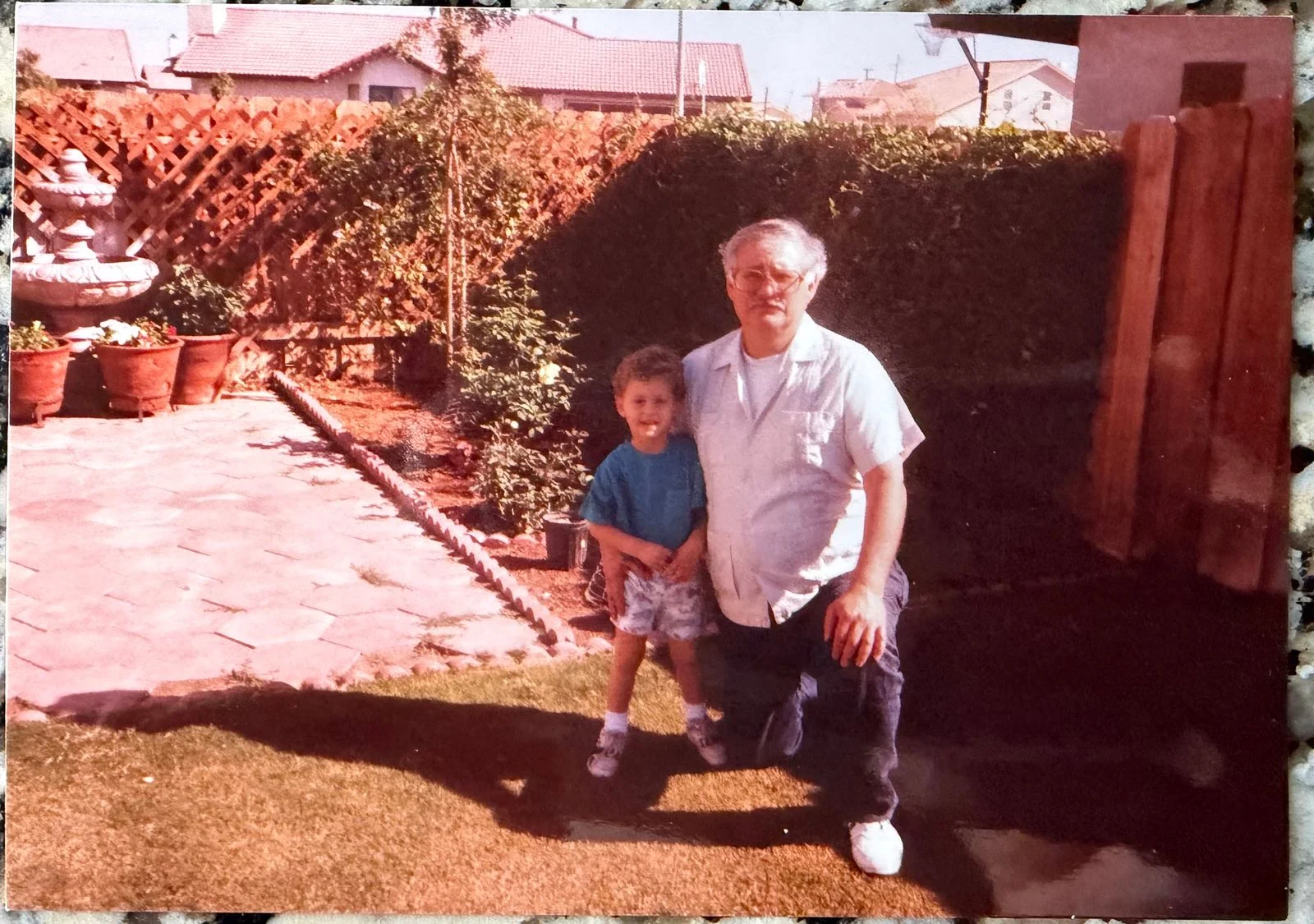
"We treat Ursa as an art showroom, demonstrating to people what these plants can do, what sustainable means, and what was here before it got easy," says Lopez. Part of the motivation came from his grandfather, Hector Lopez, a Sonoran who died in the spring. "He was the first person I ever heard say they're proud to be from the desert," the chef said.
From pop-up to a brick building downtown
Ursa started as a pop-up in El Centro, California, in 2023. Lopez and Chee later moved into a historic brick building in downtown Tucson and reopened there in October 2025. For a couple who both grew up in the Sonoran Desert borderlands, it reads as a homecoming.
They met in Hawaii, where Chee worked in clean energy and transportation. Lopez had spent roughly 18 years in fine dining and modern progressive kitchens, including Redbird and Orsa & Winston in Los Angeles and Pai in Honolulu. He was homesick for the desert, though, and that pull shaped what came next. After helping a friend open a restaurant and running a few pop-ups in Austin, the pair bought a desert foraging guide, loaded up their two dogs, and drove around the Southwest. Tucson stood out. The city earned a UNESCO designation as a Creative City of Gastronomy in 2015, citing a continuous agricultural history of about 4,000 years and food traditions rooted in the Sonoran Desert.
"That's a unique thing about being here, the connection from seed to plant to restaurant that we hadn't been able to grasp before," Chee says.
A menu built from one bean and one squash
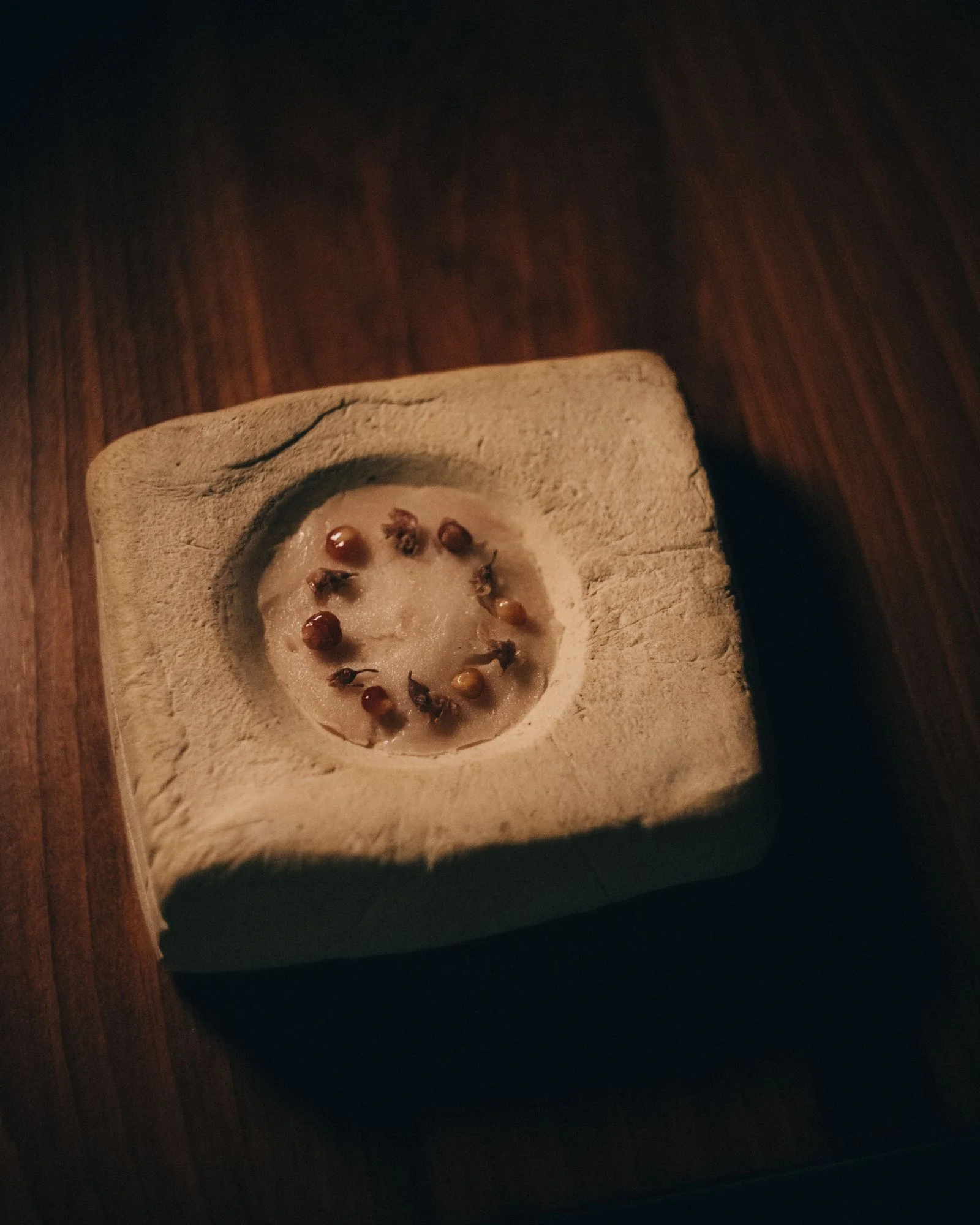
Ursa's dishes often read like a short history lesson. A recent course built on tepary beans, an ancient and nutty bean, pairs the refried beans with h:al squash that has been lactofermented. The squash leaves are fermented into a Japanese-style kosho. The flowers are pickled, dried, crushed with dried saltbush, and tossed with barrel cactus seeds to make a desert furikake. The plate comes with grilled coins of chorizo, made from Lopez's great-grandmother's recipe, and housemade flour tortillas. The drink is an amazake made from fermented wheat and goat fat, which sounds like a dare and tastes like a reasonable idea.
Don't get too attached to any of it. Ingredient availability is finicky, so the menu changes almost daily.
Strict rules, and the wheat that fits them
The sourcing rules are strict. Everything comes from farms and foraging grounds within roughly eight to 10 miles of the kitchen. The only wheat is pima club, an ancient soft white variety grown for centuries by the Akimel O'odham (Pima) people. Cucumbers, radishes, and citrus are off the menu entirely.
That last rule forces a different kind of cooking. "We're not trying to substitute anything, like, 'How do we achieve cucumber? Let's grab a cactus,'" Lopez says. "We have to throw everything out, really strip it down. Sometimes we have to let the ingredients be bitter or spicy. We have to put our egos aside and let the ingredient be the star."
The learning curve is steep for staff who didn't grow up here. Some of them arrive knowing nothing about the desert's plants. Others find that the flora they've been pulling out of their own yards is on the menu. "We have these really cool moments in the restaurant where people are like, Oh! I have lamb's quarter just growing in my yard!" Chee says, referring to the spinach-like green that turns up across the menu.
A cheaper door into the same idea
An approach this specific is hard to read from the outside, so the couple added an easier entry point. This fall, Ursa introduced a four-course, family-style Lineage menu at $75. It sits alongside the 10-course Harvest menu, which costs $150. The Lineage menu draws on family cooking. One course is a pozole inspired by the family's springtime tradition of roasting goat in agave leaves, barbacoa-style, then shredding it into soup. Another is a red masa tamal with glazed quail and yucca blossoms in a mole made with burnt mesquite bread, a technique Lopez remembers from childhood.
The idea took shape over Ursa's extended summer break. Lopez was recovering from foot surgery and thinking about his late grandfather, who kept the family's traditions alive.
"I feel so much closer to my ancestors and the land; we want Ursa to be less esoteric and more soulful," he says. "The story of Ursa is partly of the desert, partly my family. Now we've advanced to the point where they're symbiotic, and I can't tell them apart."