How to Make Whipped Cream: Knowing When to Stop Whipping
What you need to make whipped cream
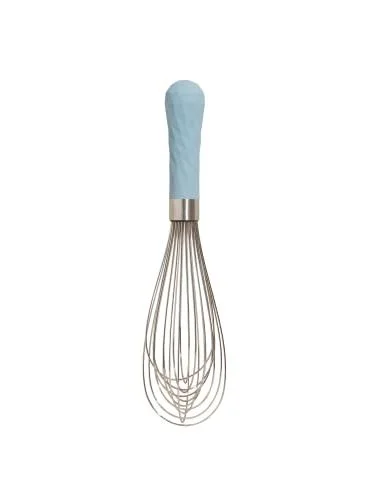
You need cold heavy cream, a [large bowl](https://www.bonappetit.com/story/really-big-bowl), and a whisk. A handheld mixer works too, and so does a mason jar if you're happy to shake it until your shoulders complain. If you're going the bowl-and-whisk route, size matters more than most people expect. Cream roughly doubles in volume as you beat it, so your bowl should hold three to four times the liquid you start with. Go with a large balloon whisk rather than a narrow sauce whisk. The wide, looped wires pull more air into the cream, and air is the whole point. One example is the GIR 11" Balloon Whisk, which Amazon listed at $13 (down from $18) at the time of writing.
 Now check the carton. Heavy cream and heavy whipping cream both carry at least 36% milk fat, and [they can be swapped for each other](https://www.bonappetit.com/story/heavy-cream-substitute). Anything labeled plain "whipping cream" is a different animal, and so is "light cream." Both have less fat, and that fat is what gives whipped cream its loft. Skip them. You'll thank yourself when the peaks hold.
How to make whipped cream
For a basic batch, start with 1 cup cold heavy cream. That yields about 2 cups whipped. For lightly sweetened, add 1 Tbsp. powdered sugar. For vanilla, add ½ tsp. vanilla extract or paste. The method is simpler than the recipe blogs make it sound. The real skill is patience and temperature control. 1. **Use a bigger bowl than you think you need.** Cream doubles as it whips, and in a bowl that's too small it'll slosh over the rim and onto your counter. 2. **Keep everything cold.** You could start with room-temperature gear, but chill your bowl and whisk or beaters in the freezer for 10 to 15 minutes first. Use cream straight from the fridge. Cold equipment isn't mandatory, but it gets you to the finish line faster. 3. **Add sugar and simple flavorings before you start.** Stir sweetener, vanilla, or other flavorings into the cream first. That gives the sugar time to dissolve and spreads the flavor evenly through the batch. 4. **Start whisking.** Work vigorously, moving around the bowl and lifting the cream as you go. A side-to-side motion beats circular stirring. You're on track when the whisk starts leaving trails. 5. **Stop at the texture you want.** Soft, medium, and stiff peaks each have a use, and we'll get to telling them apart below.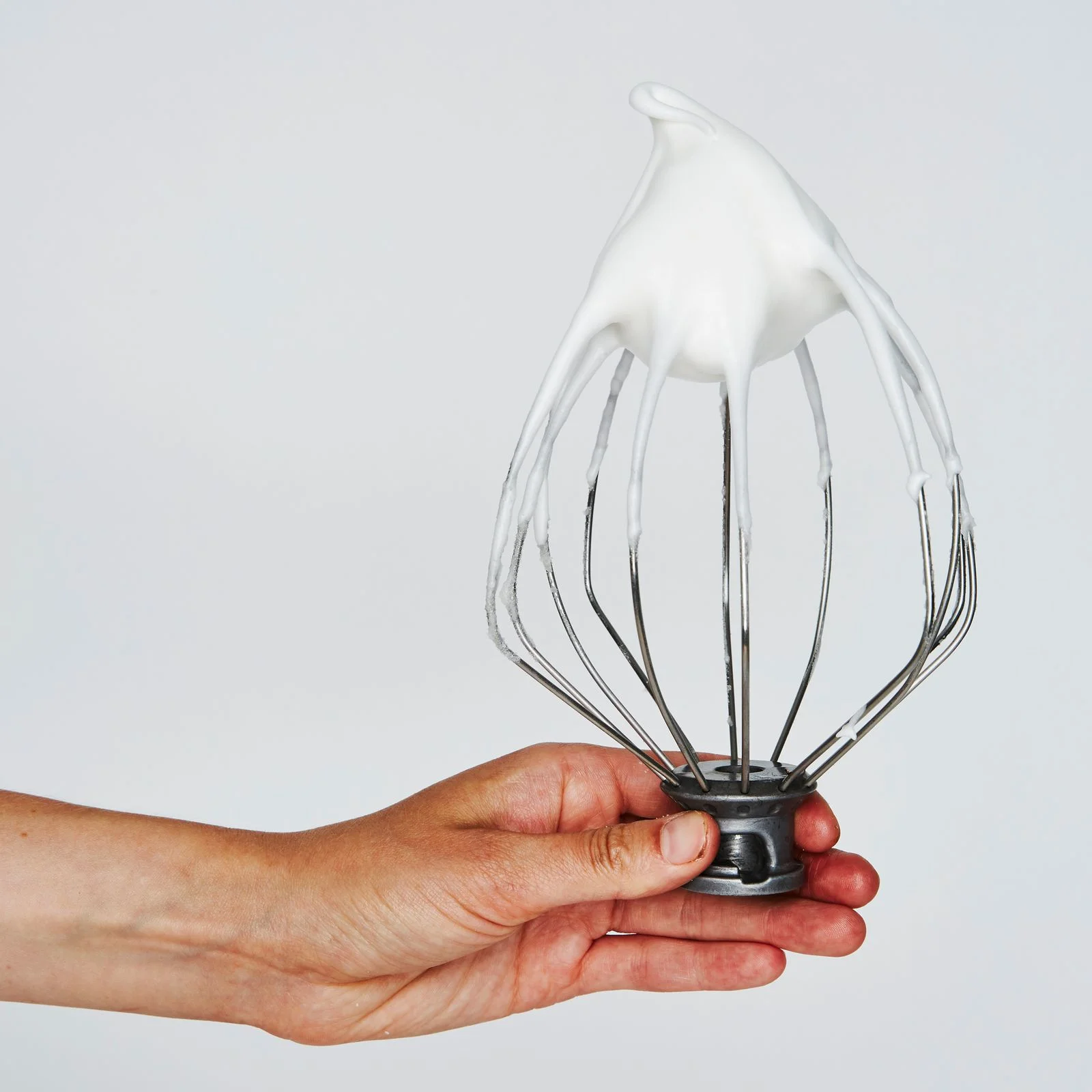
How much sugar should you add to whipped cream?
Less than you might think, or none at all. Whipped cream usually shows up next to dessert, which means the dessert may already bring plenty of sweetness. We tend to serve it unsweetened alongside [Bourbon Caramel Apple Pie](https://www.bonappetit.com/recipe/bourbon-caramel-apple-pie) or [Diner-Style Rice Pudding](https://www.bonappetit.com/recipe/epi-syn-best-rice-pudding), where the cream's lightness keeps the plate from feeling heavy. There's no law here, though. If you like it sweet, or you're pairing it with something tart, like a bowl of blackberries and torn mint, adjust accordingly. For lightly sweetened cream, begin with about 1 Tbsp. sugar per cup of cream, and add it before whipping. Powdered sugar has a practical edge. It dissolves quickly and usually contains a small amount of stabilizer, typically cornstarch, which can help the cream hold its shape longer. Granulated sugar gives a cleaner flavor but takes longer to dissolve. Pick based on which tradeoff you care about more.How to flavor whipped cream
Once the basics are down, flavoring is where things get fun. You've got two main routes: infuse or stir. Cold infusion is the method for people who plan ahead. Steep flavorings in the cream, then chill it for anywhere from three hours to overnight. Rice gives you a creamy take on [horchata](https://www.bonappetit.com/recipe/horchata-recipe), and bourbon brings a [classic pumpkin pie](https://www.bonappetit.com/recipe/best-pumpkin-pie) to a whole new level. Strain out any solids before you whip. If you're short on time, stir straight into the cream before whipping. Vanilla extract, a small splash of liqueur, cocoa, ground spices, citrus zest, and coffee syrup all work. Chunkier add-ins such as toasted nuts or chopped chocolate are the exception. Whip the cream first, then fold them in gently with a rubber spatula so you don't knock out the air you just built.Soft peaks vs. stiff peaks
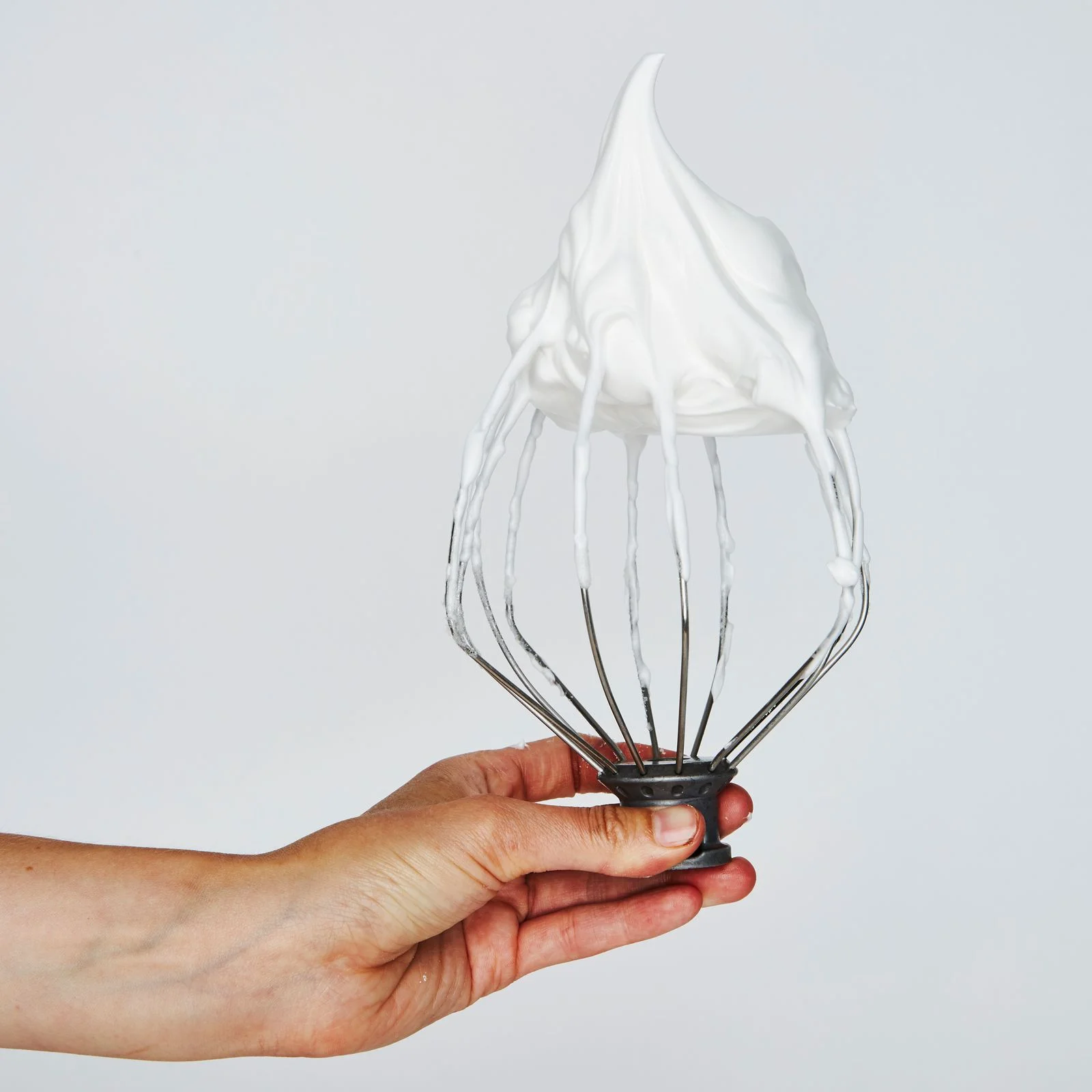 Peaks are the shape your cream holds when you lift the whisk out of the bowl. Here's the thing: the shape tells you what the cream can do.
**Soft peaks** are cloudy and droop when you lift the whisk. **Stiff peaks** stand straight up and keep their form. **Medium peaks** sit between the two, firm enough to hold a shape but still soft and supple.
Most of the time, Bon Appétit recipes call for soft peaks. Think [Mix-and-Match Fools](https://www.bonappetit.com/recipe/epi-syn-mix-and-match-summer-berry-and-cream-fools), or a dollop on [pecan pie](https://www.bonappetit.com/recipe/bas-best-pecan-pie). That velvety texture spreads nicely and doesn't fight the dessert underneath.
Sometimes you need more backbone. Medium peaks keep a [Ginger-Raspberry Icebox Cake](https://www.bonappetit.com/recipe/ginger-raspberry-icebox-cake-with-caramel-cream) standing tall. Classic [chocolate mousse](https://www.bonappetit.com/recipe/chocolate-mousse) is the most demanding case: you whip cream to stiff peaks to fold into the chocolate for structure, and soft peaks to spoon on top. Two textures, one dessert, and both have a job.
How to make whipped cream without a mixer
There's more than one way to whip.Three ways to whip cream, and what each one buys you
By hand is the method I'd pick if time weren't a factor. It takes the longest and asks the most of your arm, but nothing else gives you as much say over the final texture. A lot of people start with a mixer and then switch to a whisk for the last stretch, which is smart. The mixer does the heavy lifting, and the whisk lets you stop at exactly the moment you want.
In a Mason jar is the answer when you've got no whisk and no mixer. Put a tight-lidded container, a large Mason jar, or a leak-proof cocktail shaker in the freezer for five minutes. Chill the heavy cream thoroughly, and leave plenty of room in the vessel. About one cup of cream in a four-cup container works well. Crowd it and you'll get a mess, not whipped cream.
Seal the lid and shake with conviction. Steady, committed motion beats short bursts of brute force, which tend to tire you out before the cream catches up. Watch for the moment the liquid stops sloshing and starts to feel and sound heavier. Then open it and look. If it's still underwhipped, close it up and keep going.
Making it ahead
If you're prepping for a dinner, you can whip cream hours before anyone sits down. The trick is to undershoot during prep. Cover the lightly whipped cream and refrigerate it for up to four hours. Right before it goes on the dessert, give it a few quick, energetic whisks to bring back its lift.
Freezing is the less obvious option, and it's more work. Line a baking sheet with parchment, then pipe or spoon dollops of whipped cream onto it. Once the little nuggets are solid, peel them off and move them to an airtight bag. They'll keep in the freezer for one to two months. When it's time to serve, let them sit at room temperature for about 15 minutes. Yes, it really works.
How to stabilize whipped cream
Need the cream to last through a long meal or a warm room? Instant vanilla pudding mix is one of the shortcuts we keep coming back to. For every cup of heavy cream, add 1 Tbsp. instant vanilla pudding mix (pastry cream powder, if anyone questions your pantry) and 2 tsp. powdered sugar, then whip as usual. The modified starch in the mix soaks up excess moisture and keeps the cream from weeping, which is how it stays fluffy for up to 24 hours.
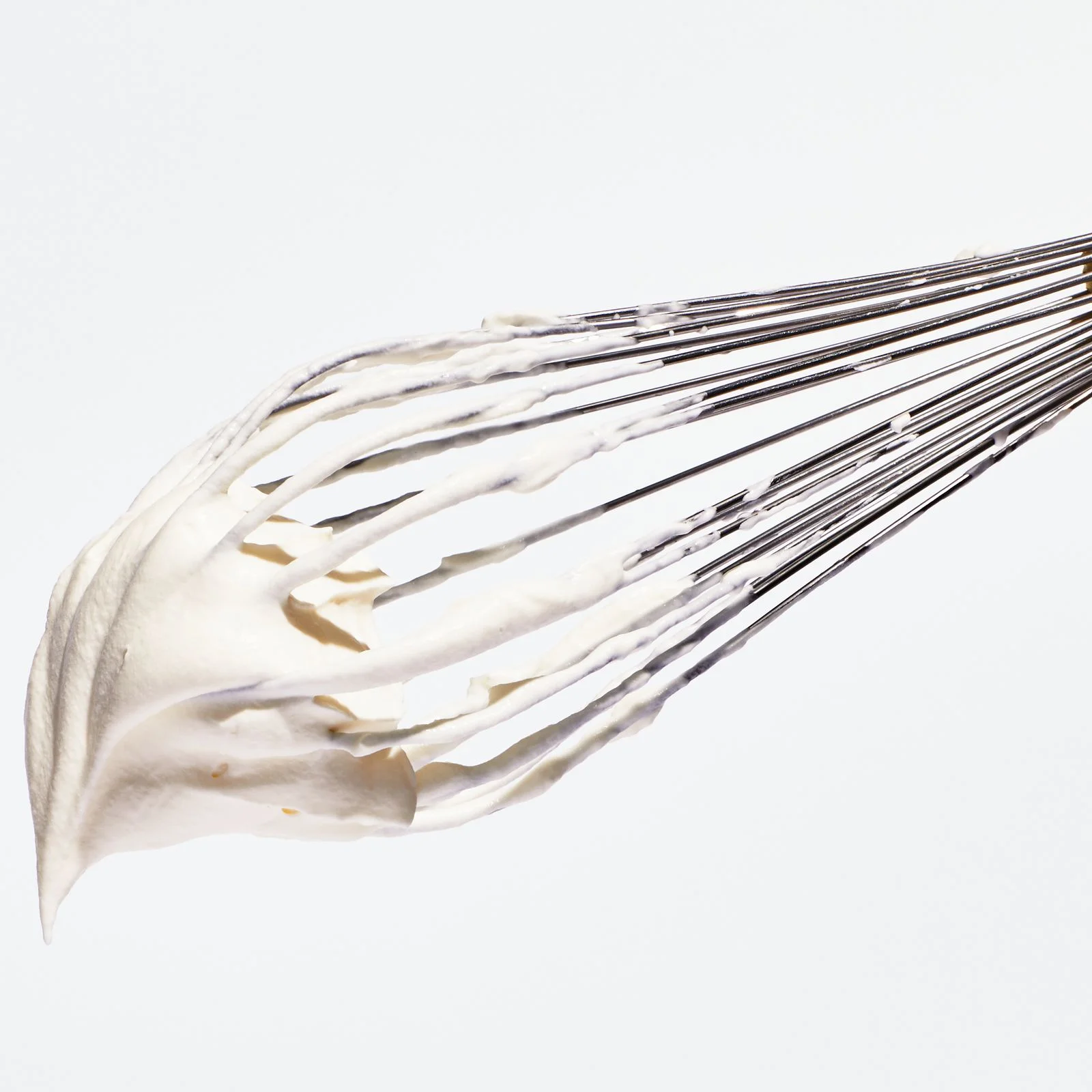
If you want something with more tang, sour cream does the job. Our Pecan Cream Pie folds ¼ cup sour cream into 1 cup heavy cream. The sour cream trims the richness and gives the topping enough body to hold its shape.
Either way, your guests don't have to watch you whisk furiously over the dessert. That's a small win, but it's a real one.
When whipped cream goes wrong
Most whipped cream problems have simple fixes. Here are the two I see most.
"It's taking forever to thicken"
Usually the cause is temperature. Cold cream whips more readily, holds the air you're beating into it, and gets there faster. It also stays fluffy longer. Put the bowl, the whisk, and the cream back in the freezer for five minutes, or in the fridge for up to 30. Once everything is cold, pick up where you left off.
Fat content can also be the culprit. Use heavy whipping cream or heavy cream, not half-and-half or other heavy cream substitutes. Those alternatives often lack the fat needed to build structure.

"I went too hard and overwhipped"
Caught it early? If the cream is a bit stiff or starting to look grainy, whisk in a splash of chilled heavy cream. Add more a little at a time until the texture smooths back out.
Past that point, there's no rescue. Keep an eye on it, because overwhipped cream doesn't turn grainy and then stop. It keeps going until you're holding a bowl of butter.