Slow-Cooked Bolognese Lasagna: Skip the Noodle Boil and Build Layers That Hold Up
This is a rainy-Sunday lasagna. Slow-cooked pork and beef ragù, Parmesan béchamel, and layers of pasta bake into something with a browned top and crisp edges, and it fills the kitchen with smells for most of a day. If that timeline scares you, make the sauces ahead and split the job across two sessions.
The meat sauce is where this recipe earns its keep. Why make meatballs just to smash them? Searing the meat in large balls leaves room for moisture to escape, so you get real browning instead of meat steaming in its own juices. After a long, gentle braise, a potato masher breaks the balls down into ragù. Crushing whole canned tomatoes by hand lets you decide how chunky the sauce ends up, which is more control than most jarred sauces give you.
Skip the noodle boil
This is the step that makes some cooks wince, and it's the one worth trying. In side-by-side retests, regular dried lasagna sheets (not the no-boil kind) turned out about the same whether they were parboiled or layered straight from the box. The ragù and béchamel carry enough moisture to cook the pasta in the oven, but only if every sheet is covered. Spread the sauces to the edges, leave no dry patches, and make sure the top layer of noodles sits fully under sauce before it goes in.
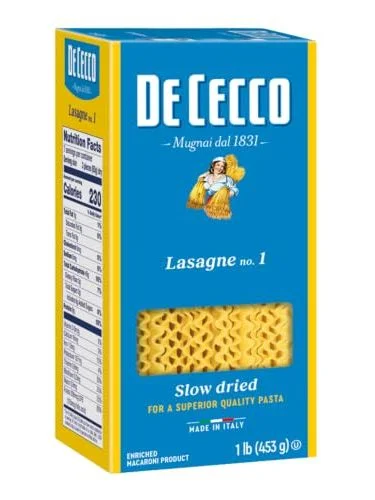
Which noodles, then? Use regular dried lasagna, preferably De Cecco. Skipping the boil is not the same as buying no-boil noodles. In earlier testing, the no-boil sheets soaked up too much sauce and left the finished lasagna drier than anyone wanted. The De Cecco Lasagne No.1, 16-oz box, is $11 on Amazon.
No ricotta, no mozzarella
If you're expecting a cheese filling, this isn't it. This is a lasagna Bolognese, built on meat ragù rather than a ricotta or mozzarella layer. The béchamel supplies the creaminess, and Parmesan stirred into it brings a salty, nutty bite that a mild cheese filling wouldn't. If you want a cheese-filled version with far less effort, try Cottage Cheese Lasagna.
For sides, homemade garlic bread and a Caesar salad are the obvious pairings. The lasagna is rich enough that you won't miss anything else on the table.
Splitting the work over two days
You don't have to do this in one go. Make the ragù one day, then tackle the béchamel, assembly, and baking the next. If you want an even lighter second day, make both sauces ahead and refrigerate them separately. Rewarm the béchamel just enough to loosen it before layering.
Mind the storage limits, though. The ragù keeps up to 4 days in the fridge or 3 months in the freezer. The béchamel only lasts about a day in the fridge, so don't make it too far ahead.
If you'd rather watch than read, Chris walks through making BA's Best Lasagna on video.
Time, yield, and the pot you'll need
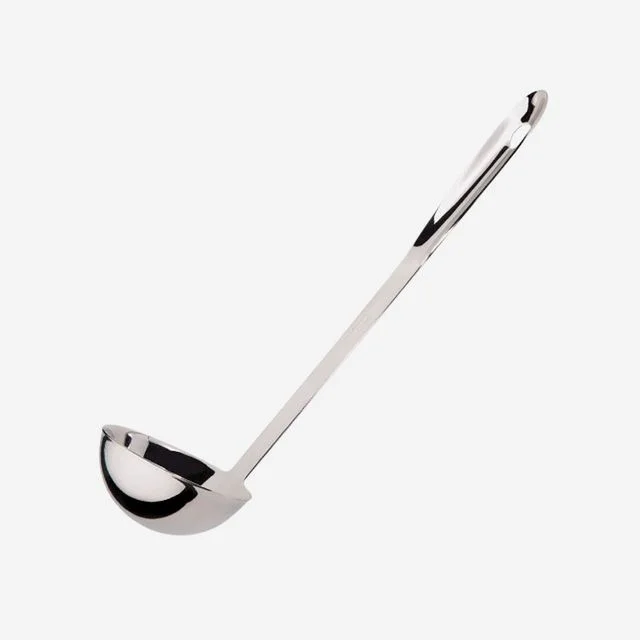
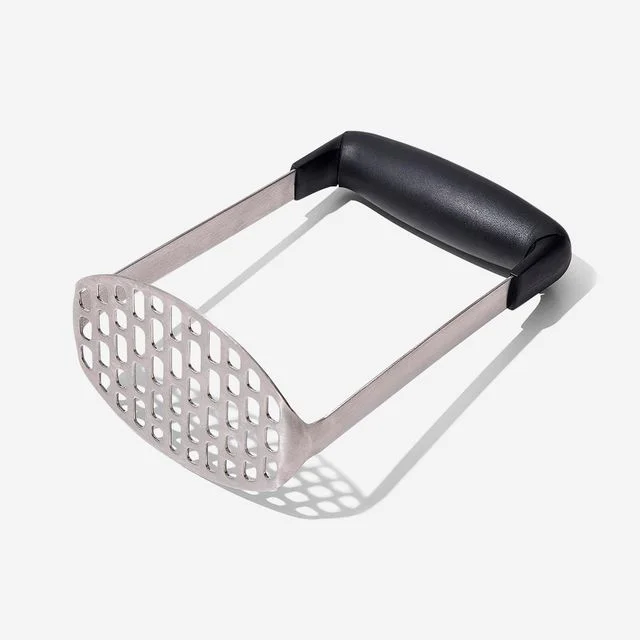
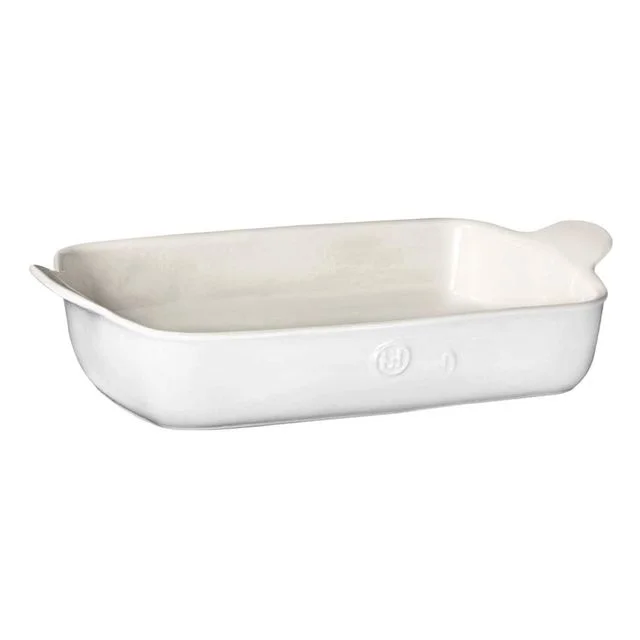
Plan the whole evening for this one. The recipe runs 5 hours 45 minutes and serves 8, so it's a weekend project, not a weeknight shortcut. The pot matters more than most people expect. A heavy Dutch oven holds steady heat through a long simmer, and at $80 (marked down from $133) it's the one piece of equipment here that earns its place. [Dutch oven](https://cna.st/p/4pDSKR9fHyZqYrMpK28XMQkD7q99vBYaomawa9HHS5hCKmqEbY6VmhKko8agMp1bxN2RXECe7jCF8aLgDsZVrQhRsz6xyxDLajypLR1PLEkYRrpQa1fDHNTALCBJDWs7wxD7AJcZhEKD5LNcHw5jam8ALVgCBYrxmP4cULSVssKAsoZhhkzHFjWqKtqJEQ3AGWKLjmVz7iyiwCSwtpYS9Ek2tMiZT5SK9rFEnYkQay958rUvRqSBKdBJeLoT1jEjsLRH6pdt4sD6TyJgt6PruWdoLHt7shT97jK5pwodKutd8Q1ziJCuT8K2g)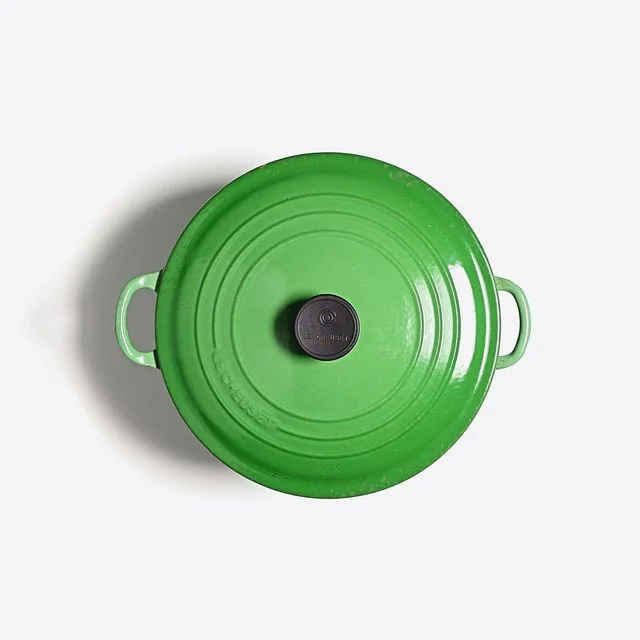 The rest of the kit is cheap by comparison. A potato masher at $15 and a ladle at $27 won't make or break the dish. The 13x9 baking dish is the outlier at $85, and it's the one I'd spend on without hesitation, since you're assembling layers in it and no good substitute exists. [Potato masher](https://cna.st/p/4pDSKR9fHyZqYrMpK28XMQkD7q99vBYaomawa9HHS5hCKmqEbY6VmhKko8agMp1bxN2RXECgp7eEU3skencsD782rAcVQ7iQrFPXUUPNtxpwpuuoPoT9vjQgu7hALrN9LaAN29wMUZ8sX8hZYXxCruw2FnvXScrfBwvD7ShANouC8BTSxi1TjZNqYfHxa1MTHt2o4tFTusfqwb2Wb1MJDWxS6nLrHqjaFrzhtqhQ6CQg4xNEMXiNSBHcBMQZVWatJdkNrpRPaFhaY4SUk4XrnCQTWRFptPBDoRop5FLyPf8ofEyTBJ9Xsurm6) and [ladle](https://cna.st/p/4pDSKR9fHyZqYrMpK28XMQkD7q99vBYaomawa9HHS5hCKmqEbY6VmhKko8agMp1bxN2RXEChqnyKMaX3MdPhJ8FaCnKdyADp7YJhkAGYPY3fEfYU4HNsNXRfFMkjZkjuTDrghBKkVzoFT9XPGbpcD3R6oy4dMxFfPwBzfR7dTZoHTYiJZzGybBK93eB3dJRR6nYY4bVYWTBtVT8kCZBxvP1of8aUoutyYhwkaEyWhPJGu7G9md2qkffiBAsARzPgCRSLi19uPiXiZM5rL5xL2313jekr5x7UApfo8yw63Tu1efw1EtqnsCSFz) are both under $30.
The ragù: two meats, a lot of patience
The base is unremarkable on paper: two pounds of ground pork and a pound of ground beef chuck, the chuck specified at 20 percent fat. That fat figure isn't decoration. Lean beef will leave the sauce thin and flat, and you'll notice it by the second hour. The aromatics follow a familiar pattern. Two ounces of pancetta or slab bacon, one medium onion, one celery stalk, one medium carrot, and six garlic cloves, all chopped fine, go into two tablespoons of extra-virgin olive oil. Add two tablespoons of tomato paste, three-quarters of a cup of dry white wine, a 28-ounce can of whole peeled tomatoes, and a cup of low-sodium chicken broth. The one ingredient that surprises people is a full cup of whole milk. It's standard in the Bolognese style, and it's what keeps the meat tender rather than grainy.Béchamel and assembly
This is where the recipe stops being a stew and becomes a bake. The béchamel calls for seven tablespoons of unsalted butter, a cup plus three tablespoons of all-purpose flour, six cups of whole milk, and four ounces of Parmesan, coarsely grated to yield about a cup. Add a pinch each of cayenne and nutmeg, then season with salt and pepper. That's a lot of milk, and it's the step where cooks tend to rush. Whisk patiently, or you'll end up with lumps you can't fix later. For the noodles, you need 1¼ pounds of dried lasagna sheets. The recipe recommends De Cecco specifically, and I'd take that suggestion seriously. Cheaper brands can turn gummy under the weight of a long bake. Grease the baking dish with extra-virgin olive oil before the first layer goes in, and you'll have an easier time serving it at the end of those 5 hours 45 minutes.Meatballs that end up as sauce
Start by heating the oven to 225°. Mix 2 lb. ground pork and 1 lb. ground beef chuck (20% fat) by hand in a large bowl, season generously with kosher salt and freshly ground black pepper, then mix again. Shape about 18 large meatballs. Don't fuss over them. They're going to be mashed apart later anyway.
Warm 2 Tbsp. extra-virgin olive oil in a large Dutch oven or other heavy pot over medium-high heat. Brown the meatballs in two batches, turning them now and then and lowering the heat if the bottom of the pot looks like it's about to scorch. Each batch takes roughly 6 minutes. Move them to a rimmed baking sheet as they finish.
Then drop the heat to medium and add 2 oz. pancetta (Italian bacon) or slab bacon, chopped. Stir often until it's lightly browned and just starting to crisp, about 5 minutes. Next go in 1 medium onion, finely chopped, 1 celery stalk, finely chopped, 1 medium carrot, peeled, finely chopped, and 6 garlic cloves, sliced. Cook until everything has softened, 6–8 minutes. Stir in 2 Tbsp. tomato paste and keep it moving until it darkens, about 2 minutes. That darkening is where the depth comes from, so don't rush it.
Building the ragù
Pour in ¾ cup dry white wine and cook, stirring now and then, until it has almost completely evaporated, about 5 minutes. Add the one 28-oz. can whole peeled tomatoes, crushing them with your hands as they go in, and turn the heat up to medium-high. Keep stirring occasionally until the liquid turns jammy and has reduced by about half, 8–10 minutes.
Now add 1 cup low-sodium chicken broth and 1 cup whole milk, and return the meatballs to the pot. Bring it to a simmer, then cover partway with a lid and slide it into the oven. Check it roughly every hour, adjusting the oven temperature so the liquid stays at a low simmer. Plan on 3–4 hours, until the meatballs are falling-apart tender.
Here's the part that surprised me. The meatballs are supposed to disintegrate. Once they're tender, break them up with a potato masher and work them into the liquid. You should end up with about 8 cups of ragù. If it's looser than that, put the pot back on the stovetop and simmer gently until it reduces. Taste it and adjust with more salt and black pepper if needed.
Do ahead: The ragù keeps for 4 days in the fridge once cooled and covered. It also freezes for up to 3 months.
Béchamel, and the boil you can skip
Melt 7 Tbsp. unsalted butter in a large saucepan over medium heat. Whisk in ¼ cup plus 3 Tbsp. all-purpose flour and cook, whisking occasionally, until the mixture smells slightly nutty, about 4 minutes. Pour in 6 cups whole milk while whisking constantly. Raise the heat to medium-high and keep whisking until it reaches a simmer.
From there, drop the heat to hold a gentle simmer. The sauce thickens in about 4 minutes, then needs another 8–10 minutes of occasional whisking to turn smooth and velvety. Take it off the heat and whisk in 4 oz. Parmesan cheese, coarsely grated (about 1 cup), a pinch of cayenne pepper, and a pinch of ground nutmeg. You should end up with about 6 cups. Season with kosher salt and freshly ground black pepper, move it to a large bowl, and press plastic wrap directly onto the surface so it doesn't form a skin while it cools slightly.
Preheat the oven to 325° for assembly. Now the noodle question, which is where this recipe gets interesting. Parboiling is the traditional route, and if you go that way, cook 1¼ lb. dried lasagna noodles in a large pot of boiling salted water, separating them so they don't stick. Pull them when they're just starting to soften but still snap rather than bend when folded. Three minutes is the magic number, and the noodles will feel alarmingly stiff. Transfer them with tongs to a bowl of cold water, then drain and lay them flat in a single layer on a rimmed baking sheet, separated by parchment or wax paper.
But you can skip all of that. In side-by-side retests, the BA Test Kitchen found that regular dried lasagna noodles produced similar results whether they were parboiled or layered straight from the box. That's a real saving, and one less pot to scrub. The catch is that uncooked noodles need more sauce. Spread the ragù and béchamel all the way to the edges so every noodle is fully covered, and make sure the sauce blankets the top layer before it goes in the oven.
Layering and the bake
Lightly coat a 13x9", 4–6-qt. glass or ceramic baking dish with extra-virgin olive oil. Spread 1½ cups ragù across the bottom. Lay down a single layer of noodles, breaking or cutting them to fill any gaps. Spoon 1¼ cups béchamel over the noodles and smooth it into an even layer with a small offset spatula. Add 1½ cups of meat sauce, then repeat the noodle, béchamel, and ragù sequence three more times. Finish with a fifth layer of noodles and the remaining 1 cup béchamel.
If you want more pasta in every bite, build six layers instead. Start with the same 1½ cups ragù on the bottom, but use 1 cup béchamel and 1¼ cups ragù between the pasta layers. Finish with a sixth layer of pasta and the remaining 1 cup béchamel. You'll get more noodle and a slightly leaner ratio of sauce, which is a trade-off worth knowing about before you commit.
Cover the dish with a lightly oiled piece of aluminum foil and set it on a rimmed baking sheet to catch any drips. Bake until it's bubbling gently around the edges, about 1 hour. Then raise the oven to 425° and move a rack to the top. Pull off the foil and keep baking until the top is browned and crisp at the edges, 10–15 minutes more. Let it rest for 10 minutes before you cut into it. Otherwise the layers slide apart on the plate.
Do ahead: The béchamel can be made a day early and kept chilled. Rewarm it just enough to loosen before using. The whole lasagna can be assembled up to a month ahead. Let it cool, wrap it well in plastic, and freeze. Thaw it overnight in the fridge before baking.
Why this one holds up
What stands out is how little of this depends on technique you can't pick up on a weeknight. The meatball-to-sauce trick does the heavy lifting, and the béchamel is just a patient whisk. The noodle shortcut is the most useful single detail, because it removes the step most home cooks dread. If you're planning to feed a crowd, the freezer plan is the real win: assemble it on Sunday, bake it on Thursday, and the lasagna that comes out tastes like it took the whole weekend.