Hawaiian Butter Mochi Cake With Maple-Miso Pecans: Why Mochiko and Cooling Matter
|
5 min read
Shuai Wang, chef of [King BBQ](https://www.bonappetit.com/story/third-wave-barbecue) in North Charleston, South Carolina, has two dessert loyalties that don't obviously overlap. Mochi reminds him of holidays with family. His other favorite is [classic Southern pecan pie](https://www.bonappetit.com/recipe/bas-best-pecan-pie). This Hawaiian-style butter mochi cake tries to honor both: a rich, chewy cake under a thick layer of maple-miso pecans. It mostly works, and the reasons are more interesting than the ingredient list suggests.
## The flour does the heavy lifting
Mochiko is what keeps this from being a cake in the usual sense. It's a [distinct style of rice flour](https://www.bonappetit.com/story/what-is-mochiko-and-how-to-cook-with-it-article) that gives butter mochi its bounce, and the result is closer to a dense, springy bar than the airy crumb you'd expect from a birthday cake. If you're expecting fluff, you'll be disappointed. If you want something that pulls apart with a satisfying give, you're in the right place.
Coconut milk and melted butter carry the richness. The pecans supply the crunch that contrasts with all that chew. Resist the urge to slice early, though. Let the cake cool completely so the texture can set. Cut it warm and you'll get a gummy mess instead of the clean, chewy slices the recipe is built around.
## Miso is the quiet ingredient
The pecan topping depends on a small amount of white or yellow miso. It adds savory depth to the maple syrup, doing for the caramel-sweet coating what salt does in salted caramel. Without it, the topping tastes flat and cloying. With it, the sweetness has something to push against.
The nuts only need a short head start in the oven. They keep toasting as the cake bakes, so there's no reason to take them far before the batter goes in.
## Can you swap the flour?
Not really, and this is the one place where a substitution will quietly wreck the bake. Regular rice flour won't work, and neither will all-purpose flour. Mochiko, also sold as sweet or glutinous rice flour, has a different starch composition, and that starch is responsible for the springy, slightly sticky chew. Swap it out and you'll end up with a different cake entirely.
Mochiko is easier to find than it used to be. One [sweet rice flour listing at Weee!](https://fave.co/3NHlvU9) runs $2.99, while the [Mochiko three-pack on Amazon](https://www.amazon.com/Mochiko-Sweet-Rice-Flour-Pack/dp/B00G6KGXAE) costs $17. That price gap is worth checking before you buy, since the cheaper listing may be a smaller quantity.
## Which miso to reach for
Both white and yellow miso work here, and the choice comes down to how much savory punch you want against the maple. White miso is milder and a little sweeter, which keeps the pecans closer to classic pecan pie territory. Yellow miso brings a more pronounced savory edge. Neither one overpowers the buttery, nutty flavor of the nuts, so you can't really get this wrong.
If you want to understand the differences before you commit, [the guide to miso](https://www.bonappetit.com/story/guide-to-miso) covers the types and how to use them.
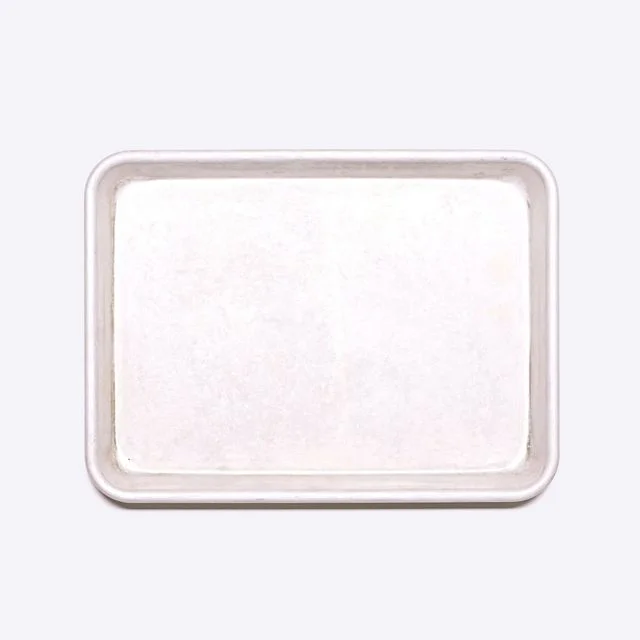 A rimmed baking sheet runs $35 at [Amazon](https://amzn.to/44QpKE0). That's the priciest item here, and the one that earns its spot. The rim keeps nuts and sugar from sliding onto the oven floor, and it gives you a flat surface to spread the mixture out in a single layer, which is what you want for even cooking.
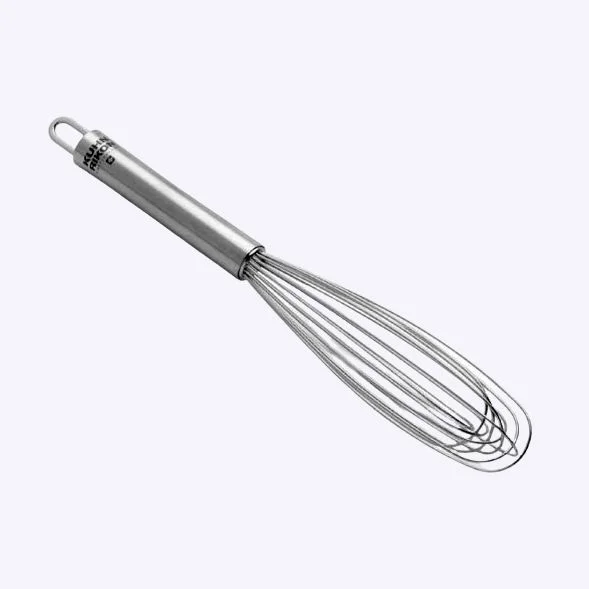
The French wire whisk is $18 at [Amazon](https://www.amazon.com/Kuhn-Rikon-10-Inch-French-Whisk/dp/B000H7O3O0). Its thin, flexible wires move through a mixture far more easily than a standard balloon whisk, so you can coat things quickly without knocking air out of them or leaving lumps behind.
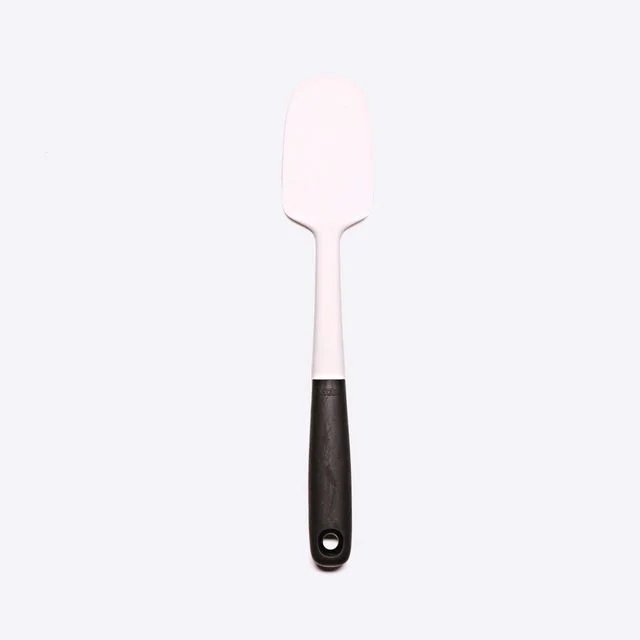
 The rubber spatula costs $13 at [Amazon](https://amzn.to/3PkNhIF). It's the least glamorous tool on the list and the one you'll reach for most. Scraping every bit of sticky coating off the whisk and the bowl is where the real time gets lost if you don't have one.
 If you already own a rimmed sheet, you're really only buying a whisk and a spatula, which puts the total under $35. Don't buy a second baking sheet just because the list includes one.
The gluten question has a catch, and it's the miso
Start with the flour, because that's where most people expect the trouble to be. Mochiko is naturally gluten-free, even though the name "glutinous rice flour" sounds like it should contain gluten. "Glutinous" refers to the sticky texture the flour gives mochi, not to the protein wheat is known for. So if you're baking for someone who avoids gluten, the flour is not your problem. The miso is. Some varieties contain barley or wheat, and that's the detail that trips up a gluten-free bake. A bag of miso doesn't announce its grains on the front, so you have to read the label. Pick one that's explicitly marked gluten-free. And if you're baking for someone with celiac disease or a serious sensitivity, don't stop there. Check every other packaged ingredient too, from the baking powder to any add-ins. Gluten-free is a property of the whole batch, not of one ingredient.What to buy, and what it'll cost you
The shopping list is short, and the prices are less uniform than you'd expect. The star ingredient, sweet white miso, runs $13 on Amazon, though it's currently discounted to $12 in the listing. [Check the miso here](https://amzn.to/3XCC7zr). 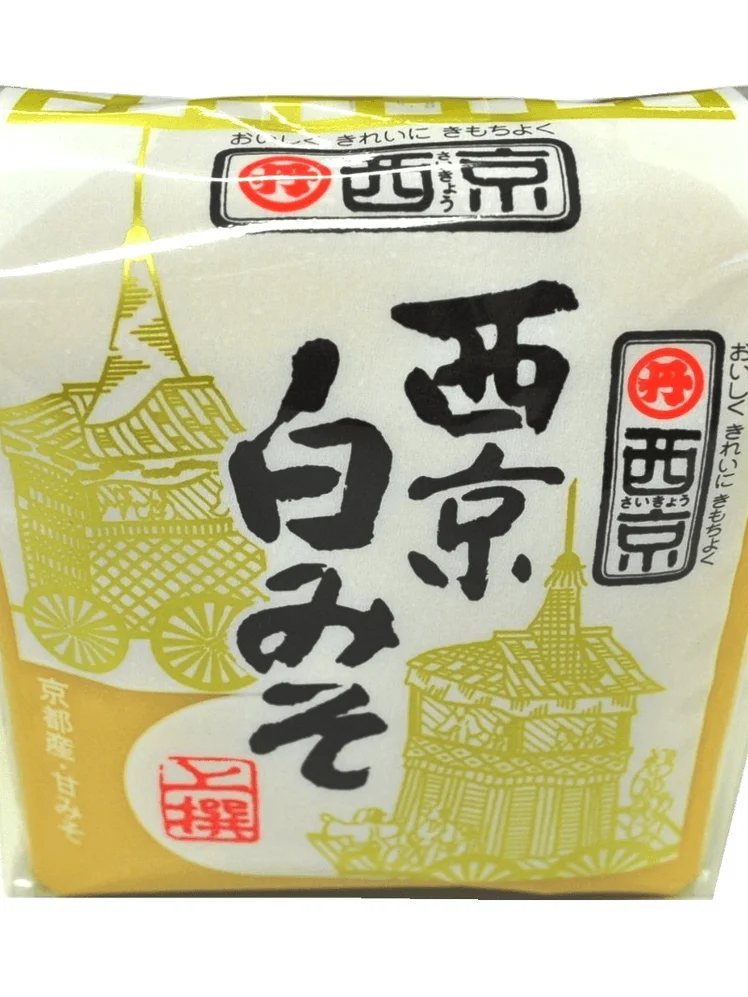 The sweet rice flour is the cheapest line item by a wide margin. Weee! lists it at $2.99, which makes it the easiest thing on the list to grab without a second thought. [Find the sweet rice flour at Weee!](https://fave.co/3NHlvU9). 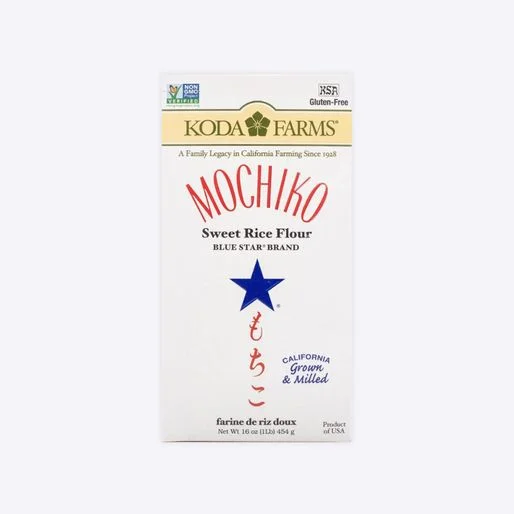 The 9-inch round cake pan is where the budget can wobble. It's listed at $16 on Amazon, down from a $21 price, but it's still the most expensive piece here. If you already own a 9-inch round pan, skip it. If you don't, this is the one purchase worth making deliberately rather than impulsively. 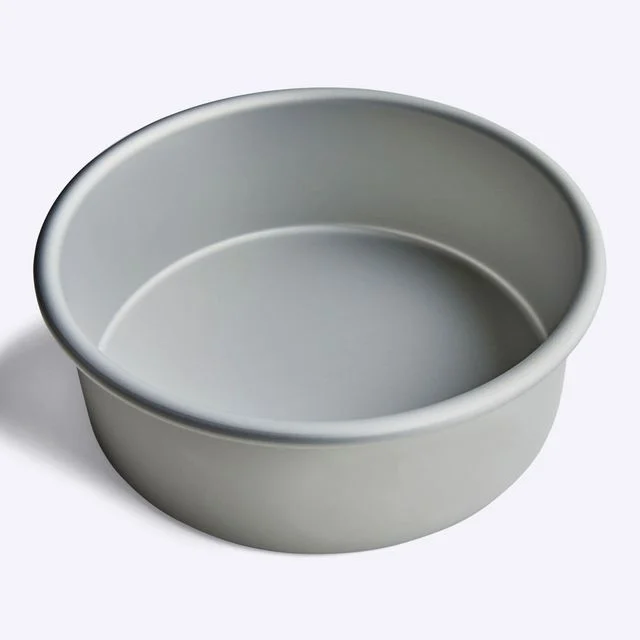 A wire cooling rack rounds things out at $18 on Amazon. Here's the honest read: it's the least exciting item on the list, and it's also the one most home bakers underrate. A cake that cools in the pan keeps steaming, and that moisture softens the crust. A rack is cheap insurance against a gummy bottom, so if you're weighing which items to cut, this is the last one I'd drop. 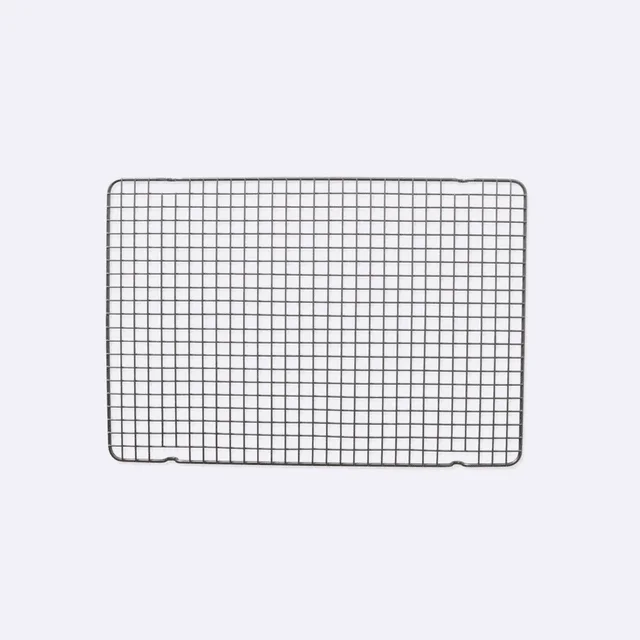 All told, you're looking at roughly $35 in new purchases if you need everything, and considerably less if your kitchen already has a pan and a rack. The miso and flour are the parts that matter most for the gluten question, so spend your attention there.Three tools, $66 total
Before you touch the pecans, you'll need three pieces of kit. None of them is expensive, but the baking sheet is the one to think about first.
A rimmed baking sheet runs $35 at [Amazon](https://amzn.to/44QpKE0). That's the priciest item here, and the one that earns its spot. The rim keeps nuts and sugar from sliding onto the oven floor, and it gives you a flat surface to spread the mixture out in a single layer, which is what you want for even cooking.
The French wire whisk is $18 at [Amazon](https://www.amazon.com/Kuhn-Rikon-10-Inch-French-Whisk/dp/B000H7O3O0). Its thin, flexible wires move through a mixture far more easily than a standard balloon whisk, so you can coat things quickly without knocking air out of them or leaving lumps behind.
The rubber spatula costs $13 at [Amazon](https://amzn.to/3PkNhIF). It's the least glamorous tool on the list and the one you'll reach for most. Scraping every bit of sticky coating off the whisk and the bowl is where the real time gets lost if you don't have one.
If you already own a rimmed sheet, you're really only buying a whisk and a spatula, which puts the total under $35. Don't buy a second baking sheet just because the list includes one.