Critics Split on Harkaway, Anam and Shteyngart This Week
This week's strongest notices went to a spy novel that steps into John le Carré's world, a slim and punishing book about violence, and a biography that makes a case for a writer many have forgotten. Fiction leads the list, but the nonfiction picks show just as much range.
Fiction
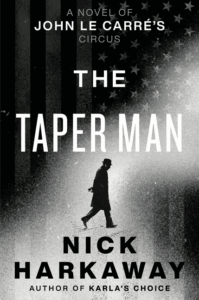
1. The Taper Man: A Novel of John Le Carré's Circus by Nick Harkaway
(Viking)
5 Rave • 1 Positive • 1 Mixed
Harkaway has written a Circus novel that answers to its source without imitating it. The ending refuses to tie everything up, and that's the point. Publishers Weekly credits him with his father's gift for slow reveals, tangled plots and sharp observations about people, and it's hard to argue with that. George Smiley is in good hands.
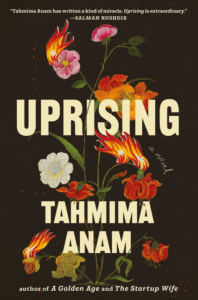
2. Uprising by Tahmima Anam
(Scribner)
4 Rave • 1 Positive • 1 Mixed
This is the one that will stay with you. Lauren Christensen calls it "slim but potent," and says it turns a hideous reality into art that matches its subject: "unkempt, sometimes repulsive, brutal, beautiful." Her verdict is blunt. You can't look away, and you won't forget what you've seen.
–Lauren Christensen (The New York Times Book Review)
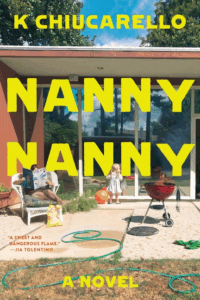
3. Nanny Nanny by K Chiucarello
(Ecco)
1 Rave • 3 Positive
Chiucarello moves between extremes without losing her footing. The novel covers the violence that pushes a nanny to call 911 and the tender care she gives young children, and the reviewer sees family, love and language failing in equal measure. Booklist finds the book wise, sensitive and continuously surprising.
–Annie Bostrom (Booklist)
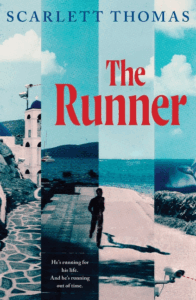
4. The Runner by Scarlett Thomas
(Simon & Schuster)
1 Rave • 2 Positive • 2 Mixed
Sarah Ditum argues that Thomas could be discussed in reverent terms if she weren't so funny. Plenty of readers assume literary fiction only counts if it feels miserable, and Ditum says The Runner ignores that assumption. Thomas controls her tone well enough to move between thriller, action and farce, and keeping up with her is pure pleasure.
–Sarah Ditum (The Times)
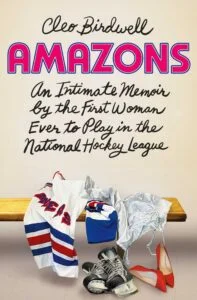
5. Amazons: An Intimate Memoir by the First Woman Ever to Play in the National Hockey League by Cleo Birdwell
(Scribner)
1 Rave • 3 Positive • 1 Mixed • 1 Pan
This one splits the room, and that's the interesting part. Ed Park finds the chapter-ending sex scenes frank and endearingly chatty, and says the book feels refreshingly out of place in 2026. He compares its energy to the ambitious, libidinous fiction of an earlier era. Scenes run long, he admits, and he enjoys that. Cleo, in his telling, simply can't stop.
–Ed Park (Bookforum)
**
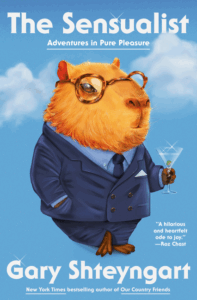
3. The Sensualist: Adventures in Pure Pleasure by Gary Shteyngart
(Random House)
4 Rave • 1 Positive
Shteyngart's prose matches his subject. Melissa Denes describes long, rolling sentences that give way to a short punchline, and jokes that arrive generously and often surprise. The voice is confiding and charming, and sometimes it's happily ridiculous.
–Melissa Denes (The Guardian)
Nonfiction
1. Anita Brookner: Art and Life by Hermione Lee
(Knopf)
12 Rave • 4 Positive
Lee's biography is the week's most decisive endorsement. Leigh Haber says it makes a passionate case for studying a complex and compelling figure who has since faded from view. Readers who have felt dismissed themselves may find in Brookner a guide to women's inner lives, and a writer who saw what many others missed.
–Leigh Haber (The Boston Globe)
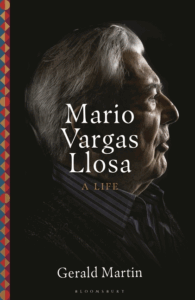
2. Mario Vargas Llosa: A Life by Gerald Martin
(Bloomsbury)
5 Rave • 2 Positive • 2 Mixed
Michael Wood calls this biography remarkable, though he notes that Martin's view of Vargas Llosa's books varies widely. Martin is loyal to the man, and that loyalty turns critical at points. Wood suggests the book may be stronger for not insisting that life and work mirror each other. His closing line is the sharpest: Martin understands that to explain is often to explain away.
–Michael Wood (The New York Times Book Review)
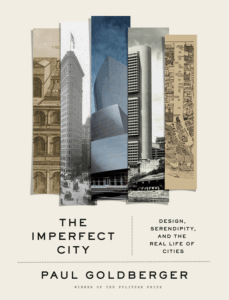
3. The Imperfect City: Design, Serendipity, and the Real Life of Cities by Paul Goldberger
(Knopf)
3 Rave • 2 Positive
Goldberger looks at how cities actually grew, rather than how planners hoped they would. Jennifer W. Brown says architecture enthusiasts get a substantial account of how these cities evolved. History readers get a fresh angle, and armchair travelers get a good read.
–Jennifer W. Brown (Shelf Awareness)
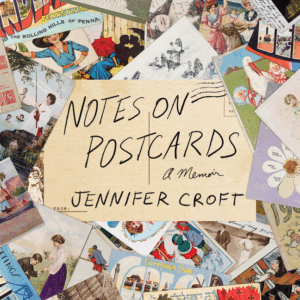
5. Notes on Postcards: A Memoir by Jennifer Croft
(Catapult)
2 Rave • 2 Positive
Rebecca Foster calls this an earnest, elegant meditation on place and purpose. Croft presents a life as a collection of everywhere she has been, and she casts herself as a go-between for languages and cultures. Foster says that by paring her story back, Croft produces something as telltale and intimate, ephemeral and lasting, as a postcard.
–Rebecca Foster (Shelf Awareness)