Puerto Rican Thanksgiving: Island Ingredients and Traditions Shape the Holiday
Photographs by Jesse Kornbluth
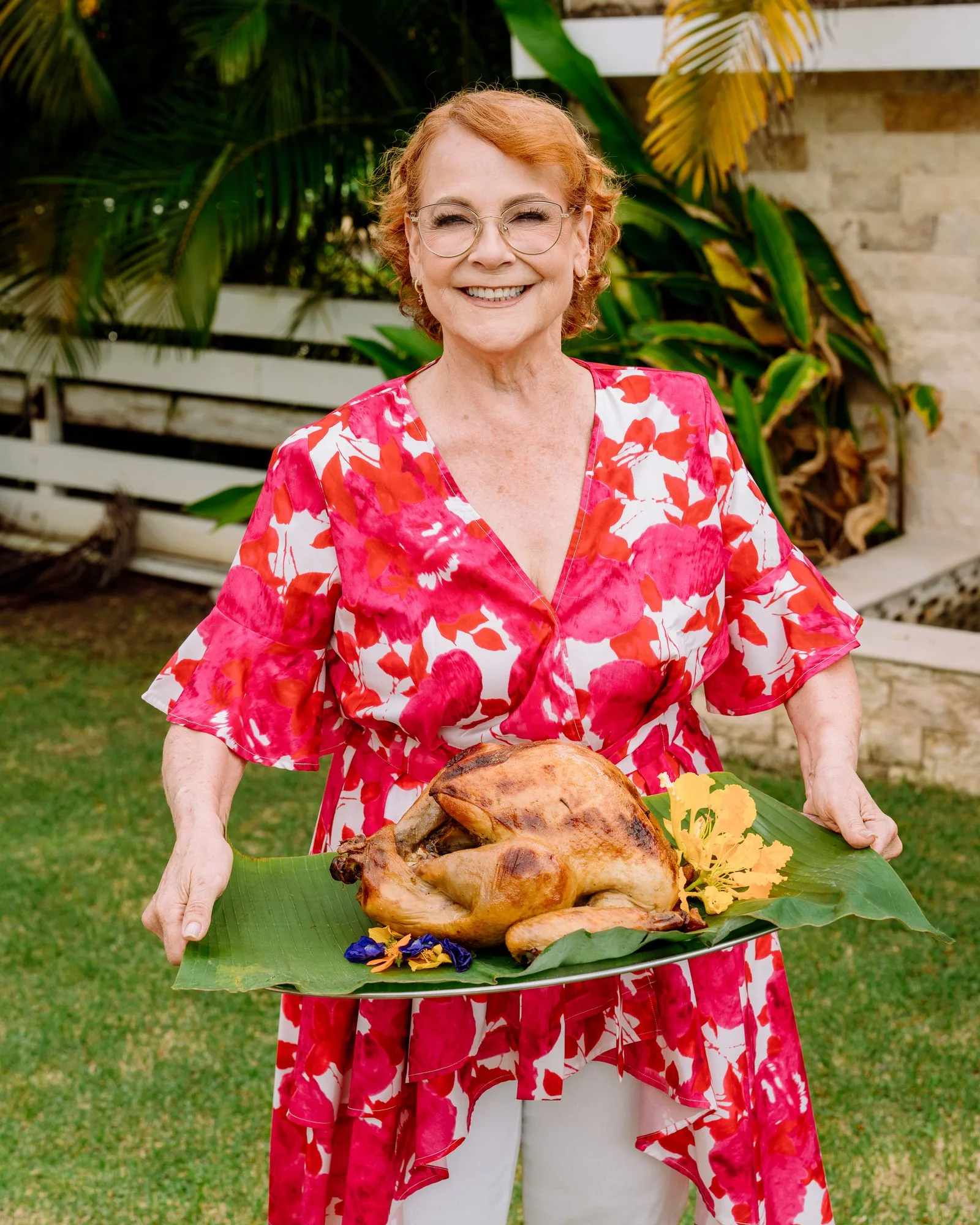
Puerto Rican Thanksgiving makes a persuasive case for letting local ingredients rewrite a familiar holiday. The turkey might be marinated in garlic, lime, and oregano, then filled with mofongo made from fried green plantains and chicharrón. Guava can flavor the gravy; flan takes apple pie’s place. Calabaza, the island’s winter squash, fills the role pumpkin spice claims elsewhere, while coconut water is poured straight from a fresh coco.
The holiday has been celebrated in Puerto Rico since the early 20th century, not long after the United States invaded the island in 1898. It’s both a beloved family gathering and the opening act of a long, lively holiday season. For more than four decades, chef and restaurateur Giovanna Huyke has helped define what the feast can look like.
That influence is personal for me. Huyke, often described as Puerto Rico’s answer to Julia Child, has spent years teaching home cooks through television, newspaper columns, and cookbooks. My grandmother, Sara—Tata to our family—was one of them. When she died, I inherited her worn copy of Huyke’s 2004 booklet Celebraciones and found recipes that had shaped Tata’s Thanksgiving cooking. I’d been eating Huyke’s ideas long before I knew their source.
Tata’s turkey was conventional; her stuffing wasn’t. She folded picadillo into boxed Pepperidge Farm stuffing mix: ground beef cooked with sofrito, pimiento-stuffed Manzanilla olives, and sazón. Sofrito—a fragrant mix of garlic, onion, peppers, and culantro—anchors much of Puerto Rican cooking. That combination captures the larger story of the holiday: imported convenience foods meeting recipes rooted in the island.
My family, like many in the Puerto Rican diaspora, returned to the island for the holidays, alternating between Thanksgiving and Christmas. We’d leave Atlanta’s Hartsfield-Jackson airport bundled in winter coats and land at San Juan’s Luis Muñoz Marín Airport ready for shorts and tank tops. That seasonal migration made the feast feel like a reunion with both family and place.
A holiday with its own vocabulary
Puerto Rico’s Thanksgiving is formally called El Día de Acción de Gracias. People also call it El Día del Pavo—“Turkey Day”—or Sanguiving and Sangiving. The first of those playful names nods toward Roman Catholicism, still the island’s predominant religion. The wordplay reflects a familiar habit: Puertorriqueñizar, or making something Puerto Rican by reshaping it to fit local speech and culture.
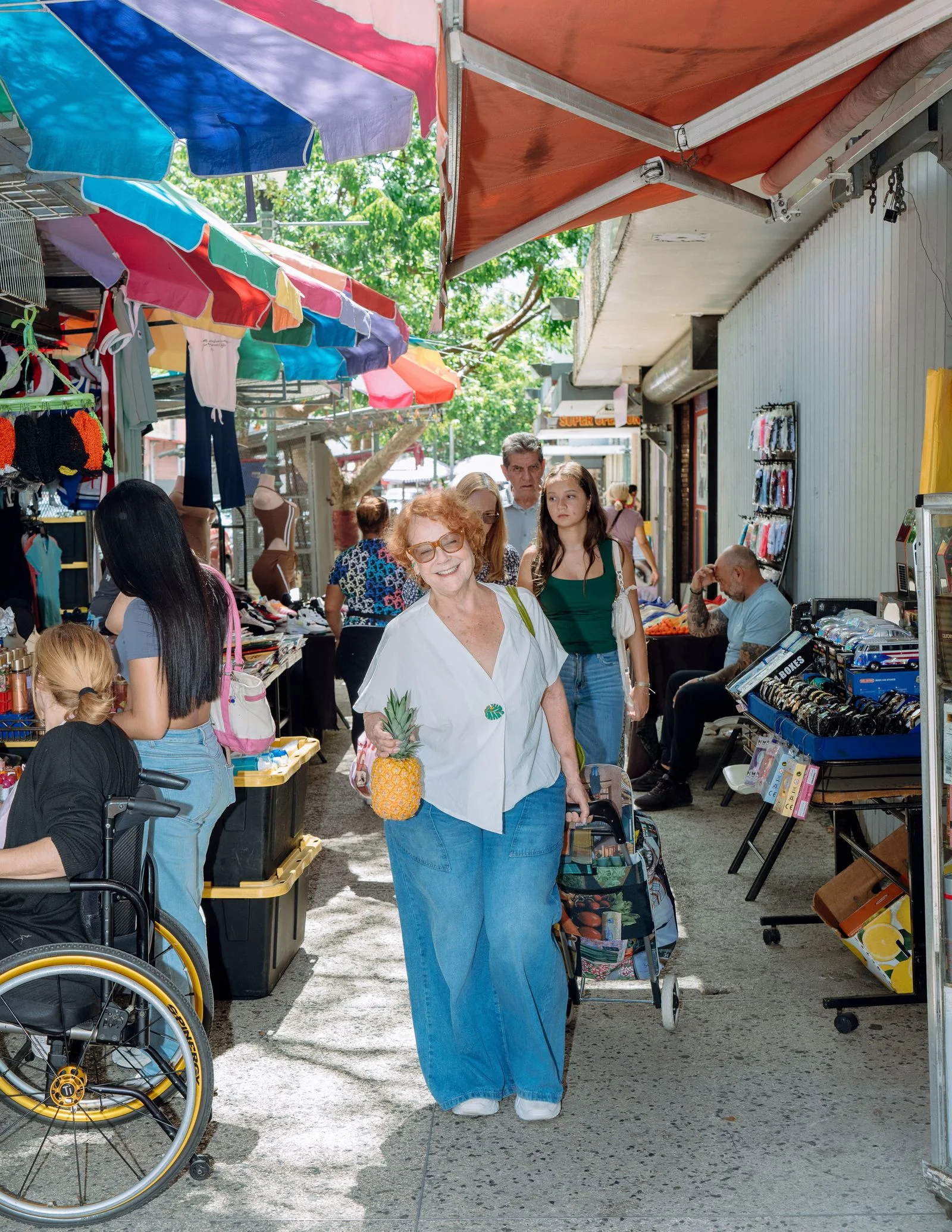
“We have a rich and resilient food history—it came from necessity, lack, and a bounty from the land,” Huyke says. Puerto Rican cooking draws on Spanish, Taíno, and West African traditions, shaped by the island’s agriculture and its changing access to food. “Our food comes from Spain, Indigenous Taíno people, and [enslaved] West Africans,” she says. “But it grew from our land and from our history, mixing every influence in our pilónes and our cauldrons.”
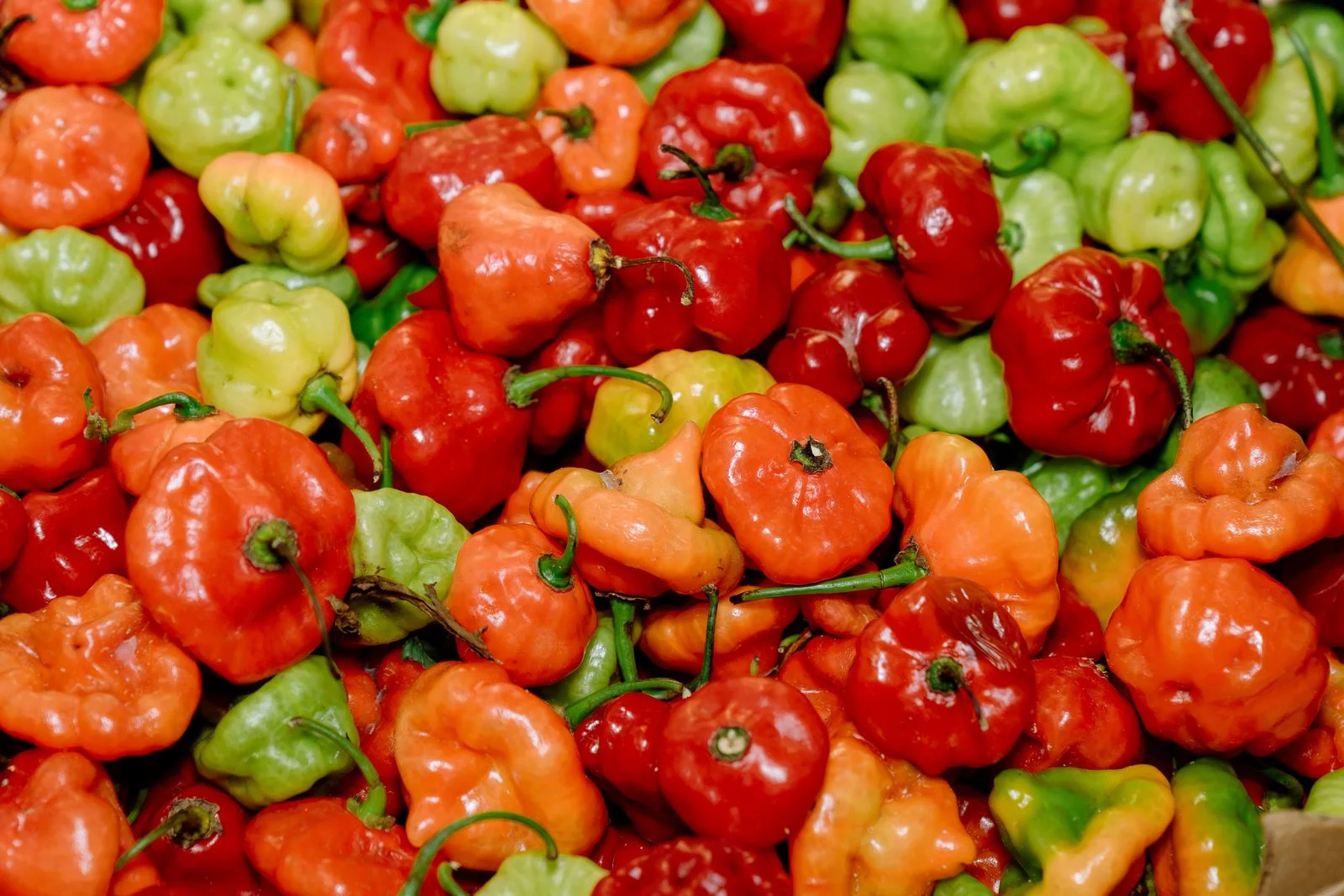
That mix is visible in the Thanksgiving table, where fresh ingredients and shelf-stable staples sit side by side. Huyke puts adobo on the turkey and builds the sides around sofrito. The seasoning comes in wet and dry versions; both bring together garlic, onion, peppers, and herbs. Pounding them in a wooden mortar called a pilón links Taíno tools and ingredients with later influences on the island’s cooking.
The history behind the pantry is less celebratory. Puerto Ricans became US citizens in 1917, and were made eligible for the draft weeks before the United States entered World War I. As many as 20,000 Puerto Ricans served in that war, and island residents have served in every US military conflict since. Military food traditions, government subsidies, and the demands of living on a storm-prone island all helped make preserved food a familiar part of local cooking.
Puerto Rico’s economy shifted from exporting sugar, coffee, and tobacco to industrial manufacturing. Today, about 85 percent of the island’s food is imported. Tinned corned beef, Vienna sausages, Spam, club soda crackers, and canned vegetables remain common staples. The number is striking, though it doesn’t tell the whole story of how households balance those products with what the island grows.
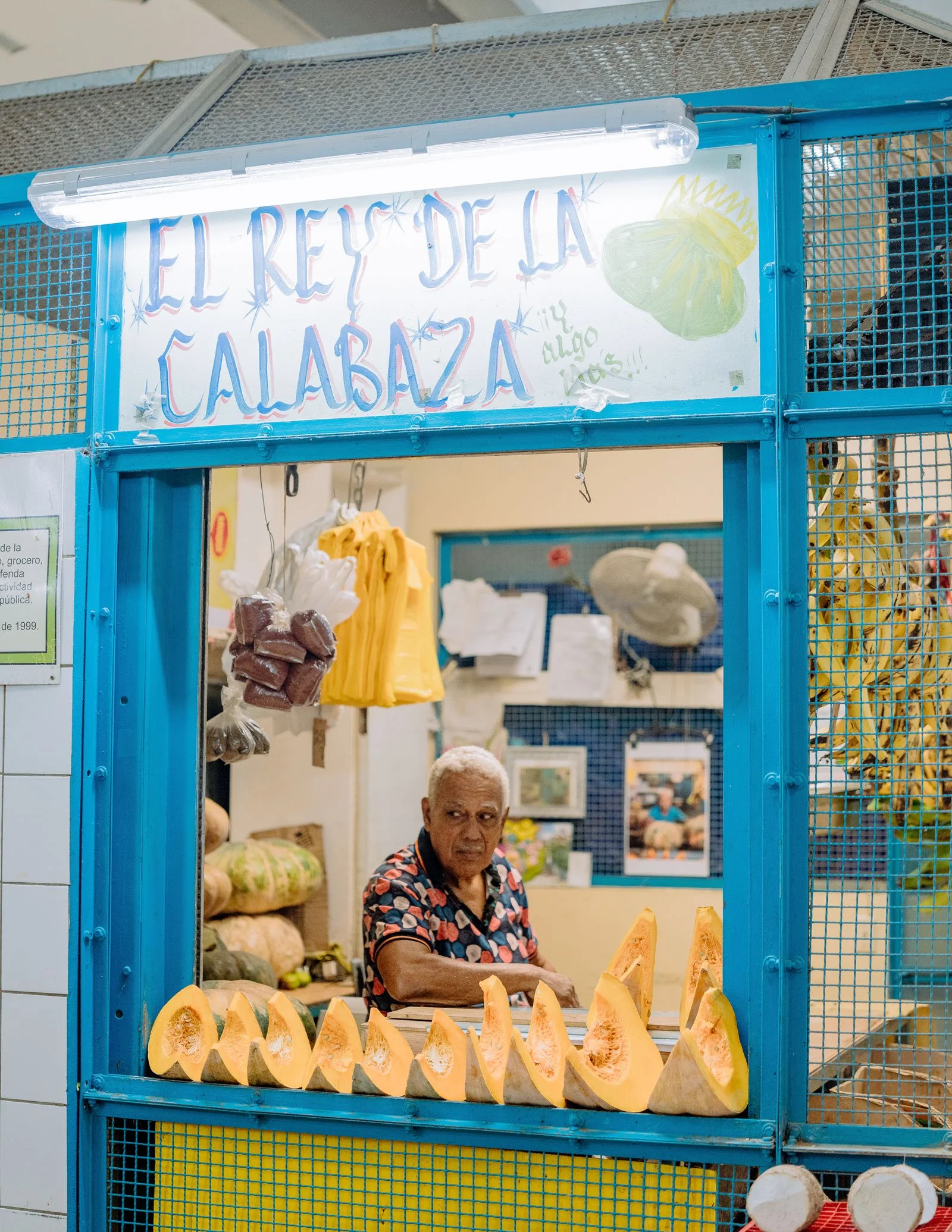
Huyke wants more of the cooking to start with fresh, regional ingredients. Her preference is partly about health, but also about flavor and history: maize, peppers, yuca, and other roots from Indigenous foodways, alongside plantains and coconuts introduced later. She isn’t arguing that the pantry’s processed staples have no place. She’s showing what gets lost when they become the default.
There’s a family story behind one of her holiday sides. Huyke’s father, Hector, encountered the military’s instant mashed potatoes while serving in the Korean War and refused to eat them afterward except at holidays. His wife, Alice, a trained cooking instructor, made her own version with yellow potatoes slowly simmered in cream and chicken bouillon, then whipped with butter. Huyke now serves a garlicky take on the dish at her Sanguiving table.
Cooking as a way to pass things on
Huyke prefers to explain her food at the stove. A few weeks after we met, she joined me in my North Carolina kitchen, talking through each choice as we cooked. Teaching has long been part of her work: she mentors younger chefs, including Natalia Vallejo, Puerto Rico’s first James Beard Award–winning chef, and makes time for phone calls with cooks starting out. I was glad to become one of her students.
Her Thanksgiving menu changes from year to year, but family recipes stay at its core. One is yuca stuffing, often pronounced “estuffing” in Puerto Rico. Huyke calls her family’s version Agüeybaná stuffing, after the Taíno chief who led the island’s people when the Spanish invaded in 1493. She peels and grates fresh yuca, then blends it into a paste. While she does that, I sauté sofrito in olive oil and add ground pork, salt pork, annatto, herbs, and aromatics. The mixture goes into a deep baking dish.
Next is pastelón, a layered casserole of fried sweet plantains and creamy queso fresco. Huyke says the dish likely emerged in New York City, where Puerto Rican and Italian communities lived near each other. “The Puerto Rican and Italian diasporas were physically close in New York during the ’50s—they were exposed to lasagna and mozzarella,” she explains. Its origin isn’t fully settled, but the resemblance makes sense: migration has always shaped the island’s table.
For another side, Huyke turns pigeon peas, or gandules, into a tangy salad with tomatoes, avocado, herbs, and vinaigrette. Arroz con gandules—rice with pigeon peas—is Puerto Rico’s national dish and a standard at Thanksgiving, but this escabèche-style preparation gives the crop a different role. She also replaces the canned beets familiar from many island tables with roasted local beets and crumbled queso fresco.