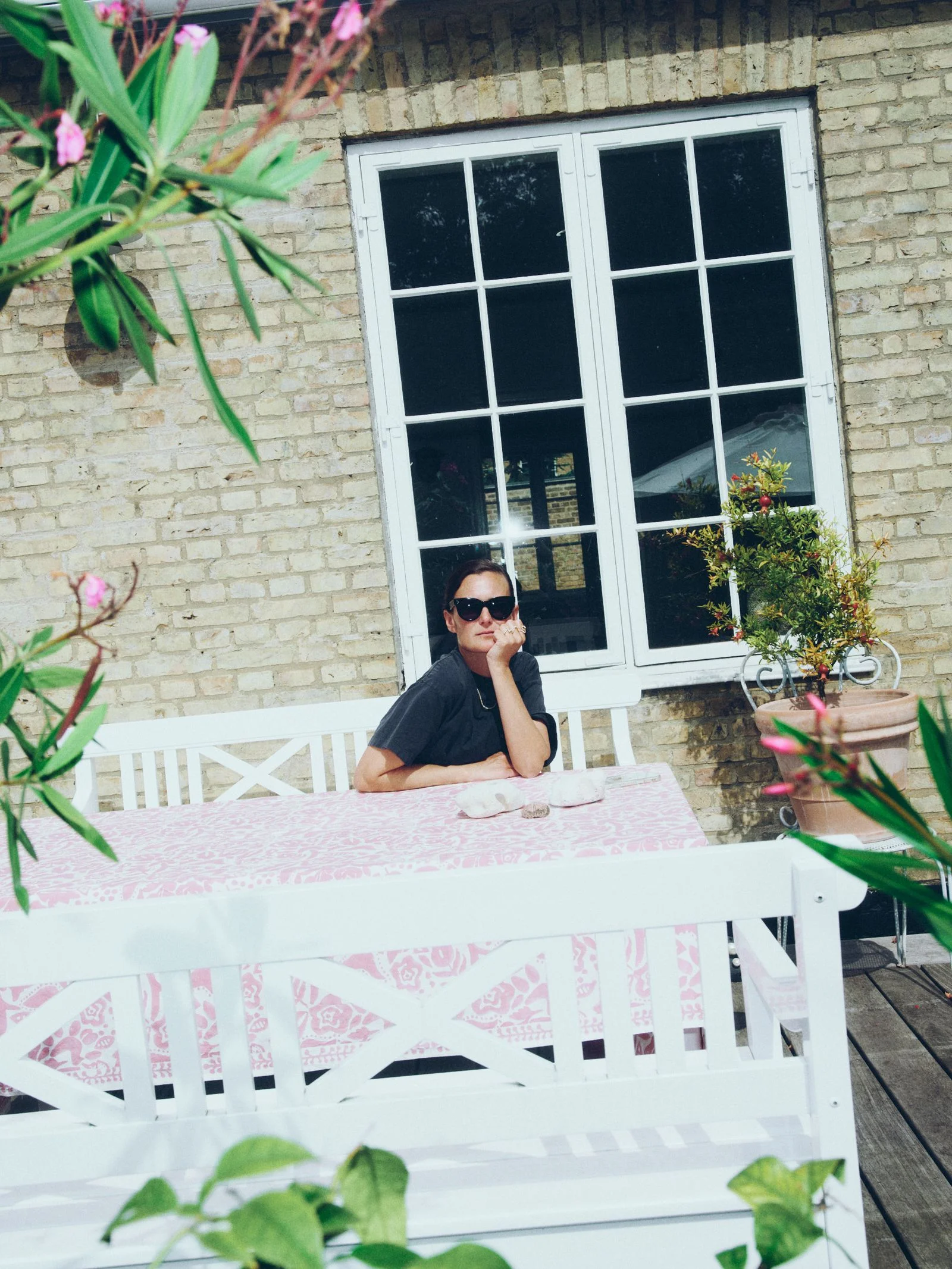
Inside Jewelry Designer Sophie Bille Brahe’s Copenhagen Home
|
5 min read
A home built around what lasts
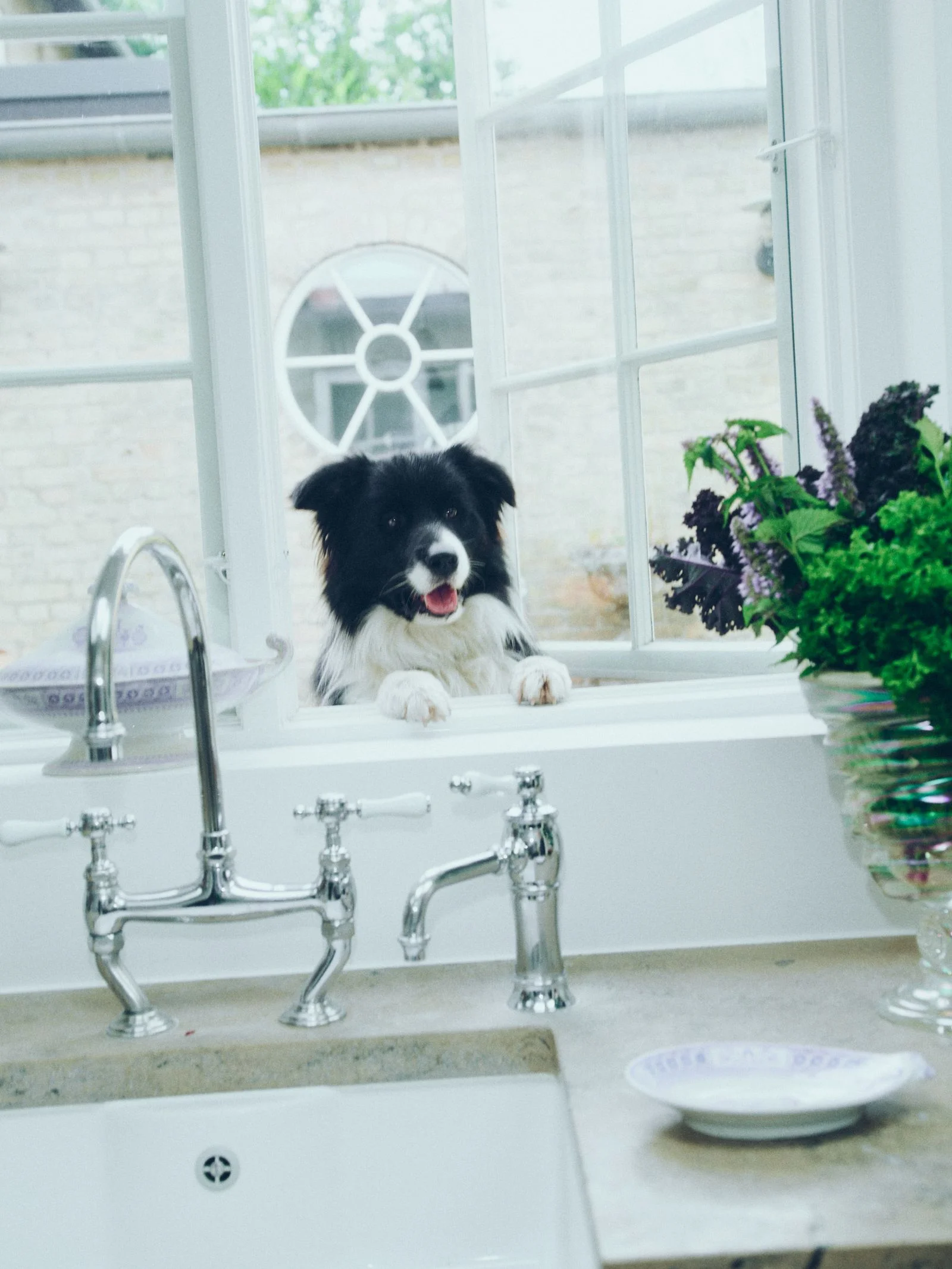
Sophie Bille Brahe’s house gives you a useful clue to how she works: ideas start with attention to place and objects, then move to the workshop. The jewelry designer is in Copenhagen at dusk when she tells Angela Tafoya she’s about to swim in the sea before dinner. That daily dip is part of why she chose a five-bedroom, three-bathroom home about 20 minutes north of the city center. Designed by Danish architect Ib Lunding in 1929, it stands among similar houses on one of three small streets in the area Danes call the “flower neighborhood.” The setting matters as much as the house. “I open up my window and I can see trees. I can smell the sea,” Bille Brahe says. “For me, that’s very important to have in my life every day.” It’s a precise account of what the home offers: a sensory pause from the city, and a place shaped around family life with her children and border collie.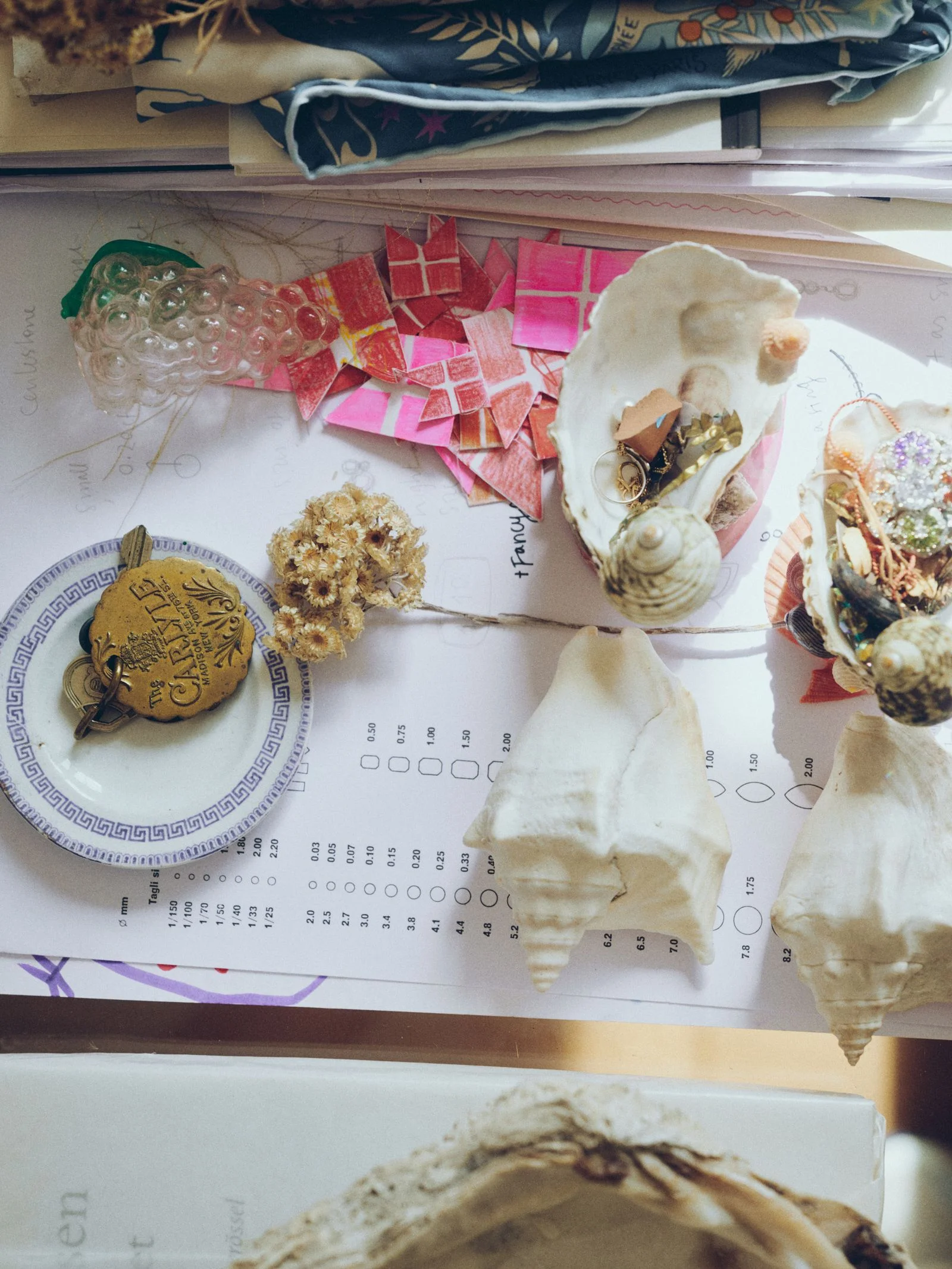 That domestic calm also serves a practical purpose. Bille Brahe often sketches jewelry at home before taking a design to the workshop. She describes catching “these sensations, these small ideas” and making them more concrete in drawings. Early on, she works by herself: “I need to be able to make really ugly things or really great things,” she says. “I need a bubble around me.”
Objects with a history
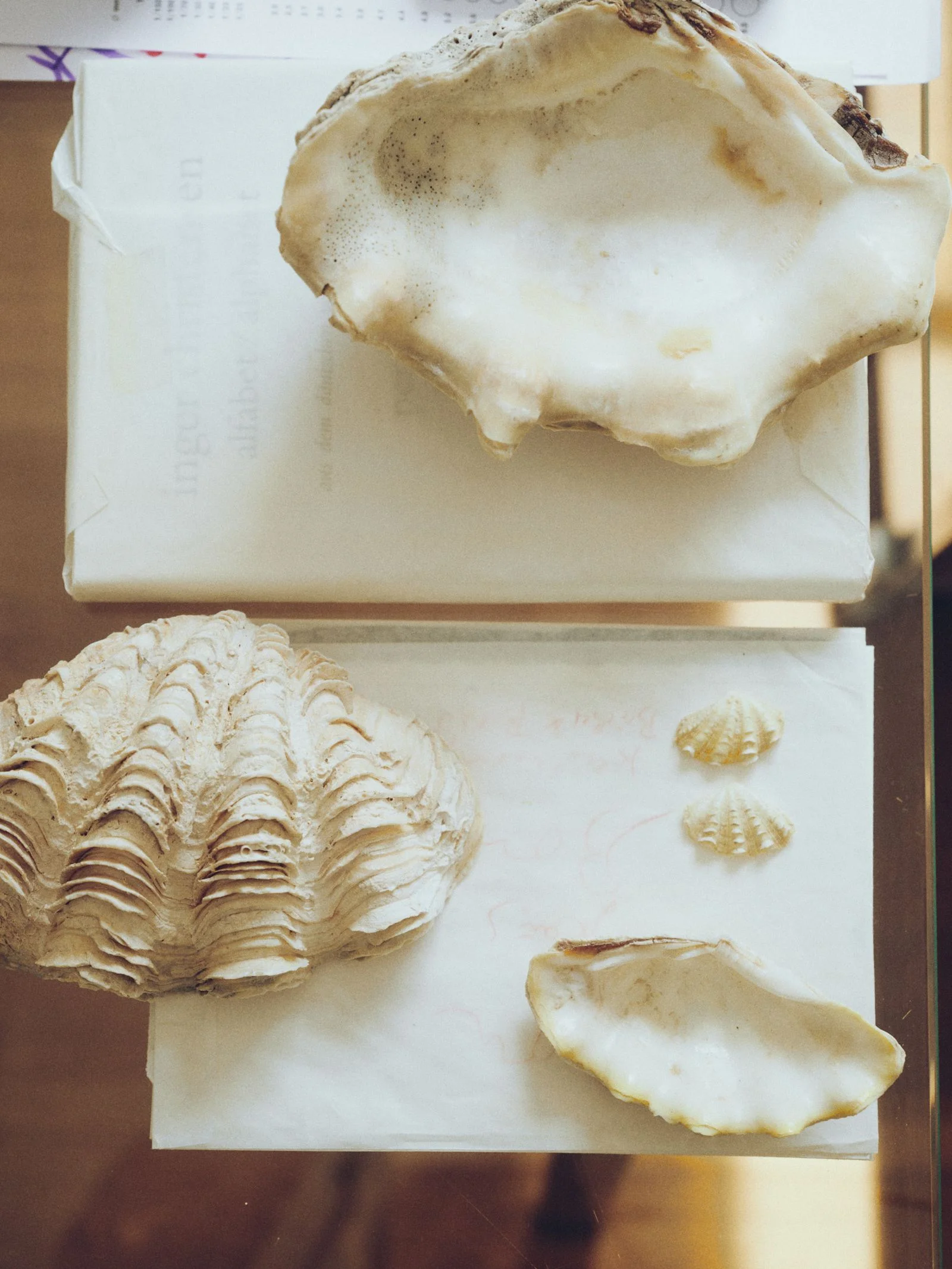
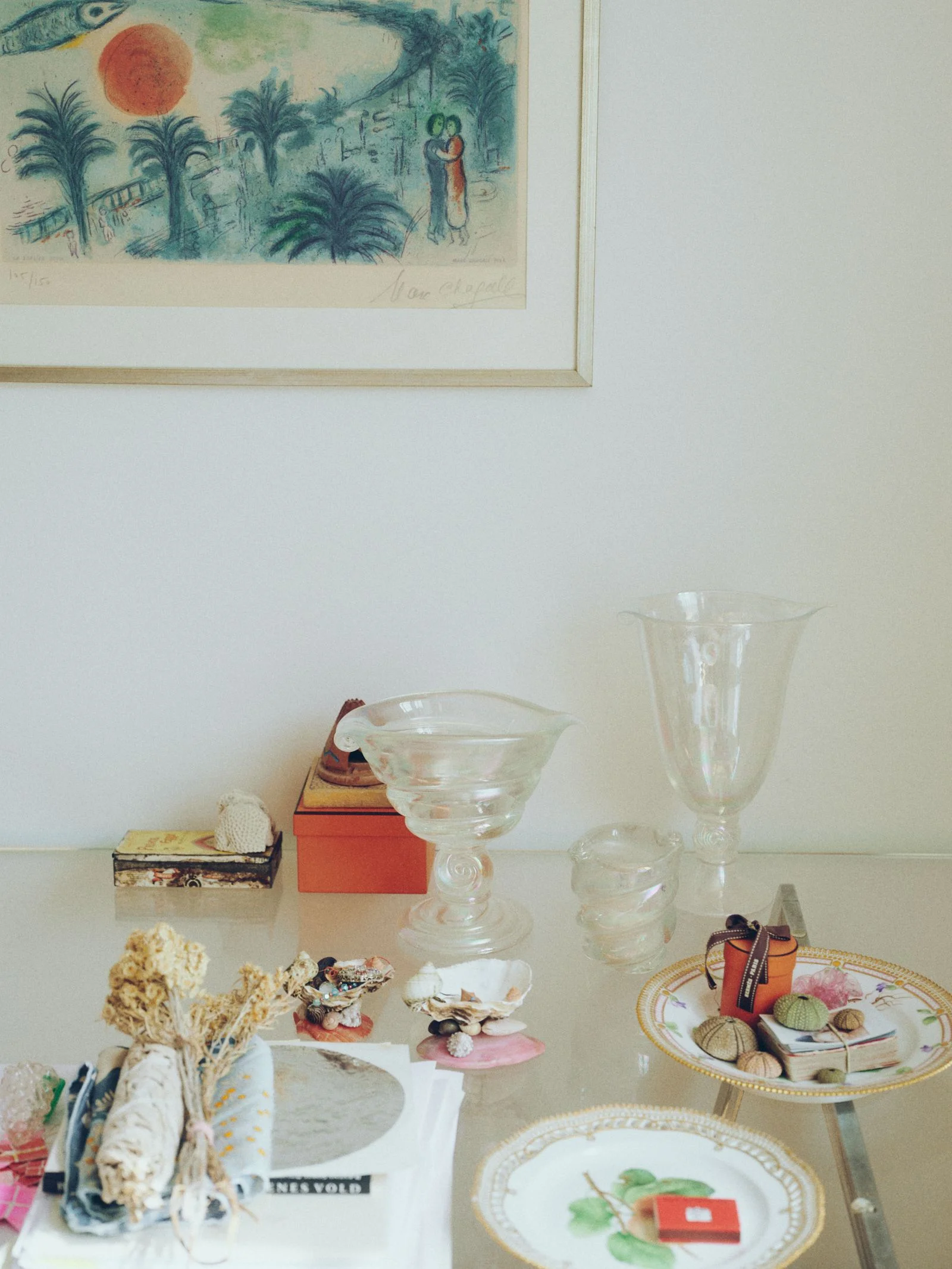
Her workspace is an all-white room anchored by a Swedish fireplace from the 1870s, installed after she moved in. Its gold detailing caught her eye, but she also values what a fireplace can mean for a household: “A fireplace has a way of gathering family and speaks to a house built with love.” Nearby is a desk that belonged to her father’s best friend, a piece she says she loved from childhood. “It’s basically where everything I make starts.” The room’s furnishings connect her private life to her business. A curved stainless-steel chair by Mats Theselius, upholstered in Sahco zebra fabric, also appears in her New York showroom. On and around the desk are Marc Chagall’s *Soleil Couchant*, a Le Klint lamp, a neon work by Gun Gordillo, seashells, sketches, and notes. Through an opening, the dining room centers on a Børge Mogensen Øresund table, ringed by Gio Ponti chairs and topped with sunflowers.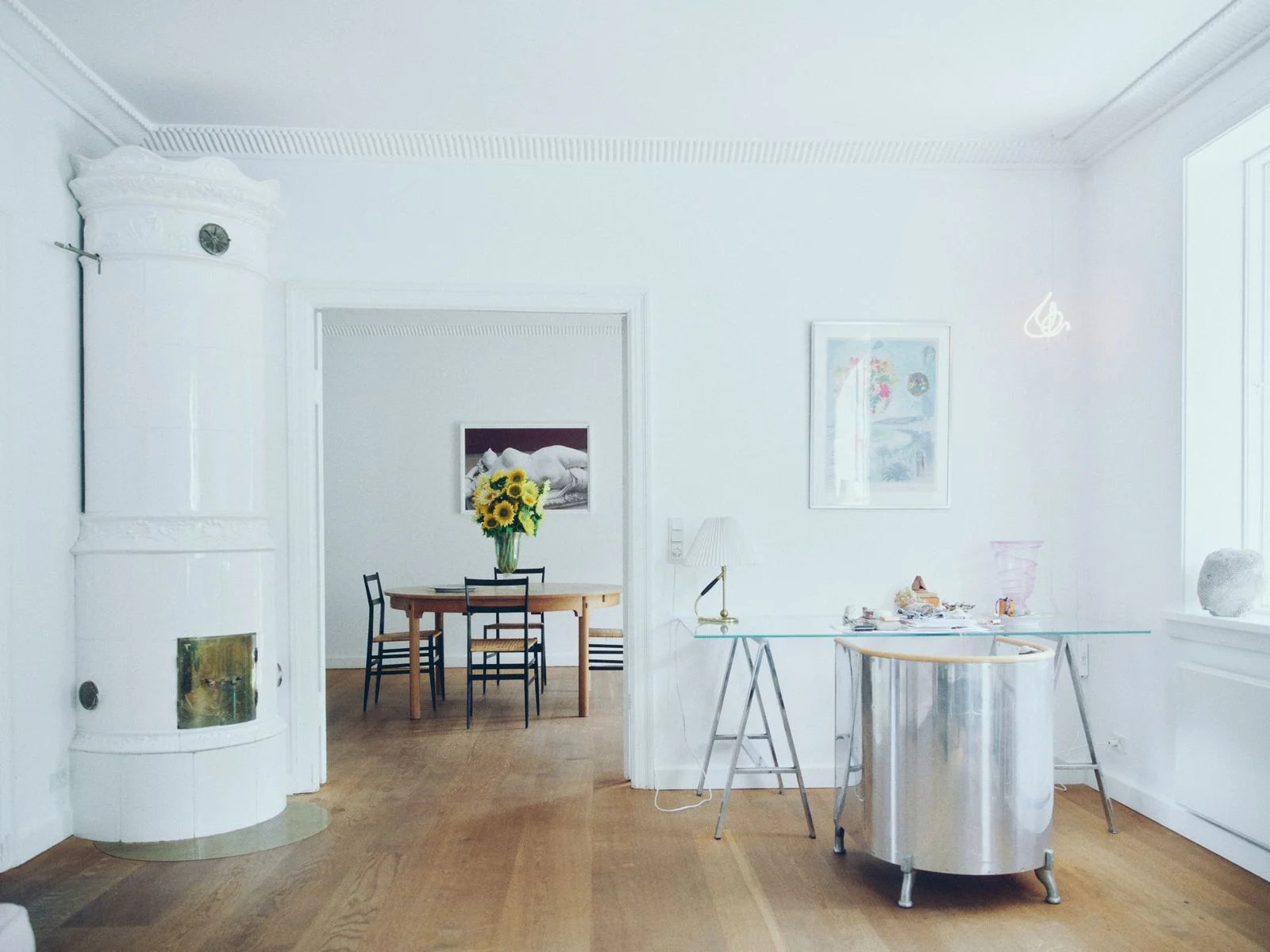
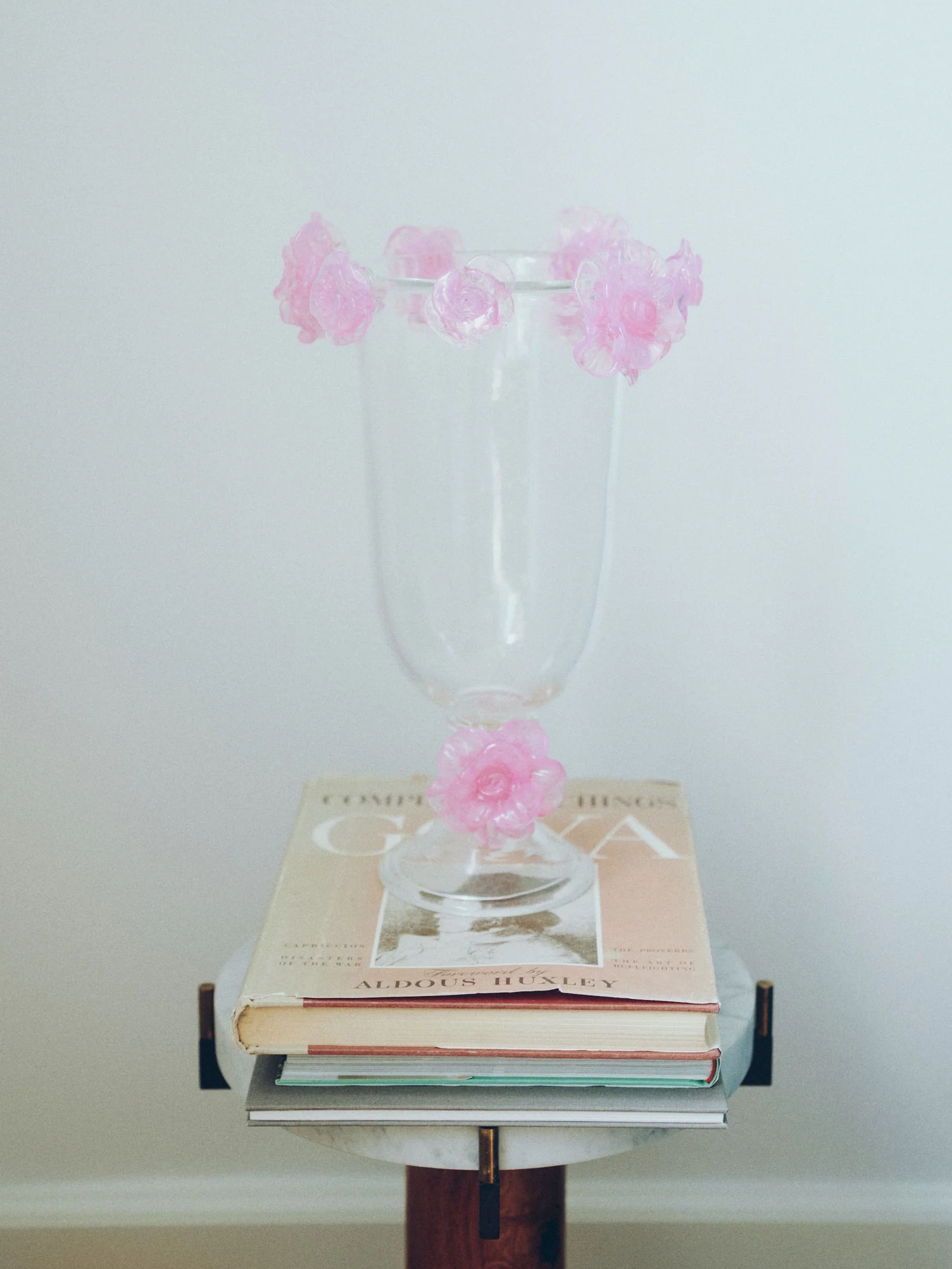
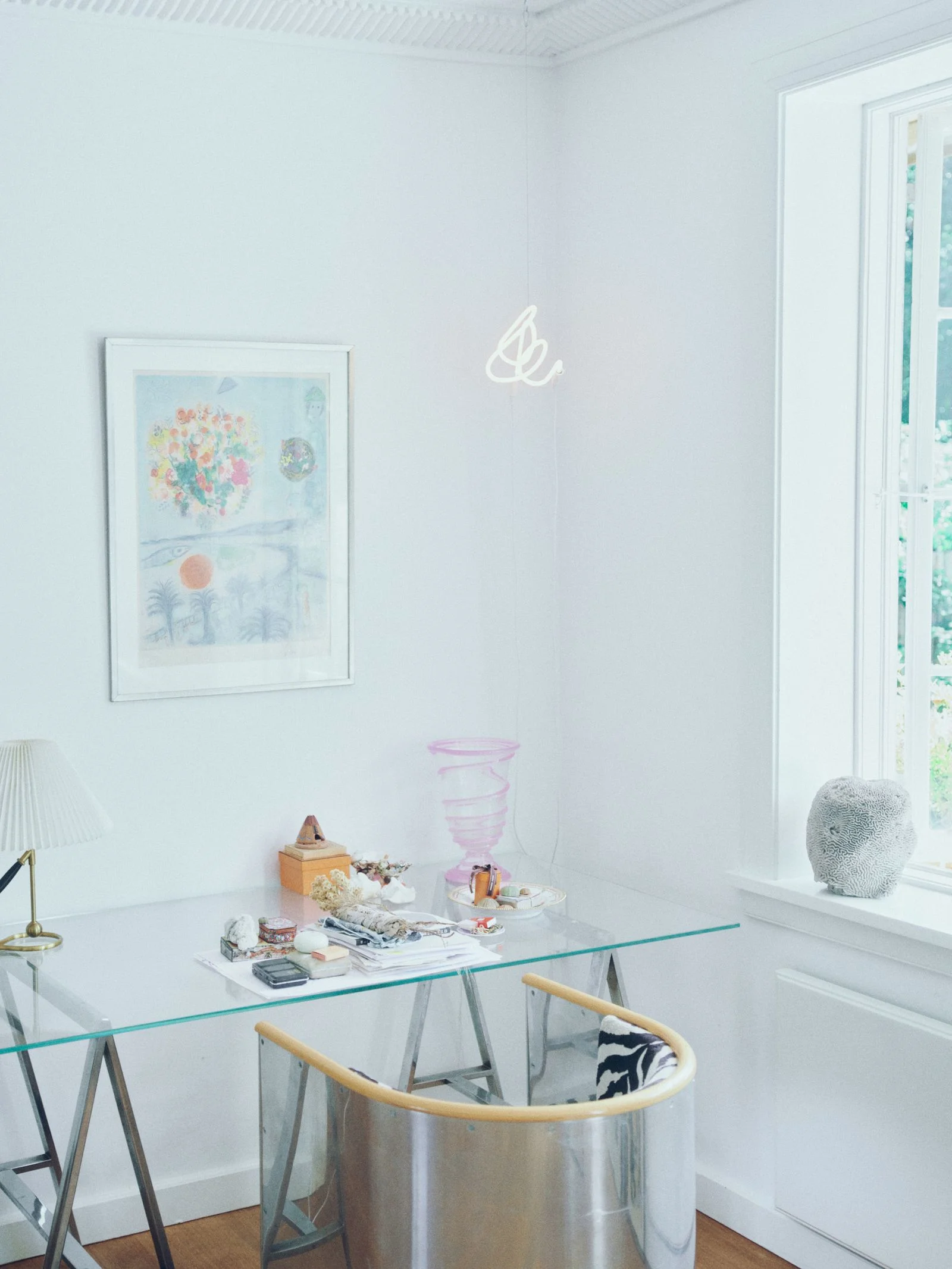 That sense of considered accumulation carries into her boutiques. In Copenhagen, she sought out unusual Danish furniture and began making vases in Murano. In New York, she found a rare Poul Kjærholm table: square, with a gray leather top, rather than the round marble version many Danes grew up eating breakfast at. At home, she took the same patient approach, choosing pieces gradually and looking for a personal connection in each.
“It took me many years to find a sofa,” she says. The prospect of buying something new and widely available could almost bring on a panic attack. “Everything I have in my home I’ve inherited, borrowed, or a friend made for me. If something doesn’t have a story, it doesn’t belong.”
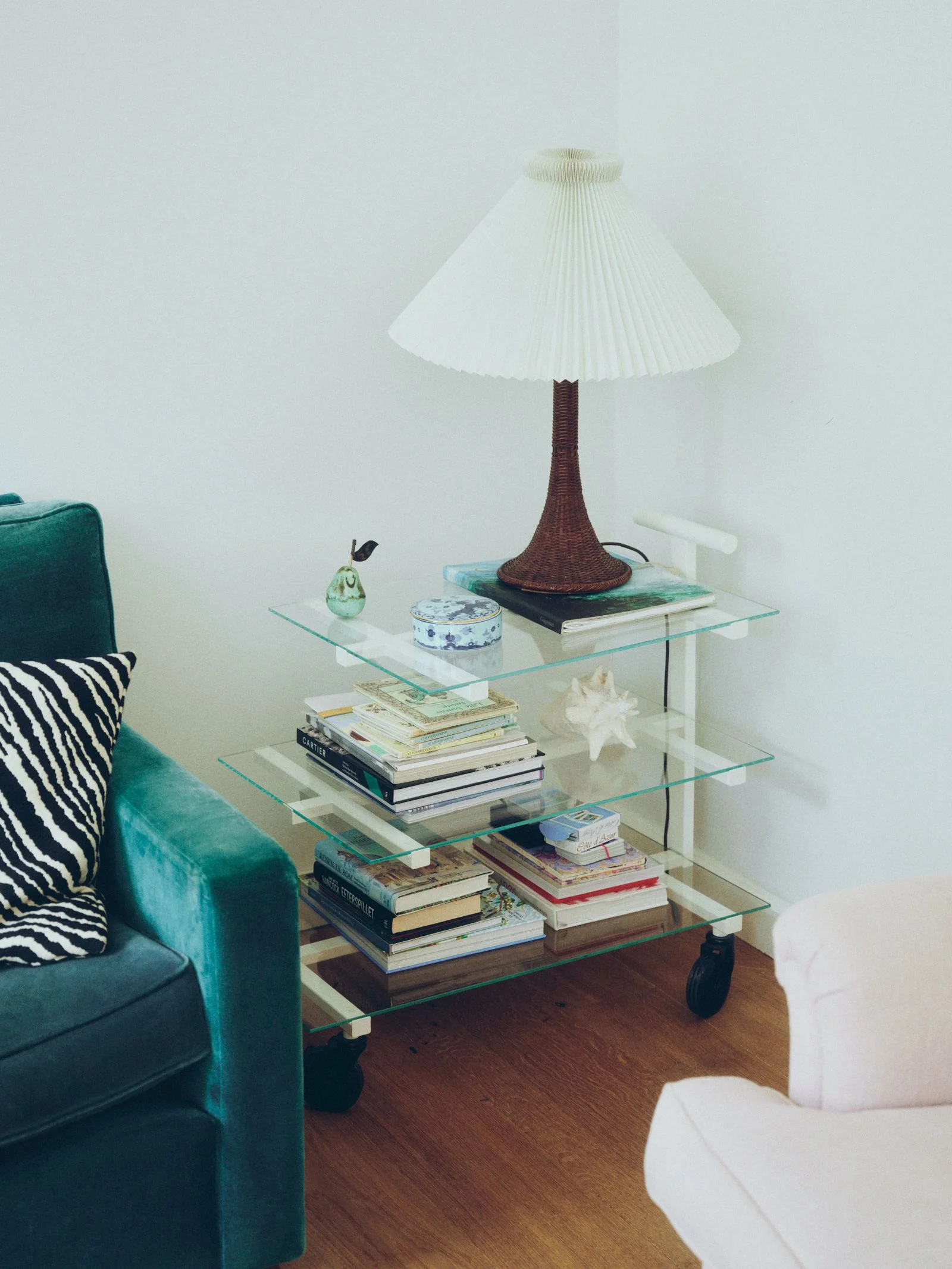
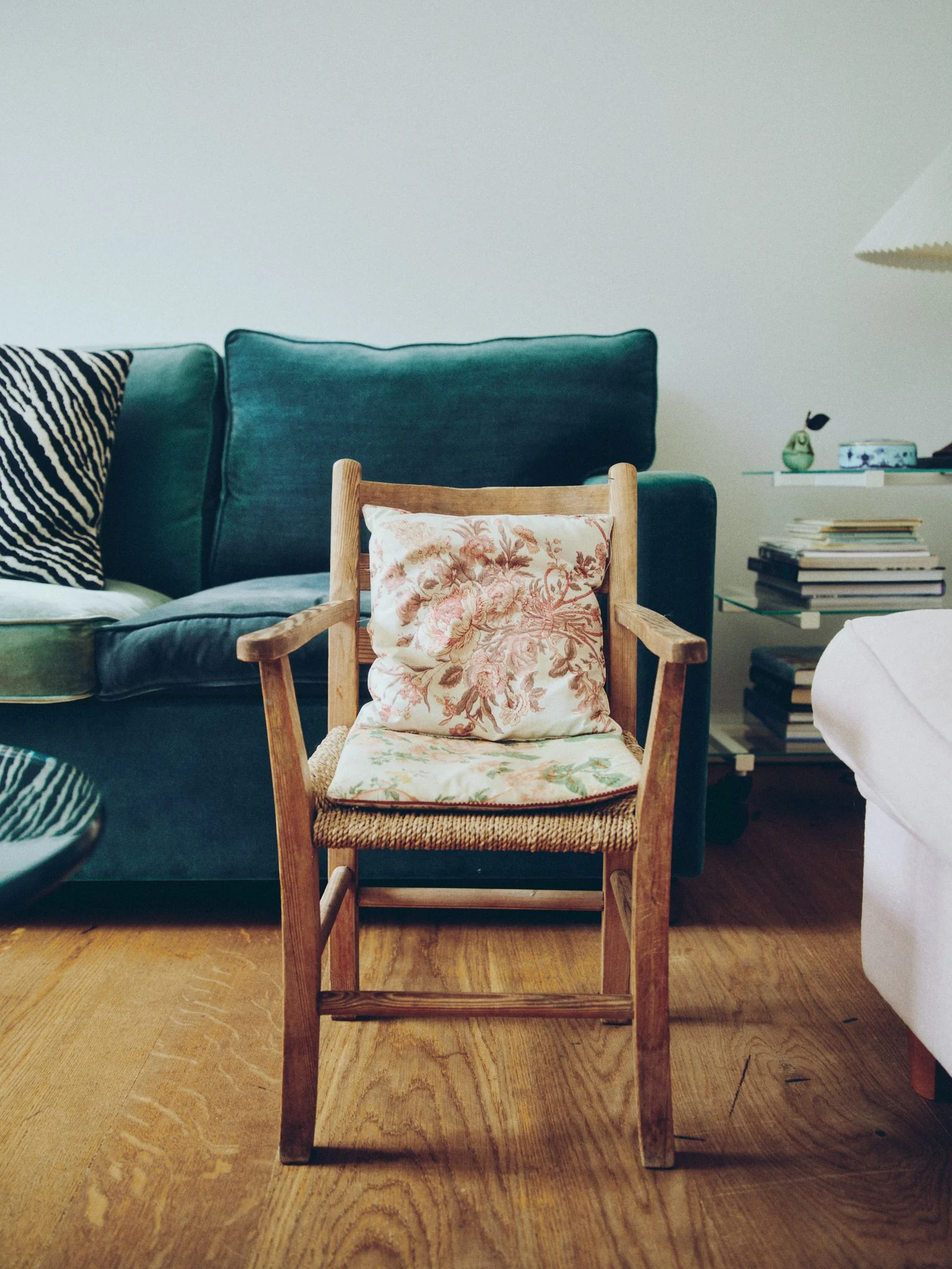
 In the living room, a jewel-toned Svenskt Tenn sofa is covered with pillows given to her by visiting Swedish friends. Beside it, a slim trolley-style table holds books, a seashell, and a lamp inherited from her grandfather. Most of the house’s lighting came through inheritance; the exception is a collection of Noguchi lanterns she brings back from Japan one at a time. Another Japanese find sits beneath a pink painting by Danish artist Tal R: the Nextmaruni Armless Chair by SANAA, the architect duo, better known as the Rabbit Chair for its ear-shaped back.
The throughline is clear. For Bille Brahe, a home’s objects aren’t just decoration; their histories are part of the design. That may sound like a personal preference, but it also explains how a creative workspace can feel lived in rather than staged.
Article details
The story is by Angela Tafoya, published November 3, 2026, in Vogue’s [Homes section](/living/homes). The lead photograph is credited to Philip Messmann. Sophie Bille Brahe is a jewelry designer.A home shaped by daily life
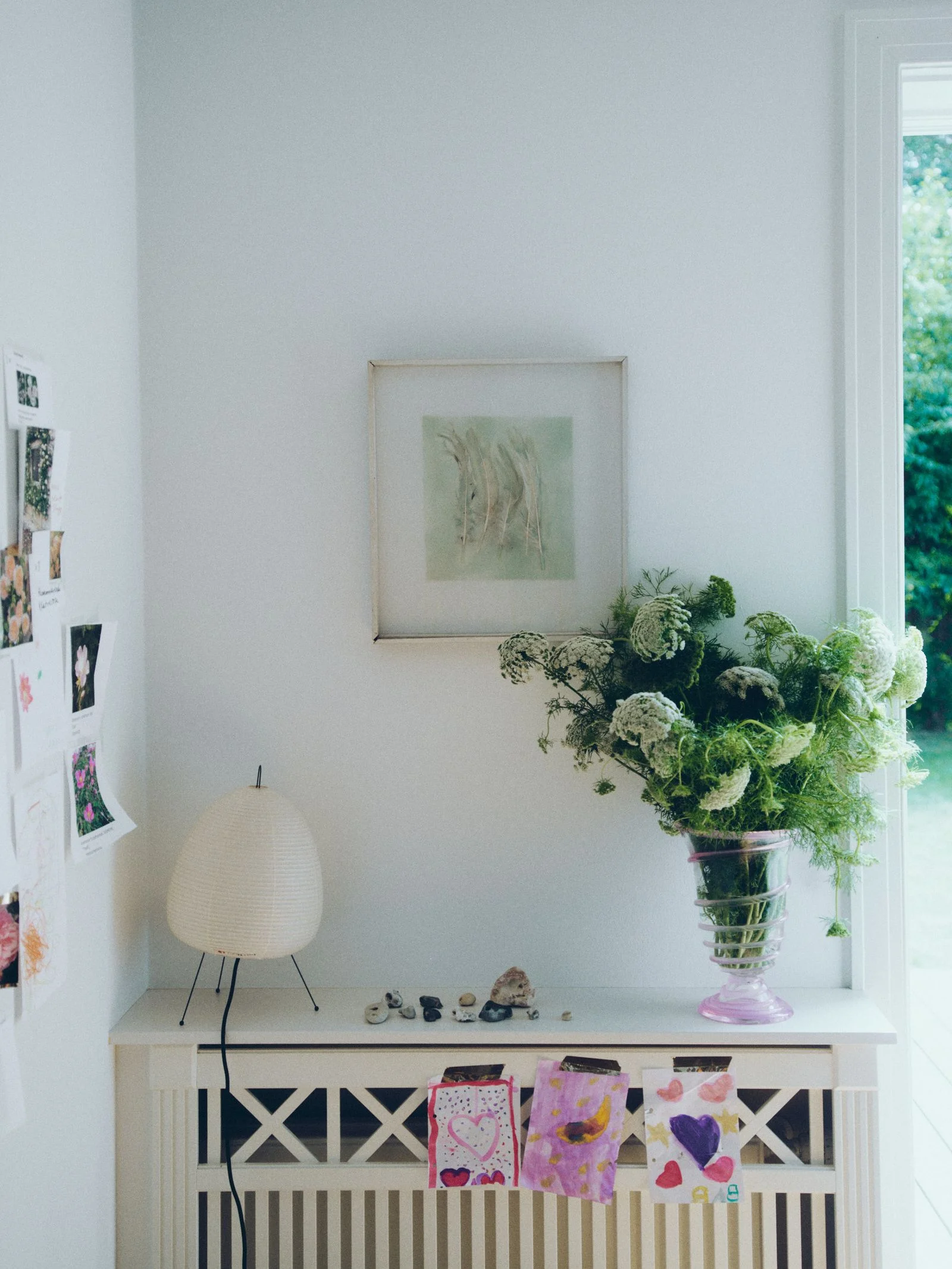
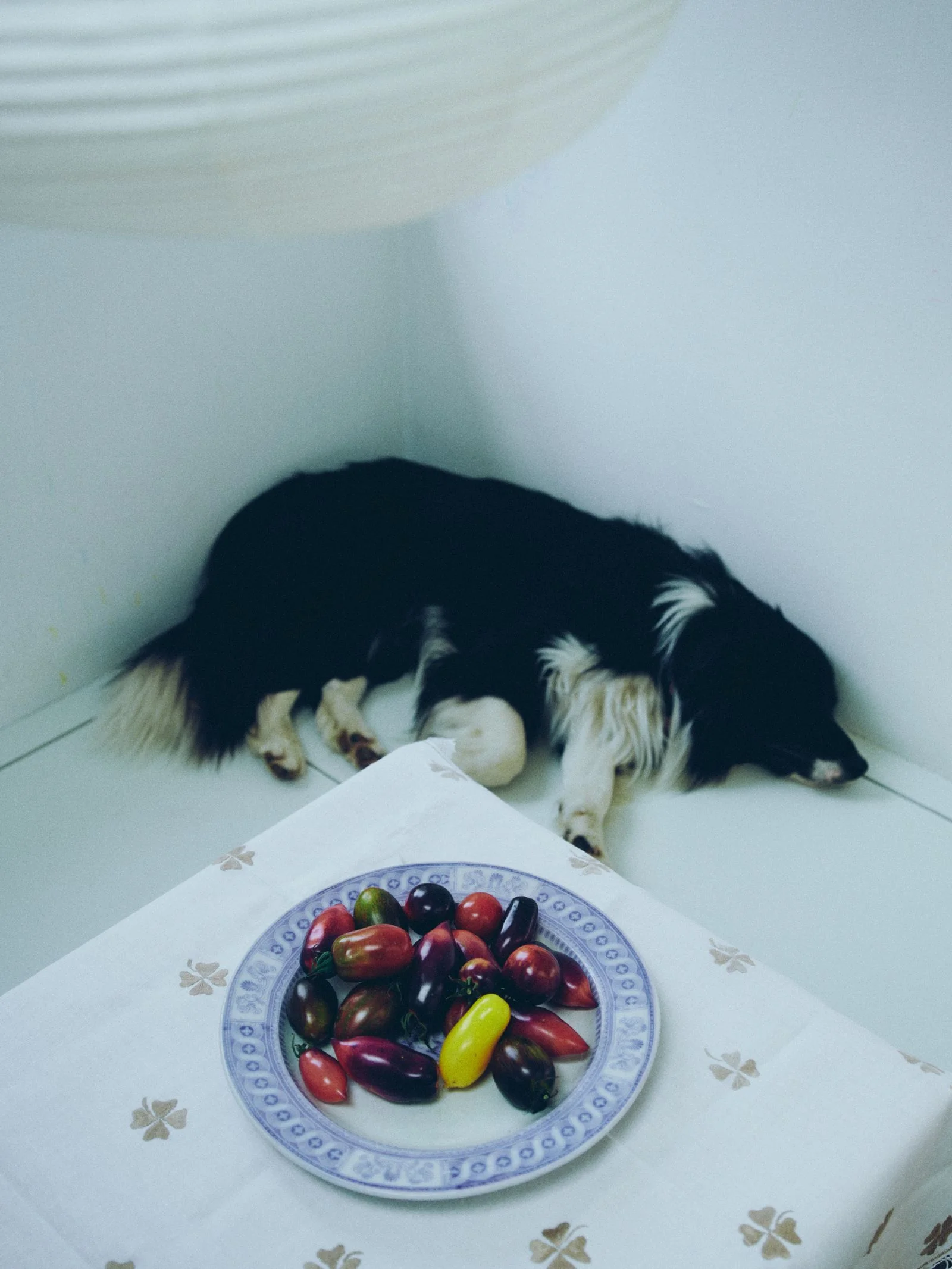
The house’s success is measured in ordinary routines. Bille Brahe says it never feels empty, and she loves family life with her children. In the compact kitchen, mornings mean coffee, breakfast, and—when the weather cooperates—an open door to the garden. She cooks often, so the room has to handle a lot with little space. Children’s drawings, embroidered tablecloths, and a light pendant give the practical room its warmth.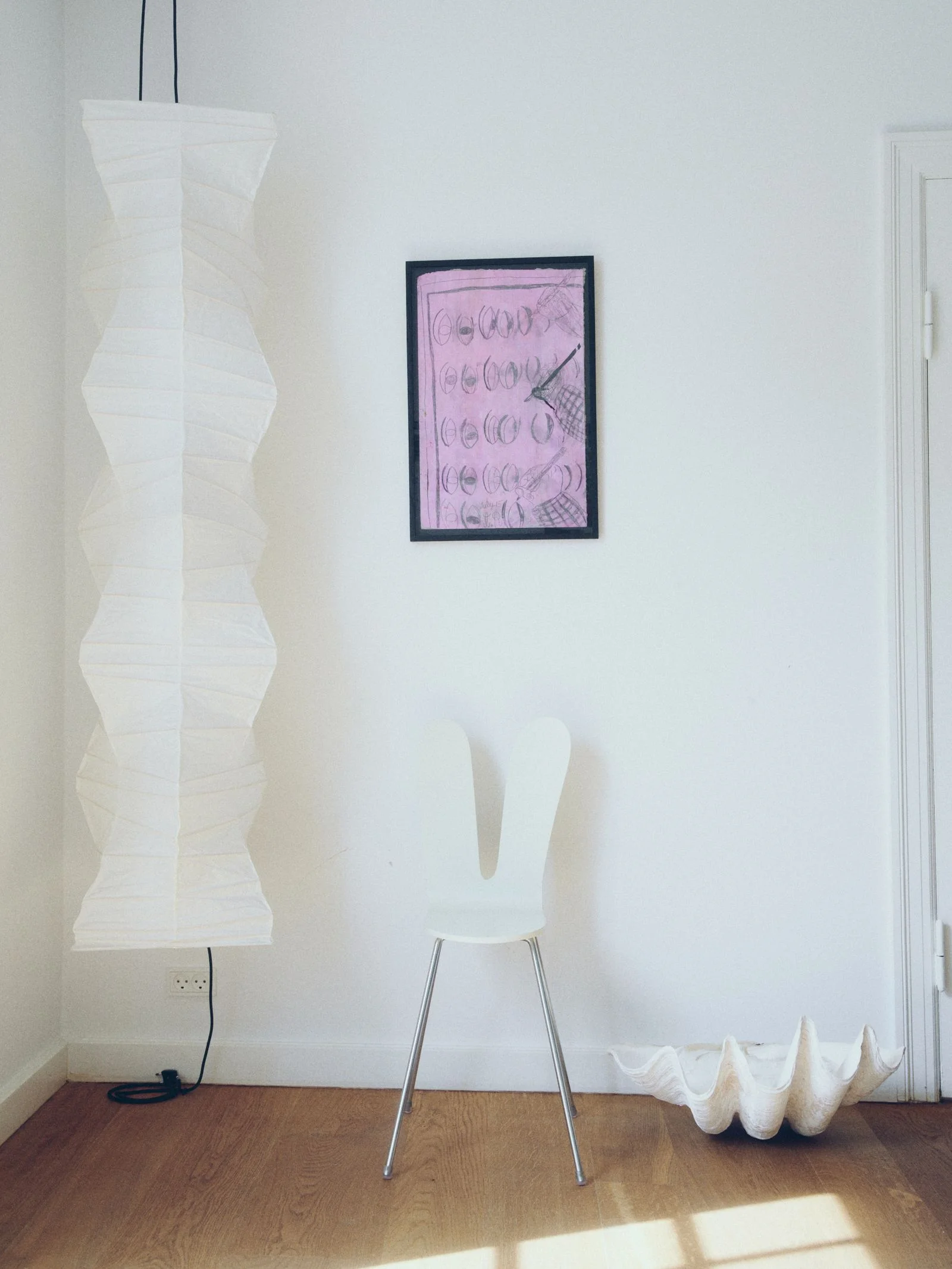
Enough, close at hand
On the terrace, the plants are less decoration than a record of time. Brahe has kept each one for at least 15 years, including a pomegranate tree that has moved with her from home to home and pink nerines, known as “autumn flowers.” She has a story for every plant. Her idea of abundance is deliberately simple: trees nearby to smell, the sea close enough to hear. “I’m not a person who needs a lot,” she says. “I just need something close and clear, and if I have that, I can do what I need to do.” The point isn’t a grand design statement. It’s a home arranged around what matters to the people living in it.