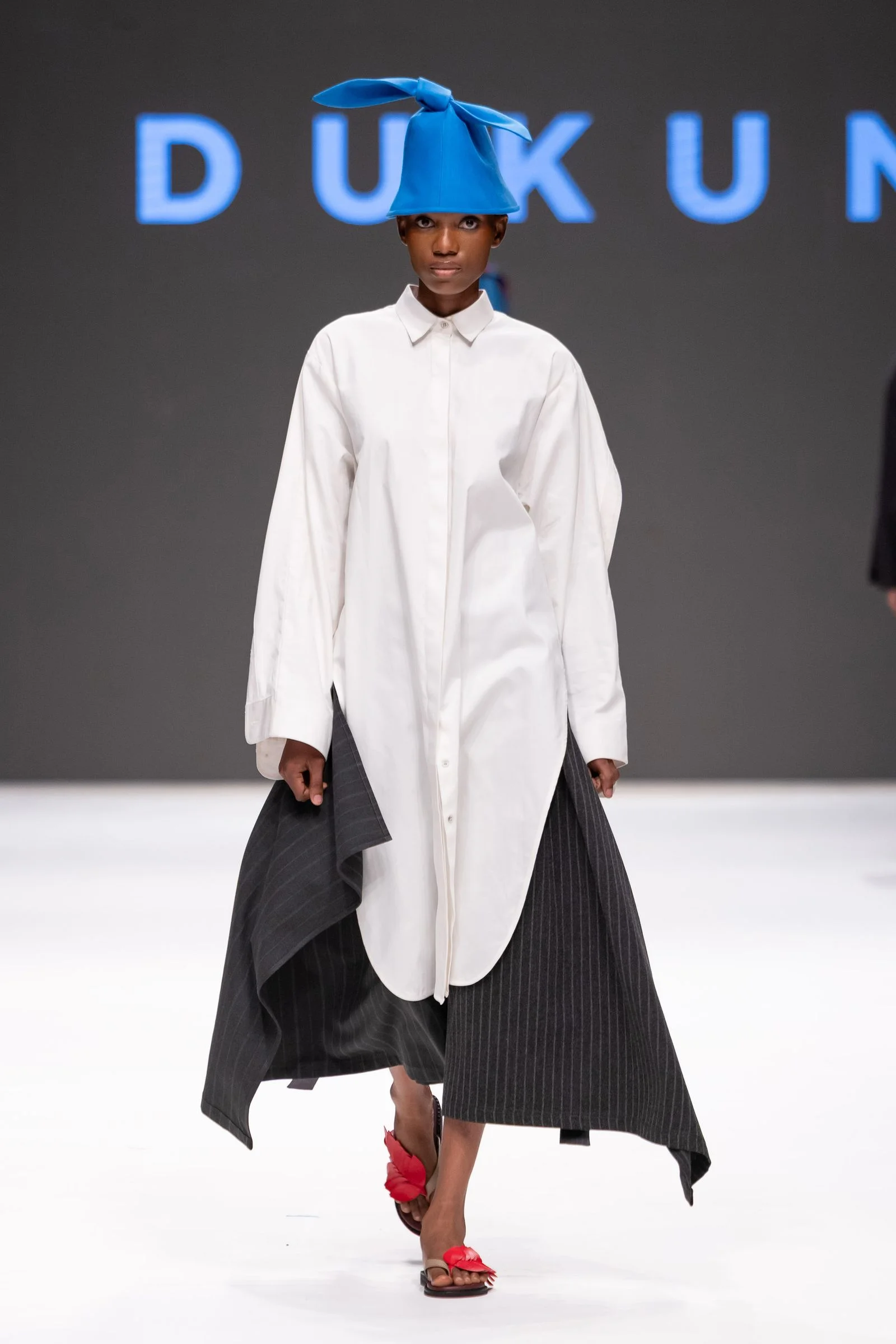
Lagos Fashion Week Connects Nigerian Designers With Global Fashion Audiences
3 Key Takeaways From Lagos Fashion Week
Fashion Month | By Ezreen Benissan | November 3, 2026

Lagos Fashion Week street style. Photo: Stephen Tayo
The clearest signal from Lagos Fashion Week this season wasn’t simply the bigger crowd. It was the way the event is connecting local designers to international attention while giving established African labels reasons to return. That’s a more consequential measure of the week’s reach than a packed schedule alone.
About 16,000 people attended the five-day event, compared with 15,000 last season. Some 65 designers presented to press, influencers, and other industry figures. The week ended Sunday with an intimate dinner hosted by Nigerian designer Lisa Folawiyo, back on the official calendar after seven years away.
Local designers held the center
Nigerian talent shaped much of the program, across both the official schedule and events around Lagos. Shows on the main calendar took place at the Federal Palace Hotel; off-schedule presentations unfolded elsewhere in the city. Regulars Emmy Kasbit, Ugo Monye, and Sisano used a mix of runway shows and presentations. Hertunba paired its runway appearance with a welcome at its new stores, while LFJ staged its Spring/Summer 2027 show at its concept store, Akoko.
International bookings haven’t severed ties with Lagos. Iamisigo, which showed in Copenhagen, and Orange Culture and Fruché, which presented in Berlin, remain part of the Lagos Fashion Week calendar. That commitment matters: a designer’s international profile can bring attention home, but the local platform still needs to be useful to the designers themselves.
Now in its 16th edition, the event is drawing more visitors from abroad. Buyers and media came from the Middle East and nearby African markets, including Senegal and Ghana. US influencers and models Eni Popoola and Alton Mason also attended.
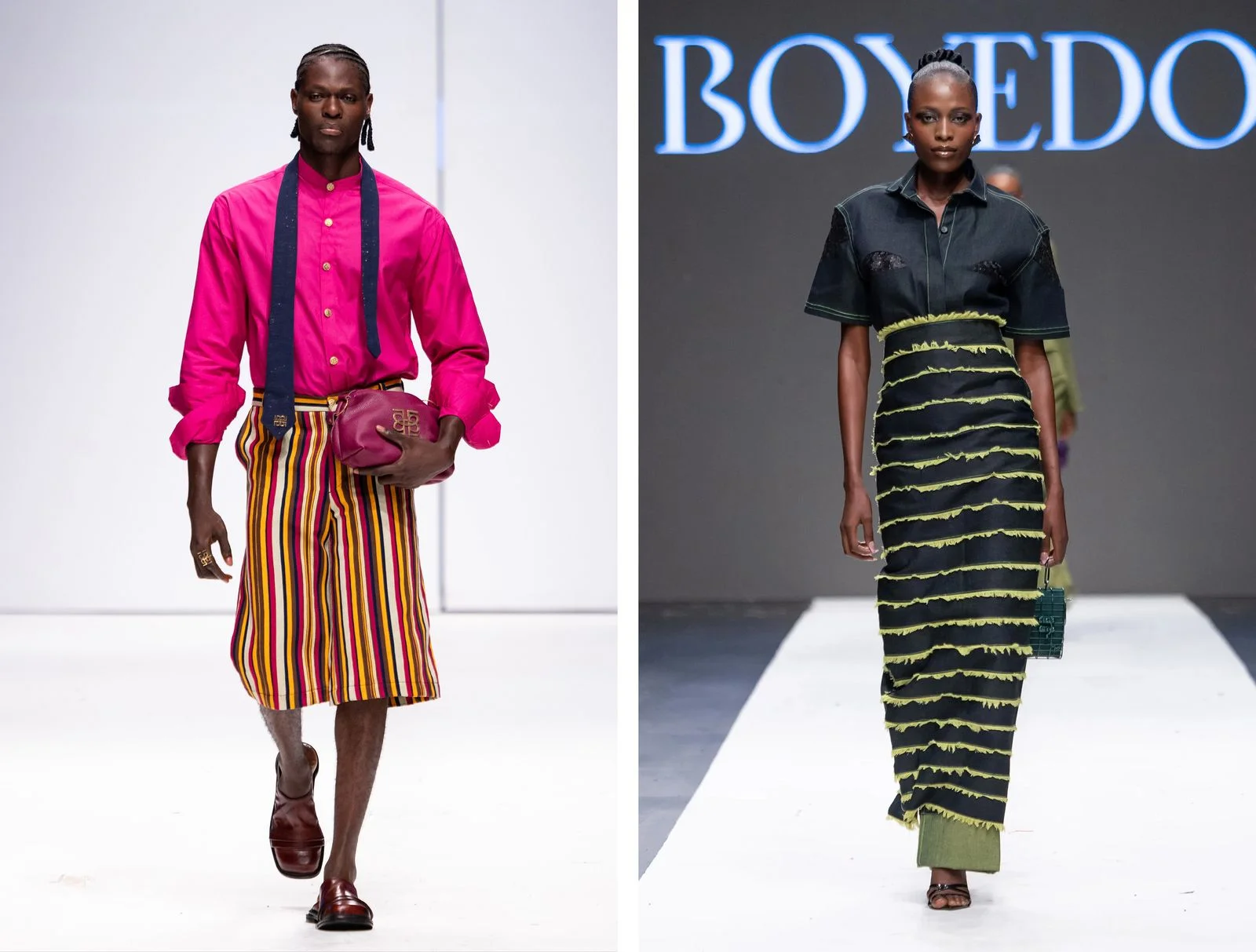
(Left) Jermaine Bleu, and Boyedoe (right). Photo: Kola Oshalusi
That growing reach has a commercial dimension. At a gathering at the US General Consulate, Lagos Fashion Week founder Omoyemi Akerele received an Excellence in Commercial and Creative Leadership Award from Consul General Brandon Hudspeth. Among the guests were Chioma Ude, founder of the Africa International Film Festival; Popoola; influencer Akin Faminu; and designer Ejiro Amos Tafiri.
Hudspeth said Akerele had built “a platform that brings Nigerian fashion to the world.” He cited American talent showing in Lagos, including US label Tia Adeola and Studio 189, co-founded by actor Rosario Dawson, and recalled singer Ciara’s appearance at fashion week the previous year.
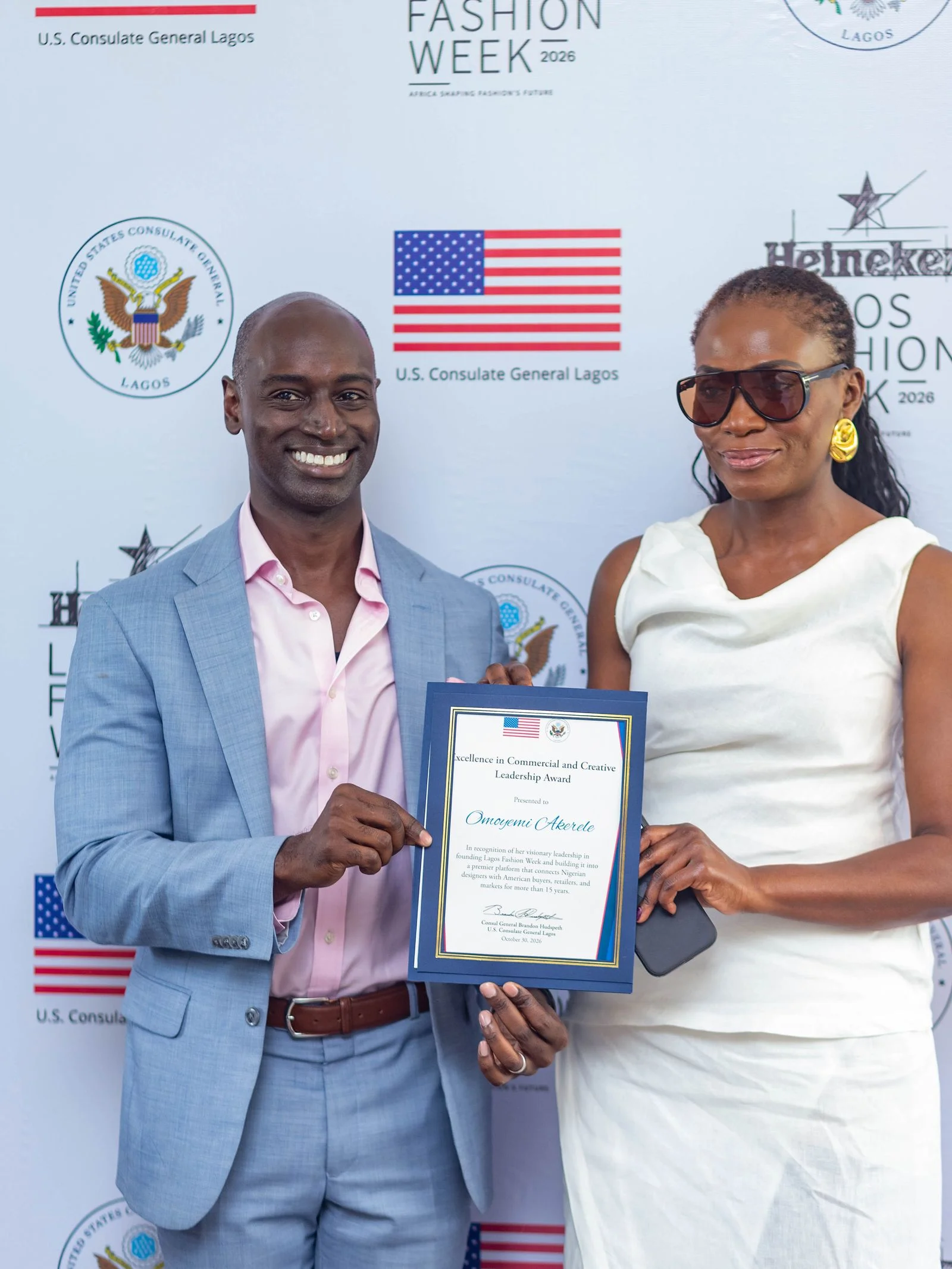
Omoyemi Akerele, founder of Lagos Fashion Week, receives an award from Brandon Hudspeth, the Consul General. Photo: Kola Oshalusi
Hudspeth also pointed to business links beyond the shows: New York-based e-commerce platform Moda Operandi runs digital trunk shows for Lagos Fashion Week designers, and trade show Coterie has featured local labels. “Nigerian designers are reaching American customers, and that creates business for Americans and Nigerians,” he said. He described the work as “cultural diplomacy” and “commercial diplomacy.” The two go together here, though the fragment offers no figures on how much revenue these connections generate.
Established names are coming back
Several designers with more than 20 years in the industry returned to the schedule, including Ghana’s Christie Brown and Nigeria’s Lisa Folawiyo and Bridget Awosika. Folawiyo, whose brand turned 21 this year, said she had considered the return carefully and felt “this is the right time.” Her label closed the week with a candlelit, five-course dinner for a small group of celebrities, influencers, friends, and industry figures.
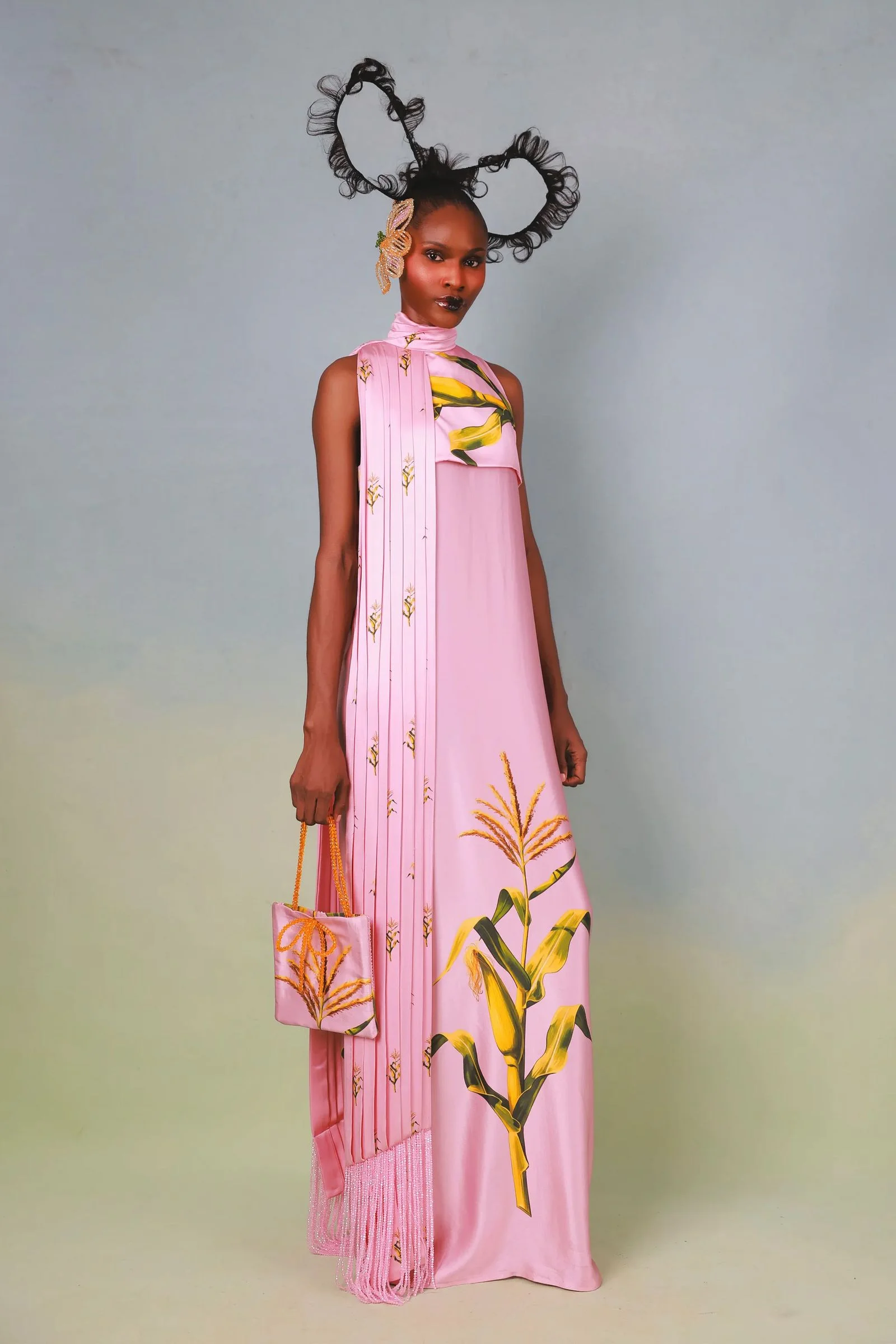
Lisa Folawiyo SS27. Photo: Vogue Runway
For Aisha Ayensu, Christie Brown’s return after an eight-year break fits a broader plan to expand across Africa while building a global brand. She named Kenya, Côte d’Ivoire, Nigeria, Ghana, and South Africa as markets where the label wants a presence, and described its Lagos comeback as a cautious re-entry. A six-month residency at luxury retailer Temple Muse gives Lagos customers a place to shop the brand.
Ugo Monye also returned after a year away. He described the pressure designers face to keep producing while the business operations behind a label can go unattended. Monye and other African designers may release one collection a year, rather than the four or more seasons common among Western designers; he said work from two seasons ago is still selling. That’s a useful reminder that a fast fashion calendar isn’t the only measure of demand—or a sensible pace for every business.
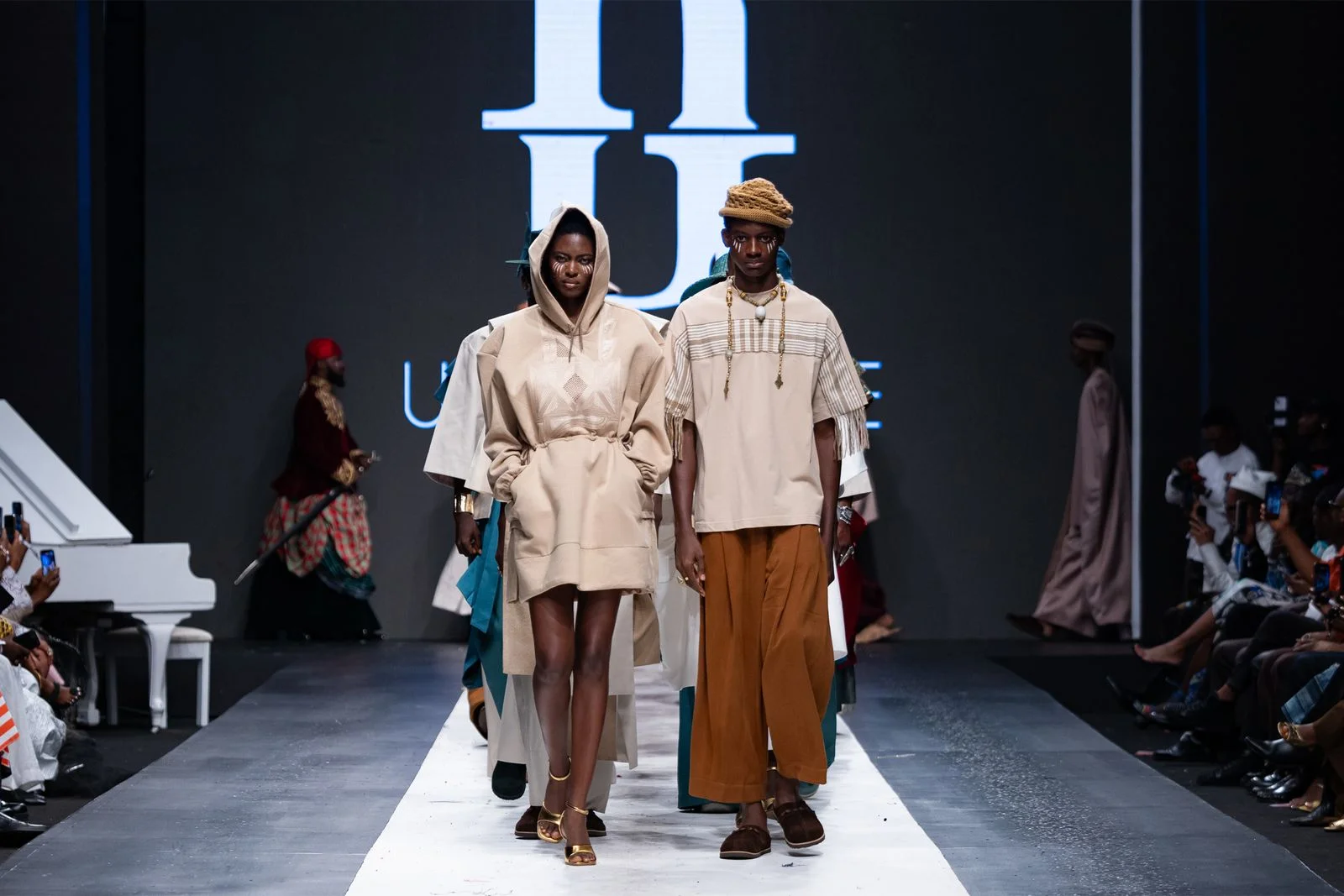
Ugo Monye SS27. Photo: Kola Oshalusi
Showing up, even when the workload bites
Lagos Fashion Week asks a lot of the people building brands around it. One designer, whose small team leaves him overseeing the business alone, stepped back after backend problems and the workload became too much on top of fashion week. The pause was temporary, he said: “I’m not going anywhere. I’m here for a long time.” Leaving the Lagos calendar, he added, “is out of the question.” For couture house Weiz Dhurm Franklyn’s founder, Abelia Anaba Franklyn, the attention around the event makes that commitment worthwhile. She sees it as a major moment for Nigerian and African fashion, and argues that distinct design can find an audience among Nigerians with spending power. Her business is also stretching into ready-to-wear, with prices starting at $600.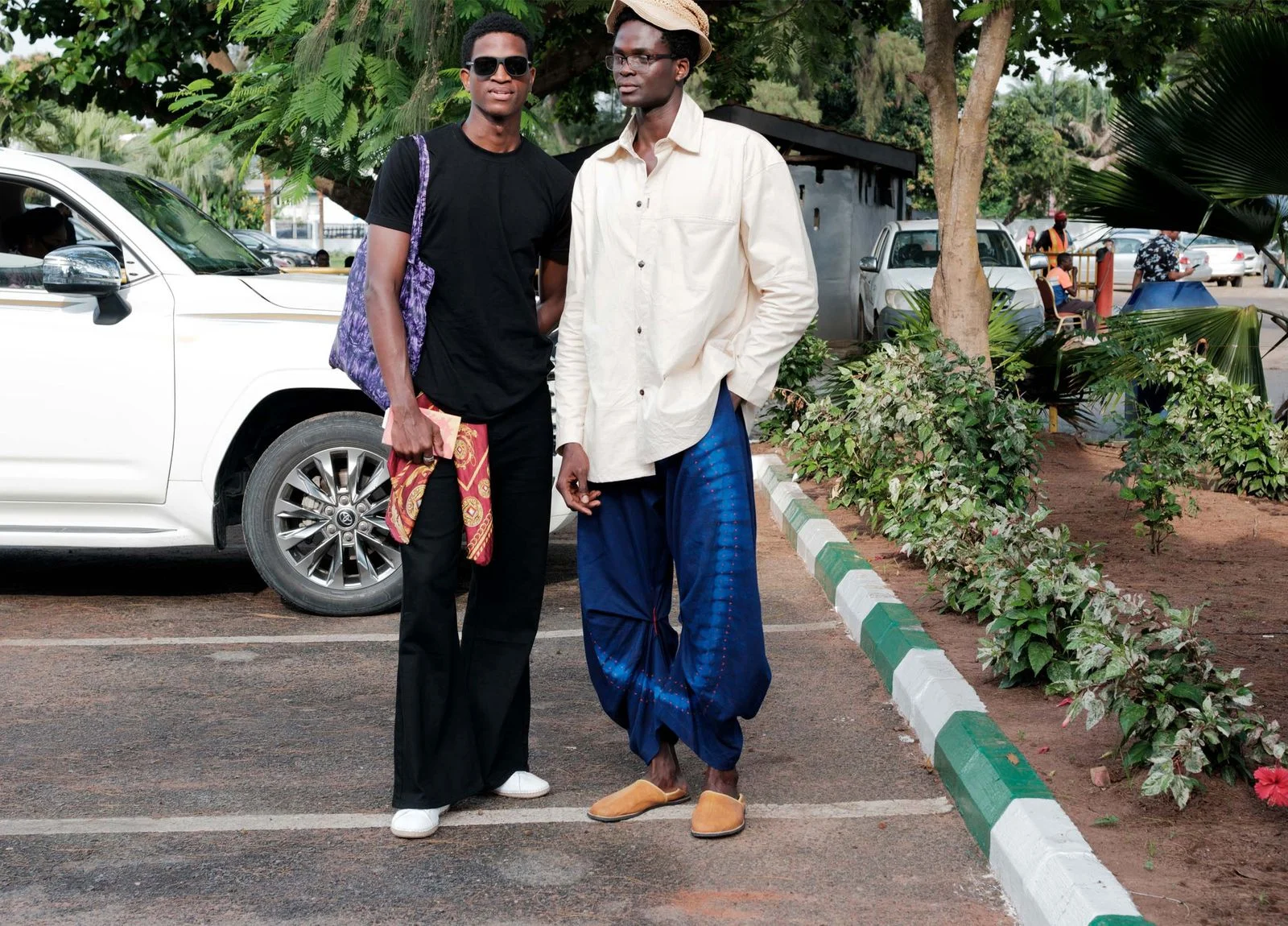
A regional platform, with practical stakes
Lagos Fashion Week draws designers from beyond Nigeria, though Nigerian labels remain the majority. Ghana’s Christie Brown and Uganda’s IGC Fashion were among the returning and new international names on this season’s schedule. IGC paid its own way to Lagos after failing to secure sponsorship in time. Founder Katende Godfrey hoped the trip would bring media attention, new customers and access to a larger market, saying Uganda lacks both major investors and media coverage.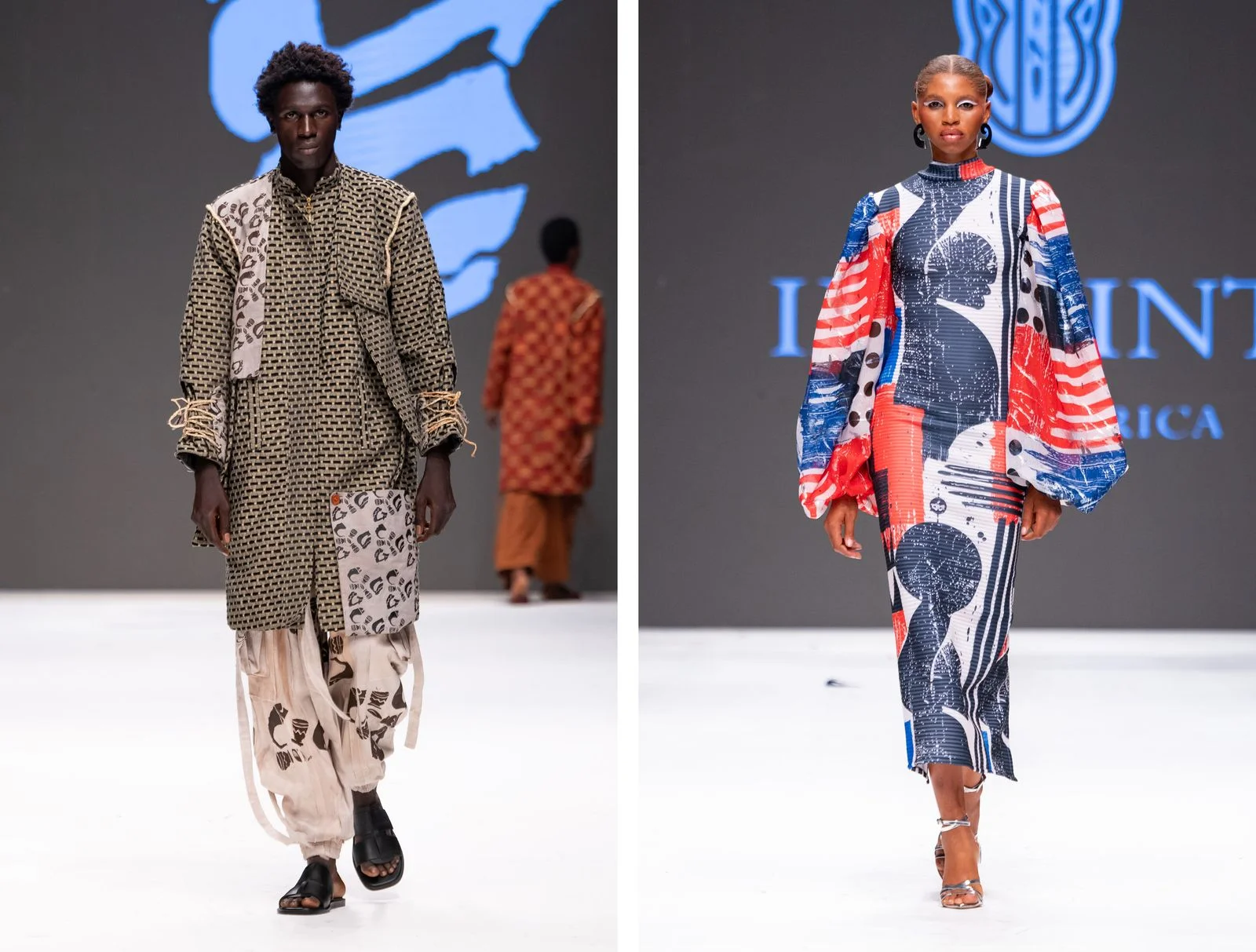
Buyers want clothes that work off the runway
The clearest test of the event’s commercial pull may be what buyers can actually sell. Alára buyer Arinola Fagbemi described this season as the most cohesive she had seen in her years attending, with designers showing collections shaped around a clearer sense of their customers. Alára partnered with Lagos Fashion Week to run a showroom after the runway presentations. Seeing garments in person lets buyers assess construction, texture and weight—details a show alone can’t settle. Fagbemi singled out Orange Culture, Dukun and Orire, while stressing that Alára’s customers expect strong workmanship regardless of where a piece was made.