Ruby Jones Builds a Workwear Wardrobe Around Natural Fibers
Ruby Jones is building her label around a clear premise: a wardrobe should earn its place through wear, material quality and a point of view that feels personal. Her first year in business helped her test that idea; her fall collection brings it into sharper focus through workwear shapes, floral details and natural fibers.
Jones previously worked as a womenswear designer at Thom Browne, a formative job that taught her how to turn a collection into a coherent head-to-toe proposition. That meant learning practical skills such as preparing tech packs and communicating with factories, as well as thinking through how garments, hats and socks fit together. The experience gave her a strong production foundation, but finding her own design voice after working within Browne’s distinctive world took time.
“It took a few months for me to really regain my own point of view,” Jones says. Even choosing fabric could bring her back to the aesthetic she had just left. She recalls gravitating toward “a lovely gray wool” before reminding herself that she was designing for her own sensibility. Her label now draws on a different set of references: the rural Massachusetts upbringing she describes as outdoorsy, and a taste for pieces that feel “timeless, but not so classic.”

Photo: Courtesy of Ruby Jones
Starting with the material
Jones’ training at Cornell University put textile science alongside apparel design. She remembers a class in which students burned different fibers to see how they reacted—a hands-on introduction to the properties behind the materials designers choose. That background informs the “fabric-first mentality” at her namesake label. Instead of settling on a finished design and then searching for cloth to suit it, she selects a fabric and lets its qualities help determine the silhouette.
Casentino wool is one of her most-used materials. The Tuscan cloth, made in the Casentino Valley since the Middle Ages, has a curly, textured surface. The brand describes it as durable, insulating and breathable. In the fall collection, it appears in toggle coats ($590), Western-inspired vests ($315) and “gnome” hoods ($95). The pieces translate a traditional material into a playful take on practical dressing.
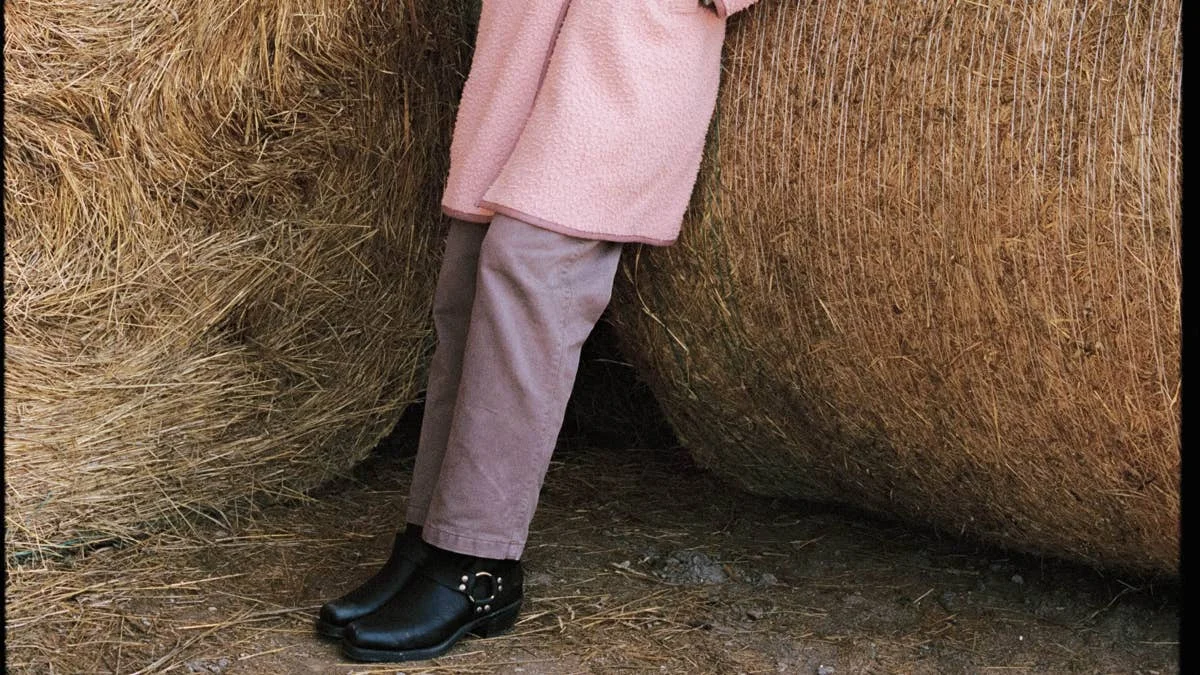
Photo: Sara S. Wallach
Organic cotton is another recurring choice, particularly in waffle and rib knits. Jones values those finishes for their durability, and her own closet helped shape the decision. One question she asked herself when launching the brand was, “What has been in my closet the longest?” Waffle tops were among the answer; she still owns several, and wore one during the interview.
The collection extends the material-led approach with a wool gauze tiered skirt ($360) and a naturally dyed Bedford cord jacket ($395). Across these pieces, Jones is aiming for clothes that can return season after season, with details that keep utility from feeling plain.
Defining the core wardrobe
The fall range also reflects lessons from the label’s first year. “There was a lot of trial and error in that year,” Jones says, describing the current collection as an effort to define the core Ruby Jones wardrobe. One early signal came from the button-down Gatherer jacket, which became the brand’s “number one hit” last spring.
For fall, Jones has added matching 100% cotton straight-leg pants ($275), offered in eggplant and cocoa as well as the look’s other color options. The set carries a successful shape into a new season without simply repeating it. That balance—building recognizable staples while changing their materials, colors or combinations—appears central to how Jones is developing the collection.
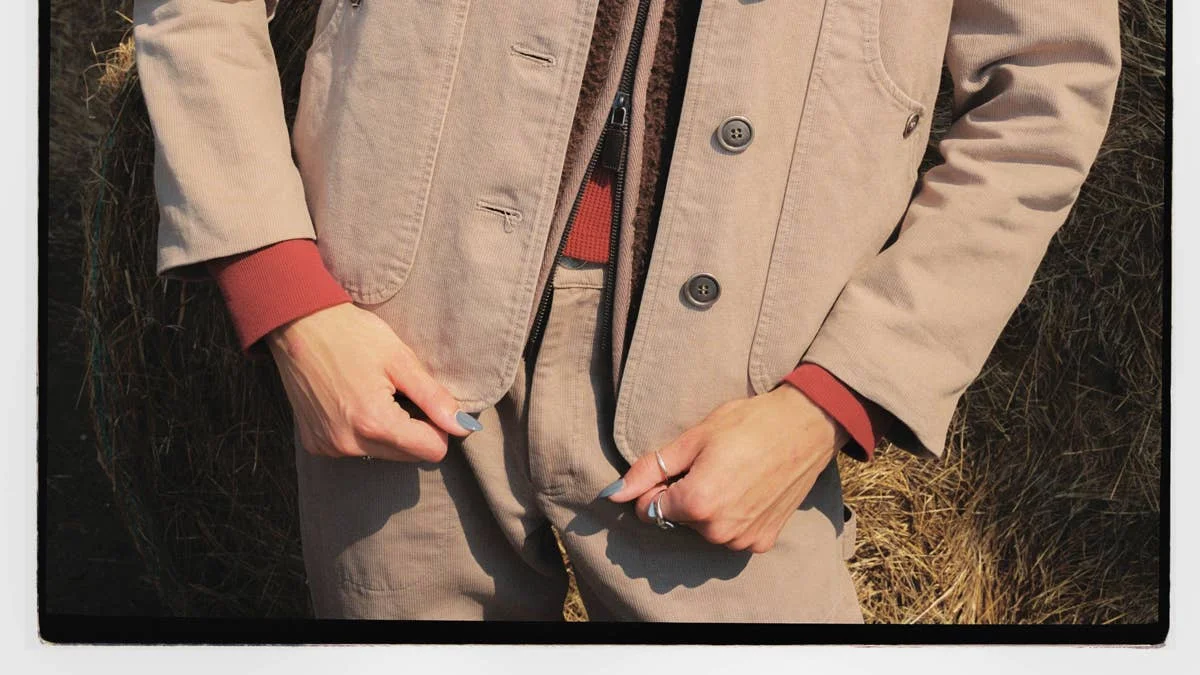
Photo: Courtesy of Ruby Jones
Customers, Jones says, often put quality ahead of the individual flourishes that give the clothes their personality. She credits her experience at luxury brands with shaping her standards for construction, saying her garments bring a level of quality that some brands lack even at higher prices. It’s a pointed claim, but her operating choices show how closely she stays tied to that part of the business.
Ruby Jones produces in small batches with four manufacturers based in New York. Jones made all the samples for her first collection herself; she has since handed sampling to her production partners, while still handling sample pick-ups and drop-offs personally. That proximity keeps the designer involved in the work as the brand moves from a first collection toward a more settled assortment.
Growth through customer relationships
For her second year, Jones is focused on growing at a sustainable pace. In-person markets, craft shows, pop-ups and brand events give her direct contact with customers and a way to see how people respond to the clothes. “It’s really helpful for me to have those experiences, to remember that there’s real people out there that connect with the pieces,” she says. The brand is scheduled to appear at Renegade Craft’s small business fair at New York City’s Metropolitan Pavilion on Nov. 14 and 15.
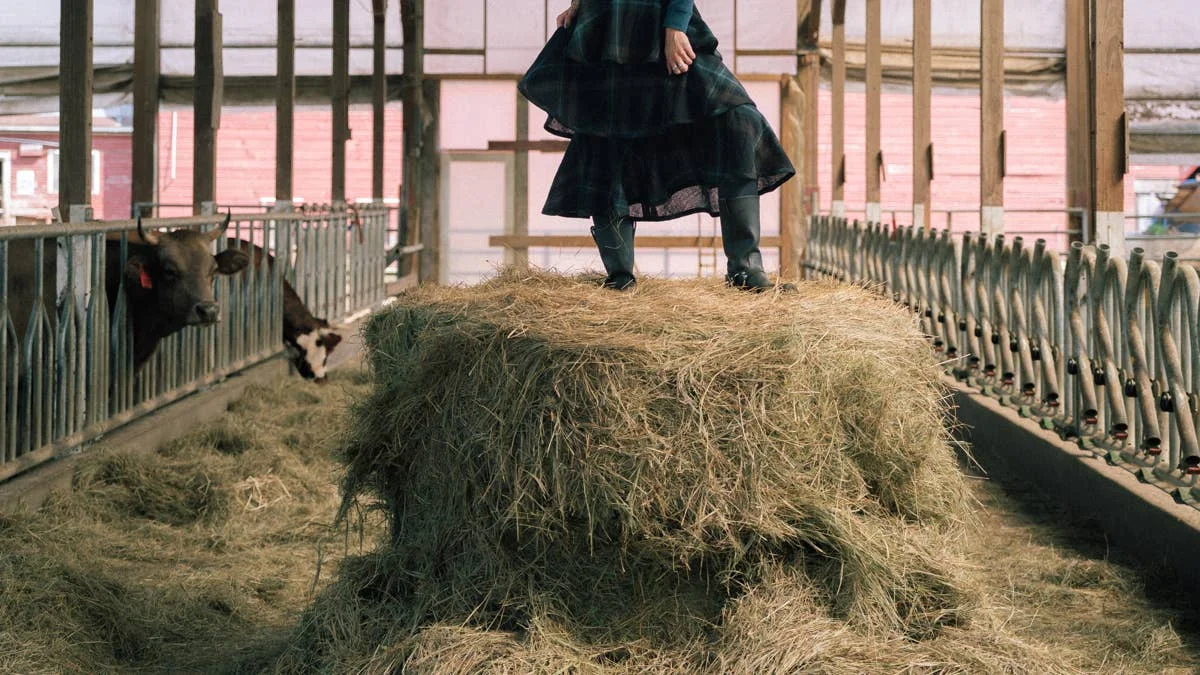
Photo: Courtesy of Ruby Jones
Jones hopes to open a brick-and-mortar flagship one day and is considering formal moves into menswear and kidswear. She says the current designs already work across gender and age. For now, direct-to-consumer sales remain her main focus, alongside a small number of wholesale relationships, including one with a hotel resort in the Berkshires.
Her measure of progress has also changed since the label began. “At first, it was just like, ‘I want to have a brand,’” she says. Once that existed, the questions became more specific: what the business stands for, how it can build community, and how to improve its relationships with customers and manufacturers. Jones’ next chapter will depend on keeping those relationships close while refining a wardrobe rooted in useful shapes and natural materials.
Please note: Occasionally, we use affiliate links on our site. This in no way affects our editorial decision-making.