Rachel Apa, 24, Dies After Collapsing Near the Finish of NYC Marathon
A race dedicated to her grandfather
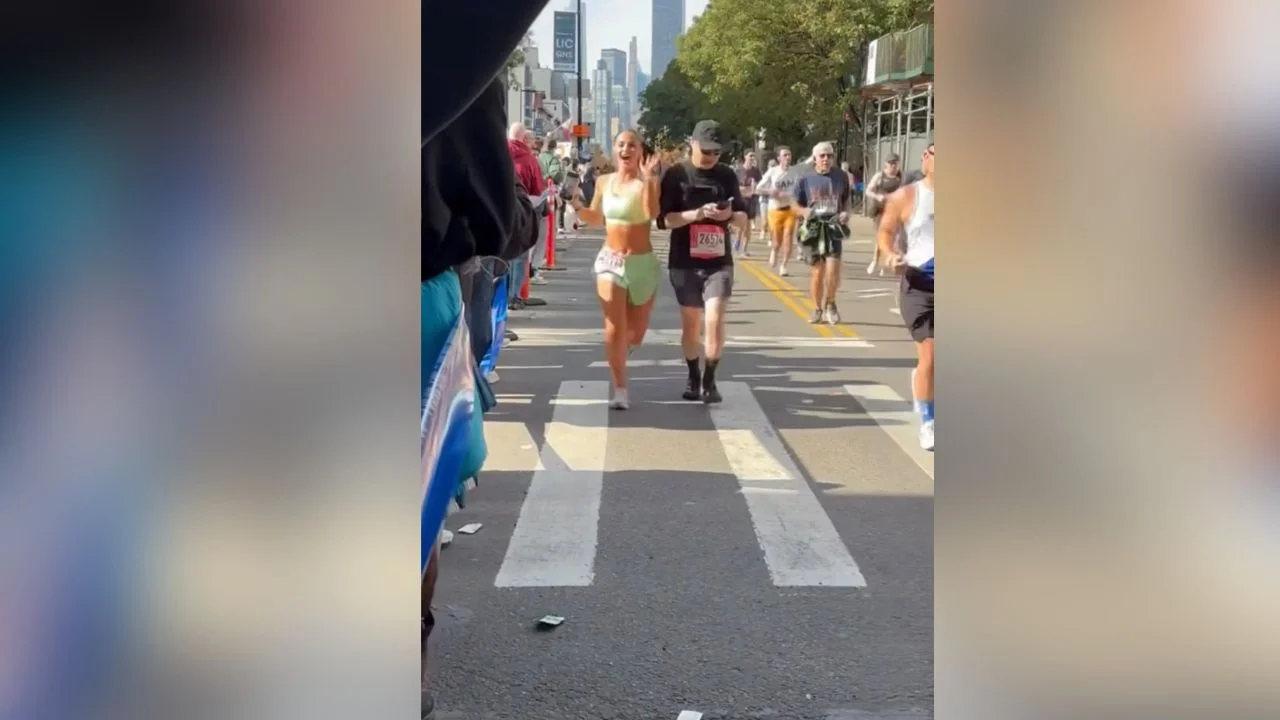
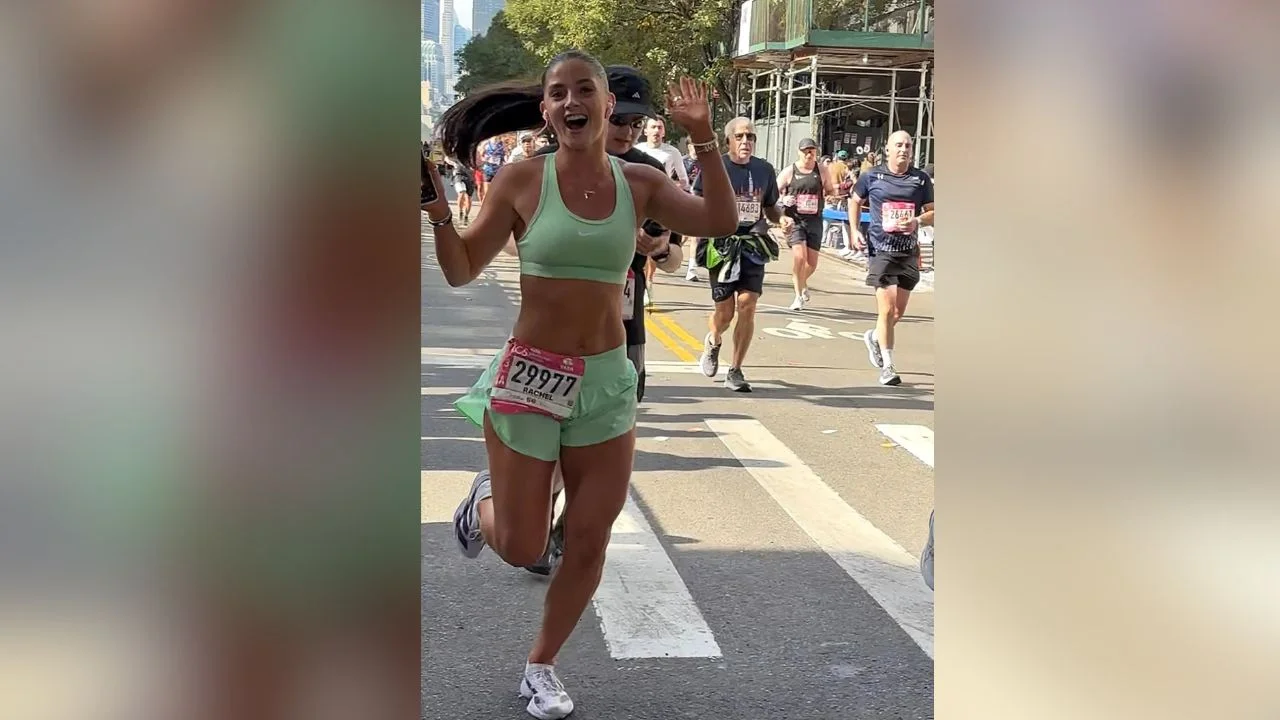
Rachel Apa had trained for months to run her first New York City Marathon in honor of her grandfather. The 24-year-old former Bucknell University field hockey player collapsed near Mile 24 on Sunday, November 1, and died later that night. The gap between those two facts is difficult to absorb: a race she had chosen as a tribute ended in a medical emergency just a few miles from the finish.
Apa, who was from Pennsylvania, ran with Parkinson’s Champions, a fundraising program supporting the Parkinson’s Foundation. Her grandfather died of Parkinson’s disease in 2022, and she used the marathon to connect a personal loss with a cause that had shaped her family’s experience. On her fundraising page, she described him as her role model and credited him with teaching her to stay active, test her limits and embrace challenges. That purpose gave the race meaning beyond the finish time, even as the family’s account now centers on the final miles.
Her father, Steve Apa, said she had prepared for the 26.2-mile race for months. “It’s unfathomable,” he said. “Perfect health, perfect shape.” His words capture the shock for a family watching a young athlete they believed to be healthy, though they don’t establish what caused the collapse or what medical factors may have been involved.
Messages stopped near the final miles

Apa’s mother, Michelle, watched the race in New York while Steve followed his daughter’s progress from Lewisberry, Pennsylvania, using the marathon app. Michelle recorded Rachel smiling at Mile 14, an image that offers a glimpse of the day before the emergency. Four miles later, Rachel texted her father, “Ow.” At Mile 19, she sent another message: “Ow, Ow.”
Those short texts are the only reported account of how Apa was feeling during that stretch, and they don’t explain the cause of her discomfort. Marathon tracking apps can let families follow a runner’s progress from a distance, but a location marker can’t tell them whether someone is struggling or needs help. In this case, the messages gave Steve a direct, if limited, connection to his daughter as she moved through the course.
Steve wrote “Final stretch” when Apa reached Mile 23, but she didn’t respond. Her parents watched her location remain near Mile 24 for several minutes, a delay that turned routine tracking into a source of alarm. Michelle went to the area in Central Park and saw an ambulance leaving. A stopped marker could show that something had changed; it couldn’t tell her what had happened.
Emergency response in Central Park
A spectator saw Apa collapse around 1:30 p.m., near the point where runners enter Central Park for the final stretch. Michaela Nicholas, a hospital social worker at the race, said she couldn’t find a pulse. Three people, including Apa’s fiancée, took turns performing CPR until marathon medical staff arrived with a defibrillator, according to The New York Times. The account describes a rapid handoff from people at the scene to the event’s medical staff, though the available details don’t establish how each intervention affected her condition.
Paramedics took Apa to Mount Sinai Hospital in Manhattan. Doctors treated her for more than six hours, but she was pronounced dead at about 9:40 p.m., her father said. He attributed her death to rhabdomyolysis, a condition in which damaged muscle tissue breaks down and releases harmful substances into the bloodstream. The condition can follow intense physical exertion and, in severe cases, cause kidney damage. That description explains the condition in general; it doesn’t, by itself, provide a complete account of what happened to Apa.
Organizers confirm a runner’s death

New York Road Runners, the nonprofit that organizes the marathon, confirmed that a runner died after a medical incident during the race. “We are deeply saddened by the death of one of our runners following yesterday’s race,” the organization said, offering condolences to the runner’s family, friends and the running community. Its statement acknowledges the death and the loss felt by those connected to the event; it doesn’t provide further detail about the medical circumstances.
The New York City Marathon begins on Staten Island and draws tens of thousands of runners each year. A course of 26.2 miles puts medical response, event staffing and communication with spectators under sustained pressure across a large route. The fact that a runner received CPR from people nearby and was then treated by marathon medical staff describes the response in this case, but doesn’t answer broader questions about how the event prepares for emergencies.
Organizers said the previous death following a medical incident at the race was in 2024. That history provides context for the organization’s statement, but it can’t explain the circumstances of Apa’s collapse. The medical examiner has not released findings on her death, and her family’s account of rhabdomyolysis remains pending official determination.
What remains unknown
For readers, the distinction between a family’s explanation and an official finding matters. Steve Apa attributed his daughter’s death to rhabdomyolysis, while the medical examiner’s findings have not been released. Until that determination is available, the account supports a careful description of what the family reported, not a definitive explanation of the medical sequence that led to her death.
That uncertainty doesn’t diminish the loss or the significance of the race she chose to run. This is more significant than it looks: Apa’s marathon was both a personal tribute and a public fundraising effort, and the people closest to her experienced the emergency through fragments of information—a handful of texts, a location on an app and an ambulance leaving the course. (And this is the part most people overlook.) In a large public event, families may be following progress from far away while trained staff and bystanders respond at the scene.
If you’re working in this space, the case is a reminder that event safety is judged not only by written plans but by what happens when a participant collapses amid a moving crowd. The reported CPR and arrival of marathon medical staff show that help was given; the available account doesn’t offer enough detail to assess the full response. No easy conclusion. For Apa’s family, the central fact is simpler and harder: a race she had spent months preparing for ended in a loss that her relatives are still trying to understand.