El Camarón Peludo Brings Mexican Seafood and Wine Bar Pace to NYC

This excerpt was originally published in Pre Shift, our newsletter for the hospitality industry. Subscribe for more first-person accounts, advice, and interviews.
Now Open is a yearlong series celebrating some of 2026’s most exciting new restaurants. Throughout the year, we’ll check in with teams in Chicago, New York City, and Washington, D.C., to hear what it’s really like behind the scenes of a buzzy opening. Then, we’ll host exclusive meals at these restaurants as part of Dinner Party, presented by Capital One. Read along for challenges, candid reflections, and advice from the proprietors behind some of the country’s hottest new openings.
At El Camarón Peludo, the change in pace is part of the proposition. Giovanni Cervantes and Tania Apolinar built their reputation serving tacos quickly at Taqueria Ramírez and Carnitas Ramírez, and helped feed the crowds at Socceria. Their new West Village restaurant asks guests to stay awhile over seafood and wine. It’s a different operating model for the pair: small, walk-in-only, and built around a more personal hour or two at the table.
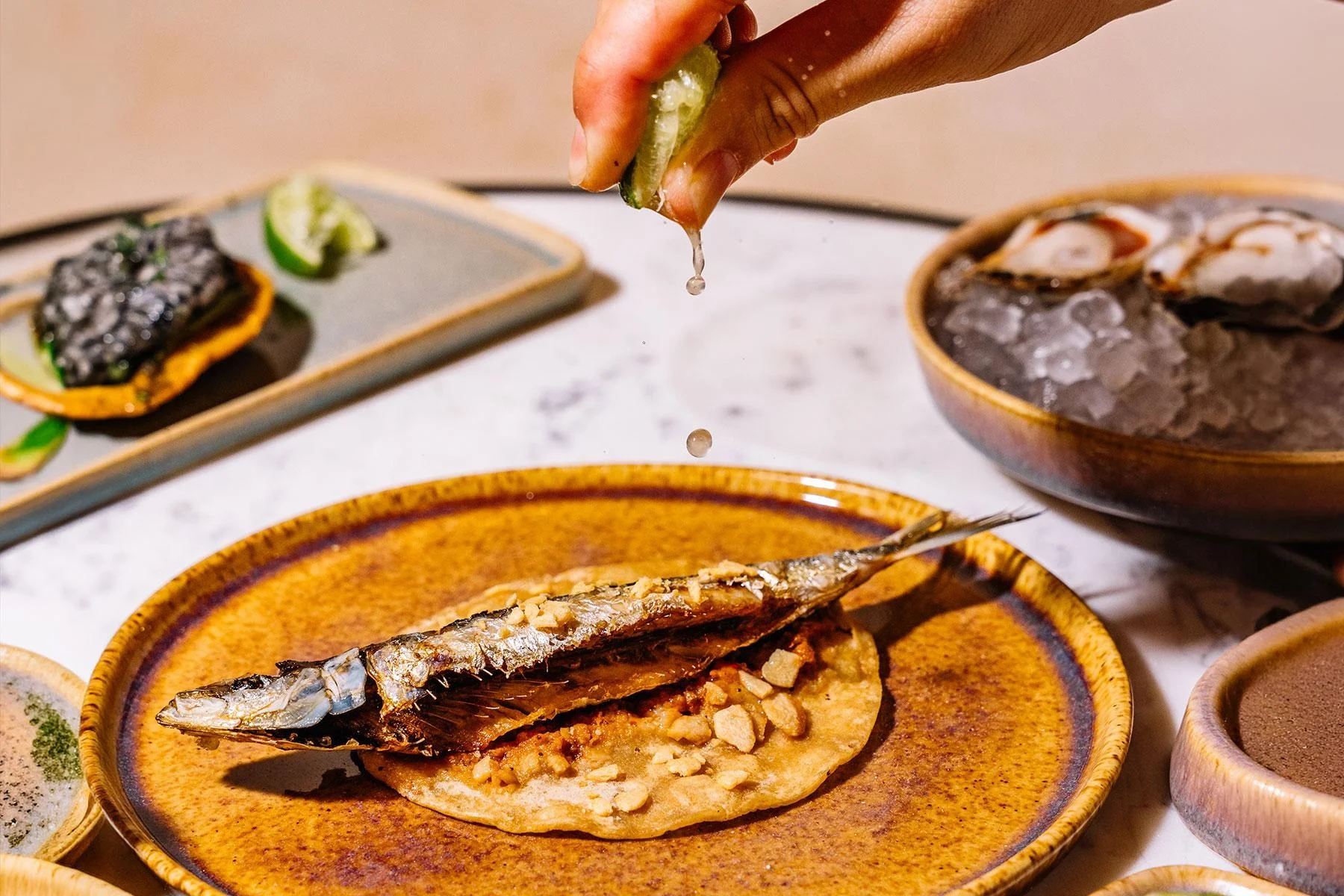
The restaurant’s menu brings Mexican seafood cooking into conversation with Spanish and broader European influences. The result, as the owners describe it, isn’t a strict fusion formula. Fresh seafood leads; the preparation shifts between restrained dishes such as gambas a la plancha and more layered Mexican classics, including tuna tostadas and aguachile.
Chef Carlos Barrera joined Cervantes and Apolinar on the project. Born in Mexico City, Barrera has worked in Michelin-starred restaurants in Spain and held dozens of popular pop-ups around New York. The three had already tested their working relationship through a Taqueria Ramírez pop-up. Their partnership, and the shape of the restaurant itself, grew from familiar connections and practical constraints rather than a predetermined concept.

A narrow room led to a different kind of restaurant
The team initially considered turning the West Village space into another taqueria. Its long, narrow footprint made that concept a poor fit, Apolinar said, so the partners began thinking about seafood and wine instead. Cervantes had already been discussing a New York mariscos concept with Barrera. Once they saw the room, conversations about the food they missed from Mexico and their travels in Europe began to shape the menu.
That mix required some calibration. After a trip to Europe, Cervantes recalls wanting to push the menu further toward Spain. Apolinar and Barrera questioned the direction, and Cervantes now sees their resistance as useful: the restaurant found a balance that lets the influences inform the experience without displacing the seafood.
“In the end, it’s about the seafood and the freshness, the product that we really want to stand out,” Apolinar said. A simple plate of grilled prawns and a carpaccio reflect that focus. Tostadas topped with tuna and aguachile bring more sauces and Mexican reference points to the table.
Europe shaped more than the recipes. Cervantes points to the room’s intimate scale, the smaller plates and the overall feel as part of the influence. The intention is a cozy, friendly place where wine, music and the food work together. In a city where a restaurant’s format often dictates how long a guest stays, El Camarón Peludo is designed to make lingering feel natural.
A social media connection became a working partnership
Cervantes and Barrera first met as customer and restaurateur: Barrera was among Taqueria Ramírez’s early customers. He often commented on the restaurant’s Instagram posts, sending flame emojis, Cervantes recalled. They later realized they lived near one another in Greenpoint, which gave them more chances to connect in person.
The relationship moved from online encouragement to the kitchen through a pop-up featuring Barrera’s Trompo Negro. Apolinar describes the dish as an al pastor preparation with a smoky black spice paste used widely in Yucatán and nearby regions. The event gave the group a chance to work together before committing to a restaurant, and the owners say they found they were aligned.
That origin story is telling for a project that took shape through a series of adjustments. A room that didn’t suit tacos opened the door to another format; conversations about travel and Mexican food helped define the menu; and a regular customer’s social media attention became an introduction to a chef who would help build the concept.

Service runs on a different clock
At Taqueria Ramírez and Carnitas Ramírez, the operating measure is speed and consistency. Cervantes describes those restaurants as high-volume businesses where the team needs to make each order correctly and move people through. El Camarón Peludo changes the unit of work: staff spend more time with each table, and the experience includes the room, music and wine as much as the food.
“It’s more about the experience of the space and the music and the wine,” Cervantes said. With guests staying for an hour or two, he wants service to feel personal. He also finds something rewarding in seeing how people respond over the course of a meal, rather than judging success through the steady flow of orders alone.
The shift adds a new kind of labor for a team managing several busy New York businesses. Cervantes says Taqueria Ramírez can run with confidence because many employees have been there since opening. At Carnitas Ramírez, partners Yvon de Tassigny and Kari Boden were intended to handle day-to-day operations from the start. That staffing structure gives Cervantes and Apolinar more room to focus on El Camarón Peludo and Socceria, which he calls their newer projects.
Apolinar acknowledges the workload is tiring, but says she enjoys the work and the connection with customers. For the owners, the challenge is to build teams that can sustain each restaurant’s distinct rhythm: fast, consistent service at the taco counters; a longer, more intimate visit at the seafood bar; and the separate demands of their other venues.
El Camarón Peludo’s defining choice is to let those differences guide the business. Its menu draws on more than one culinary tradition, while the service gives guests time to settle in. As Cervantes and Apolinar continue splitting their attention across four restaurants, the new bar’s success will depend on keeping that slower, personal experience consistent as the team grows into it.