Cunk on Cinema Sets Netflix Premiere for November 15, 2026
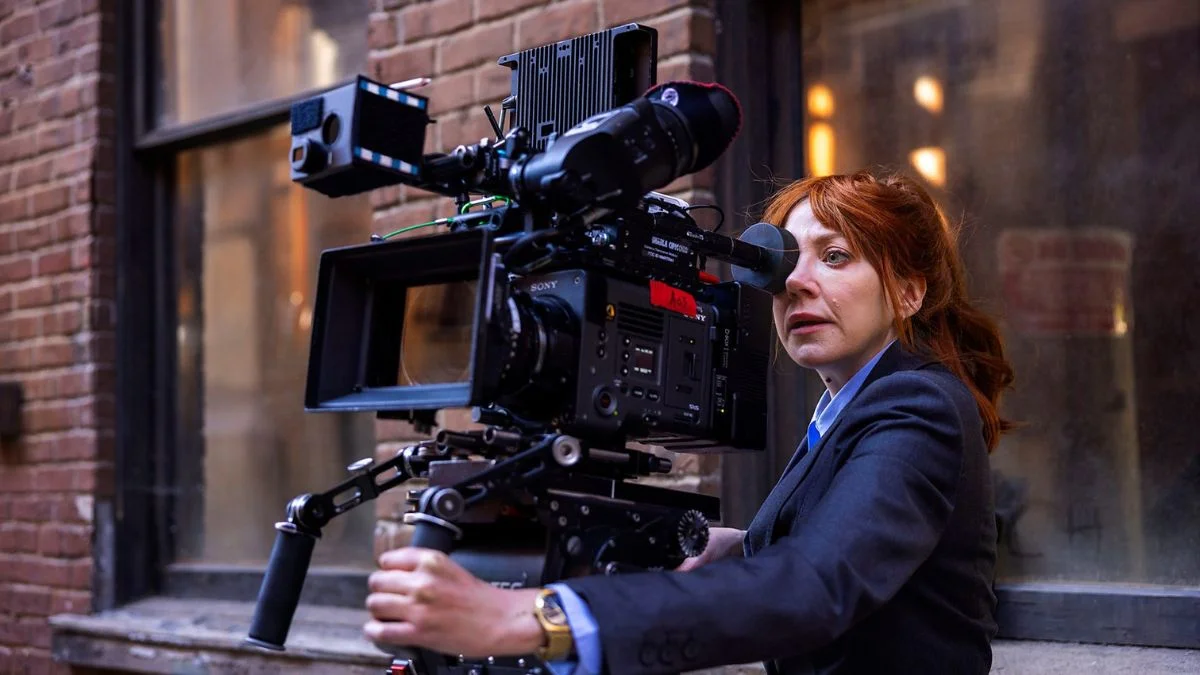
Picture Credit: BBC
Philomena Cunk takes on cinema
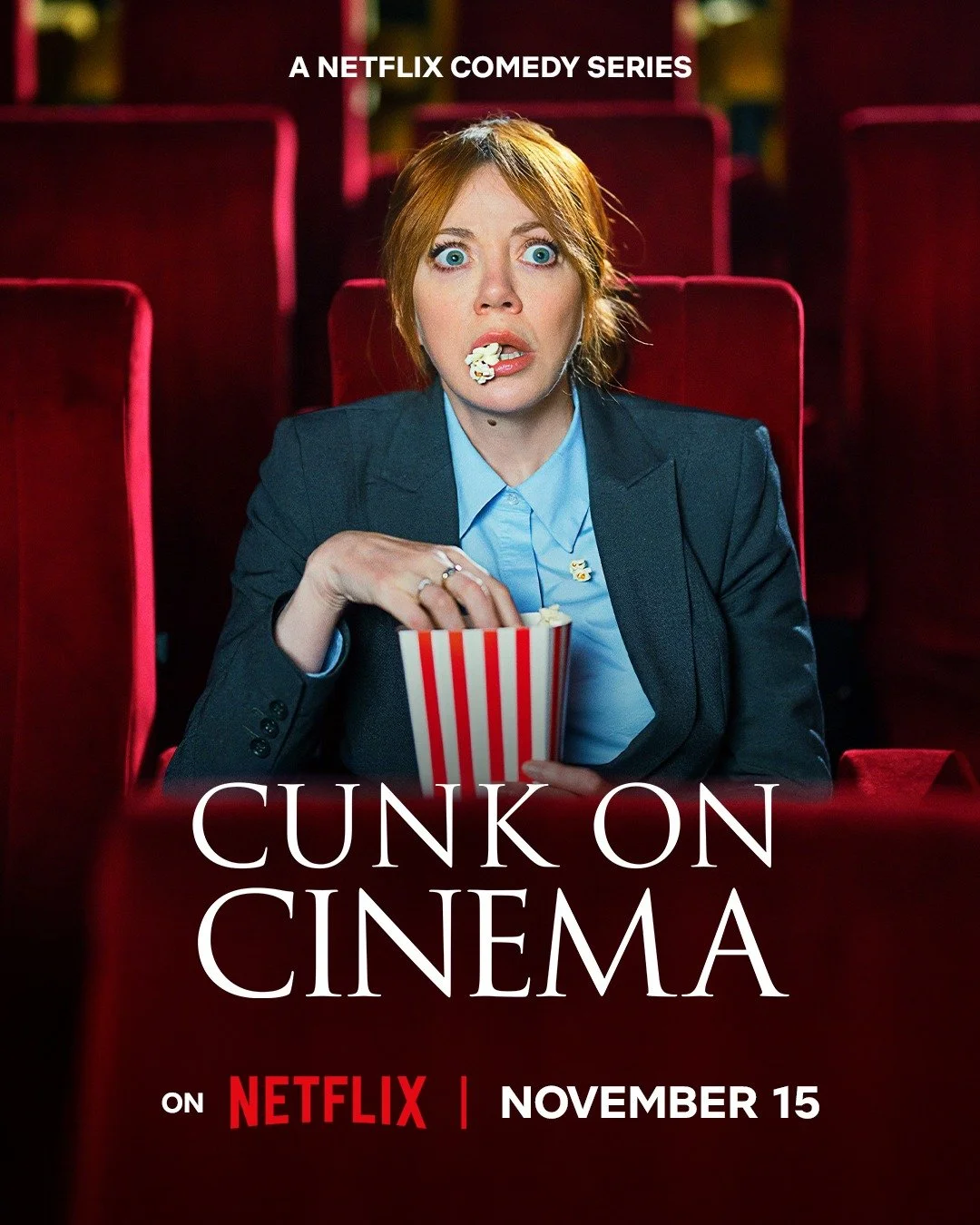
Philomena Cunk’s next subject is cinema itself. Diane Morgan returns for a three-part mockumentary that follows film from the invention of the camera to the New Wave of the 1960s, CGI and the questions raised by AI. Netflix has set the premiere for November 15, 2026.
The series extends the format established by Cunk on Earth, with Cunk bringing her characteristically skewed questions to the history and future of film. Its official description promises a tour through cinema’s major shifts, punctuated by Cunk “sitting in lumpy seats with stale popcorn” and asking: “where did cinema come from? And why? What does it want? And why can’t it tell us?” The questions sound absurd, but they also give the series a useful way to approach an art form that has repeatedly changed with its technology.
That premise gives the series room to move between film history and the industry’s current technology questions, while keeping Cunk’s mock-serious perspective at the center. The production describes it as her “most glamorous” series to date. The scope is broad by design: cinema’s origins, its artistic shifts and its current debates all sit under the same comic frame.
That breadth could make the format more than a parade of familiar film references. A mockumentary can use an intentionally wrong question to expose how confidently people explain complicated subjects, and film offers plenty of material for that treatment. The challenge is keeping the jokes pointed while the history remains legible.
A November Netflix premiere
Cunk on Cinema arrives on Netflix on November 15, 2026. The series is also coming to the BBC. Netflix has released an official trailer.
The trailer gives prospective viewers an early sense of the show’s tone, while the release information establishes its two stated homes. That pairing places the series within the BBC mockumentary tradition and gives it a Netflix audience as well. The available details don’t specify episode lengths or how the series will be scheduled across either service.
23 guests from across film
Cunk interviews 23 people whose work spans directing, acting, cinematography, music, criticism, scholarship and film curation. The lineup includes Hollywood names such as Michael Bay and Benedict Cumberbatch, alongside specialists whose perspectives cover everything from silent cinema to casting. That mix gives the series access to different parts of the filmmaking process, from creative decisions on set to the work of interpreting and preserving films.
The range matters to a series that claims to travel across cinema’s history and technology. Directors and performers can speak to the visible work audiences recognize, while curators, critics and academics bring different ways of placing films in context. Cunk’s interviews are built around the friction between expertise and her own confidently misplaced assumptions. That’s where the format tends to find its comedy.
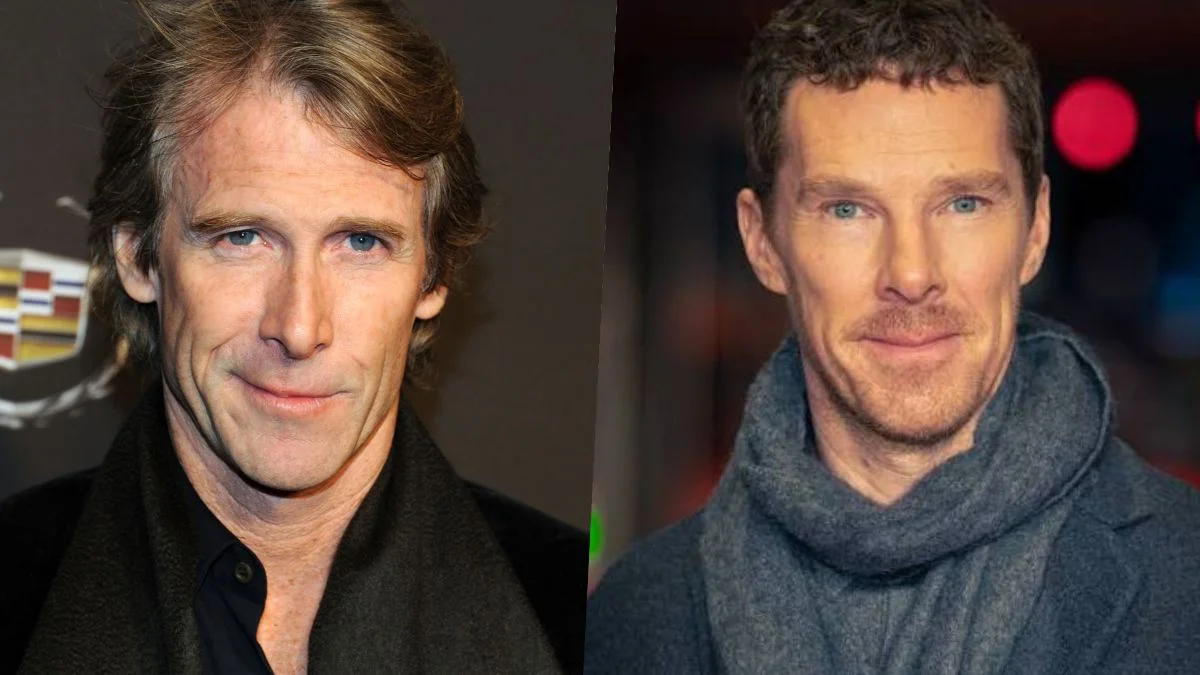
- Michael Bay — The filmmaker behind the Transformers franchise and films including Bad Boys (1996), The Rock (1996) and Armageddon (1998).
- Benedict Cumberbatch — The actor known for Sherlock, Doctor Strange in the Marvel Cinematic Universe, The Power of the Dog (2021) and The Imitation Game (2014).
- Daniel Pemberton — Oscar-nominated English composer whose recent work includes Project Hail Mary (2026).
- Steven E. de Souza — Co-screenwriter of Die Hard, alongside Jeb Stuart.
- Seamus McGarvey — Oscar-nominated cinematographer known for Marvel’s The Avengers (2012).
- Mark Kermode — Film critic and musician, and co-presenter of BBC Radio 4’s Screenshot.
- Mark Cousins — Filmmaker behind the 2011 documentary The Story of Film: An Odyssey.
- Isabel Stevens — Managing editor of Sight and Sound.
- Helen O’Hara — Editor-at-large at Empire magazine.
- Catherine Bray — Critic at Screen International.
- Bryony Dixon — BFI curator of silent film.
- David Rubin — Casting director whose credits include The English Patient, Men in Black, The Talented Mr. Ripley and Four Weddings and a Funeral.
- Jim Dowdall — Stunt performer whose work includes Star Wars and Indiana Jones.
- Kaleem Aftab — Film critic and international film festival programmer.
- Sarah Churchwell — Author of Behold America: A History of America First and The American Dream.
- Toni Booth — Film curator at the National Science and Media Museums.
- Mo Moshaty — Horror specialist and editor-in-chief of NightTide Magazine.
- Shelley Cobb — Professor of film and feminist media studies at the University of Southampton.
- Jim Al-Khalili — Theoretical physicist, science broadcaster and returning guest from Cunk on Life.
- Harvey G. Cohen — Senior lecturer in cultural and creative industries at King’s College.
- Geoff Andrew — Film critic, lecturer and writer.
- Monica B. Pearl — Senior lecturer in 20th-century American literature, English and American studies at the University of Manchester.
- Ashley Jackson — Returning guest from Cunk on Earth.
The guest list’s breadth is more significant than it looks. It suggests the series is reaching beyond celebrity interviews to draw on people who study, program, critique and preserve film. If you’re working in this space, that range may be the clearest clue to how the series plans to connect the familiar history of movie stars and franchises with less visible parts of the industry.
Charlie Brooker leads the writing team
Black Mirror creator Charlie Brooker leads the writing team, which includes Morgan, Ben Caudell, Erika Ehler, Eli Goldstone, Jason Hazeley, Dan Maier, Joel Morris, Michael Odewale, Kali Varghese and Sam Ward. Al Campbell, whose credits include Cunk on Life and Inside No. 9, directs all three episodes.
The credited team connects the series to writers and a director already associated with scripted comedy and mockumentary work. That experience suits a format in which the interview depends on timing as much as on the premise: the humor has to come through Cunk’s delivery and the guests’ responses. The writing also has to carry a large span of film history without turning the show into a conventional lecture.
What the series could say about cinema’s next chapter
The format puts film history and the industry’s next technological questions in the same frame. By moving from the invention of the camera through the New Wave and CGI to AI, the series sets up a basic tension: cinema keeps changing its tools, but people still argue over what those changes mean for the art form. The show’s comic method can make that tension approachable, though comedy alone won’t settle the questions.
AI gives the series a contemporary endpoint, but the announced details don’t say which specific uses or concerns it will address. That restraint matters: the subject can quickly become a collection of predictions, while the show’s strongest material may come from asking who gets to define cinema as its tools change. And yet the history itself offers a grounded way into that debate.
Here's the thing: a three-part series can only sketch a history as broad as this one. Its value may lie less in supplying a definitive account than in prompting viewers to notice how film technology shapes both production and expectations. (And this is the part most people overlook.) The joke works best when it leaves a real question hanging.
A comic history of cinema, with a question about what comes next.
Whether Cunk can make sense of cinema’s past—or what AI might mean for its future—is part of the joke; the series is set to reach Netflix on November 15, 2026. For viewers, the guest list and the stated historical sweep offer the clearest guide to what’s coming, while the trailer provides an early look at the show’s delivery. The numbers here are underwhelming only if you expect a full survey: three episodes can’t cover every turning point, but they can make the familiar story look newly strange.