Donald Glover to Write, Direct and Star in Netflix’s Live-Action PUBG Series
Donald Glover’s four roles on Netflix’s planned PUBG: Battlegrounds series make it one of the streamer’s most prominent live-action game adaptations in development. He’ll write, direct, executive produce and star, giving the project a single creative lead across several stages of production. That concentration of responsibility could help the show develop a consistent point of view, though it also puts unusual weight on a project that has yet to reveal its story or cast.
Glover brings experience across comedy and drama to a property built around battle royale competition. The game supplies a recognizable premise: people are dropped into a contest where survival is the immediate goal. Turning that loop into a television series means finding reasons to care about individual characters and their choices before the contest ends. The challenge is less about reproducing the mechanics than making the conflict matter when there’s no controller in the audience’s hands.
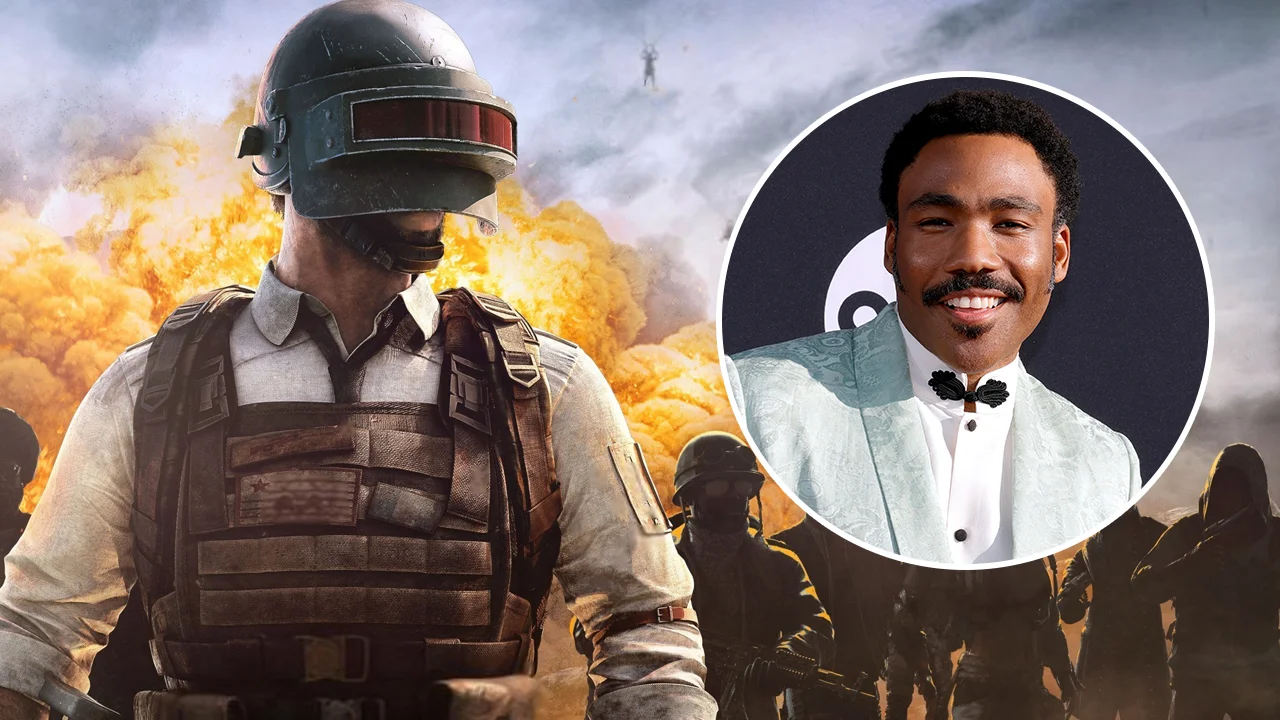
Picture Credit: Getty Images
Glover leads a family creative team
Stephen Glover, Donald’s brother and longtime collaborator, will write and executive produce. He co-created Atlanta, where the brothers established a distinctive approach to stories that can shift between humor and unease. That history gives the new series a potential tonal range beyond straightforward action, although it doesn’t tell us what kind of show they’re making here.
The other executive producers are Michael Schaefer for NEON TV, Fam Udeorji for Gilga, and Taeseok Jang and Sujin Lee for KRAFTON’s entertainment arm, LV3H. LV3H is involved in both development and production, connecting the series directly to the company behind the game. That connection may help keep the adaptation tied to the source material’s identity, while the writers still have to decide which parts of the game translate into sustained television drama.
Netflix hasn’t announced a plot, additional cast members or a production schedule. The project is at the development stage, with scripts still to be written, so a release before 2028 appears unlikely. For now, the high-profile creative team is the clearest signal of intent; the series itself remains an outline of a possibility.
A battle royale property with room to adapt
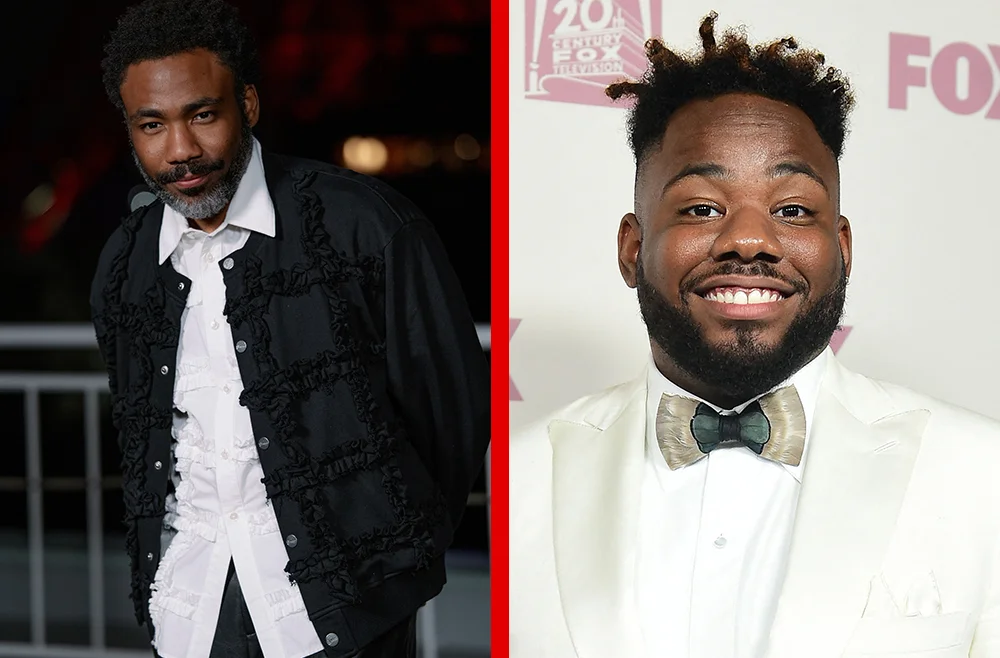
Picture Credit: Getty Images
KRAFTON launched PlayerUnknown’s Battlegrounds in 2017. Its 100-player island format helped popularize the battle royale model later used by games including Fortnite, Apex Legends and Call of Duty: Warzone. The game may be past its peak popularity around 2018 and 2019, but it still has a large player base. KRAFTON says the franchise has set seven Guinness World Records.
The premise is unusually flexible for adaptation because it establishes pressure and competition without requiring a single fixed story. A series could build its own characters and conflicts within that structure. But the same openness creates a writing problem: a match can be compelling as play because the audience makes choices; a scripted version has to create suspense through decisions made by people on screen. The numbers here are underwhelming as a guide to the show’s prospects: player history and records say little about whether its story will work.
The adaptation also gives Netflix another opportunity to test live-action game storytelling. Its animated adaptations include Castlevania, Arcane and Cyberpunk: Edgerunners, while its 2022 live-action Resident Evil series ended after one season. Those titles show the breadth of Netflix’s game adaptations, but animation and live action ask different things of a source property. Alongside PUBG, the live-action Assassin’s Creed series is among the streamer’s biggest current bets in the format.
Netflix’s wider slate includes a Gears of War film in scripting; animated series based on Minecraft, Magic: The Gathering and Clash of Clans in production; and an Overcooked competition series in development. Assassin’s Creed has finished filming, while Splinter Cell: Deathwatch is heading into a second season and Devil May Cry into its third and final season. A live-action Crazy Taxi movie is also part of the slate tied to Netflix’s recent Sega deal.
That list suggests a sustained effort to turn game recognition into screen programming across genres and formats. Recognition can attract an initial audience, but it can’t substitute for a story that holds attention after the familiar title has done its work. If you’re working in this space, that’s the test to watch: whether the adaptation has a distinct reason to exist as television, beyond extending a game’s name onto another screen.
What happened to the earlier PUBG project?
This isn’t the first announced screen adaptation of PUBG. In July 2021, KRAFTON revealed an animated project with Adi Shankar, producer of Castlevania and Devil May Cry. The project has gone quiet, and Netflix’s announcement of the new live-action series didn’t mention it. For now, the Glover-led show is the franchise’s active Netflix project, though the lack of an update leaves the earlier effort’s status unclear.
Glover is familiar to Netflix viewers through Community, which streamed on the service until all six seasons left in April 2024. His series Atlanta has not been available on Netflix in the United States. That makes his involvement a notable creative choice, but his past association with the platform doesn’t establish what audience the new series will reach.
The story will decide the bet
The next meaningful signal for PUBG will be whether the creative team turns the game’s survival premise into a story with characters and stakes that can carry beyond the match. That’s a more demanding job than staging action: the series needs a reason for viewers to care about who survives, what survival costs and what happens between rounds.
This is more significant than it looks for Netflix’s adaptation strategy. A recognizable game can open the door, but the Glover team’s central task is to make the show work for viewers who aren’t already invested in the franchise. And yet. Until Netflix shares a plot, a cast or a production timetable, the project’s strongest selling point remains its creative leadership rather than any evidence of what the finished series will be.