SCTV Documentary Revisits the Canadian Comedy Series That Shaped a Generation
Picture Credit: Netflix
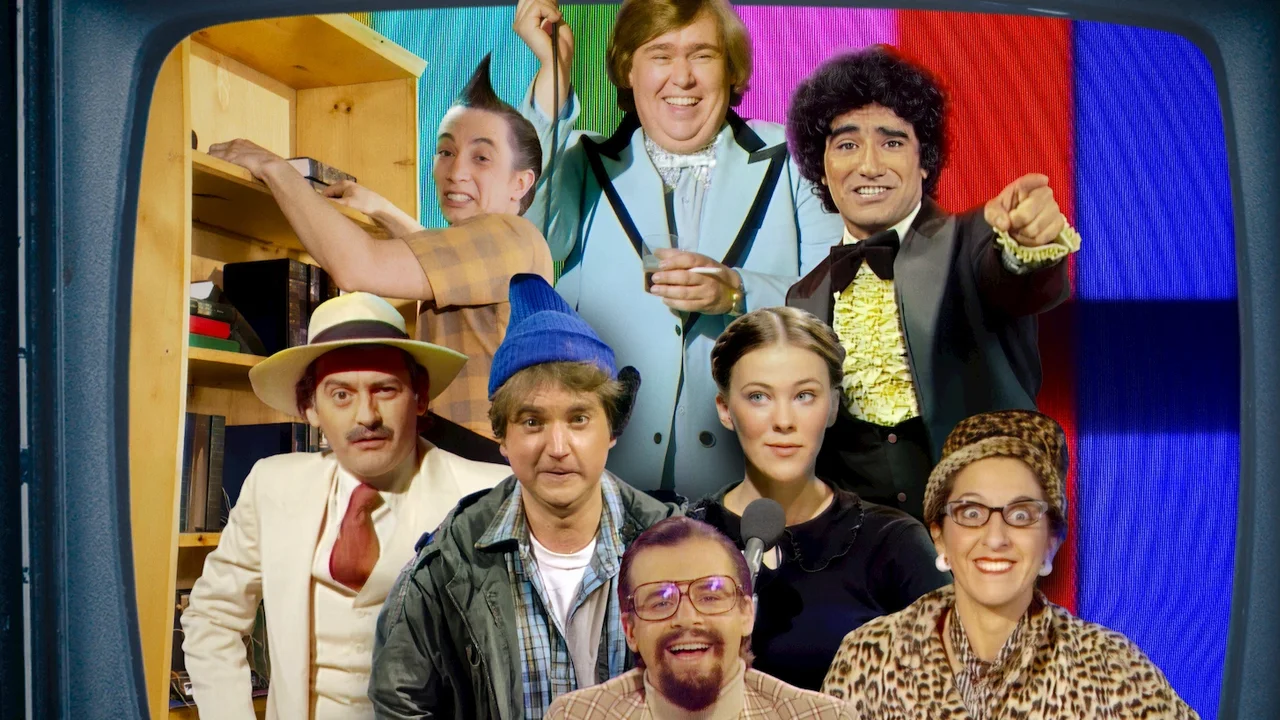
SCTV: The Greatest Show You’ve Never Heard Of makes a persuasive case that the Canadian sketch series deserves a place in the history of television comedy, while its strongest scenes come from something more intimate: a group of performers watching their younger selves together. Director Jason Hehir’s documentary follows Second City Television from its 1976 start to its 1984 end, charting the show’s creative growth, business troubles and uneasy move to a larger American platform.
For viewers who know the cast mainly from later films and television, the film also fills in an influential origin story. John Candy, Catherine O’Hara, Eugene Levy, Rick Moranis, Dave Thomas, Andrea Martin and Martin Short were among the performers whose careers took shape on SCTV. The documentary connects their work on the series to the comedy and characters audiences would later see in projects including Home Alone, Schitt’s Creek, Father of the Bride, My Big Fat Greek Wedding and Honey, I Shrunk the Kids.
A format built around a fictional television station
SCTV satirized the media that filled viewers’ screens: commercials, films, genre television, celebrities and late-night talk shows. Its fictional station gave the performers a flexible frame for shifting between characters and parodies. The show’s comic world could be broad, strange and sharply specific, with the cast building a repertoire rather than relying on one sketch style.
That range helped make the series a launching pad for its performers, but the documentary argues for its value beyond the careers it produced. Its account tracks how the show navigated changing production arrangements and cultural expectations, while the cast developed a distinctive approach to sketch comedy. Bob and Doug McKenzie became its most visible breakout characters. Moranis and Thomas carried the duo into the film Strange Brew, extending the show’s reach beyond television.
Hehir’s interviews give the history a human center. In a particularly affecting session filmed in July 2025, Short, O’Hara, Levy, Thomas and Martin sit together, watch archival clips and talk through the memories attached to them. The footage was recorded six months before O’Hara’s death. Seeing the performers respond to their younger selves gives the documentary a tender quality that a timeline of career milestones couldn’t provide.
Moranis and Joe Flaherty also appear in interviews. Flaherty, who died in 2024, was a central part of the show’s comedy and cast history. The film’s archival footage and present-day reflections make those absences felt without losing sight of the group’s shared affection and humor.
Success, strain and a costly change of direction
The show’s history also reads as a series of negotiations over how it could survive. It began in competition with Saturday Night Live, then saw Candy and Thomas leave the cast. When funding ran short, Canadian billionaire Dr. Charles Allard provided support and the production moved to Edmonton, where filming took place in a studio he owned. The documentary presents those changes as part of the conditions that shaped the series, not simply behind-the-scenes trivia.
Later, NBC brought SCTV to New York and expanded its format from 30 minutes to 90. The move offered a new setting and scale, but it also put the performers under closer executive oversight. The documentary traces how demands to make the program more family-oriented became a breaking point. The cast eventually left, bringing the series to an end.
There’s a clear tension in that story: a show whose identity depended on its performers’ freedom was being asked to fit a different mold. The film’s account of the NBC period gives the ending context, showing how the pressures behind the scenes shaped the on-screen work and the cast’s decisions.
The cost and pleasure of looking back
The emotional force of the reunion comes from the cast’s willingness to reflect on the people they were as well as the work they made. O’Hara describes the energy of being in her twenties at Second City: “Because you’re cocky at that age. And at Second City, you have a place to express it in a funny way, and you’ve been told you’re funny enough to be here.” It’s a compact explanation of why the show could feel so alive: young performers were given room to turn confidence and appetite into comedy.
The documentary also leaves space for less flattering memories. Moranis recalls how he and Thomas bought expensive vehicles and, as a result, distanced themselves from their fellow cast members. He looks back on that behavior with regret. The anecdote brings a useful note of candor to a film otherwise shaped by obvious fondness. These aren’t just celebrated performers recounting a golden age; they’re people revisiting the choices and relationships that came with early success.
Comedy fans Bill Hader and Bob Odenkirk help explain the show’s influence from the outside. Their enthusiasm is personal and specific. Hader remembers seeing “Yellowbelly” as a child, a dark sketch in which Candy’s actor character Johnny LaRue plays a convict who shoots women and children in the back. The episode’s willingness to push into unsettling material left a strong impression on him.
Odenkirk, who calls the series “fucking brilliant,” singles out Flaherty’s Sammy Maudlin, an upbeat talk-show host. He says the character comes to mind when he appears on the talk-show circuit. These recollections show how SCTV stayed in the minds of later comics: not as a distant monument, but as a source of characters, comic nerve and permission to take odd ideas seriously.
A case for making room for sketch television
The film’s history lands in a present where sketch comedy has fewer prominent television homes. I Think You Should Leave and A Black Lady Sketch Show have both ended, while SNL remains the most visible ongoing example. Drunk History has returned as short online videos for Comedy Central’s YouTube channel. Meanwhile, improv-focused outlets such as Smosh and Dropout demonstrate how comedy can find audiences on digital platforms.
Those shifts have opened new routes for performers, but they’ve also made it harder to point to a broad slate of sketch series with the reach and room that television once offered. The documentary’s affection for SCTV carries an implicit argument: a strong ensemble and a flexible format can create more than a run of memorable sketches. They can give comedians and writers a place to develop voices, characters and shared worlds over time.
SCTV: The Greatest Show You’ve Never Heard Of is a warm, compact tribute, especially effective when it lets the cast’s memories complicate the nostalgia. It works as an introduction for viewers who know the performers but haven’t followed their early work, and as a reunion for those who already value the series. With SCTV available to stream on Netflix, the documentary makes a natural starting point for revisiting the show itself. Its clearest takeaway is that the cast’s later fame shouldn’t eclipse the television work that first brought their comic instincts together.