15 Memorable Movie Endings: The Final Lines That Stay With Us
Why a film’s final line can outlive the film itself
A movie’s closing line has a tough job: it must leave the story behind and still give us something to carry out of the theater. Sometimes it distills a character’s whole outlook into a few words. Sometimes it lands as a joke, or turns the plot we thought we understood inside out. The best ones make the final cut feel like part of the story, not a curtain dropping after it.
Here are 15 memorable last lines, ranked for the way they shape their films’ final moments. The first five range from a romance left hanging on a choice to a twist that makes the preceding story newly suspect.
15. “Baby, you are gonna miss that plane.” “I know.” — Before Sunset
Richard Linklater’s 2004 film brings Jesse (Ethan Hawke) and Céline (Julie Delpy) together again in Paris, ten years after their brief encounter in Before Sunrise. Jesse is married, but the old connection is still unmistakable. At the end, he follows Céline to her apartment and admits, without quite saying it outright, that he’s letting his flight leave without him.
The film nearly ended another way, which makes the version we got feel all the more deliberate. That last exchange doesn’t settle the couple’s future; it catches the instant Jesse chooses to give their relationship another chance. The uncertainty is part of the appeal. We’re left with a decision, not a guarantee.
14. “It was beauty that killed the beast.” — King Kong
The 1933 King Kong and Peter Jackson’s 2005 remake share the same final line. After Kong is taken from Skull Island, wreaks havoc in Manhattan, and is shot down atop the Empire State Building, filmmaker Carl Denham stands over the ape’s body. A police officer credits the biplanes; Denham points instead to Ann Darrow and the bond that made Kong vulnerable.
There’s a sharp irony in hearing that from Denham, the man who dragged Kong from his home and put him on display. Still, the line gives the monster a human weakness: Kong can defeat nearly anything on Skull Island, but his attachment to Ann leaves him exposed. Jackson kept the original’s closing thought, and it remains a compact summary of the story’s tragedy.
13. “That’ll do, pig. That’ll do.” — Babe
In the 1995 family film, Babe, voiced by Christine Cavanaugh, grows up among dogs on a farm and discovers a talent for herding sheep. Farmer Arthur Hoggett (James Cromwell) enters the pig in a local competition, where Babe wins over the crowd. Afterward, Hoggett offers his quiet approval with a few plain words.
Babe spends the film trying to find a place on the farm and earn the respect of those around him. Hoggett’s restrained praise carries particular weight because he’s the household’s least effusive member. A small line closes a gentle story with the acceptance Babe has been working toward.
12. “The greatest trick the devil ever pulled was convincing the world he didn’t exist… and like that, he’s gone.” — The Usual Suspects
The 1995 crime thriller builds its mystery around Keyser Söze, a feared criminal whose existence is almost as elusive as his identity. Verbal Kint (Kevin Spacey) recounts his supposed encounter with Söze to U.S. Customs agent Dave Kujan (Chazz Palminteri), then walks free after bail is posted. Only as Verbal leaves does Kujan recognize that the story was fabricated—and that Verbal is Söze.
The final reveal makes the line a warning as well as a punchline: the story’s most convincing presence may have been the one hiding in plain sight. Kujan begins assembling the clues as the audience reconsiders what it has just watched. The film’s last words don’t merely cap the twist; they send the whole narrative back through your mind.
11. “Well, nobody’s perfect.” — Some Like It Hot
Billy Wilder’s 1959 comedy follows musicians Joe (Tony Curtis) and Jerry (Jack Lemmon) as they flee Chicago gangsters by disguising themselves as women. Jerry spends much of the film trying to fend off wealthy Osgood Fielding III (Joe E. Brown). When Jerry finally reveals he’s a man, Osgood answers with an easy shrug and a smile.
Wilder made plenty of celebrated films, but this ending is a particularly sharp showcase for his comic timing. Osgood’s response turns the reveal into the film’s final joke, while his unbothered warmth gives it an affectionate edge. The line is funny because it refuses to treat Jerry’s confession as a problem that needs solving.
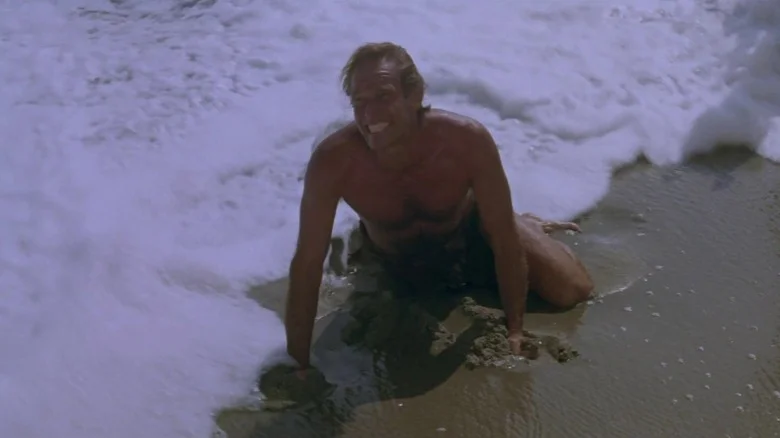
10. “You maniacs! You blew it up! Ah, damn you! Goddamn you all to hell!” — Planet of the Apes
10. “You maniacs! You blew it up! Ah, damn you! Goddamn you all to hell!” — Planet of the Apes
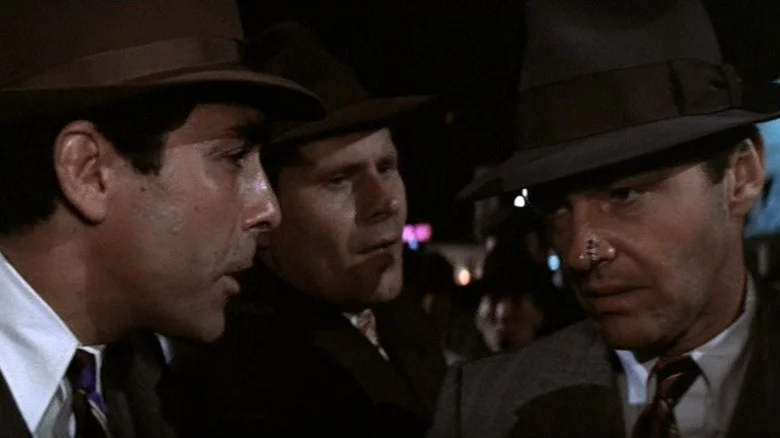
9. “Forget it, Jake. It’s Chinatown.” — Chinatown
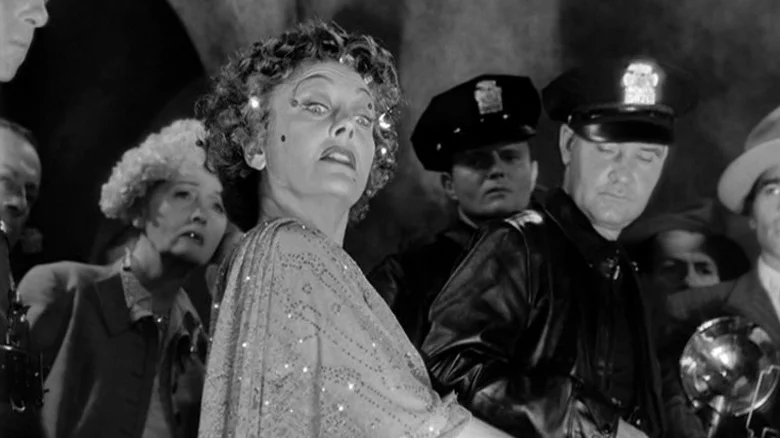
8. “All right, Mr. DeMille, I’m ready for my closeup.” — Sunset Boulevard
7. “As you wish.” — The Princess Bride
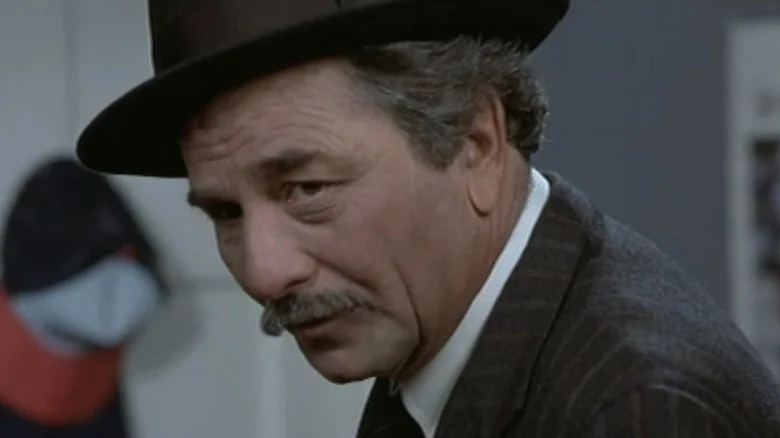
6. “I am Iron Man.” — Iron Man
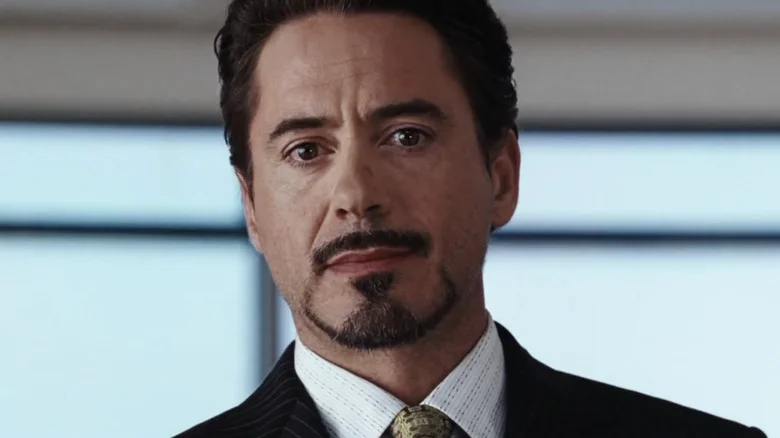
5. “Hail to the king, baby.” — Army of Darkness
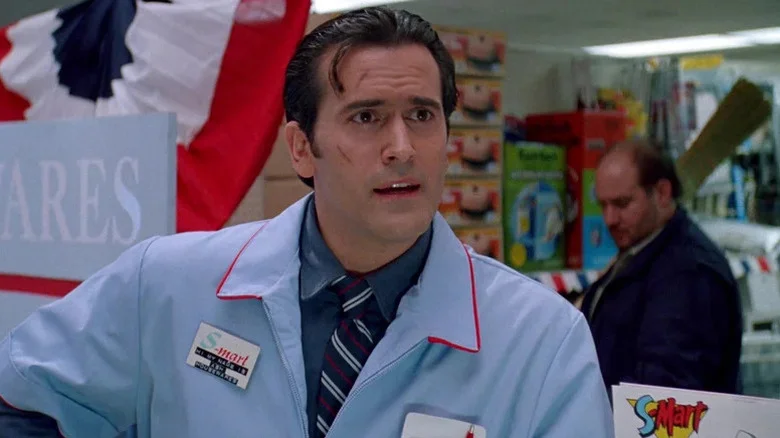
4. “The horror… the horror…” — Apocalypse Now
4. “The horror… the horror…” — Apocalypse Now
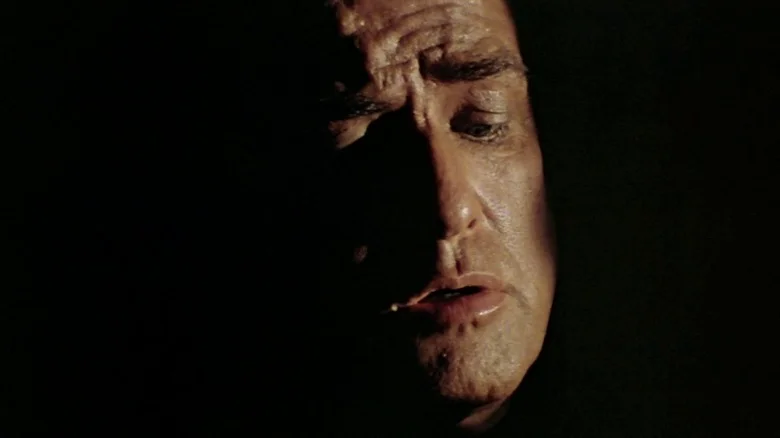
Francis Ford Coppola’s Apocalypse Now is among his finest films, though the ordeal of making it has become nearly as famous as the movie itself. Its ending circles back to the opening’s disorientation: The Doors’ “The End” accompanies a surreal finale in which Captain Benjamin Willard (Martin Sheen) carries out his mission and kills Colonel Walter Kurtz (Marlon Brando), the rogue commander who has built a private army.
Kurtz’s last words give the film its bleakest kind of summary. The horror he names reaches beyond his own death; it speaks to what he has seen in Vietnam and to the war’s power to leave people damaged, detached, or searching for escape in drugs. That’s why the line lands so hard. The film doesn’t offer a clean exit from its nightmare. It leaves the audience rattled alongside the characters.
3. “Roads? Where we’re going, we don’t need roads.” — Back to the Future
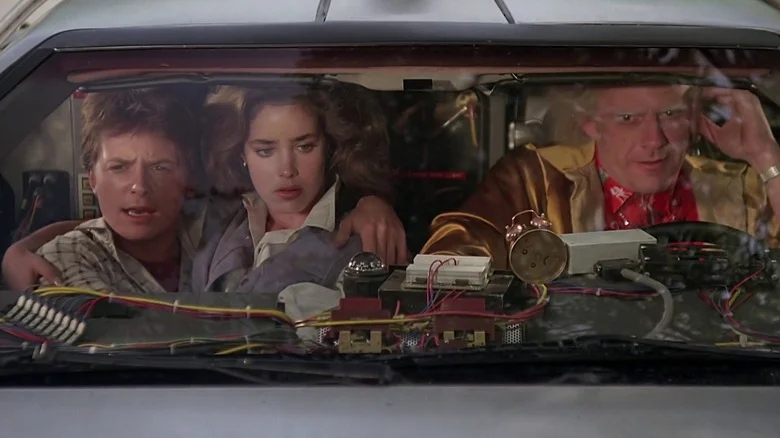
Back to the Future wraps its first adventure with a punchline that doubles as an invitation. Marty McFly (Michael J. Fox) has returned from 1955 to a changed 1985, where his family’s improved circumstances make clear how much his trip through time altered the present. Then Doc Brown (Christopher Lloyd) appears from 2015 with an urgent warning about Marty’s children—and a newly upgraded DeLorean.
Doc’s quip is the perfect promise of more trouble to come. The car lifts off, turns toward the audience, and sends the story flying beyond the road—and beyond the first film. Whether the cliffhanger needed a sequel is a matter of taste. The thrill of that image is harder to argue with. The ending helped cement the film’s lasting legacy by making its future feel wide open.
2. “I do wish we could chat longer, but I’m having an old friend for dinner.” — The Silence of the Lambs
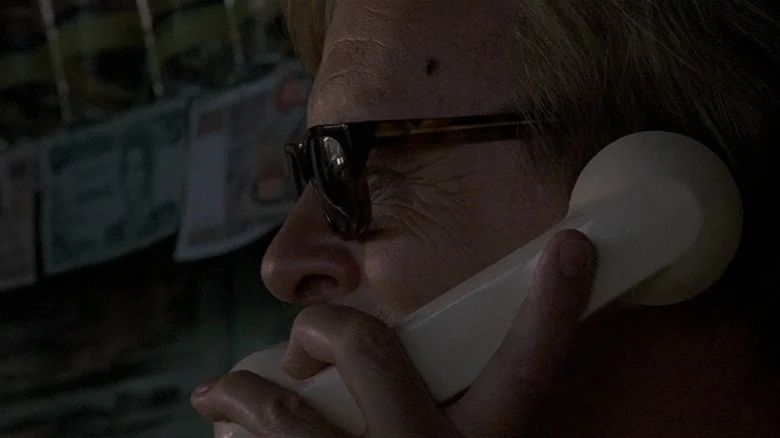
Anthony Hopkins made Hannibal Lecter’s polished manners feel like part of the threat. Some of his improvised choices helped shape that balance: Lecter is cultured and controlled, but never safe. In the final scene, he calls Clarice Starling (Jodie Foster) after escaping, then turns his attention to Frederick Chilton (Anthony Heald), the jailer who is now within his reach.
The line works because it snaps their relationship back into focus. Lecter and Starling have spent the film circling each other across the boundaries of captivity and cooperation; now he’s free, and the conversation ends with him hunting again. It’s funny, chilling, and an unmistakable reminder that Lecter’s escape is no tidy resolution.
1. “I think this is the beginning of a beautiful friendship.” — Casablanca
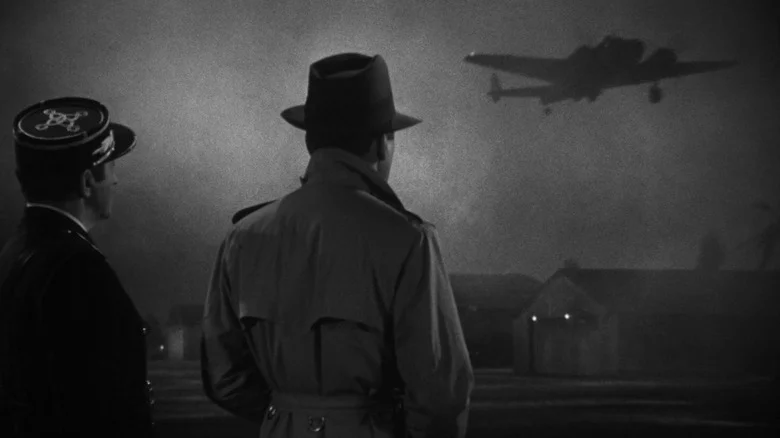
Rick Blaine (Humphrey Bogart) and Louis Renault (Claude Rains) watch a plane depart, and Rick’s parting thought turns the film’s ending toward possibility. “The beginning” is doing the work: after everything the characters have faced, the line leaves room for a new alliance rather than trying to settle the future. It’s a graceful close because it sounds like a conclusion while still opening a door.