Why Patrick Stewart’s Nightmare Before Christmas Narration Isn’t in the Film
Patrick Stewart’s voice is part of The Nightmare Before Christmas—just not the version heard in the film. He recorded expanded narration for the soundtrack album, while the movie uses a shorter opening read by Ed Ivory, who also voices Santa Claus. That distinction can make Stewart’s presence on the album look like evidence of a role cut from the finished picture. The production story points somewhere simpler: the two recordings served different versions of the story.
The distinction matters because Stewart’s tracks can make his absence from the film seem like a casting mystery. The explanation is simpler: composer and songwriter Danny Elfman wanted additional narration for the album. Richard Kraft, Elfman’s talent agent, said in a Facebook post that Elfman wanted to bookend the soundtrack with narration that expanded on the movie. Kraft knew Stewart’s agent and helped arrange the recording. In other words, the album gave Elfman room to shape a listening experience around the film, rather than simply reproduce its dialogue.
Two versions of the opening
The film’s opening introduces a woodland clearing and a circle of doors leading to different Holiday Towns. Ivory’s Santa briefly explains the places behind them. Stewart’s album version gives the story’s mythology more room and hints at the plot, which draws on a poem Tim Burton wrote during his time working for Walt Disney Animation Studios. The difference is one of emphasis: the film starts the action quickly, while the album can pause to establish a mood before its songs unfold.
That distinction matters because narration does more than explain where a story takes place. It tells an audience how to listen, and Stewart’s measured delivery lends the album a formal, almost storybook quality. The film has to make the same world legible through images, music and performance while keeping its sequence of scenes moving. A fuller introduction might add texture on a soundtrack and still feel like an interruption on screen. The extra material has a natural home on the album.
Why the film’s narration changed
That extra context didn’t survive the move to the screen. Stop-motion demanded painstaking work, and the filmmakers had to keep the story moving. Henry Selick, who directed the film, described the challenge of casting Santa as “very tough” in a 2013 interview with The Daily Beast. Vincent Price, James Earl Jones and Don Ameche were considered or approached before Ivory took the role. The list shows that the part went through a search, though it doesn’t explain every consideration behind the final choice.
Selick also explained that the film’s narration changed during production. Santa’s opening passage was cut back, and an idea to have him finish the poem at the end was abandoned. “Then, later in the film, it was supposed to go to Santa Claus finishing the poem at the film’s end, but that didn’t work either, so we scrapped it,” Selick said. That account makes the shorter opening look less like an unexplained omission and more like one decision in a process of reshaping the film’s frame.
For a film made frame by frame, every added passage had to earn its place. The streamlined narration suited the movie’s pace; the longer version found a home on the album, where it could add atmosphere without slowing the story. This is more significant than it looks: the different cuts show how a film and its soundtrack can use the same material to do different work. One establishes a world on screen, while the other gives listeners a slower entrance into it.
Kraft later called the recording “one of those lovely occasions when a friendship helped bring a creative idea to life,” adding that Stewart “did a wonderful job.” His deep, measured delivery gives the soundtrack’s framing passages a ceremonial feel. So Stewart wasn’t simply removed from a finished film: his narration was created for the album, while the movie’s Santa ended up with a different voice and a leaner script. A different format, and a different purpose.
Patrick Stewart’s narration was made for the soundtrack
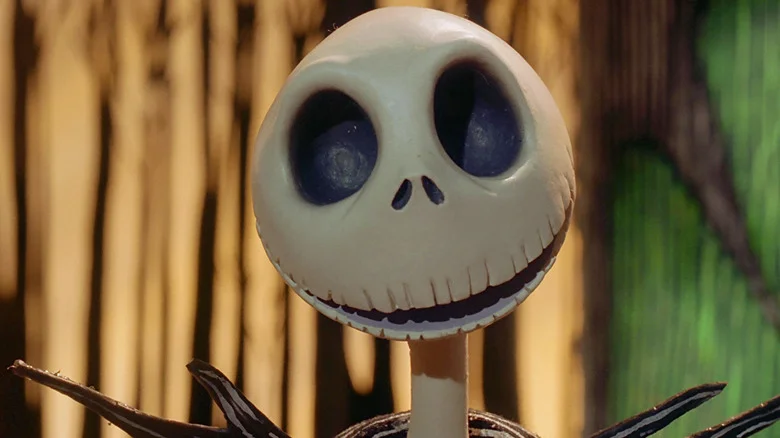
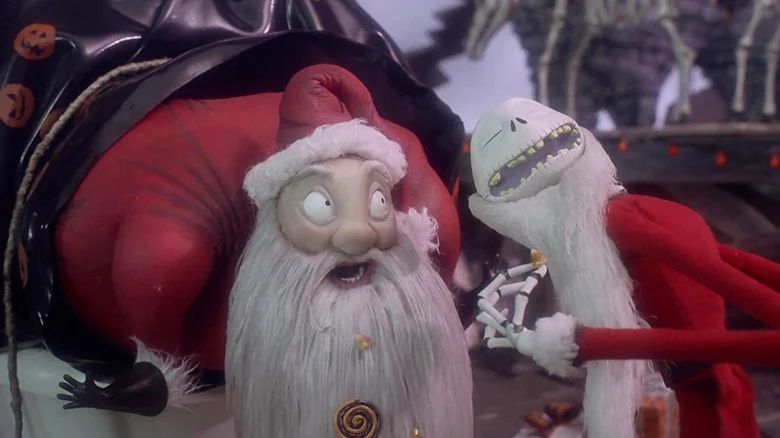
The soundtrack’s expanded narration remains a way to hear Stewart bring weight and ceremony to the film’s story. The movie keeps its tighter version; the album preserves the fuller framing idea Elfman wanted listeners to hear. The two cuts offer a useful reminder that a performance can be made for a project without being destined for its final edit. Stewart’s recording belongs to the film’s wider creative history, even though audiences don’t hear it in the movie.
What the alternate narration adds
For fans revisiting the classic, the two versions offer different pleasures: one keeps the screen story brisk, while the other lets Stewart linger over its peculiar holiday mythology. If you’re listening to the album after watching the film, that added narration can change the rhythm of the opening and foreground the story’s fable-like quality. It won’t replace the movie’s visual introduction. It gives the same material a second frame.
Making a stop-motion feature required painstaking effort, then as now; the team behind Laika’s fantasy film “Wildwood” has discussed the demands of the form. Selick’s comments suggest those constraints shaped the film’s narration, too. The practical point is modest but revealing: when production involves work this painstaking, choices about pace and length carry weight across the finished sequence. Stewart’s performance endured on the soundtrack, a fitting reminder that a passage left out of a film can still find its audience in another format.
For more on Selick’s role in the film, see his comments about being associated with Tim Burton. Selick directed The Nightmare Before Christmas; Burton wrote the story and produced it. Keeping those roles clear helps explain the film’s creative history without turning Stewart’s album narration into a cut-casting story. For viewers, the distinction is simple: the soundtrack offers an expanded reading, and the film tells the tale with a shorter one.