Women in San Antonio Mariachi Find Power in the Traje de Charro
|
5 min read
A mariachi suit can change the room
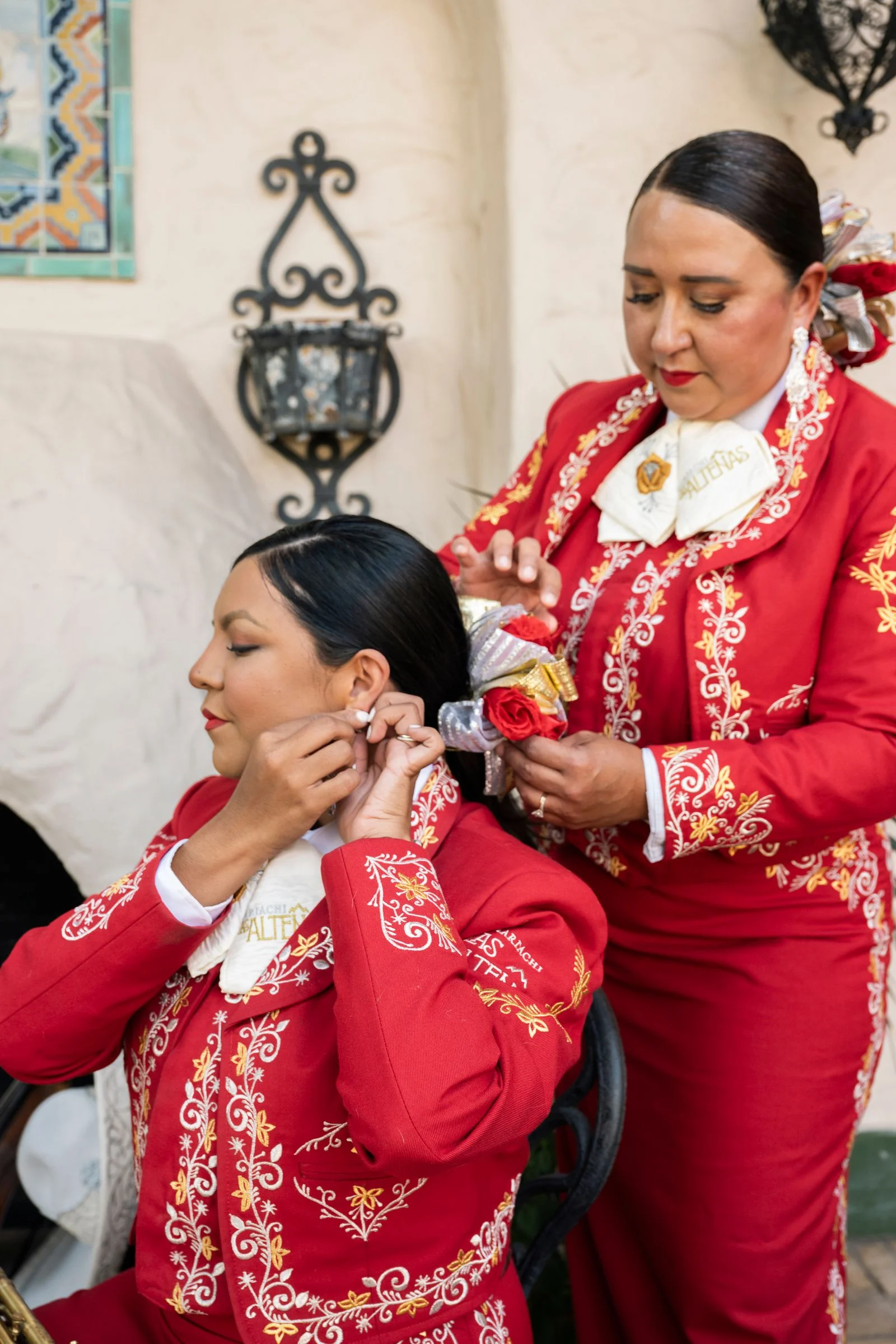
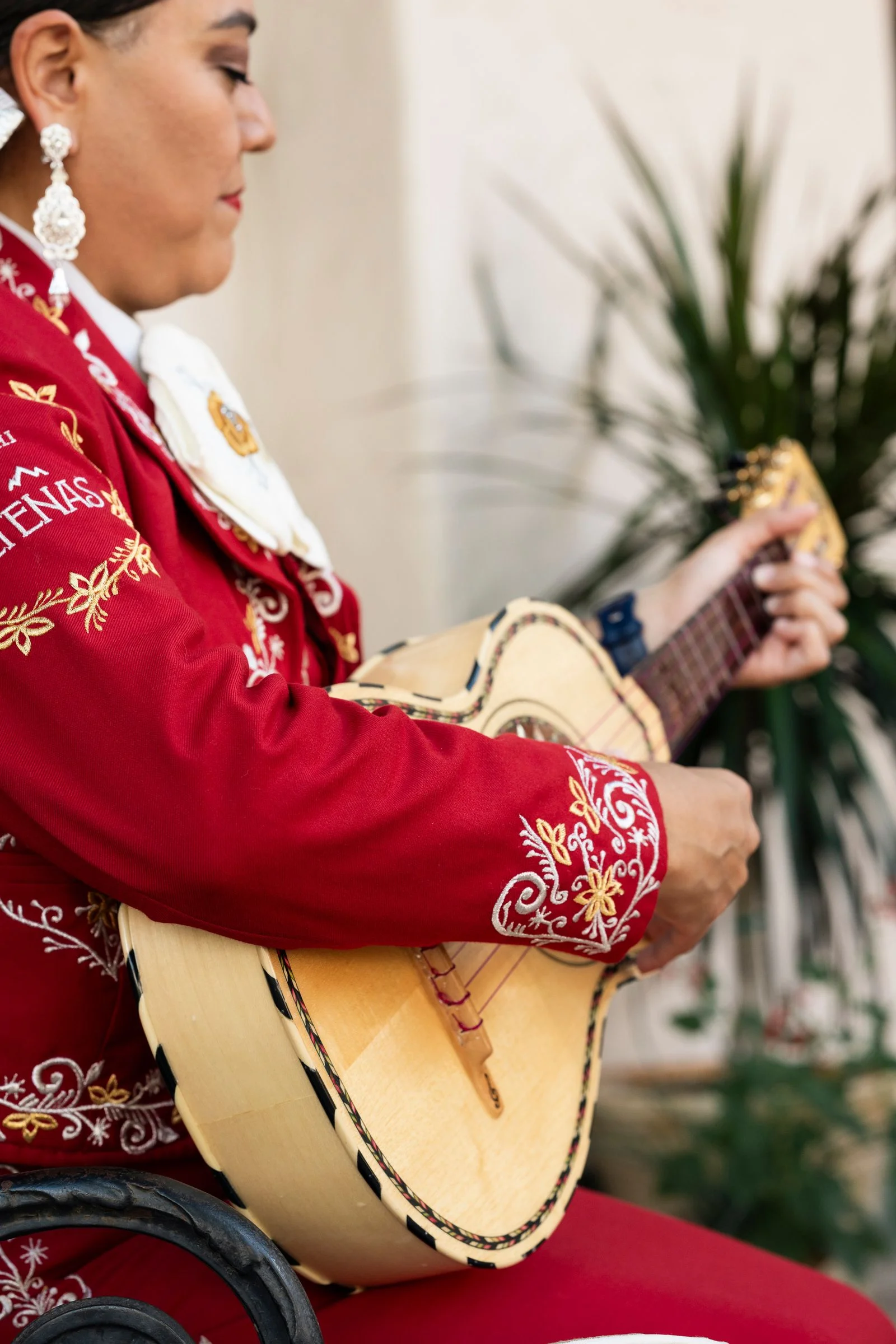
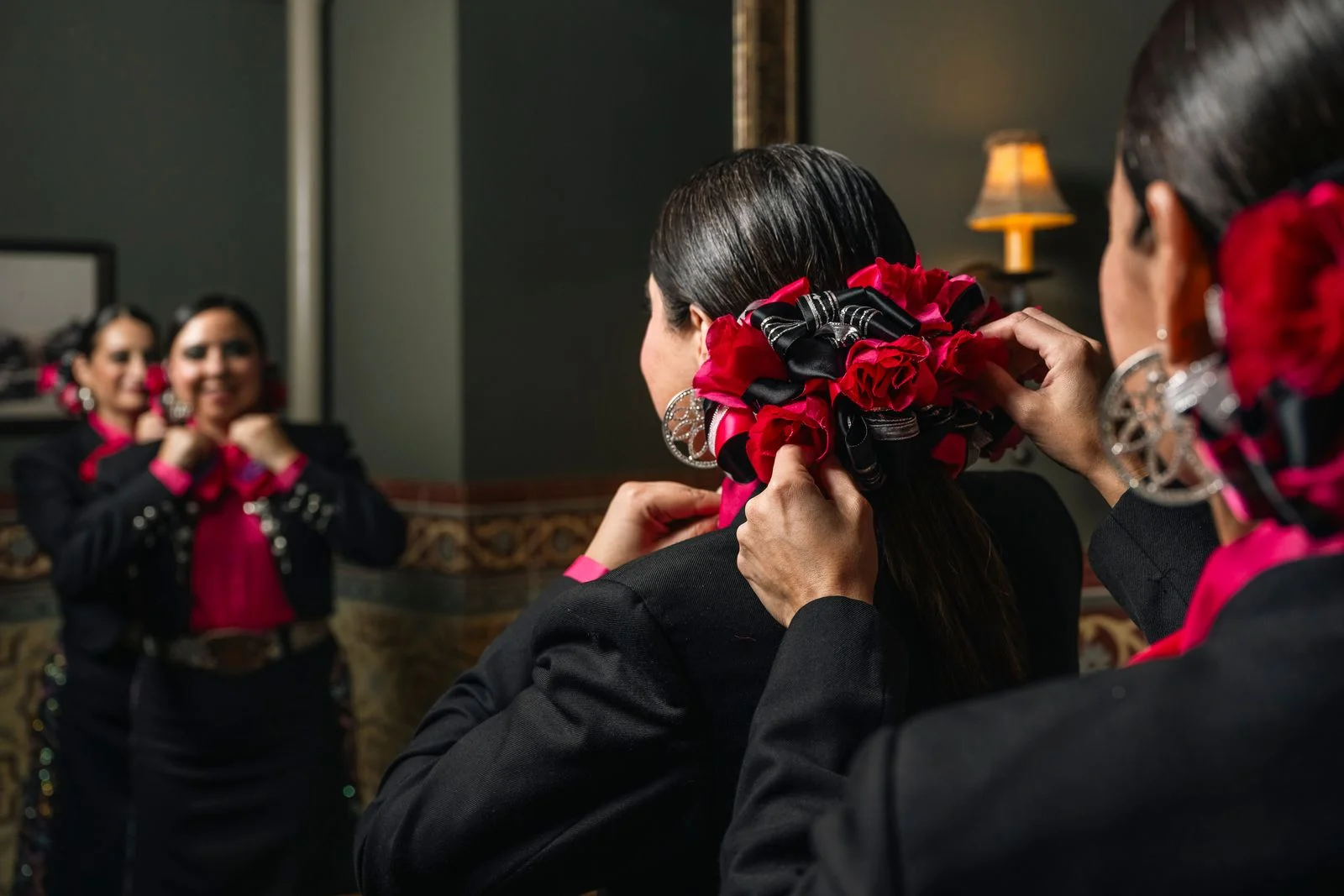
Sonia Marín is shy away from the stage. Put her in a navy traje de charro, violin in hand, and she can make a heartbreak song feel personal to everyone listening. “When I step onstage, I can feel like I’m going to make you fall in love with me, or perhaps cry, because that’s what the song is asking,” she says. That shift is part of the story of women in San Antonio mariachi. Marín performs with Mariachi Damas de Jalisco, an all-female group whose members still surprise audiences accustomed to seeing men in mariachi bands. Their suits make the work visible, too: each can cost up to $1,200 and take a dressmaker at least ten hours to sew. A woman in San Antonio makes the band’s outfits. 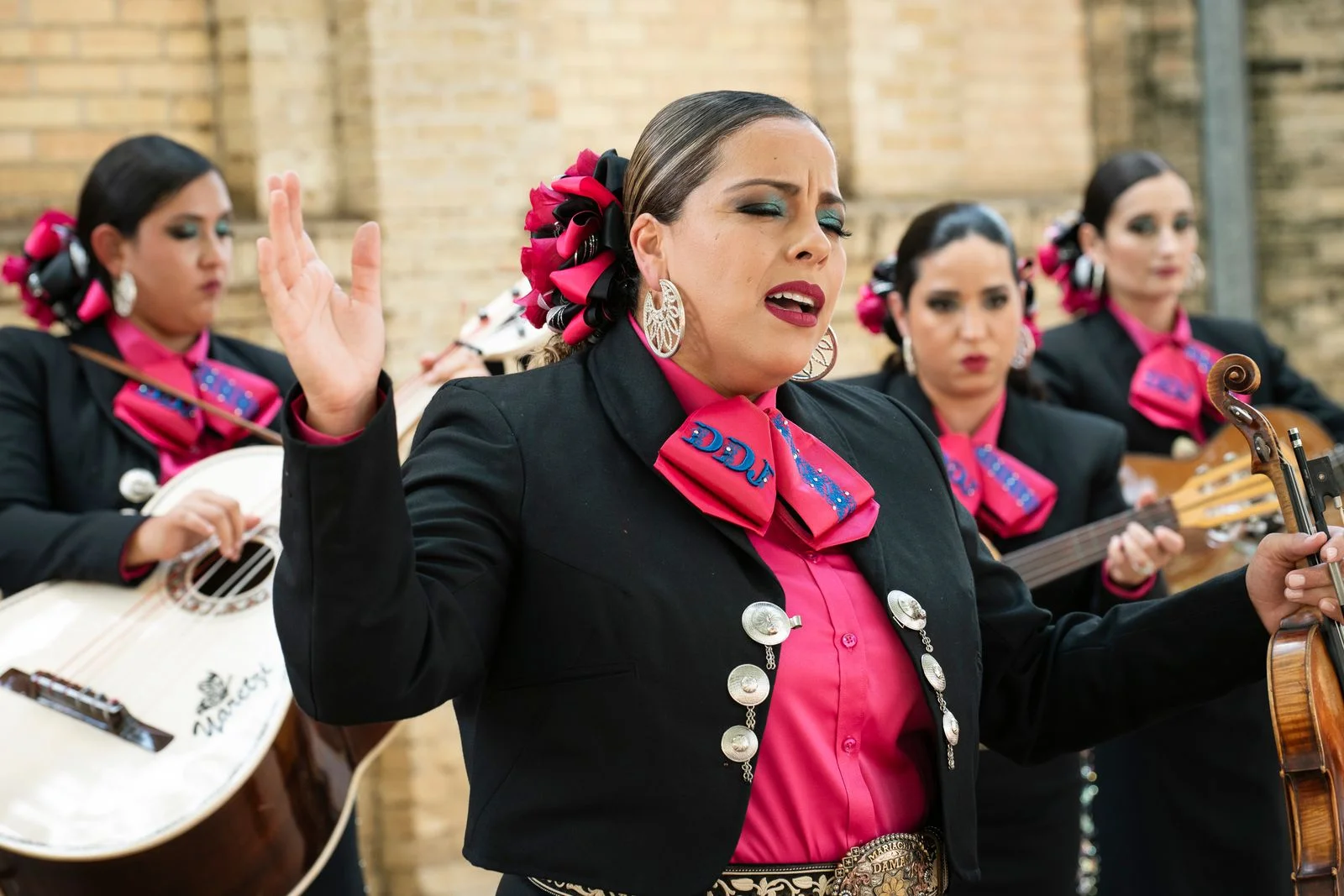 *Marín performs with her band outside Stable Hall. “We spend up to $1200 on each traje de charro and it can take the dressmaker at least ten hours for them to make a single suit. We have a woman in San Antonio who makes them up for us,” she says. Photo: John Davidson* “When I put the traje on and join the women in the band, it’s empowering. It’s go time,” Marín says. The clothes don’t erase the barriers she faced, but they give her a way to step into the role she chose. 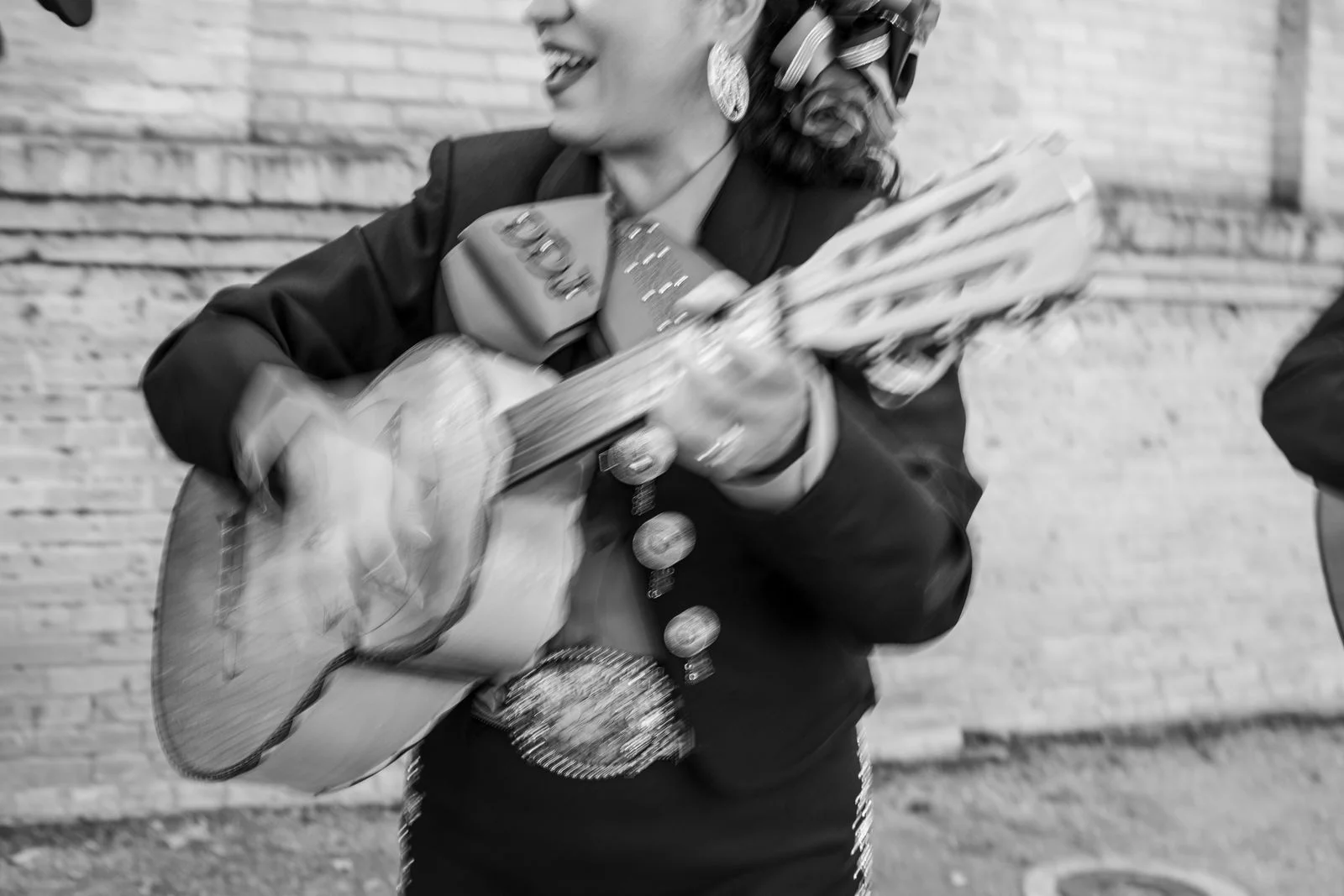 *“They always expect at least one male mariachi to show up. It can still be a surprise for the audience to see an all-female band,” says Dolores Samaniego. Photo: John Davidson* Mariachi has roots in 19th-century Jalisco, in western Mexico, and its performance tradition was long dominated by men. Women who wanted to join faced skepticism about their musicianship as well as the familiar expectation that they should stay home. School programs introduced in the United States during the 1970s, especially in California and Texas, opened more doors for girls to learn and perform. Still, female players could be competing for only one or two places in a mostly male band. 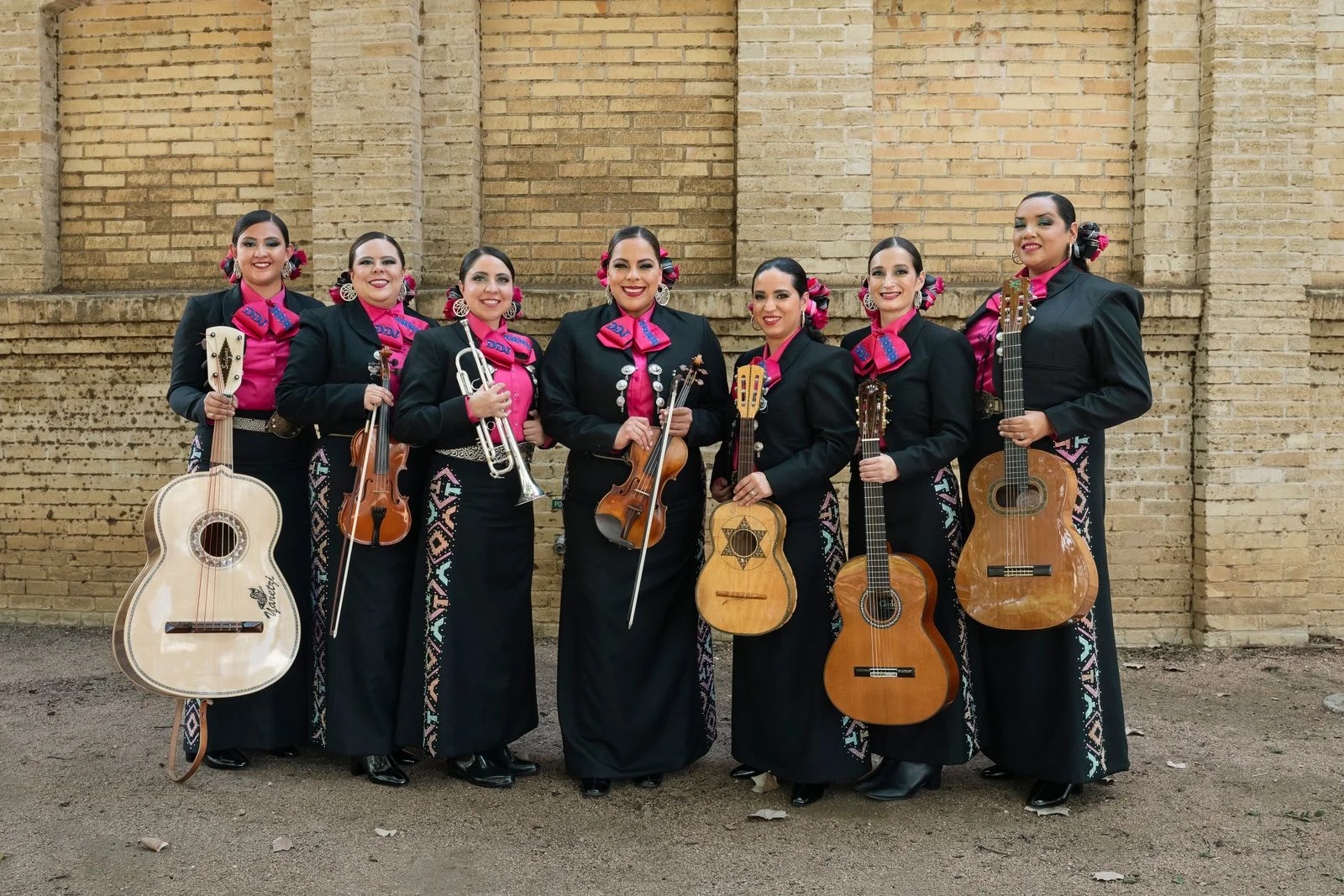 *Photo: John Davidson* Here’s the thing: mariachi isn’t just a genre people go out to hear. For many families, it marks the major passages of life, from baby showers and communions to weddings and funerals. Marín was 13 when a band of young musicians playing songs by Vicente Fernández, her idol, performed at a family party. “A few days before the party, I said to my mom, I feel that something in my life is missing. So, we go to this party and the band walks in, and they’re kids my age, but they’re playing Vicente Fernández, who is my idol,” she recalls. “I remember seeing them play, turning to my dad and saying that’s what’s missing: I need to be a mariachi.” 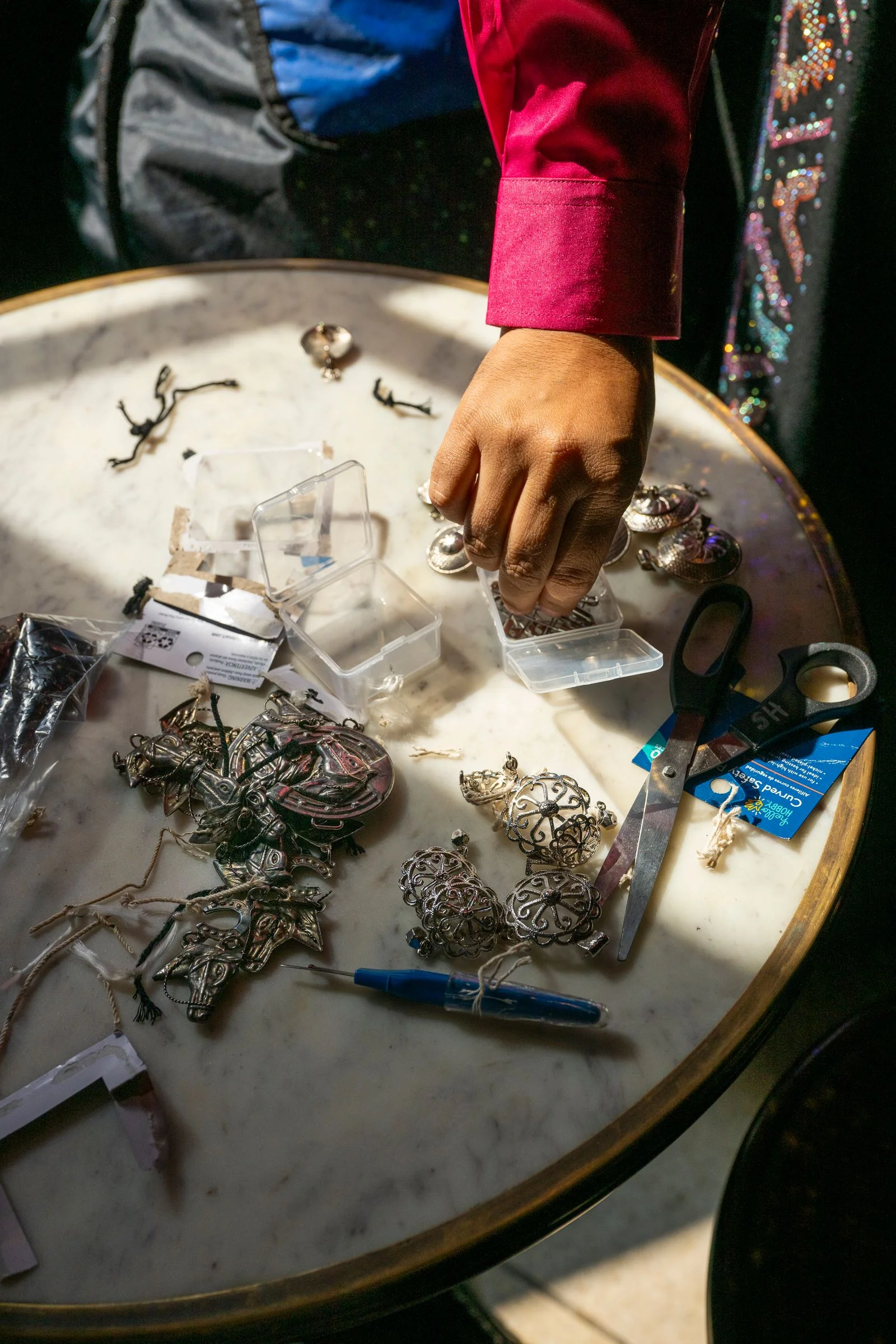 *The band’s black formal suits are decorated with silver botonaduras, metal buttons used on the gala version of the traje de charro. Photo: John Davidson* 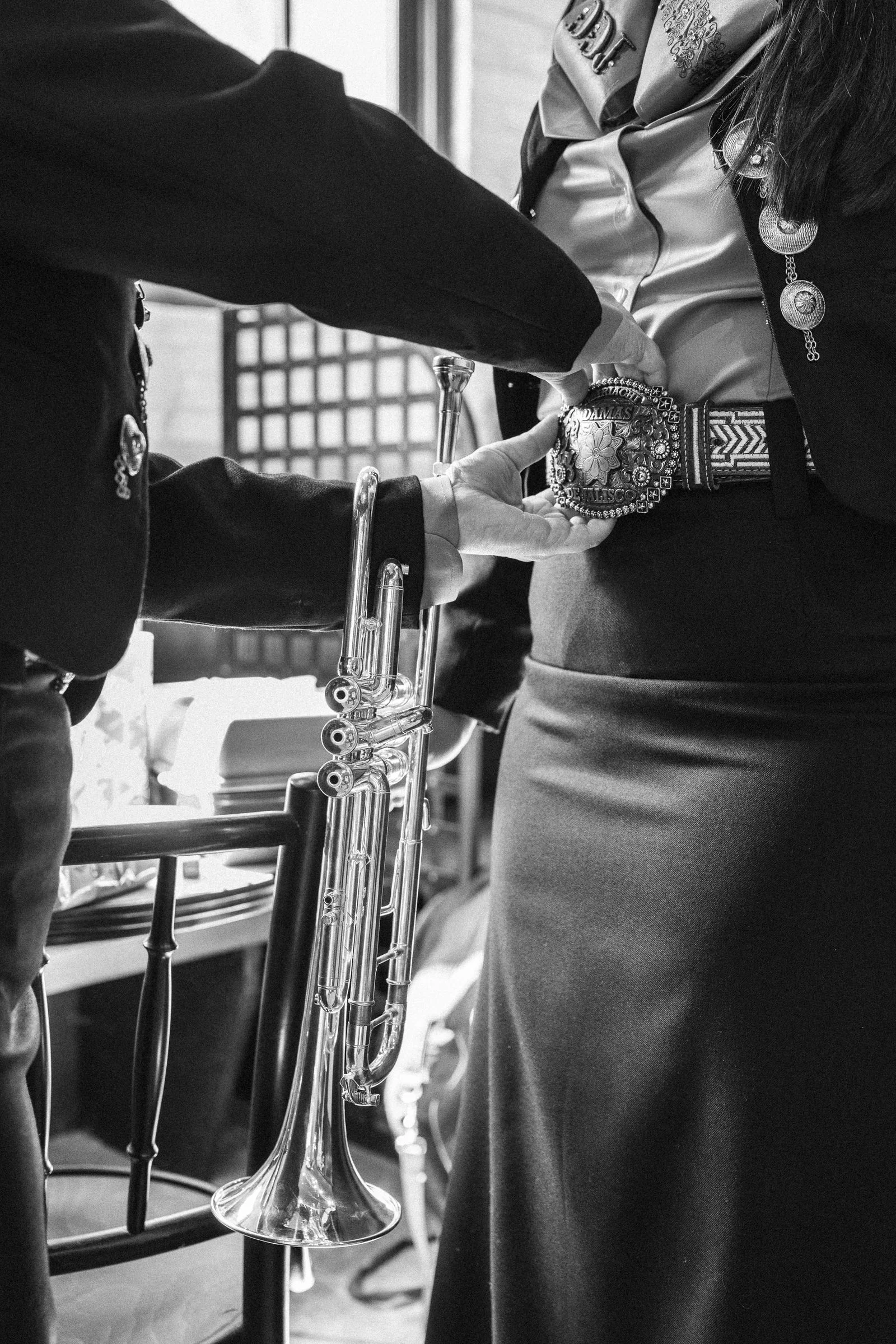 *The group typically needs about an hour to get ready for a performance. Photo: John Davidson* Marín’s account gives the tradition a personal starting point; the band’s presence gives it a public one. The audience may still expect a man to arrive with the instruments. The women arrive together, dressed for the occasion and ready to play.*Making room in a tradition
Elizabeth Sosa’s route into mariachi began in mixed-gender bands in San Antonio—and ended with her starting her own. “I was in a group with a male director, and it just didn’t feel great, so I left to build my own group.” In 2005, she founded Mariachi Damas de Jalisco. Since then, the band has played in Brazil during the FIFA World Cup, entertained troops in South Korea, warmed up Dallas Cowboys crowds and performed at the Houston Rodeo. The bigger shift is in what the band plays. Mariachi has long carried men’s voices and perspectives in songs about love and life. Sosa says her group is widening that repertoire with songs made famous by women, along with pop. That may sound like a small change in a set list. It isn’t: who gets to sing, and whose stories become part of the tradition, matters.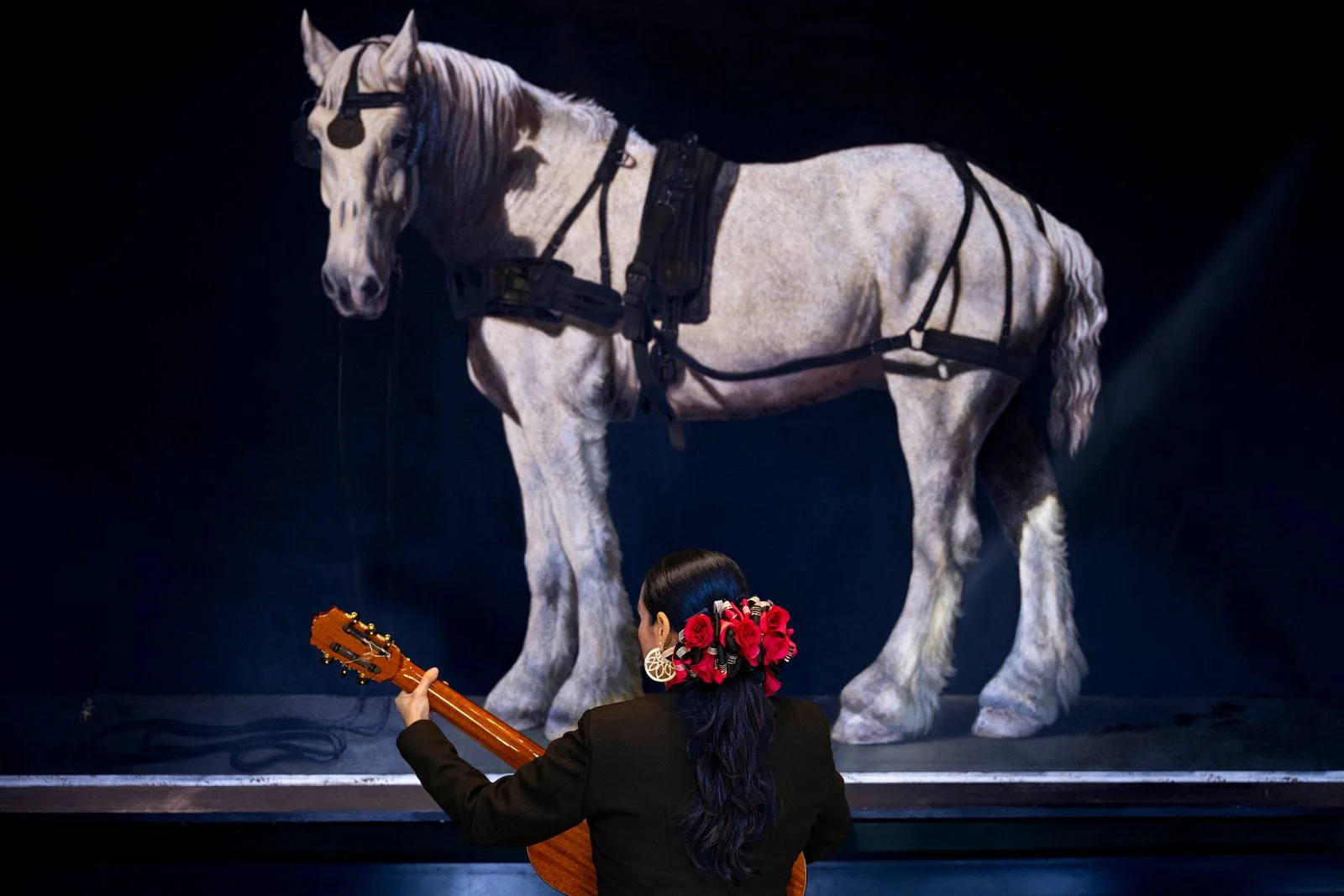
Performance, down to the details
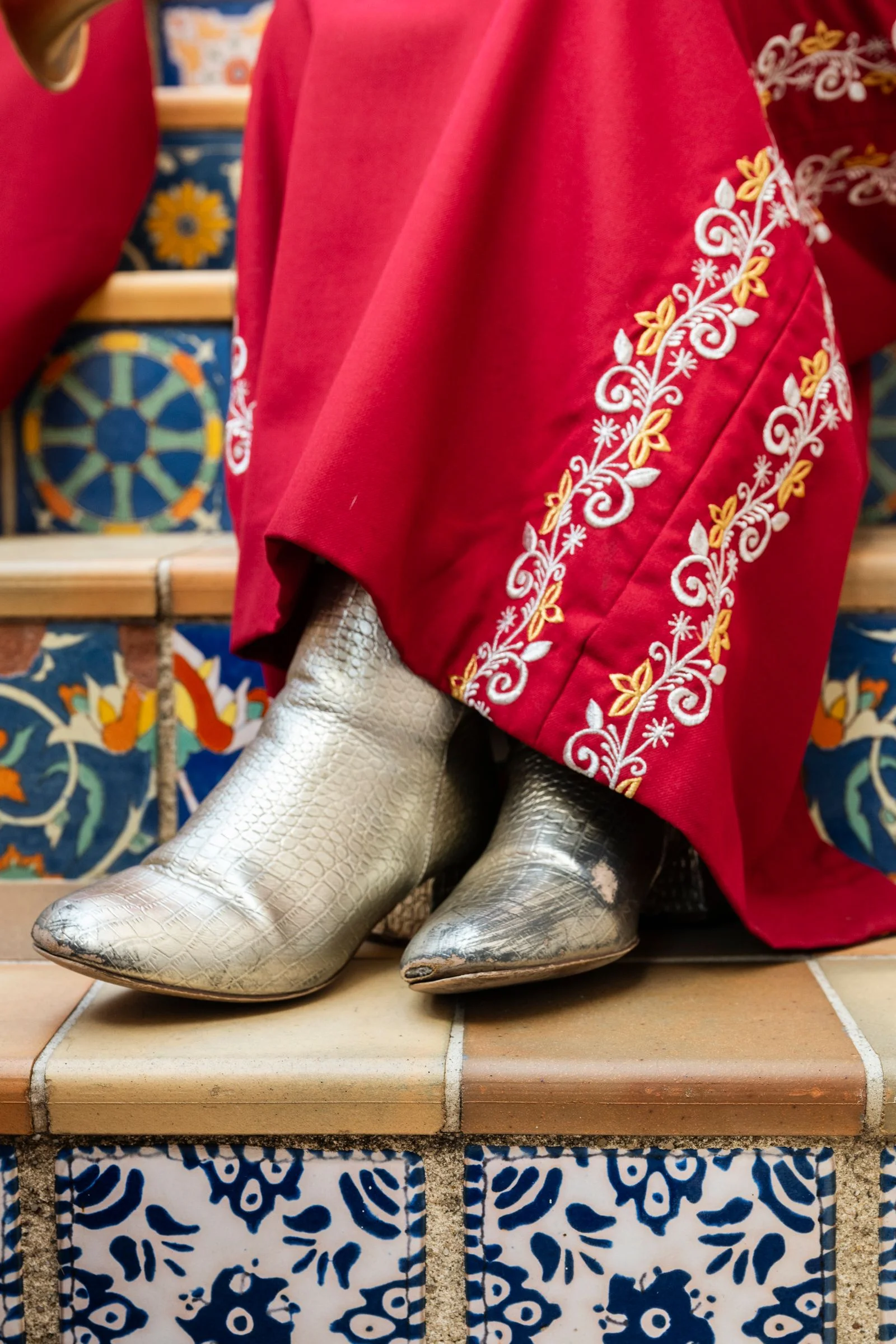
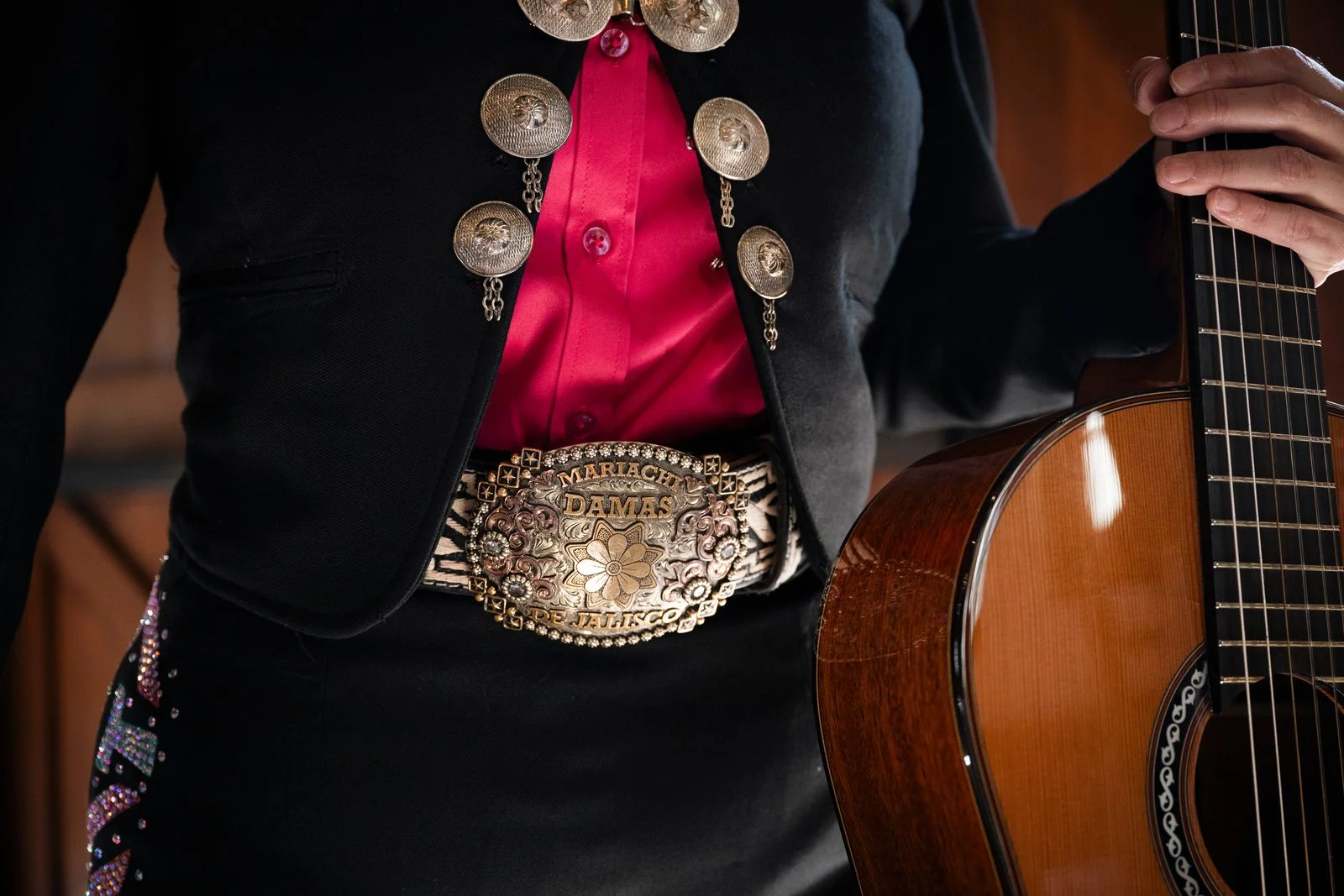
Rhinestones catch the sun along Sosa’s skirt, arranged in a pattern that pays tribute to the San Antonio Spurs. The design echoes botonaduras—rows of decorative silver buttons worn on charro trousers and skirts at Mexican rodeos. Mariachi’s signature traje de charro, inspired by traditional horsemen’s clothing, took shape in the early 20th century.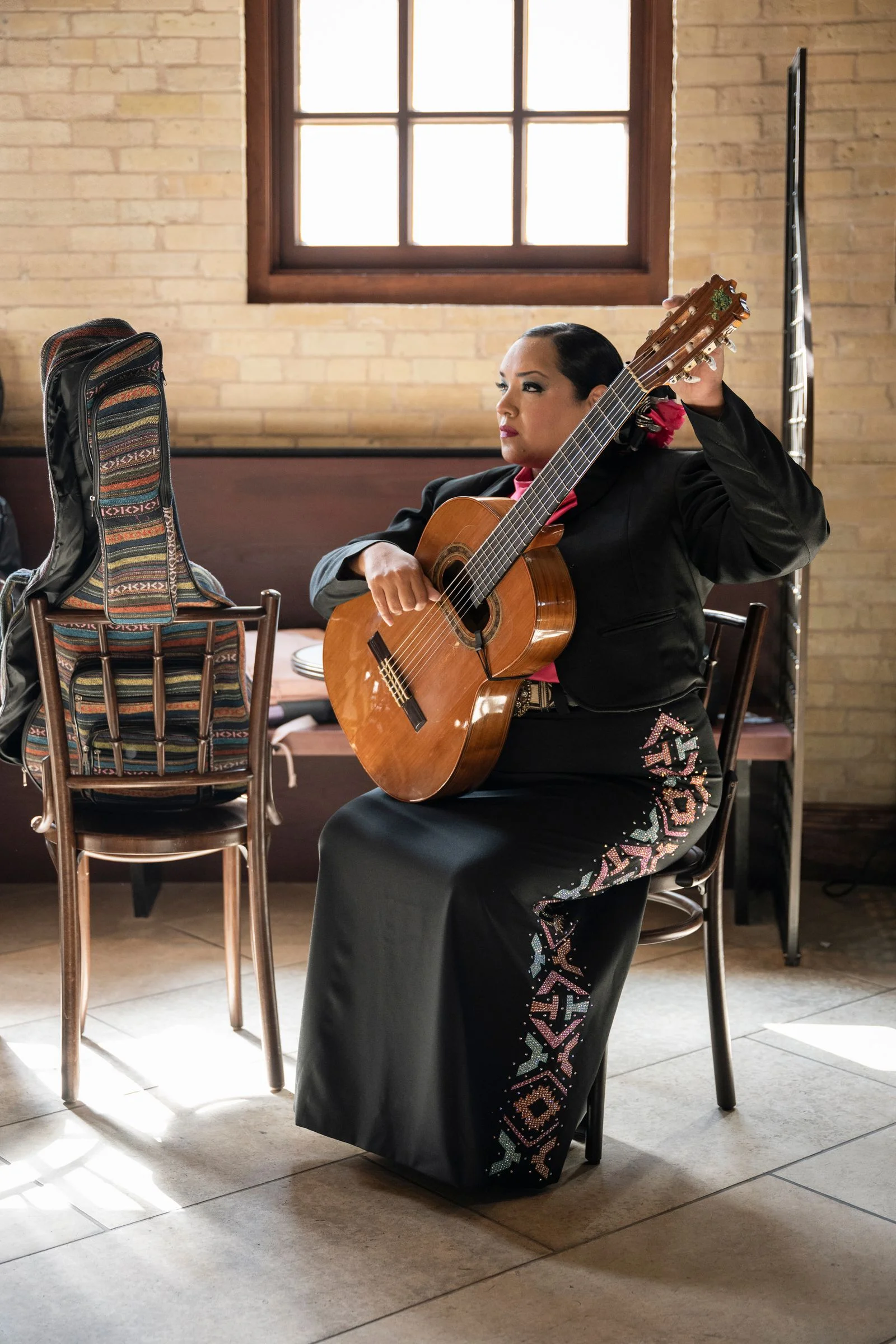
From resistance to bookings
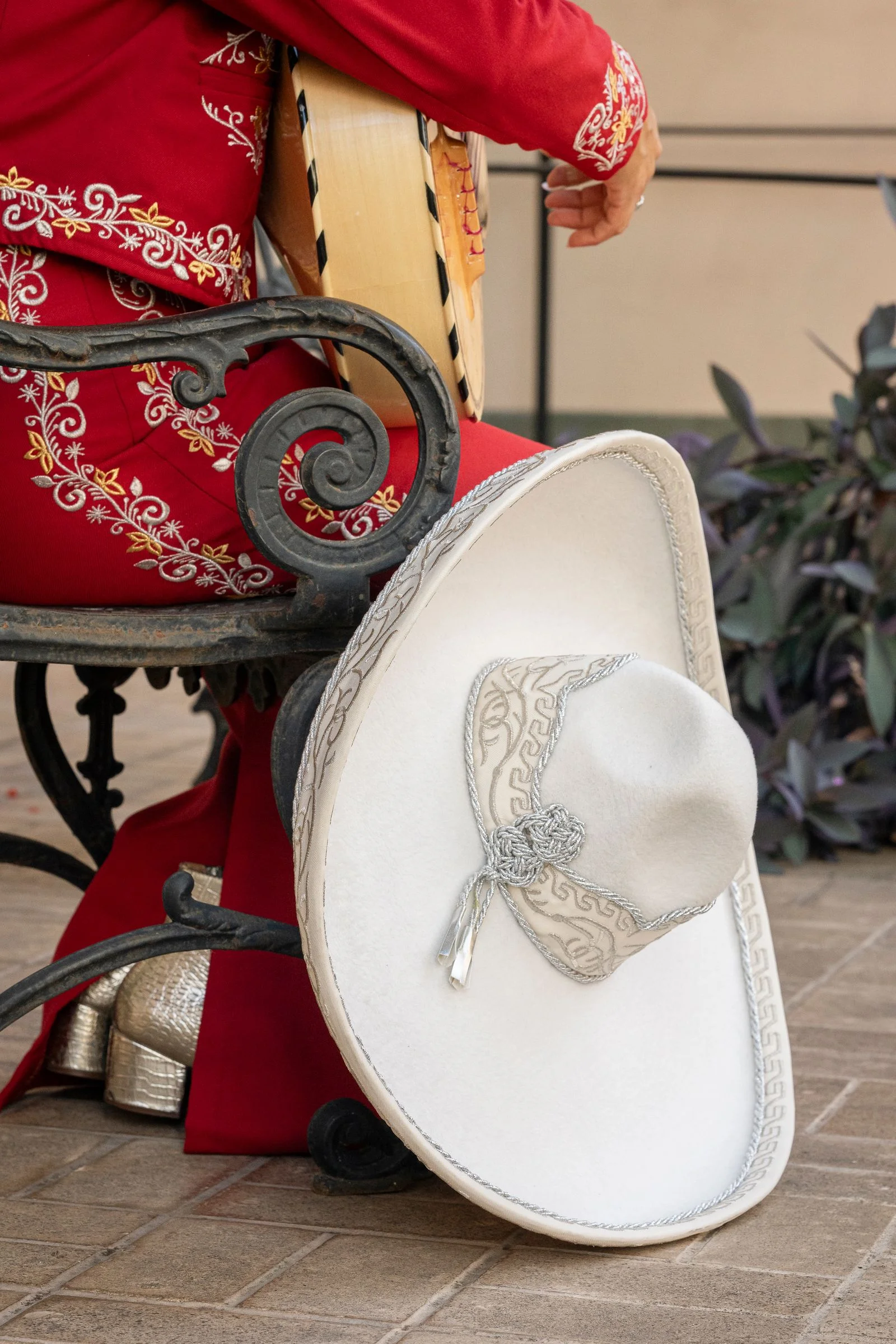
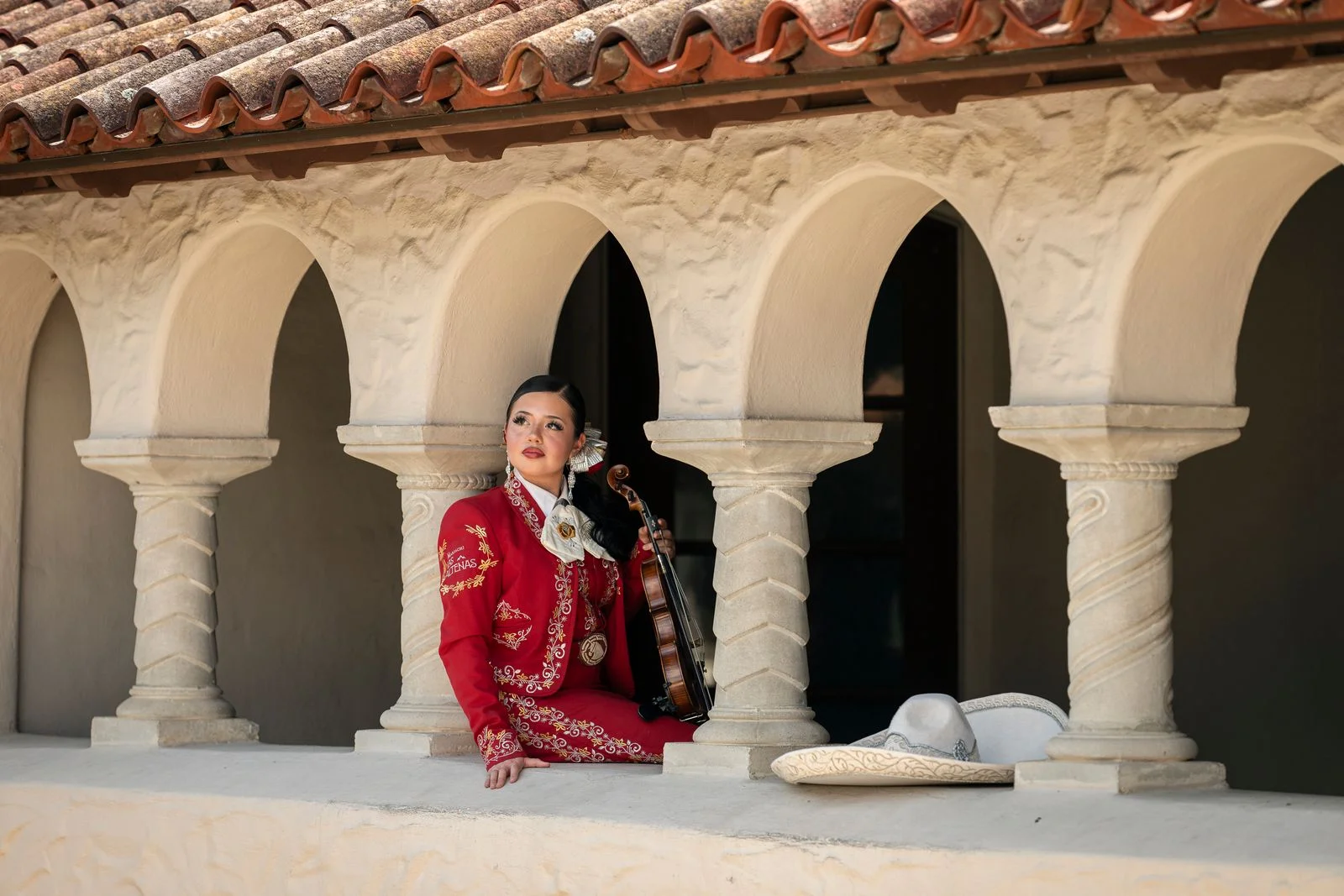
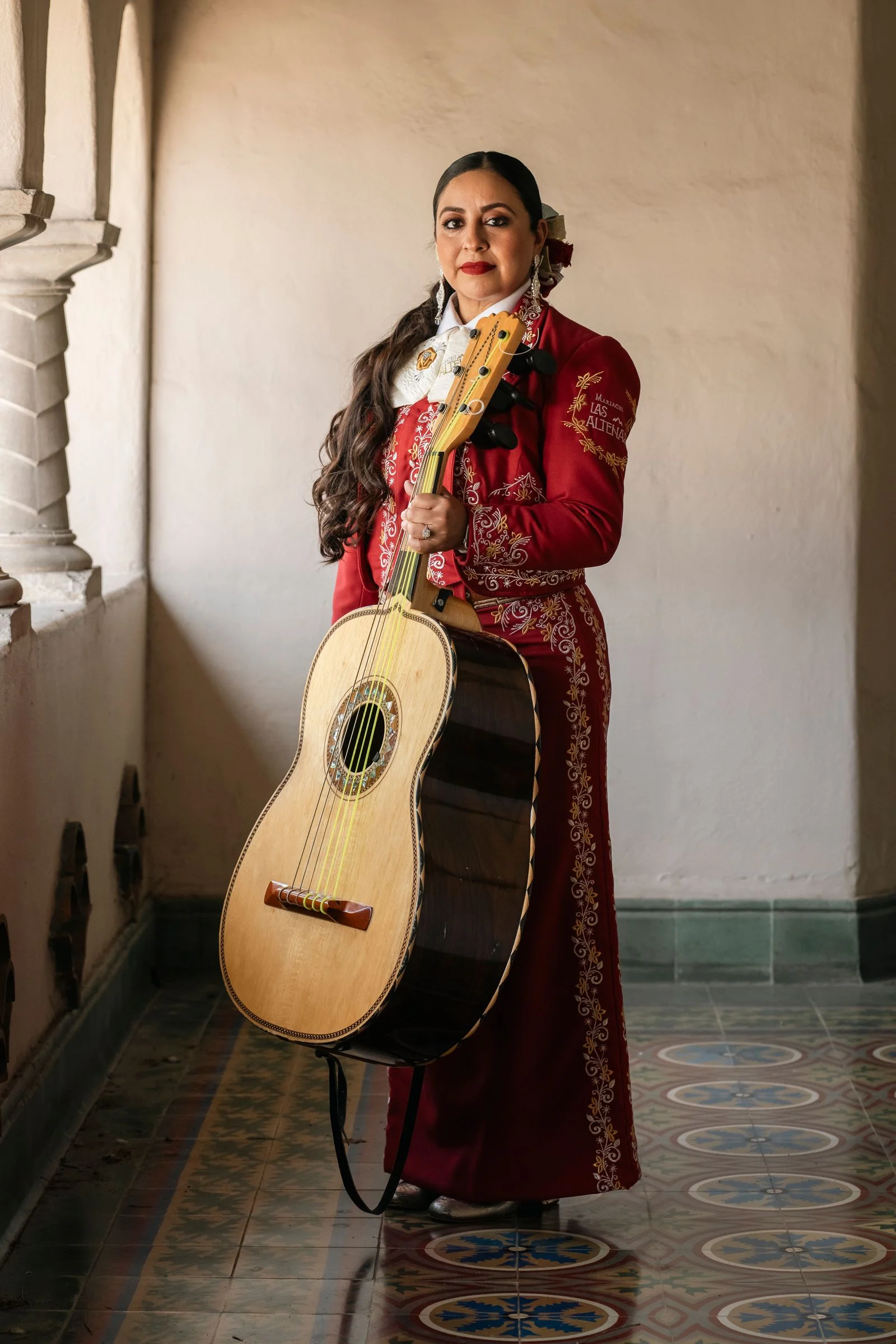
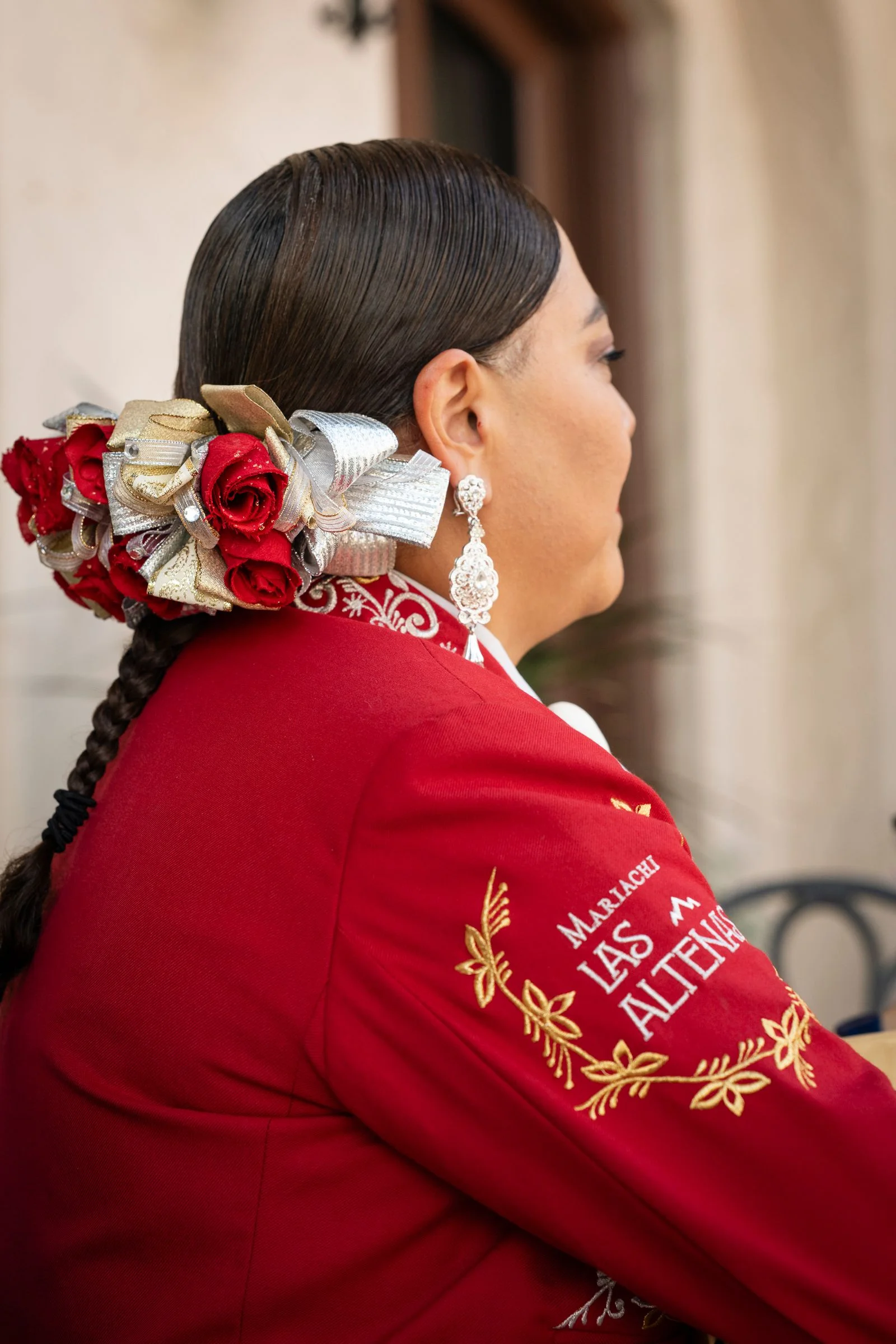
At the McNay Art Museum, founded by a woman and housed in a 1920s Spanish Colonial Revival mansion, another all-female group makes its entrance. Six members of Mariachi Las Alteñas cross the palm-shaded, mosaic-tiled courtyard in cherry-red suits embroidered with silver. Gold stitching edges their white sombreros; chandelier earrings swing as they walk. The afternoon is pushing into triple digits, and they still look immaculate.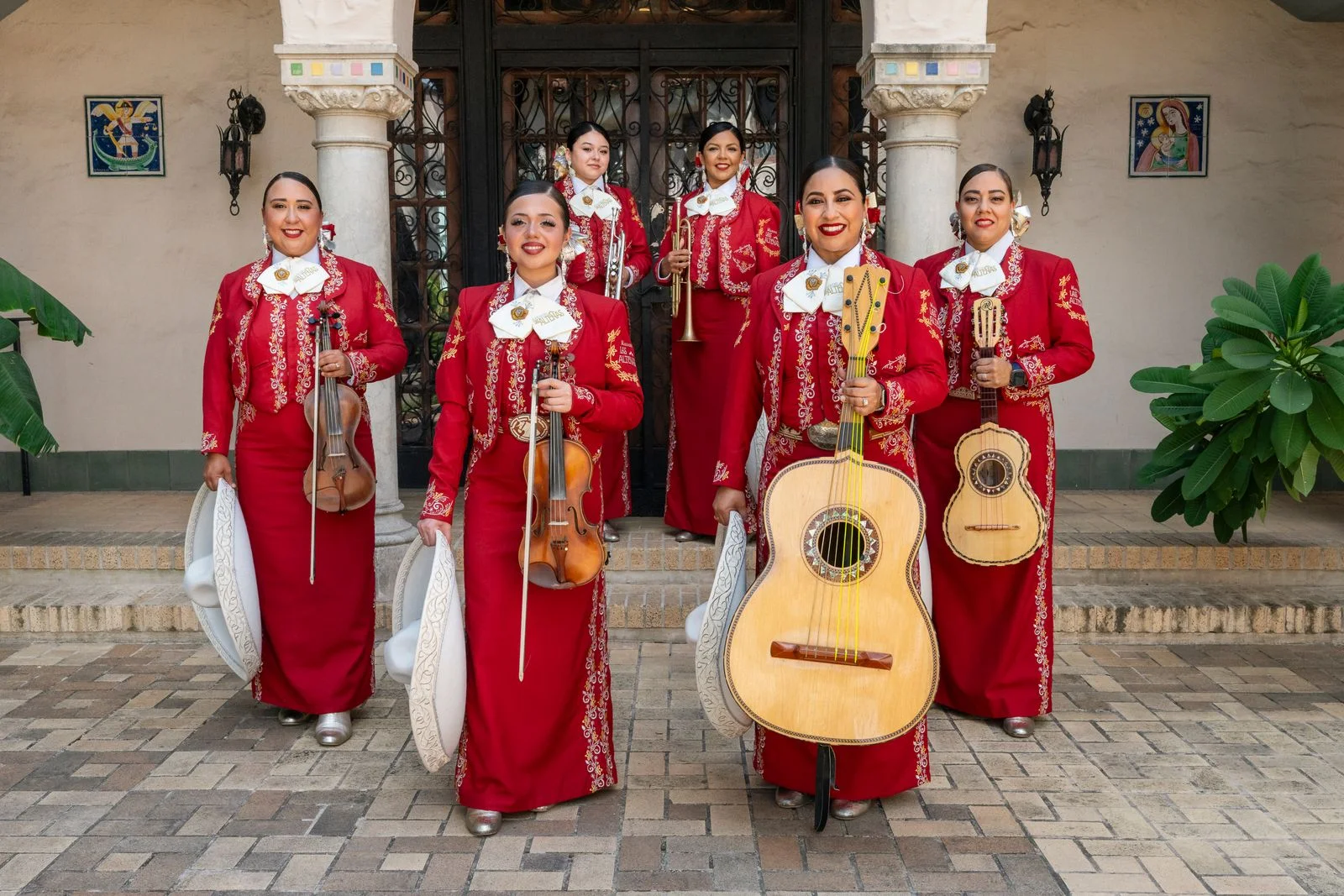
Tradition, with room for a new set list
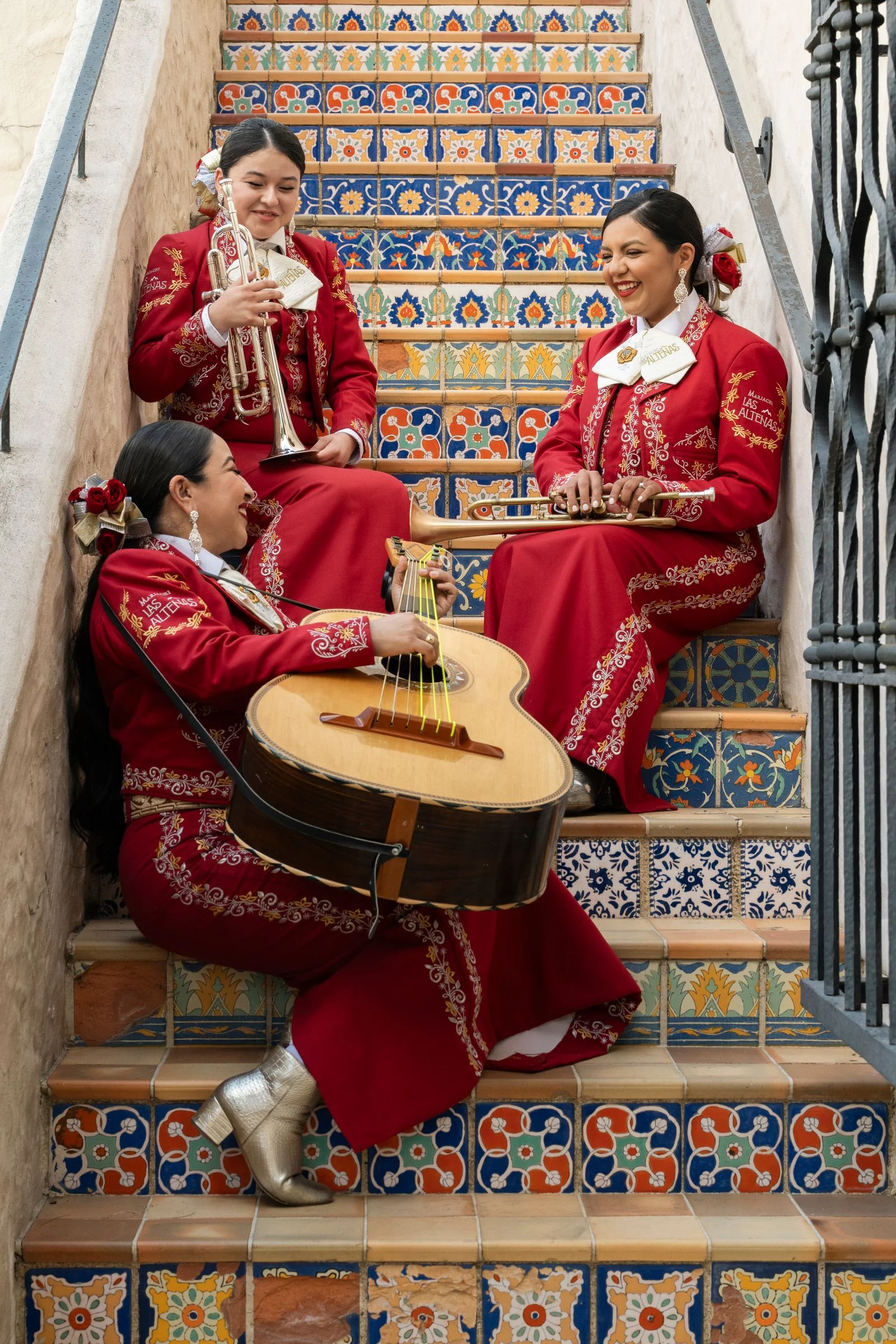
Mariachi Las Alteñas treats crossover as part of the repertoire. Bad Bunny and Guns N’ Roses can share a set list; the group has opened for country band Midland and performed “Singles You Up” with Jordan Davis, in an arrangement by Taylor Swift musical director David Cook. The influence also runs the other way. When Bruno Mars released “Risk It All,” trumpeter and vocalist Claudia-Renee Gonzalez heard a mariachi reference in the song. The band made its own mariachi version, which she says “got everyone excited.” That exchange matters: the group isn’t just carrying a tradition forward. It’s showing how mariachi can speak through contemporary pop, too. Mariachi Las Alteñas takes its name from women of Los Altos de Jalisco, the Mexican highland region associated with mariachi’s roots. Everyone in the group sings, while also playing instruments including violin, trumpet, guitar, guitarrón and vihuela.