Why a Longtime PC User Still Prefers Windows After Switching to Mac
For a longtime PC user, switching to a Mac can unsettle more than a set of keyboard shortcuts. After more than 25 years working on PCs, Vogue writer Laird Borrelli-Persson finds that the change has disrupted the physical habits and quiet confidence built around her old machine. A computer isn’t just a place where files live; it’s also a set of repeated gestures that eventually stop requiring thought.
Her needs are practical: access to everyday documents and ample storage for image files. A new content management system for building stories felt manageable; replacing a familiar operating system has proved more personal. As she puts it, her “tech mojo” is now “experiencing something akin to an existential Mercury retrograde.” That line is comic, but the frustration underneath it is recognizable: competence can feel oddly fragile when familiar actions no longer work as expected.
Small differences, repeated all day
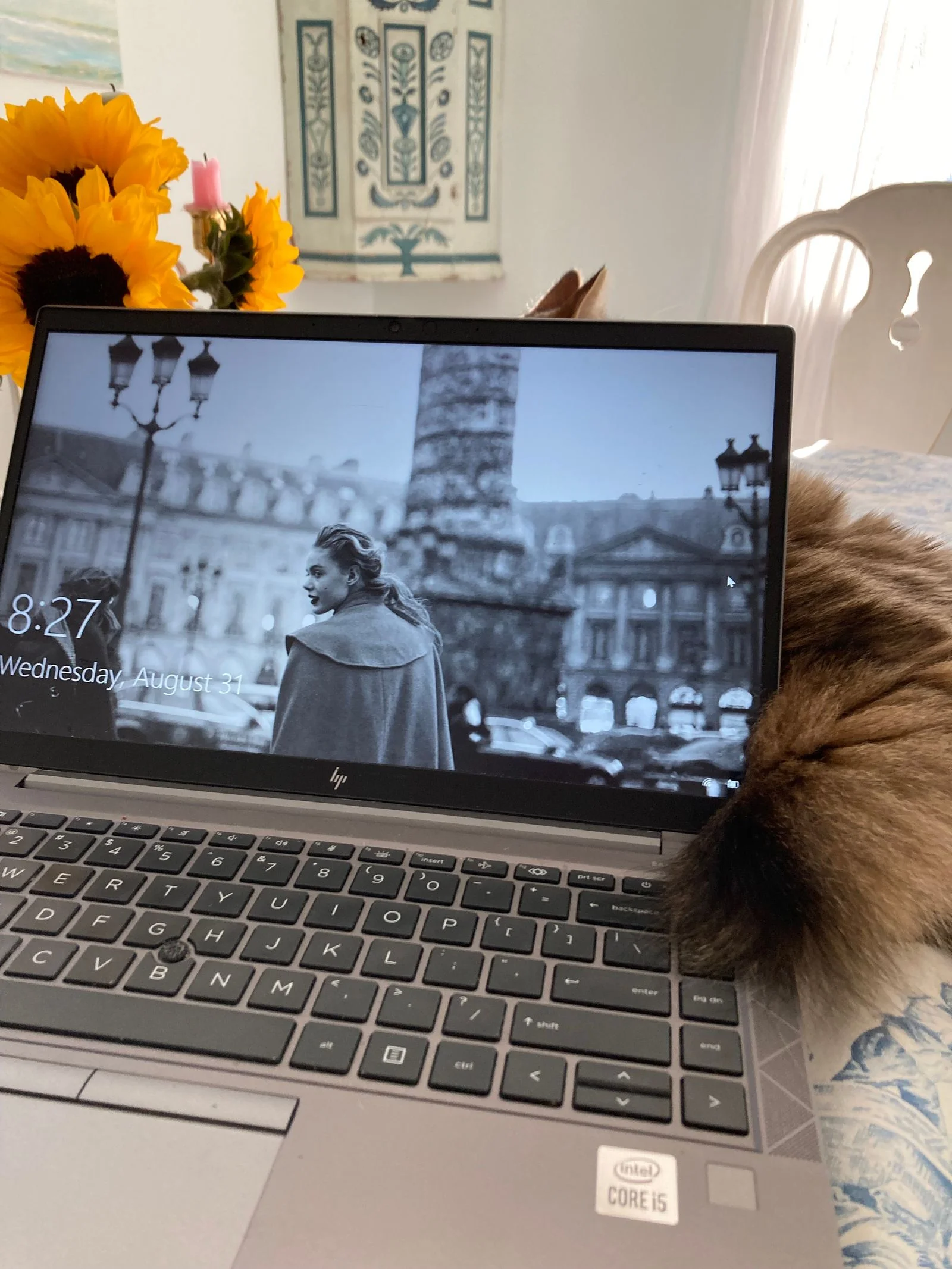
The adjustment shows up in routine tasks. Borrelli-Persson still reaches for the Mac’s screen to enlarge images, a reflex left over from her old HP ZBook Firefly G8 Mobile Workstation. Her hands also haven’t adapted to the new keyboard layout and the extra distance between its edge and the computer’s front. Each mismatch is minor on its own; repeated across a workday, these interruptions make the machine feel less like an extension of the user and more like something that needs constant attention.
Copying and pasting now takes two hands, she says, because the Command, C, V, and Z keys sit close together. Screenshots remain a challenge, another small task that can become surprisingly conspicuous when it’s part of a routine. File compression and conversion, though, have been easier than expected. That unevenness matters: switching platforms isn’t a single hurdle, but a collection of familiar tasks that may become easier, harder, or simply different.
Managing images presents a different frustration. Borrelli-Persson says she found the PC’s layout more open and easier to work in, while the Mac’s striped file lists and layered folders make her feel boxed in. The issue is partly visual, but it also affects how easily she can scan and retrieve material. For someone whose work depends on image files, a file manager is part of the daily working environment, not a background detail. She expects to learn the system eventually, but can’t say when.
Familiarity is part of the tool
That learning curve helps explain why computer preferences can feel tied to identity. Apple’s “I’m a Mac, I’m a PC” commercials, starring Jason Long and John Hodgman, gave the divide a familiar set of personalities in the 2000s. Borrelli-Persson has never found that framing persuasive. People work in different ways, she argues; the finished work matters more than the persona attached to a machine. The branding may make the choice look like a declaration, but using a computer is usually more mundane: a long chain of actions repeated until they become automatic.
Still, she’s often met surprise when people learn she uses a PC, followed by offers to rescue her from it. Knowing her way around the system gave her confidence. That confidence wasn’t a claim that one platform was superior; it came from being able to get work done without stopping to reconsider every movement. Her biggest complaint about the old computer was its weight, since she carried it almost everywhere. A familiar machine can be a poor fit in one respect and still remain the easier tool to use.
When she finally handed over the battered machine, she put her hands on it and said, “Thank you, computer, we’ve done good work together.” She admits she shed a tear. It’s a small farewell, but it captures how a work device can gather meaning through years of use: not because it has feelings, but because it has been present through the work. A new Mac may become familiar in time. For now, though, the old computer’s weight was easier to measure than the habits it carried.
The cost of starting over
This is more significant than it looks. A platform change can demand time and attention even when the underlying work stays the same, because the user must rebuild fluency one shortcut, gesture, and file routine at a time. Similar transitions often involve this kind of relearning: a task that once happened without thought becomes a sequence the user has to consciously work through.
If you’re working in this space, the useful lesson is that familiarity belongs in any honest account of a computer’s value. Speed and storage matter, but so does the effort required to feel capable at the keyboard. And this is the part most people overlook: a device can be technically adequate while still making ordinary work feel awkward. The transition may settle with practice, but Borrelli-Persson’s account leaves the timing open. For now, the gap between knowing a system and knowing how to use it.