Best Men’s Flannel Shirts for Fall: Filson, Pendleton, and More
Why a flannel earns its place
Flannel’s staying power is more than seasonal nostalgia. It brings warmth and a little roughness to fall dressing, with patterns that can make a simple outfit feel deliberate. GQ has had plaid on its 2026 trend predictions list all year, but the appeal here is specifically the heft of a brushed flannel: buffalo checks, windowpanes, and the shadow plaids that recall the ’90s. The fabric and pattern do different jobs: brushing gives the shirt a softer, warmer feel, while the check supplies visual interest without requiring much else from the outfit.
When the weather turns, thermals and hoodies are easy layering choices. A substantial flannel gives you another option—and a more considered one—without asking you to choose between staying warm and looking put together. Worn open over a base layer, it can act as a light outer layer; buttoned up, it reads more like a shirt. That flexibility is part of the appeal, though how useful it is depends on the weight and fit of the particular garment.
Rebellion, grit, and a loud check
Part of the shirt’s appeal is the tension between workwear practicality and a hint of bad-boy attitude. Pair it with a denim jacket, workwear pants, or worn-in chinos. A pair of derbies can sharpen the look when you want to dress it up. Those combinations work because the shirt can sit between rugged and polished: the surrounding pieces decide which direction stands out.
Here’s the thing: a flannel can carry you through the cold stretch from autumn into spring without making your outfit feel like an afterthought. And if you’re choosing a pattern, GQ’s advice is to go a little strange. A bolder check gives the shirt character; playing it safe misses some of the fun. That’s a matter of taste, of course, but a distinctive pattern also makes the shirt more of a focal point, so the rest of the outfit can stay simple.
It’s a small styling choice with a practical effect. If you’re working in this space, think about the shirt as a layer with its own personality, rather than a neutral basic. (And this is the part most people overlook.) Pattern scale and color can change how easily a flannel works with the clothes you already own.
GQ’s picks
The guide’s two featured choices take different routes: Filson’s Rangeland Flannel Shirt is the overall pick at $129, while Pendleton’s Board Shirt is the vintage-style option at $198. The labels tell you how GQ has positioned the shirts, but they don’t establish how either will fit or feel on a particular wearer. Those details matter, especially when the price difference is $69 and the guide’s short descriptions leave room for questions.
The Best Men’s Flannel Shirts for Men, According to GQ
- The Best Overall: Filson Rangeland Flannel Shirt — $129
- The Best Vintage-Style: Pendleton Board Shirt — $198
The list is useful as a starting point, not a substitute for comparing product details. A “best overall” designation can suggest broad appeal, while “vintage-style” signals a particular aesthetic; neither tells you whether the shirt’s fabric weight, cut, or care requirements suit your needs. The guide provides a handful of price points and categories, so readers should treat those distinctions as editorial framing rather than a full account of how the shirts perform.
By Gerald Ortiz and Leon Hedgepeth. October 27, 2026.

Budget, office, and upgrade picks
The price spread here is striking: the L.L.Bean Chamois Shirt is the budget pick at $80, while the Todd Snyder and Buzz Rickson options cost more than twice that. The L.L.Bean is sold through Backcountry. The product listing gives no further detail about its performance, so the price alone can’t tell you how it compares in wear. That’s a real limit for shoppers trying to decide whether a lower price reflects a simpler shirt or simply a different position in the market.
The Todd Snyder Lightweight Flannel Long Point Collar Dress Shirt is the office-ready choice. It’s listed at $218, though Shop shows it for $104—a 52 percent discount. That gap makes the current price compelling, but sale pricing can change, and the listing doesn’t explain how long the offer will last. [Shop’s listing](https://shop.app/products/7222968746055) and [Todd Snyder’s product page](https://www.toddsnyder.com/products/striped-lightweight-flannel-long-point-dress-shirtnavy) are both available.
The office label points to a different use for flannel: a lighter fabric and dress shirt styling can make the category work in settings where a heavy plaid shirt might feel too casual. Even so, the name alone doesn’t establish how formal it looks in person or how it’ll fit under a jacket. If you’re considering it for work, check the product details and current price before treating the discount as the deciding factor.
For an upgrade, the guide names the Buzz Rickson Navy Wool Flannel CPO Shirt, priced at $285 through [Self Edge](https://www.selfedge.com/index.php?route=product/product&product_id=492). That’s a substantial premium over the other picks shown here. The obvious read is that it’s simply the expensive option; the more useful question is whether its materials and construction justify the added cost, which this product listing doesn’t answer.
The guide also lists a Pendleton shirt at $198, sold by Pendleton. The fragment identifies no category for it, so there’s little basis here for comparing it with the budget, office, or upgrade picks. A price and brand name can orient a reader, but they don’t explain what makes the shirt distinct. For a category with a wide range of weights and uses, that missing context leaves some of the comparison unfinished.
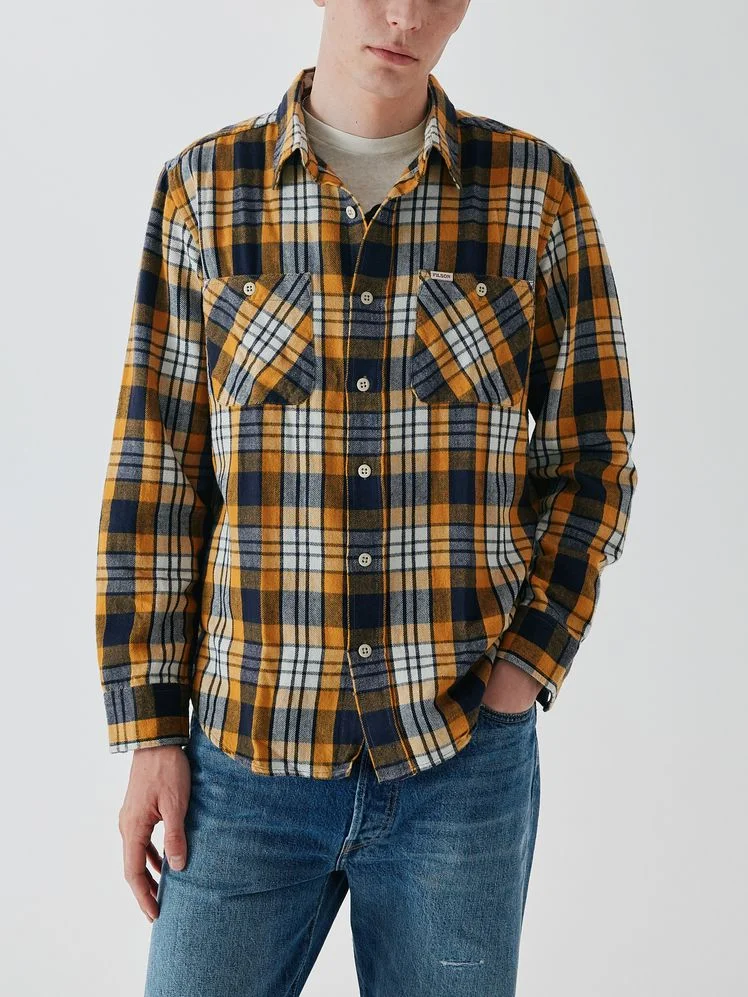
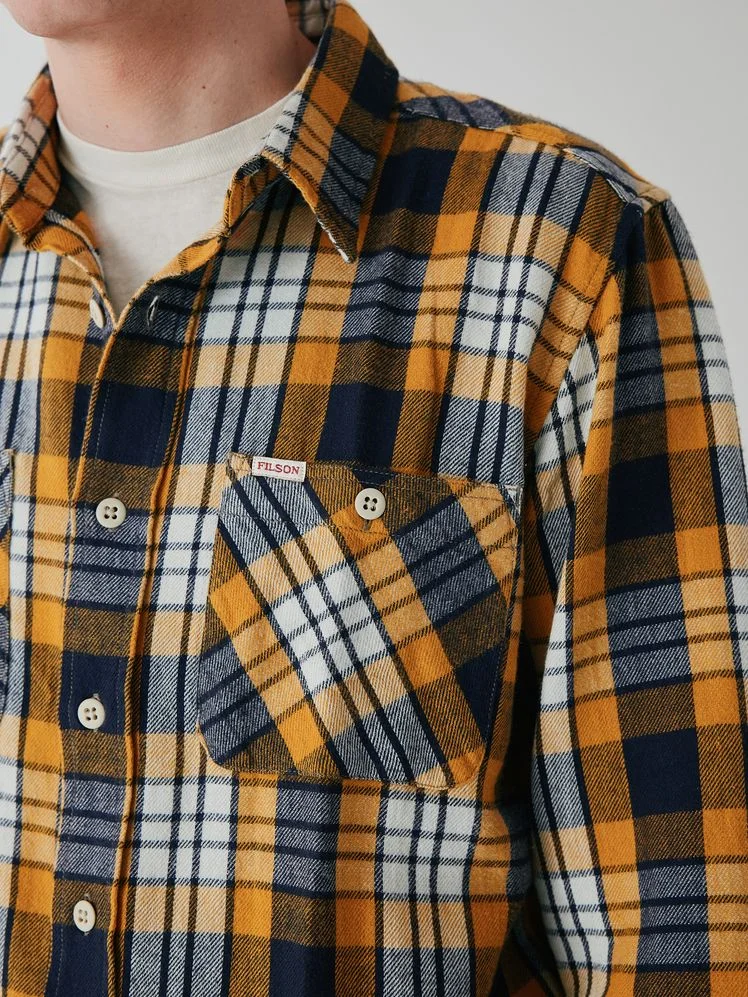
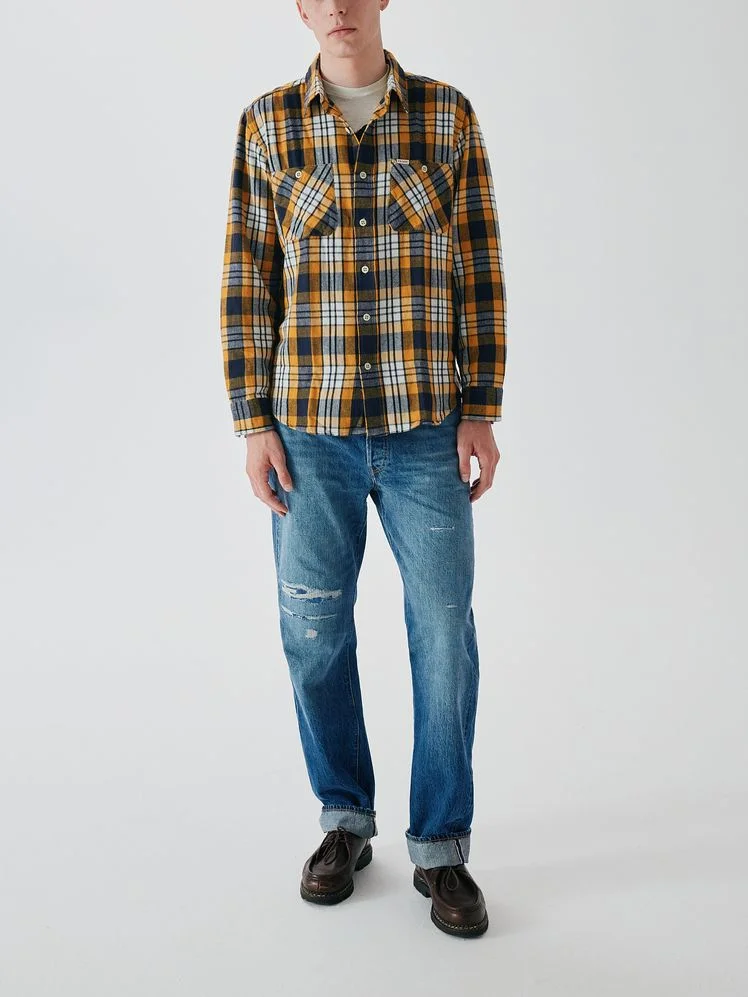
Filson Rangeland Flannel Shirt
The Filson Rangeland makes a straightforward case for a good three-season flannel: soft brushed cotton, a classic fit, and enough color options to suit different tastes. At $129, though, it’s priced high enough that buying more than one may give you pause. That’s the trade-off here: a versatile everyday shirt, with a premium that’s hard to ignore.
“Three-season” describes the intended role, but it can’t promise comfort in every climate or under every layer. The brushed cotton and classic fit give shoppers a clearer sense of what Filson is emphasizing; the available colors may also make it easier to choose a pattern that fits an existing wardrobe. Still, the guide doesn’t provide comparative wear details, so the strongest case for this shirt is its stated material, cut, and versatility—not a demonstrated advantage over every alternative.
Shop the Filson Rangeland Flannel Shirt for $129.
What the lineup tells you
This is more significant than it looks: the picks suggest that “flannel” now covers several different wardrobe jobs, from rugged layering to office dressing. But a list that spans $80 to $285 needs more than price and category labels to help readers judge value. Material, weight, construction, and fit are the details that would make those prices easier to compare, and the available descriptions offer only some of that picture.
For shoppers, the practical move is to start with how and where you’ll wear the shirt. A loud check can anchor a casual outfit, while a lighter dress shirt style may fit more easily into work clothes. The premium choices could appeal to buyers who care about specific materials or construction, but the information here doesn’t settle whether the extra cost is justified. That said, a flannel’s long-term usefulness often comes down to whether you reach for it regularly, not whether it has the highest price or the strongest category label.
The category has room for both nostalgia and utility, but the buying decision is less romantic: choose the weight, fit, and pattern that suit your wardrobe, then compare the current listings. A good-looking shirt that doesn’t fit your routine won’t earn much wear. That’s the test.