GQ Editors Share Their October Impulse Buys for Fall
What GQ Editors Impulse-Bought in October
Editors who spend their days telling readers what to buy aren’t immune to the stray late-night click. This month’s list shows what the GQ Recommends team picked up on impulse, even while knowing better. The gap between shopping advice and personal habits is the point: knowing how to assess a purchase doesn’t make anyone immune to wanting something right now. Sometimes the cart fills before the analysis begins.
The team covers everything from wardrobe essentials to how to find an office fragrance, guiding readers through everyday purchases and bigger splurges. They also spend time proselytizing about menswear and, as the editors put it, “shilling for Big Gloop.” Then the add-to-cart button wins. The editors describe this roundup as non-exhaustive, so it’s best read as a set of personal snapshots rather than a complete account of what the staff buys. That distinction matters: these are anecdotes, not a buying guide with a stated method or a claim that every purchase will work for every reader.
A turtle tee, for starters
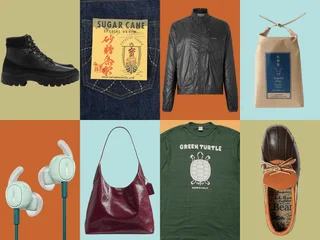
Louis Cheslaw’s October pick is Warehouse’s Lot 4601 Green Turtle T-Shirt, listed at $69 from Lost & Found. His explanation is admirably brief: “As a wise man once said, it's turtles all the way down.” The line gives the purchase its charm, but leaves readers with little information about the shirt itself. There’s no account of its fit, fabric, or why this particular graphic won out over the many other novelty tees on offer.
That absence is part of the appeal of an impulse-buy roundup: the story can be less about product testing than about the small triggers behind a purchase. A joke, a familiar image, or the pleasure of finding an item that feels oddly specific can be enough. Still, at $69, the shirt sits in a category where shoppers may want more than the punchline before deciding whether to buy. If you're working in menswear, that tension will sound familiar: taste can make a product interesting, while practical details help make it wearable.
Shop the Warehouse Lot 4601 Green Turtle T-Shirt for $69 at Lost & Found.
Small upgrades, strong seasonal cues
Jordan Bowman’s pick is for people who still prefer wired headphones: Bose Noise Cancelling Wired Earbuds, priced at $99. Bowman calls them a welcome addition for the wired-headphone crowd, which has had few noise-cancelling options to celebrate. The choice points to a practical frustration: listeners may value a wired connection and still want help blocking out surrounding sound. Those preferences don’t always line up neatly with the products that get the most attention.
That makes the earbuds a more functional impulse purchase than a graphic tee. They answer a specific need, though the roundup doesn’t offer details on sound quality, comfort, or how well the noise cancellation performs. For readers weighing the appeal, the available case is a narrow one: Bowman wanted this kind of wired option, and considers its arrival welcome. A focused recommendation can be useful, as long as readers understand what it does and doesn’t tell them.

Mari Herrema’s October impulse buy is more seasonal: Coach’s Brooklyn Shoulder Bag 34, listed at $395. Herrema frames its deep burgundy color as an autumn alternative to the familiar pumpkin-spice latte. The comparison is playful, but it also explains why the bag caught her eye: color can give an everyday accessory a seasonal mood without changing what it’s for. The price, however, puts the purchase in a different class from a small wardrobe add-on, and the roundup doesn’t make a broader case for the bag’s value.
That’s the appeal and the limitation of a color-led recommendation. A shade can feel fresh when the weather changes, yet a substantial purchase has to work beyond a single season to earn its place. Herrema’s pitch is about the feeling the bag brings to fall, not a claim that it’s a must-have. And this is the part most people overlook: seasonal styling often depends on a small visual change, while the actual usefulness of the item depends on how well it fits into daily routines.

These October impulse buys suggest that fall shopping can mean very different things: a functional update, a change in color, or a graphic that simply makes someone smile. They’re aimed at making the season feel a little better, whether you’re heading out with the dog or looking for ideas to refresh your wardrobe. The numbers here are underwhelming as a guide to value, since the list doesn’t compare prices or explain how the editors judged their purchases. Its strength is personal perspective.
Practical shoes, seasonal inspiration
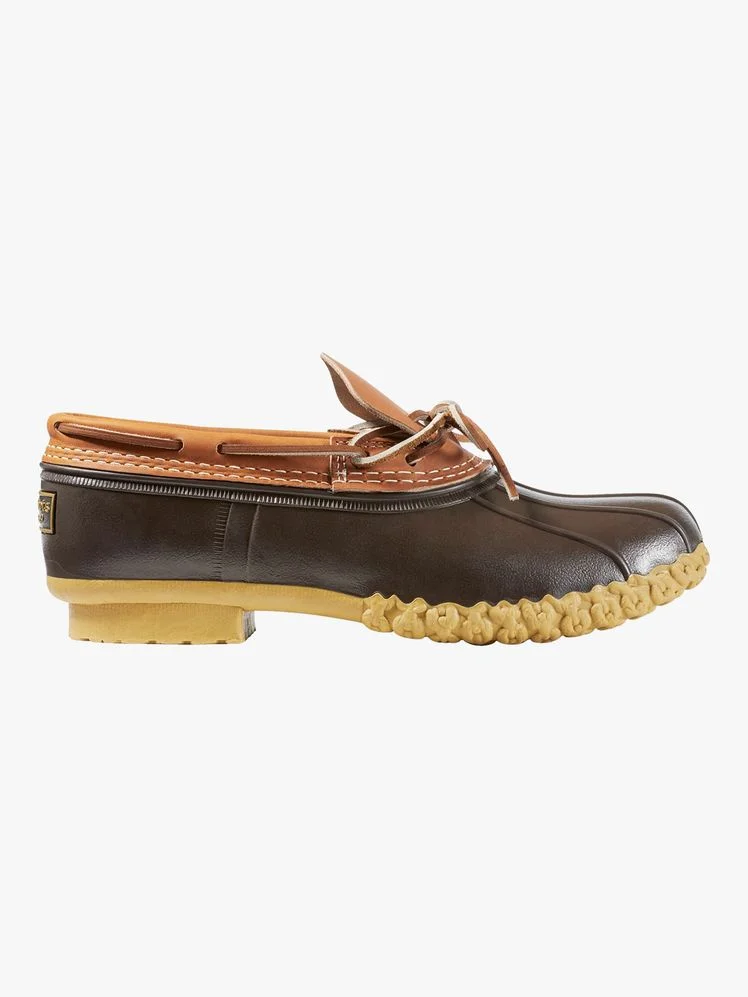
Jordan Bowman’s old dog-walking shoes had finally worn out, so he picked the L.L.Bean Rubber Moc, priced at $100. The appeal is straightforward: a classic moc from a brand he already trusts for the job. There’s a clear reason for the purchase, too. Replacing worn footwear is less mysterious than buying something simply because it caught the eye, even if the replacement still has to feel right.
Trust in a familiar brand can make the choice easier, but it doesn’t tell readers everything they might want to know about fit, durability, or performance. The account doesn’t offer those comparisons, and it doesn’t need to pretend that it does. Its useful detail is the context: these shoes were bought to replace a pair that had run its course. A purchase tied to a daily routine has a different logic from a seasonal splurge. Wear and tear made the decision.
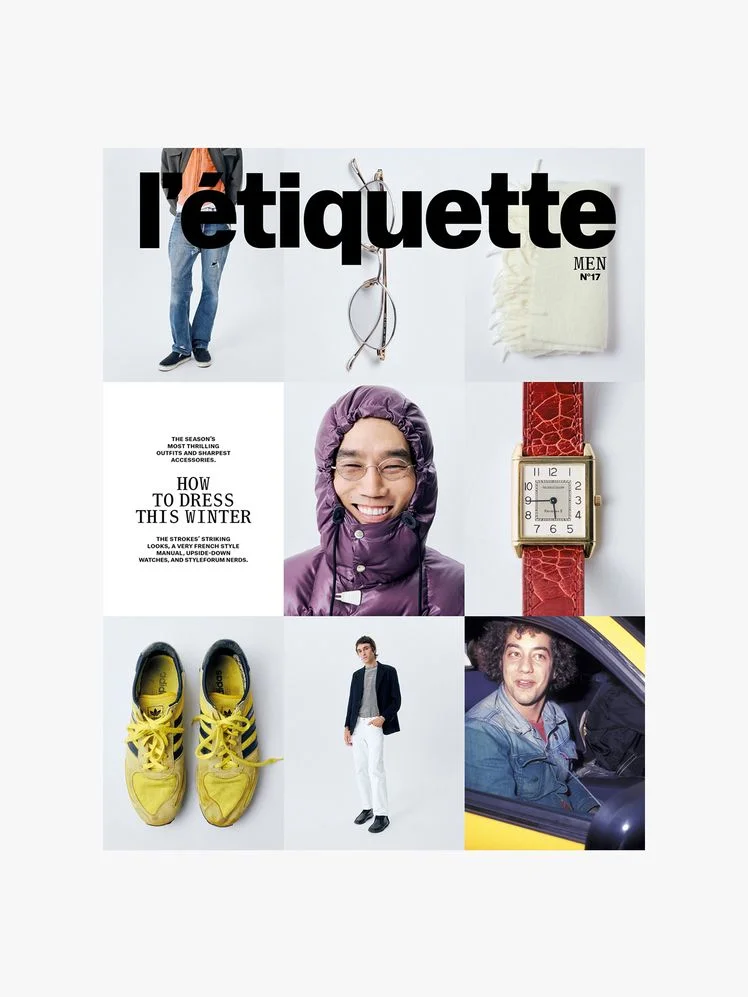
For a different kind of fall preparation, Avidan Grossman picked up L’ÉTIQUETTE Issue N°17, a $13 seasonal guide to fall and winter style. Grossman calls the magazine the second-best men’s fashion magazine on the planet. That’s an admission of bias, but it’s also a clear recommendation for anyone looking for cold-weather clothing inspiration. At $13, the purchase asks less of a reader than a new bag or pair of shoes, though its value depends on whether its ideas are useful to them.
A magazine can serve as a source of direction when a wardrobe feels stale or when a change in weather makes familiar outfits less practical. It can also be enjoyed for its own sake, without every page turning into a shopping list. The roundup doesn’t describe the issue’s contents in detail, so readers shouldn’t mistake Grossman’s enthusiasm for a full review. Still, the recommendation has a defined purpose: inspiration for the season ahead.
What these impulse buys reveal
Here’s the thing: neither the dog-walking shoes nor the magazine needs a grand pitch. One solves a worn-out-shoe problem; the other offers guidance for the season ahead. That’s a useful measure for an impulse buy. The purchases in this list range from practical replacements to items whose appeal is mostly personal, and their value depends on what each editor wanted at that moment.
The roundup also shows why shopping advice and actual shopping behavior don’t always match. Editors can explain how to compare products and still make choices based on humor, color, brand familiarity, or an immediate need. This is more significant than it looks: the reasons people buy something are often less systematic than the reasons they later give for recommending it. The distinction matters for readers, who can enjoy the personal stories while asking what evidence each recommendation actually offers.
For you, the useful takeaway isn’t a list of orders to place. It’s a reminder to identify what’s doing the work in a purchase: a problem that needs solving, a seasonal mood, or simply a joke that lands. A little self-awareness can make an impulse more legible. The shirt is a want. The worn shoes were a need. And the magazine sits somewhere between the two.
That said, impulse doesn’t automatically mean careless. Sometimes it’s a quick answer to an obvious problem; sometimes it’s a small pleasure that needs no elaborate defense. The editors’ picks are most revealing when they show which is which. A useful distinction.