Why Group Chats Make It Hard to Challenge Misogynistic Behavior
A group chat can turn silence into the easiest way to fit in. When someone posts something cruel and others respond with laughing emojis, a member who objects risks becoming the next target. Northwestern sociologist Aaron Shaw says that dynamic helps explain why people often hesitate to challenge harmful talk online—and why the behavior predates any one app.
Read the rest of GQ’s special report on Cornell here and here.
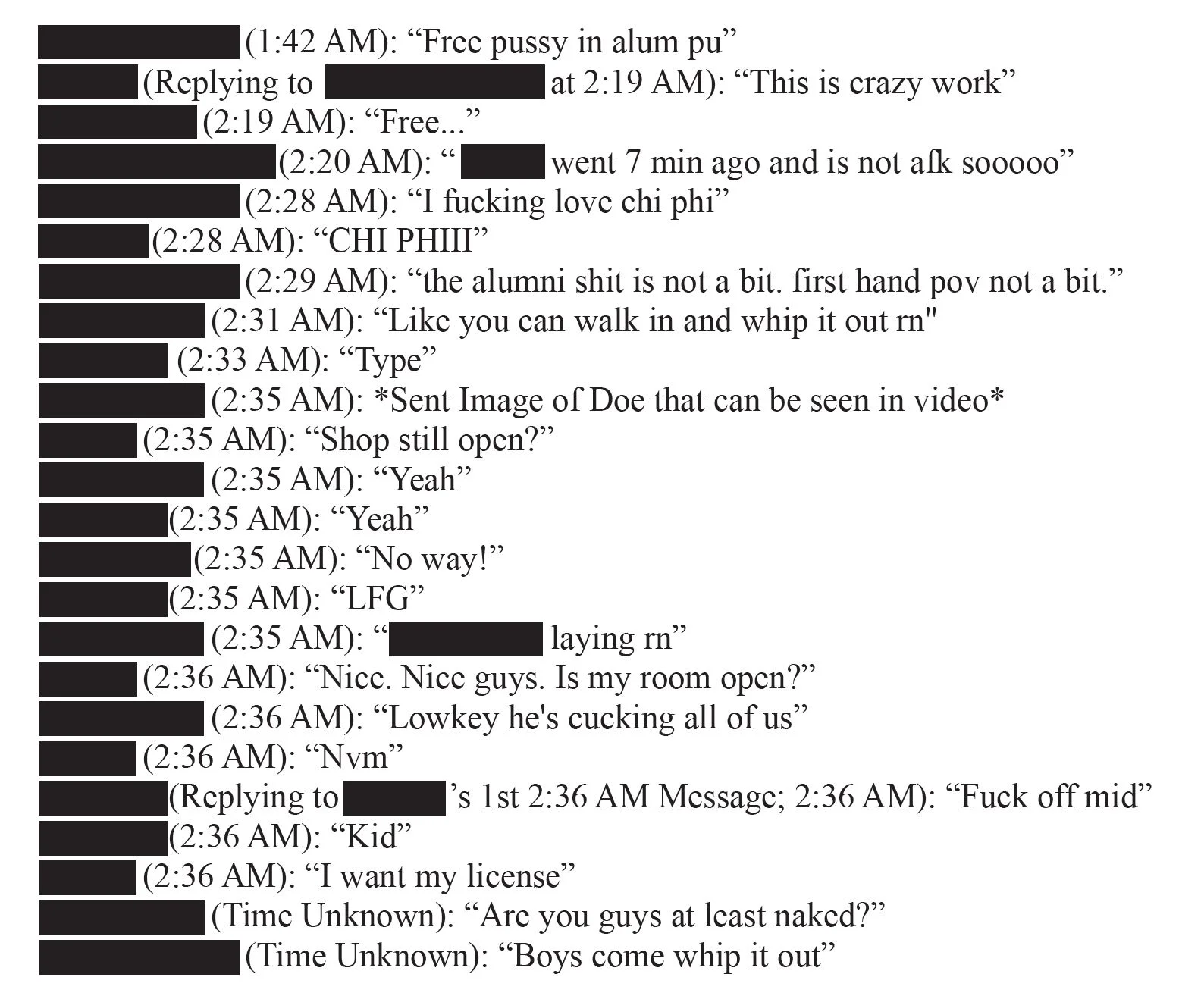
The question has renewed urgency after a screenshot circulated in reporting on allegations of sexual assault involving members of Cornell’s Chi Phi fraternity in 2024. The exchange is disturbing, but Shaw cautions against treating a messaging platform as the cause. Research on online communities reaches back to the 1980s and ’90s, when researchers were already documenting misogynistic groups and heated debates around rape culture. People find ways to connect across platforms; the technology changes more quickly than the social patterns.
This interview has been edited for length and clarity.

Online distance changes the social rules
Without face-to-face cues or the immediate presence of other people, some users feel freer to cross boundaries they might respect in person. Shaw sees that disinhibition as part of a much longer history of online interaction. A platform can shape how people communicate, but it doesn’t explain why a group adopts misogynistic ideas or keeps them alive.
Gaming communities offer one example of how a group can make norm-breaking part of its identity. The culture varies widely, Shaw says, but in some circles, players are told that taking part means accepting insults or other violations of ordinary social expectations. Someone using gaming slang such as “AFK,” short for “away from keyboard,” may also be drawing on a shared vocabulary that signals belonging.
Belonging can outweigh empathy
Group members may use familiar phrases to reaffirm their ties and commitment to one another. That connection can become more important than responding with empathy to someone outside the group—in this case, a young woman whose experience is being discussed. From the outside, the chat may look like a sequence of offensive messages. Inside it, the exchanges can also work as signals of loyalty.
Size compounds the pressure. Research on bystander behavior suggests that as a group grows, each person may feel less responsible for speaking up. In a chat reportedly involving more than 50 people, a member might assume others approve of what’s being said, doubt that they can change the group’s behavior, or fear being ostracized for objecting.
There’s a performance at work, too. Group chats can put members onstage for one another, and the audience may encourage people to play up a persona. Shaw cautions that researchers can’t easily tell which parts of that performance are fiction and which reflect events outside the chat. Offensive, misogynistic language can undermine women’s humanity and autonomy, but by itself it doesn’t establish that a sexual assault occurred.
Responses need to reach beyond the chat
Removing people from a group chat or shutting down a fraternity may feel like a direct answer. Shaw argues that those steps alone may leave the deeper causes untouched. He points to evidence that many young men feel excluded or left behind by cultural, political, and economic forces. He doesn’t claim those feelings reflect objective conditions, but says perceived threats to authority can fuel hostility toward people seen as outsiders.
The cost reaches beyond the person targeted. Shaw calls the situation heartbreaking for both the alleged victim and the young men participating in the chat. For him, the central challenge is understanding what drives people to seek security and belonging through behavior that treats others with contempt. A useful response has to confront those group dynamics, not just the messages they produce.
Fraternities control access to valued resources and use humiliating rituals to build bonds, enforce rank, and mark outsiders.
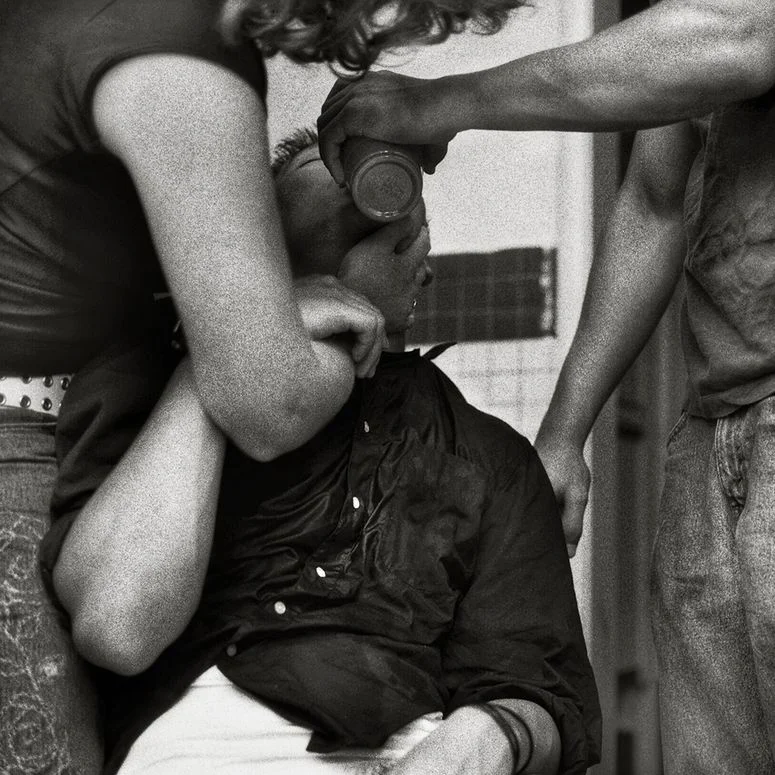
Accounts from Ithaca describe what people are saying—and leaving unsaid—about sexual assault allegations against Chi Phi fraternity members.