Teen Magazines Return With Print, Digital Coverage and Gen Z Perspectives
The case for teen magazines is being rebuilt around a question that social platforms rarely ask: who do young people want to become? New print titles and refreshed legacy brands are looking for ways to give teens room to explore that answer, through curated coverage, physical pages and formats that meet readers online.
That effort comes after a long retreat. Teen magazines flourished through the late 1990s, with titles including Seventeen, Sassy, YM, CosmoGirl, Tiger Beat, Teen and Teen People competing for attention on newsstands. As digital media expanded from 2004 to 2010, the category dwindled. Tavi Gevinson’s Rookie offered a digital-meets-print revival, but it closed in 2018.
Now the category is stirring again. W’s editor-in-chief Sara Moonves announced WYouth in April, with New York-based creative director Ava Nirui guiding the project. Its first print issue arrived on newsstands Sept. 15. In August, fashion editor Paula James-Martinez launched Cuqui, a monthly print magazine she describes as “a place for girlhood that looks you in the eye.” Meanwhile, established brands are changing how they serve young audiences.
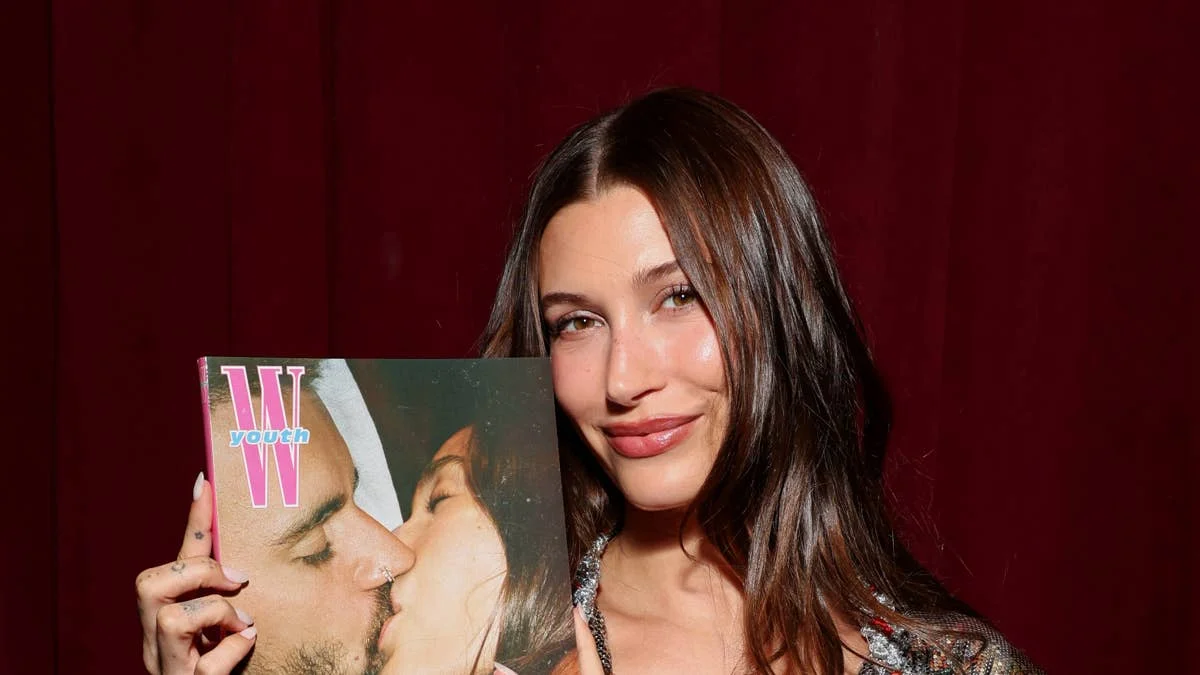
Photo: Jerritt Clark/Getty Images for W Magazine
Legacy brands rethink their role
At Condé Nast, digital director Alyssa Hardy and creative editorial director Mi-Anne Chan are steering Teen Vogue’s next phase after its consolidation into Vogue. Hearst’s Seventeen is led by Willa Bennett, who also oversees Cosmopolitan. Their work reflects a shift in what youth media can cover: Teen Vogue now ranges from fashion to issues such as youth sexual violence prevention, while its covers have featured transgender Gen Z figures Alex Consani and Vivian Wilson. Seventeen recently devoted a digital issue to fandoms and spotlighted BIPOC stars.
Hardy argues that the brand’s connection to young readers comes from taking their interests and concerns seriously. “Whether it’s a celebrity or a fashion brand or a game or a book, it’s important to them and then to us,” she says. The subject matter may move quickly, but her editorial aim is to make room for readers’ perspectives and the things they care about.
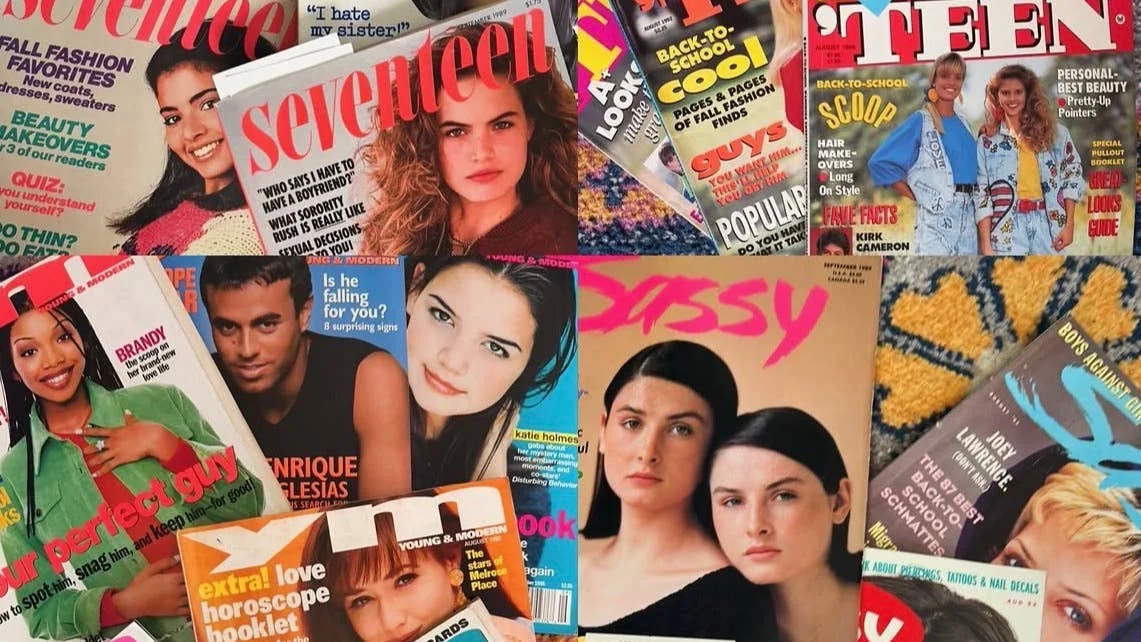
For Bennett, that means extending Seventeen beyond the magazine page into YouTube, newsletters, TikTok and live events. “The magazine is no longer confined to the page; it’s an ecosystem,” she says. The editorial challenge is to carry the intimacy readers remember into new formats while making space for LGBTQ+, mid- and plus-size, and Black voices. Bennett grew up reading the titles she now leads, and says she wants to keep their sense of possibility while reworking the experience for a new generation.
Her question for readers is pointed: “Who do you want to become?” Bennett says Gen Z and Gen Alpha are often shown versions of themselves by algorithms, influencers and social platforms before they have had much chance to figure out what fits. A magazine, at its best, can open up choices instead of narrowing them to what a feed predicts a reader will like.
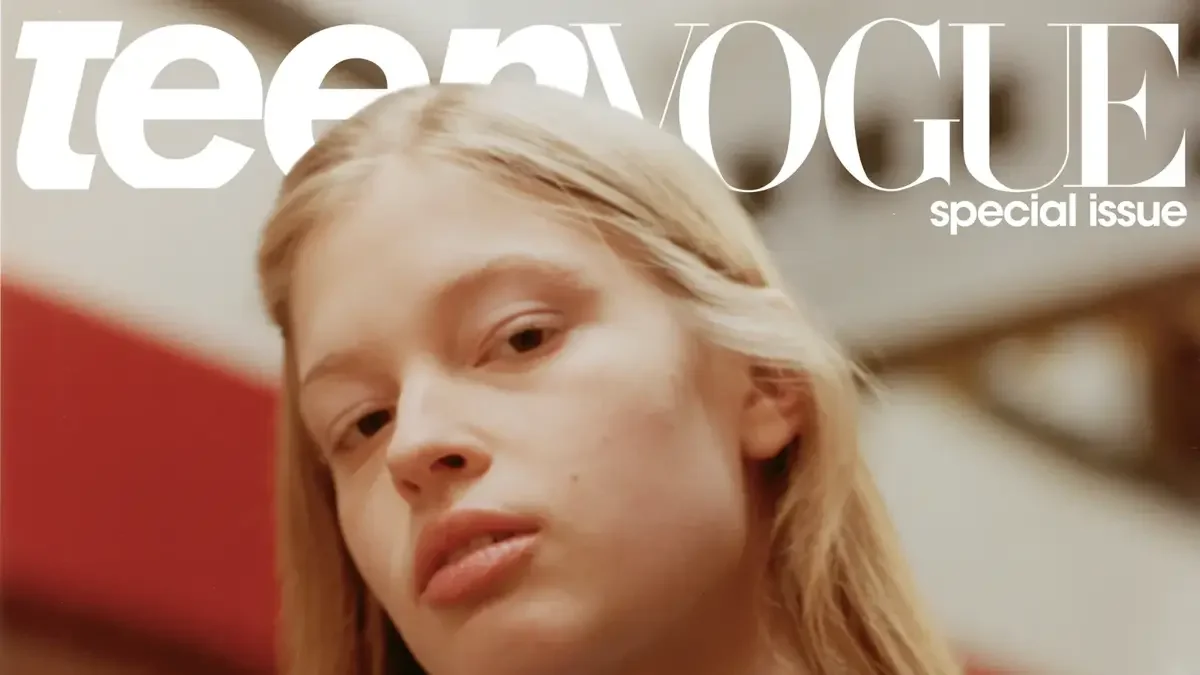
Photo: Andy Jackson/Courtesy of Teen Vogue
Making room for the physical page
Cuqui takes the print-first route. James-Martinez, who grew up in the U.K. reading Dazed and Confused and began working for it at 19, later worked at Dazed, Purple and Refinery29. She saw a gap for teen-focused media that would not place young readers in front of what she calls “predatory algorithms.” She launched Cuqui with an editorial board that includes former contributors to Teen Vogue, Nylon and The New York Times.
For James-Martinez, young people should help shape the publication, not simply appear in its pages. She spent two weeks at summer camp with 100 teens, building trust and asking what they wanted the magazine to become. She says the conversations surfaced their fears, ideas and priorities, and that work with teenagers is among the parts of the project she values most.
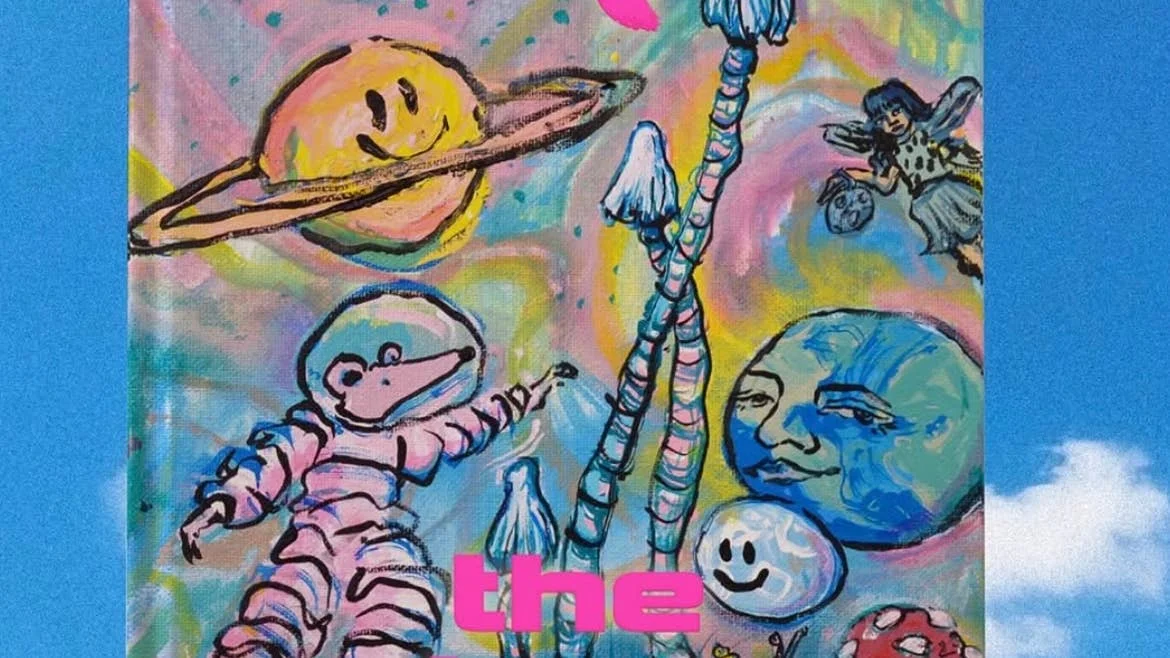
Photo: Courtesy of Cuqui
The physical format is part of the editorial proposition. James-Martinez sees a magazine as a way to step away from social media’s constant stream of comments, likes and scrolling. Readers can spend time with an issue and then put it down. Morgan Baden, who runs the archive account @teenmagazinemuseum, also values that ability to set the pace: “Our brains deserve that kind of experience, where we can enter and exit, and consume at our own pace.”
Baden began collecting magazines after her daughter was born, when postpartum emotions prompted her to revisit the titles she had read as a teenager. She found old issues on eBay and Etsy, starting with Teen and then adding Seventeen, Sassy and YM. Her Instagram archive now has 25,000 followers and has expanded to Substack and Threads.
Her affection for the magazines comes with a clear-eyed view of their failings. Many reflected narrow standards shaped by whiteness, thinness and heteronormativity, and could leave readers feeling judged for their bodies, appearance, attraction or spending power. Yet Baden also remembers the best issues as a source of answers and reassurance: they addressed questions teens might not have felt able to ask elsewhere and made puberty feel less isolating.
A different media diet
There are signs that print has an audience beyond nostalgia. YPulse’s “Going Analog” report found that 57% of people aged 13 to 39 were interested in consuming print rather than digital content. Annie Corser, senior editor for pop culture and media at trend-tracking platform Stylus, says Gen Z still uses social media for discovery and identity, but is also looking for balance.
Teen magazines could serve that mix if they pair a close read on shifting youth culture with reporting and ideas that outlast a trend, Corser says. The opportunity is to follow what young people are discussing online while offering material with more depth than a passing TikTok trend or aesthetic.
Millennials are helping bring the category back, in part because they remember what it offered them. Hardy says young people deserve media that reflects them in different ways while still being curated. For Baden, the renewed interest also speaks to a desire for communities where identity, friendship, culture, beauty and womanhood can be discussed with care.
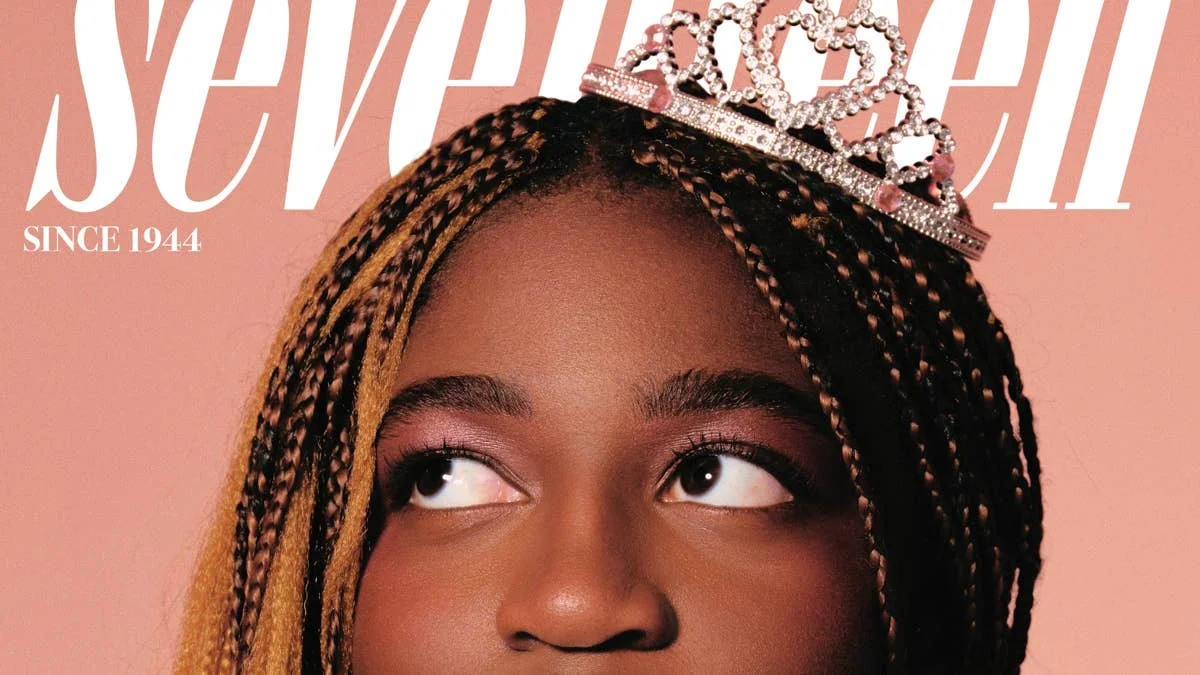
Photo: Alex G. Harper/Courtesy of Seventeen
The formats now emerging offer different answers to the same problem. WYouth and Cuqui are betting on the focus and physicality of print; Teen Vogue and Seventeen are building across digital channels where young readers already spend time. The strongest approach may be one that combines both: a magazine with a distinct editorial point of view, able to move with youth culture without simply repeating what an algorithm has already surfaced.
For Bennett, a publication earns its place when it can introduce readers to people, conversations and ideas they hadn’t expected to find. That may be the clearest measure of this revival. Young readers can get endless tailored content from a feed; teen media has a chance to offer the surprise, context and sense of recognition that a feed can’t curate for them.
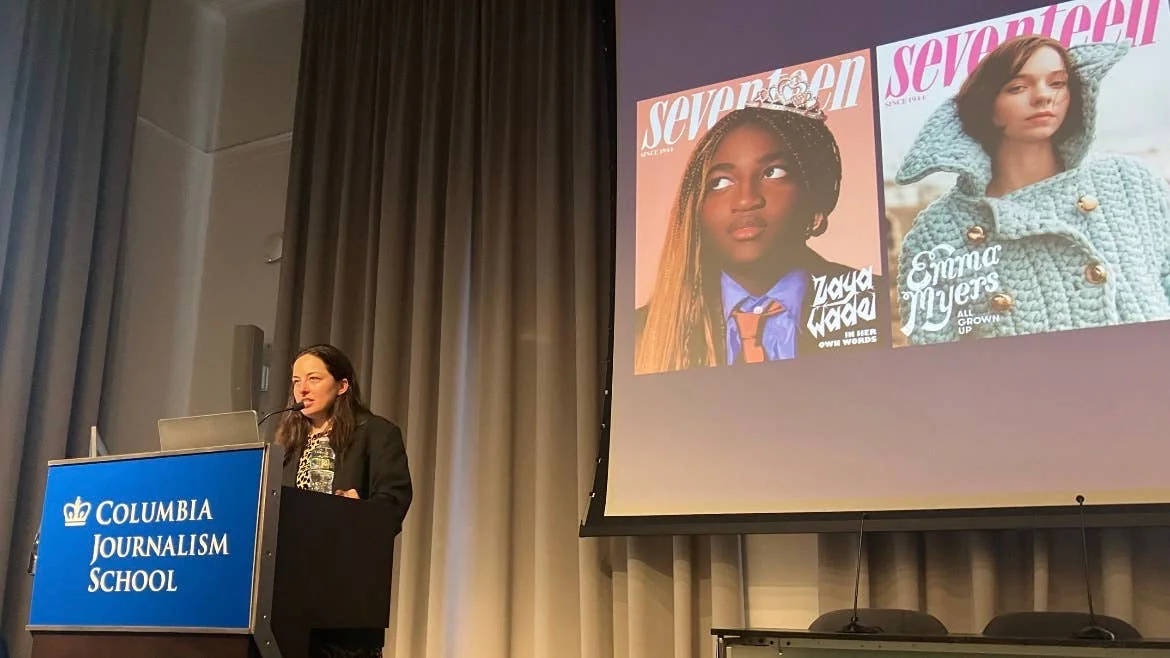
Photo: Courtesy of Willa Bennett