Pressed Roots Takes Its Textured Hair Blowout Bar Model to Washington, D.C.
Pressed Roots’ expansion to Washington, D.C. tests a business model built around a persistent gap in salon service: people with textured hair often can’t count on every stylist at a salon to know how to care for their hair. The company, founded by Piersten Gaines in 2018, plans to open its fifth location in the city this December. It will be the brand’s first outside Texas.
That move follows a deliberate review of sales, guest feedback, repeat visits and staff performance. Pressed Roots’ existing salons are profitable and retain customers steadily, Gaines said, giving the company a basis for trying a new market. The D.C. salon will use the same layout, services, memberships and prices as the current locations. Whether that consistency can carry over as the company builds a new local customer base is the next test.
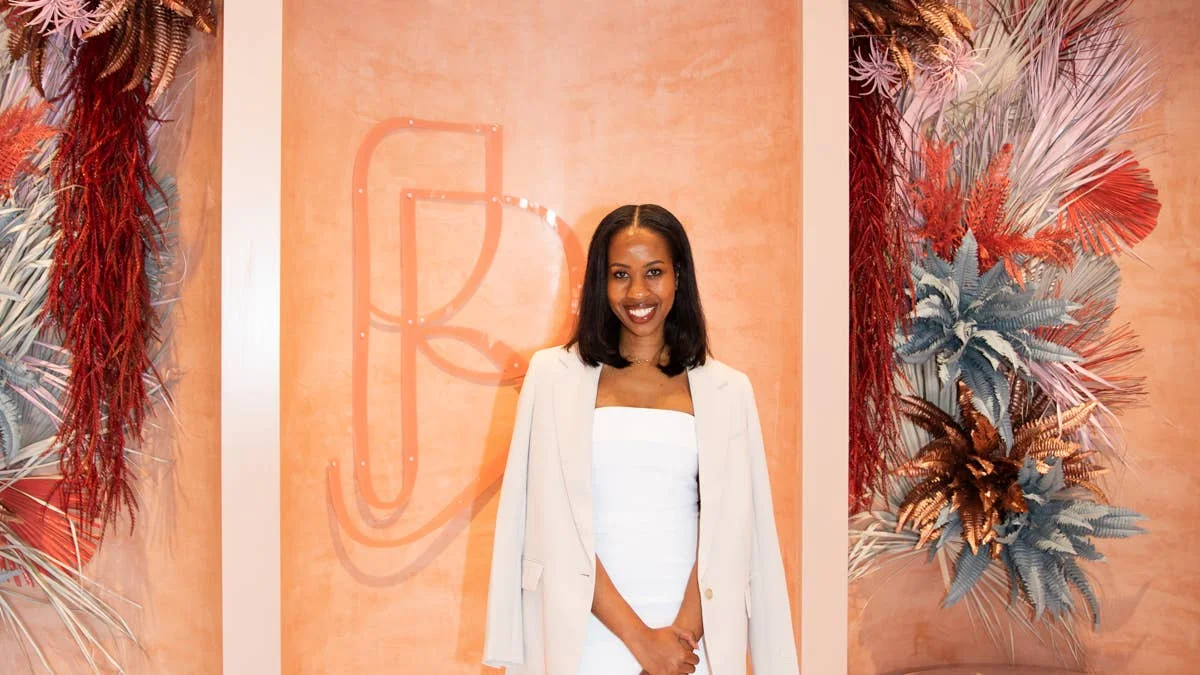
Photo: Courtesy of Pressed Roots
A salon model shaped by a bad handoff
Gaines’ idea began with her own search for a stylist. After moving to Boston to attend Harvard Business School, she took the advice of female upperclassmen and tried a local blowout bar. She was skeptical: the website showed no one who looked like her or appeared to have her hair texture. The students suggested she book with one particular stylist and warned that another person might not be able to handle her hair.
That first appointment changed her view of the format. Gaines liked the professional, efficient experience and started returning almost every week, always requesting the same stylist. When that stylist moved away, Gaines tried someone else. The visit went poorly, and she realized no one else at the salon had experience with textured hair.
To Gaines, the problem pointed toward a business opportunity. A blowout bar could serve textured hair customers if the whole team had the skills to do so, rather than leaving clients to find and keep a single specialist. Pressed Roots was designed to make that expertise a standard part of the service and give customers confidence regardless of which stylist’s chair they sat in.
Standardizing the silk press
The company’s signature service is a silk blowout, its take on the silk press adapted to a blowout bar. The service starts at $80, with trims, deep conditioning and steam treatments available as add-ons. Gaines said stylists focus on straightening the hair during the blow-dry, then make one pass with a flat iron. The stated aim is to reduce the risk of heat damage while prioritizing hair health.
For customers who come in regularly, Pressed Roots also sells tiered memberships starting at $139 a month. Gaines said its core customers return about twice a month and that the company has high retention. That repeat business makes the operating model especially dependent on a reliable visit: a customer needs to know what to expect even when her preferred stylist isn’t available.
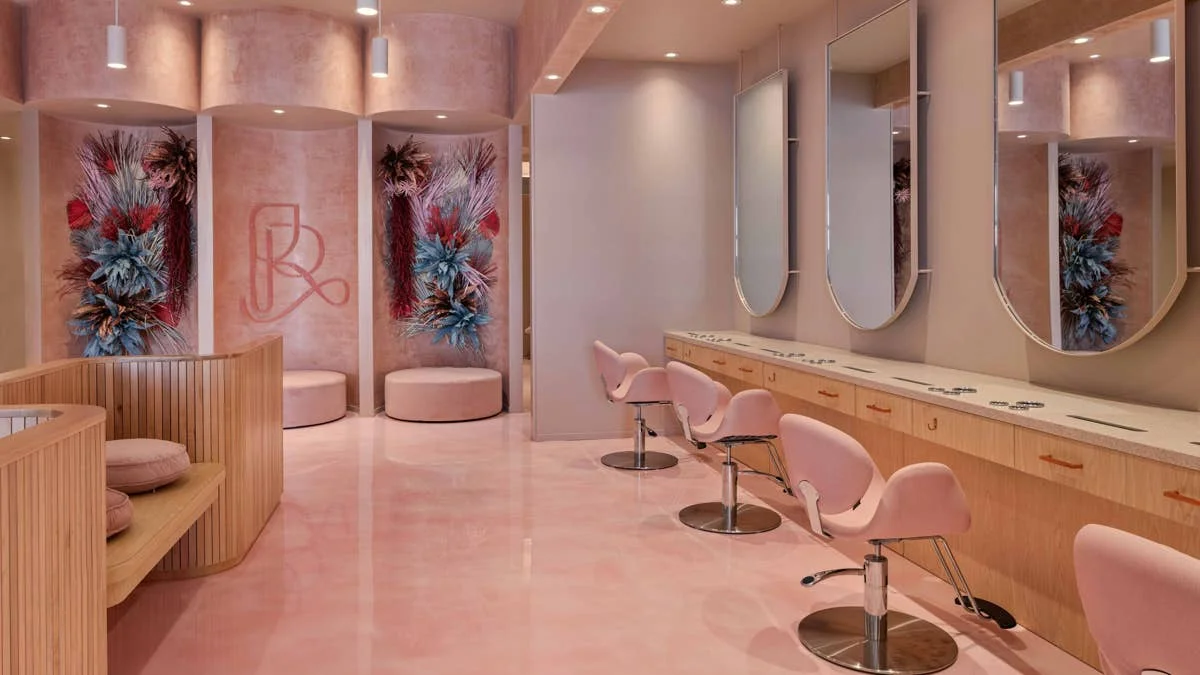
Photo: Courtesy of Pressed Roots
Pressed Roots hires licensed cosmetologists, then trains each new employee in textured hair care. The coursework covers hair anatomy, porosity, assessing hair needs and choosing products for different curl types. New hires also practice on mannequin heads and learn the Pressed Roots Method, a 12-step sequence that runs from greeting and consultation through washing, conditioning, detangling, sectioning, drying, flat ironing, trimming, styling and farewell.
Gaines argues that cosmetology schools don’t teach enough about textured hair, making experienced stylists hard to find. “If you can do textured hair, you can really do all types of hair,” she said. The company asks staff to use the same method with every guest, turning training into a way to make the customer experience less dependent on individual stylists.
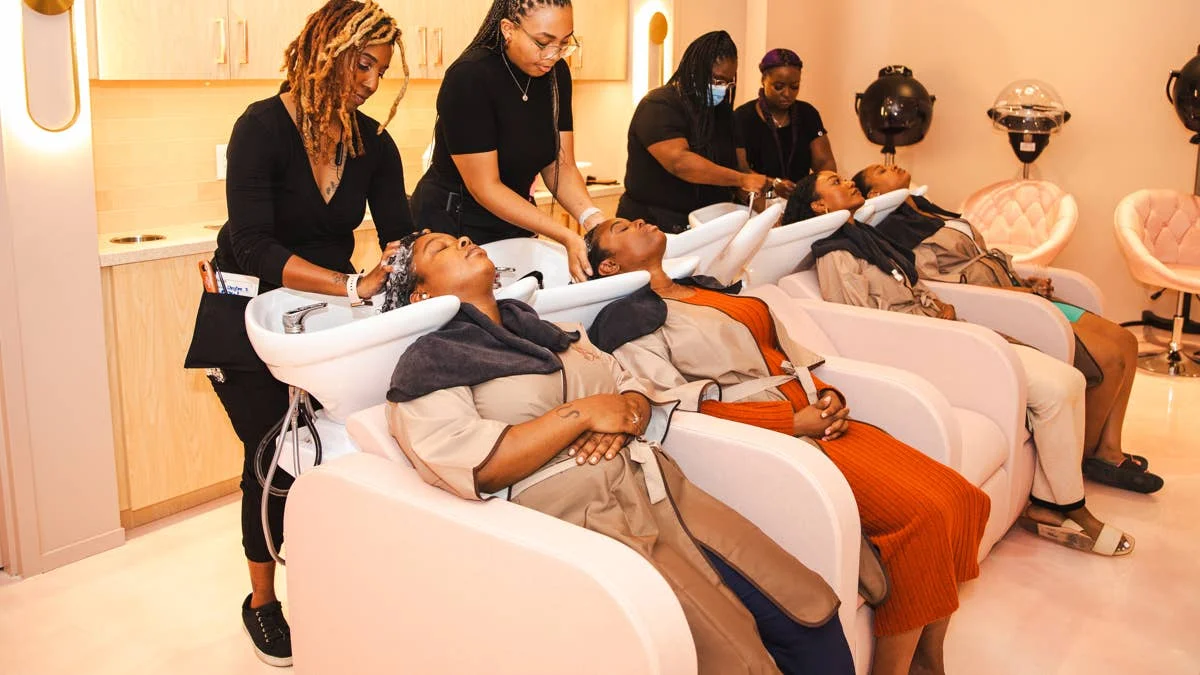
Photo: Courtesy of Pressed Roots
From pop-ups to a fifth salon
Pressed Roots spent its first two years operating as a traveling pop-up, visiting cities including Boston, Atlanta and Dallas. The company opened its first permanent salon in Dallas in 2020, then closed it temporarily two days later as the pandemic disrupted businesses. It reopened two months afterward, on the day Texas allowed salons to resume operations.
With many other salons still closed and customers eager for appointments, Pressed Roots quickly built a waiting list that Gaines said lasted for roughly two years. Customers also posted before-and-after photos and praised the service on social media. The company eventually added two more Dallas locations and one in Houston.
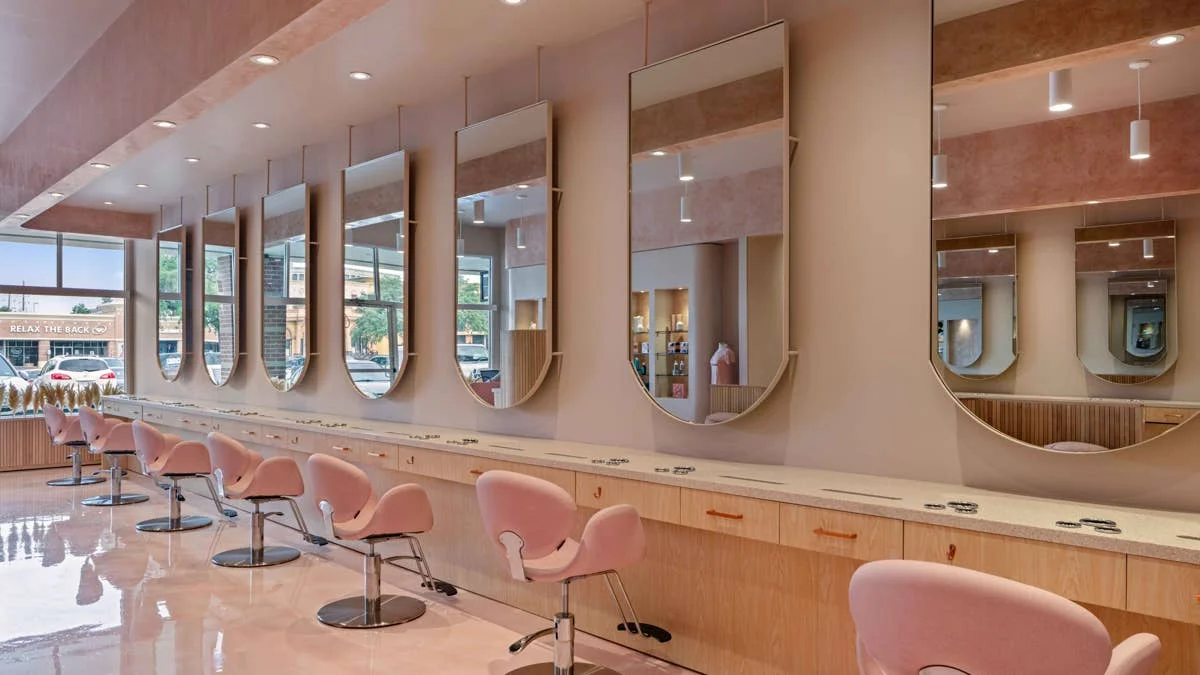
Photo: Courtesy of Pressed Roots
Washington, D.C., emerged as the next market because Gaines saw a large concentration of people with textured hair there. The company is still working out how it will market the new salon, and social media is one of its main channels. Opening in a city where it has no established customer base brings a different challenge from adding another location in Texas, where the brand already has local awareness.
Gaines doesn’t see a direct national salon competitor focused on textured hair. Independent stylists serve customers in the area, she said, while Pressed Roots aims to pair that hair expertise with the convenience of a salon format and a consistent service promise. That distinction will need to resonate with D.C. customers for the new location to reproduce the repeat visits that support the existing business.
The expansion also reflects a broader ambition: Gaines has long wanted Pressed Roots to become a national brand. She hopes its growth encourages more businesses to serve textured hair customers, a group she sees as underserved. For now, the clearest measure of the company’s next step will be whether its training system and repeatable service can take root in a new city as effectively as they have in Texas.