Sey Coffee’s $200 Panama Geisha Puts Specialty Coffee’s Value on the Table
A version of this post originally appeared in Eater Today, which spotlights the freshest news and stories from across the food world every day. Subscribe now.
A rare coffee, priced like a tasting experience
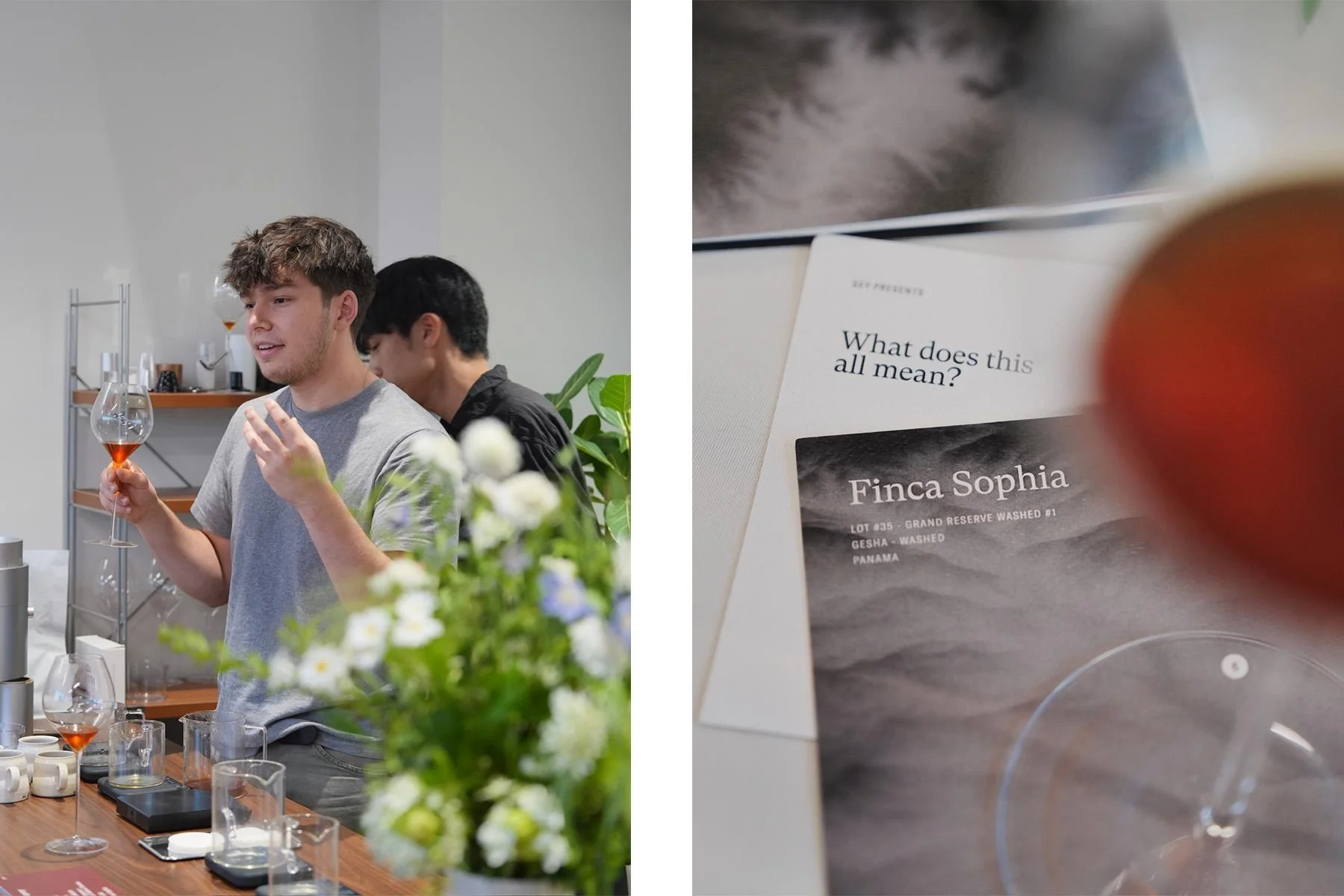
A $200 cup at a Bushwick cafe makes coffee’s changing status hard to ignore. Sey Coffee bought a rare Panamanian geisha from Finca Sophia at auction for $44,275, or $6,325 per kilogram, and is bringing it to customers this week. The farm sits in Panama’s Chiriquí highlands.
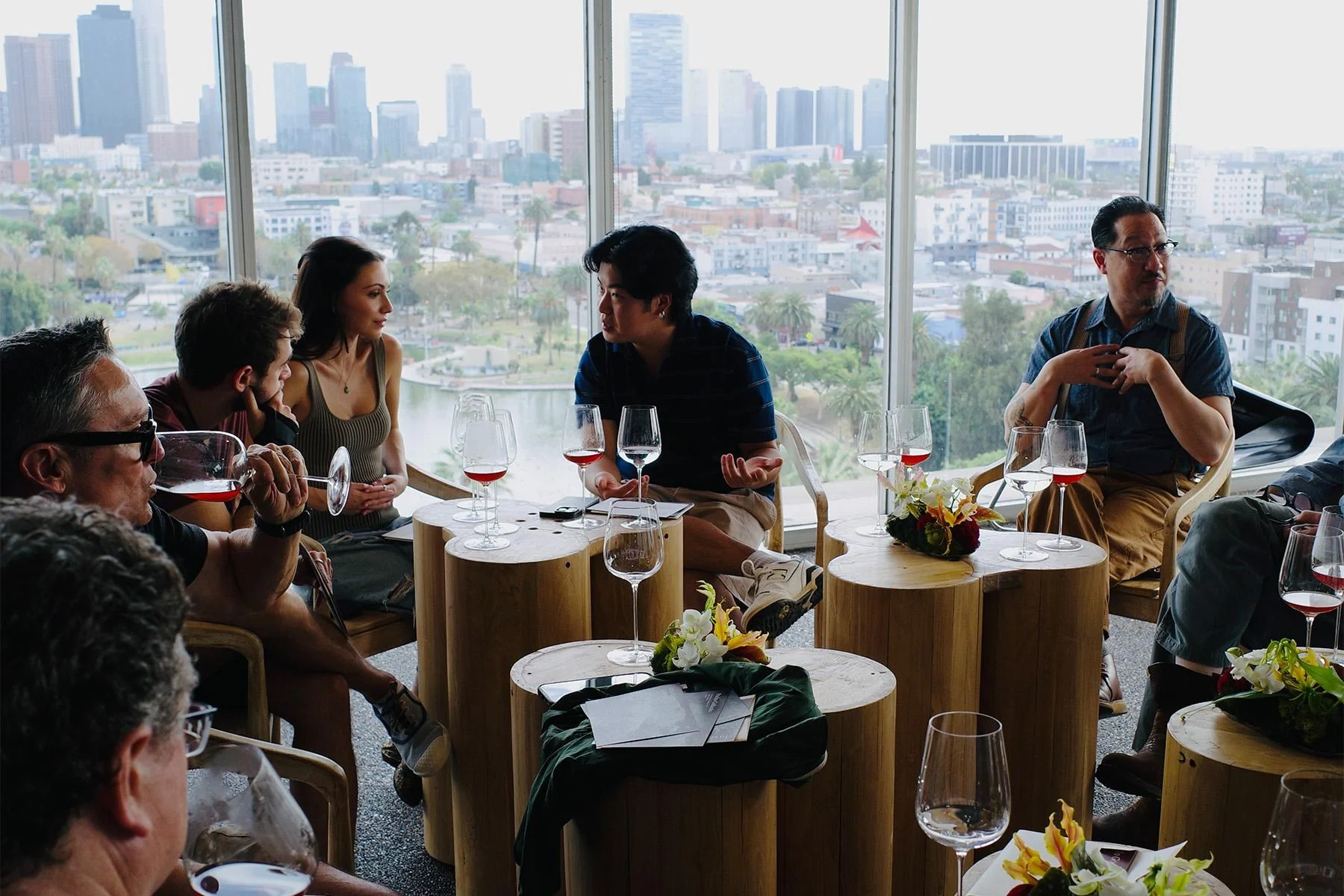
Sey describes the coffee as aromatic, floral, and juicy. Doug Cohen, the company’s director of brand strategy, recommends drinking it black, with a clean palate, and taking time as it cools. “As the coffee cools, different aspects of its character become apparent, and that evolution is part of the experience,” he says.
That framing matters. The cup is being presented less as a quick caffeine stop than as a tasting occasion, a format already familiar from wine, spirits, and fine dining. Even in specialty coffee, where prices have risen, $200 remains an extreme outlier.
What the price means to the producer
Sey’s purchase grew out of a relationship with Finca Sophia that has lasted several years. Cohen says the farm’s general manager told him yields were down by approximately 95 percent. That prompted Sey to consider what it means to support a long-term supplier during a difficult season.
Buying the geisha, Cohen says, was a way to support the producer while developing what he calls “elevated coffee experiences.” He argues that coffee has long been treated as a commodity, limiting how much value people assign to exceptional lots. In his view, that perception is starting to shift as consumers learn more about coffee quality through YouTube, Discord, and online forums.
Sey’s place in Bushwick’s coffee culture
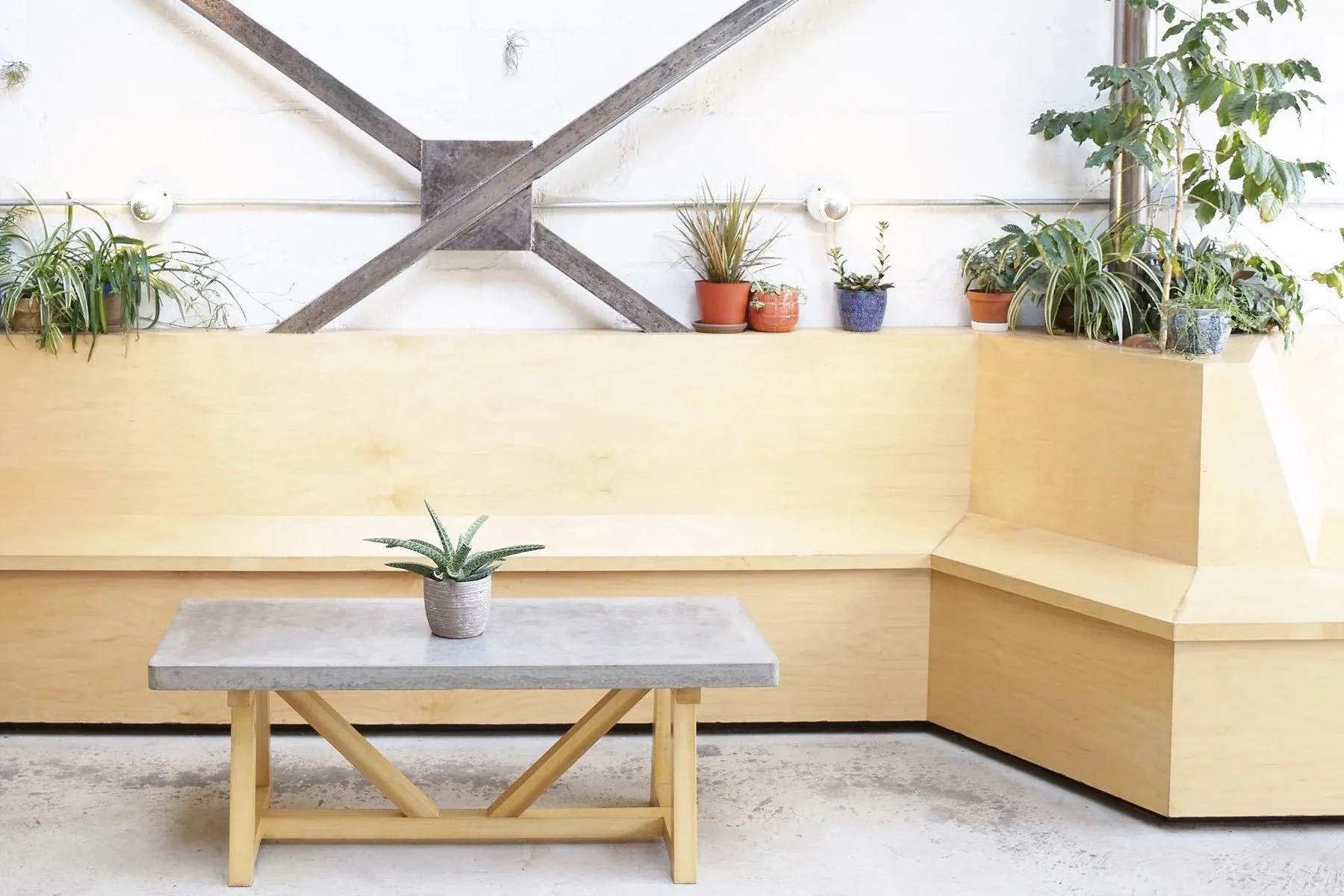
Sey emerged from Brooklyn’s 2010s wave of independent coffee shops. The company began as Lofted Coffee, operating from its founders’ Bushwick loft, then took the Sey name in 2017 and moved to its current Grattan Street location. The airy, spare space has become a draw for coffee drinkers, artists, and local residents.
Bushwick gives the $200 cup a particular resonance. The neighborhood is known for graffiti, family-run taquerias, queer bars, and a mix of Latino families and nightlife regulars around Maria Hernandez Park. It’s also a place where food innovation and gentrification are part of the same conversation. A luxury coffee tasting here invites a question about which version of the neighborhood gets represented—and who can take part.
Sey has also built its reputation around its workplace model. The cafe doesn’t accept tips, and the company says full-time baristas can earn up to $31 an hour, with benefits and a share of cafe revenue. It has received positive coverage for paying staff above New York City’s minimum wage.
Coffee moves toward luxury
Sey isn’t the only business turning coffee into a planned tasting. New York’s Driftaway Coffee offers an omakase-style menu, while San Francisco’s Komakase operates a dedicated tasting room. Both invite customers to slow down and pay attention to distinctions that often go unnoticed in a routine cup.
Watch House, the London specialty roaster, has also expanded in New York, opening its fourth city location this summer. Its $32 coffee drew attention, and the company has reportedly been scouting locations in Austin, Chicago, and Miami. These examples suggest that some customers will pay for a guided, premium experience, even as the everyday price of coffee climbs.
The appeal may be about exclusivity as much as craft. Bushwick’s former warehouse-party scene has matured into a market for curated experiences, and specialty coffee is finding its own version of that shift. Cohen says Sey isn’t raising prices simply to push them higher; the company wants to question how people value coffee. “What is an extraordinary coffee actually worth?”
The comparison with expensive wine and spirits is persuasive on one level: coffee can be complex, scarce, and tied to a producer’s fortunes. But higher prices also narrow access. As cafes build experiences around rare beans, the industry’s next challenge is making room for serious appreciation without turning it into a privilege reserved for a few.