Lightly Sweetened Sparkling Drinks Shift Focus to Real Ingredients
|
5 min read
Sweetness is back in the sparkling-drink aisle
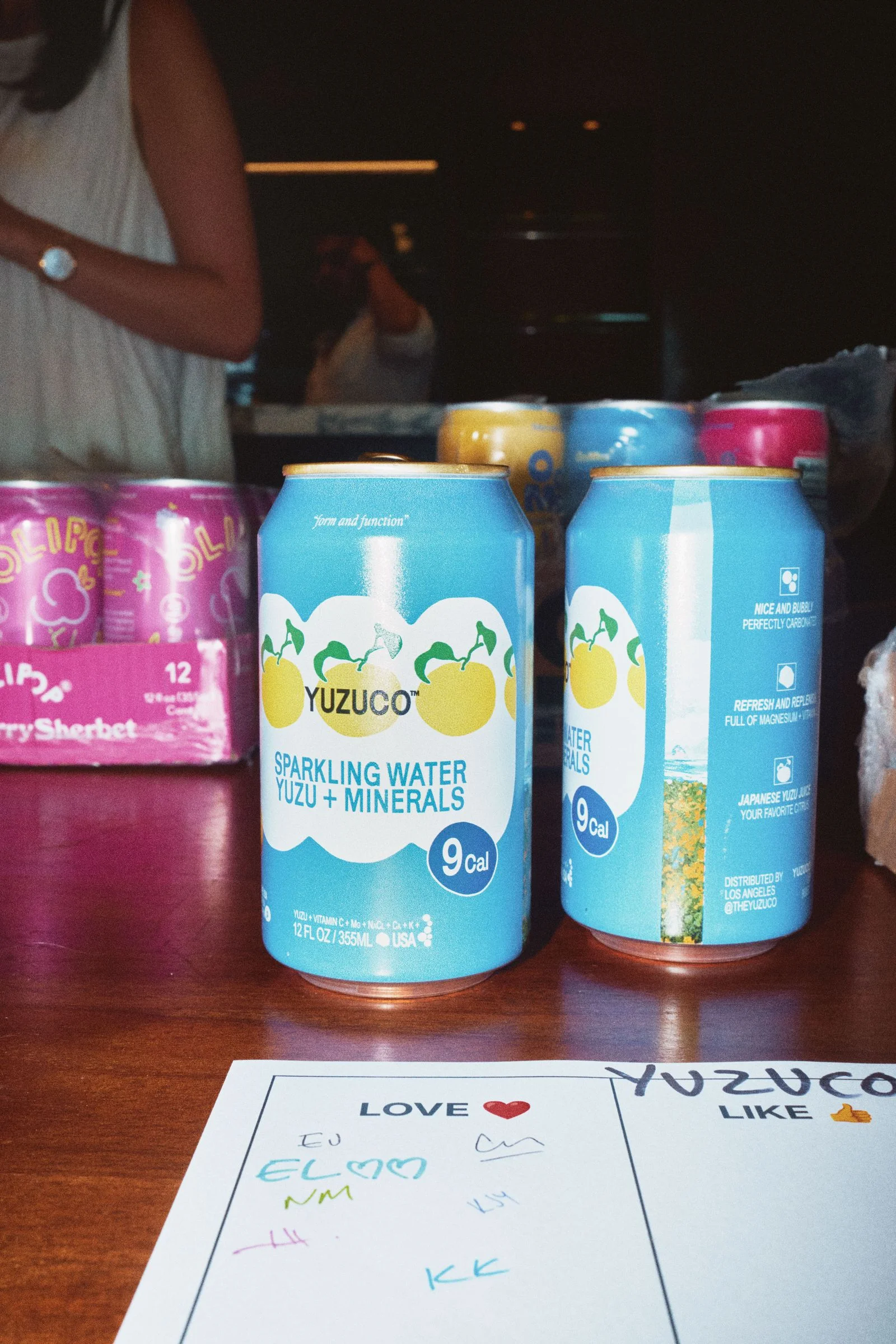
The interesting shift in bubbly drinks isn’t a new flavor. It’s the retreat from “zero” as the default measure of better-for-you. While judging entries for Bon Appétit’s inaugural Pantry Awards, we saw a growing number of lightly sweetened drinks appear on store shelves and online. The new arrivals span several styles: seltzer riffs, soda alternatives, and sparkling takes on traditional drinks such as switchel and agua fresca. A small amount of sugar, the pitch goes, can make a drink taste more satisfying than zero sugar or artificial sweeteners. That’s more significant than it might sound. For years, better-for-you soda meant stripping things out: sugar, calories, carbs. Yuzuco cofounders Griffin Owens and Marcus Klein say customers are now paying closer attention to what remains in the can. “Until recently, better-for-you meant no compromise,” Klein says. “Consumers wanted no sugar, no calories, no carbs, and a fully delicious taste. It was about the ‘zero.’ Now the conversation has flipped to what’s actually in the can.”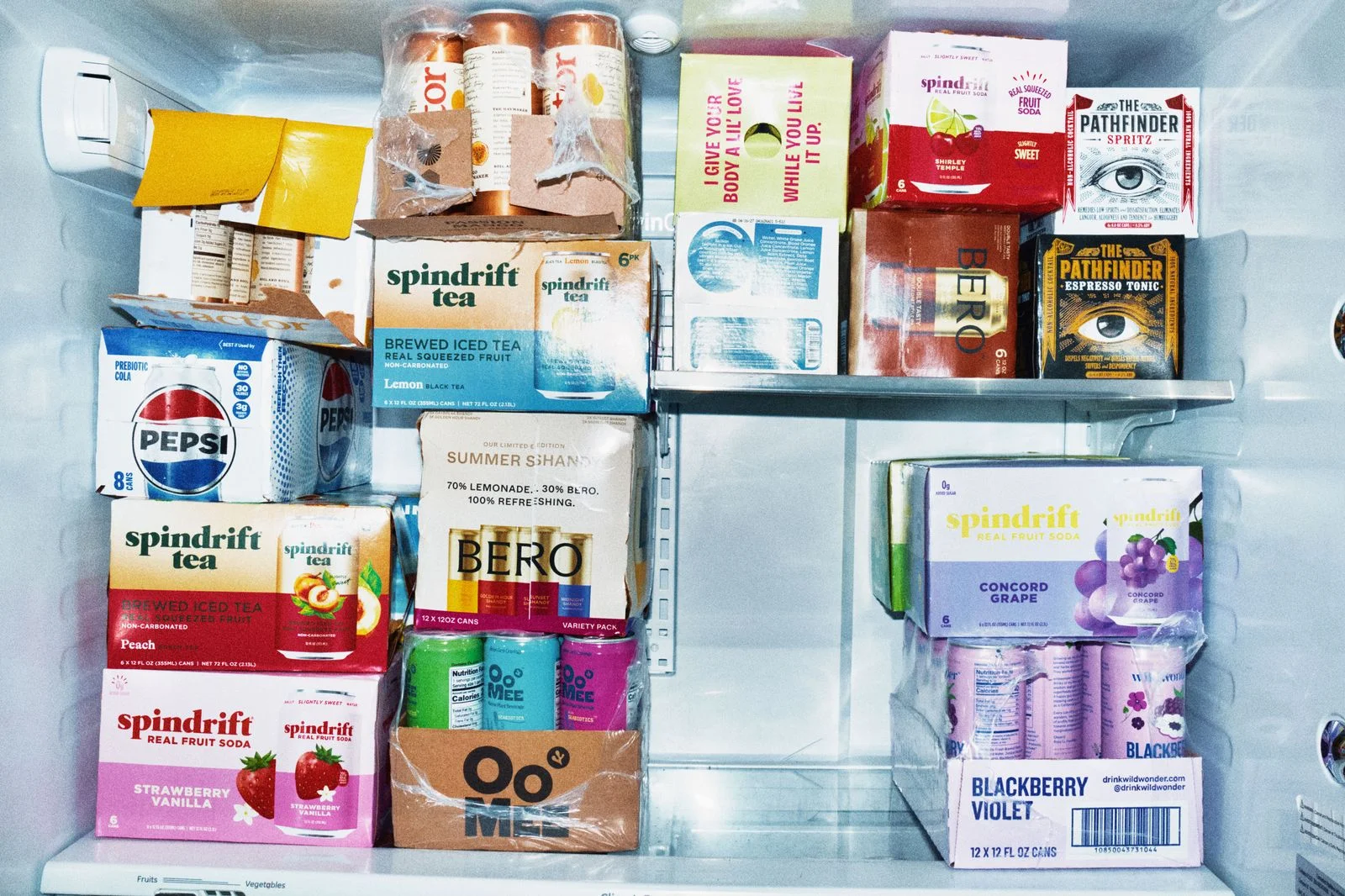
Sweetness consumers can recognize
The interesting shift here isn’t a retreat from sweetness; it’s a preference for sweeteners people recognize and can place on a label. “It’s very important for us to have what we call ‘kitchen ingredients’—ingredients you understand and know,” says Duke Stump, chief brand officer and head of product at Tractor Beverage Co. He says customers don’t want to look up unfamiliar nutrition-label ingredients. Sugar itself isn’t the sticking point. “We’re comfortable with sugar. It’s just what type of sugar,” he says. Stump points to how colas and sodas were made in the 1940s and ’50s, arguing that Tractor’s goal isn’t necessarily zero sugar, but finding the best use of clean, organic sugar.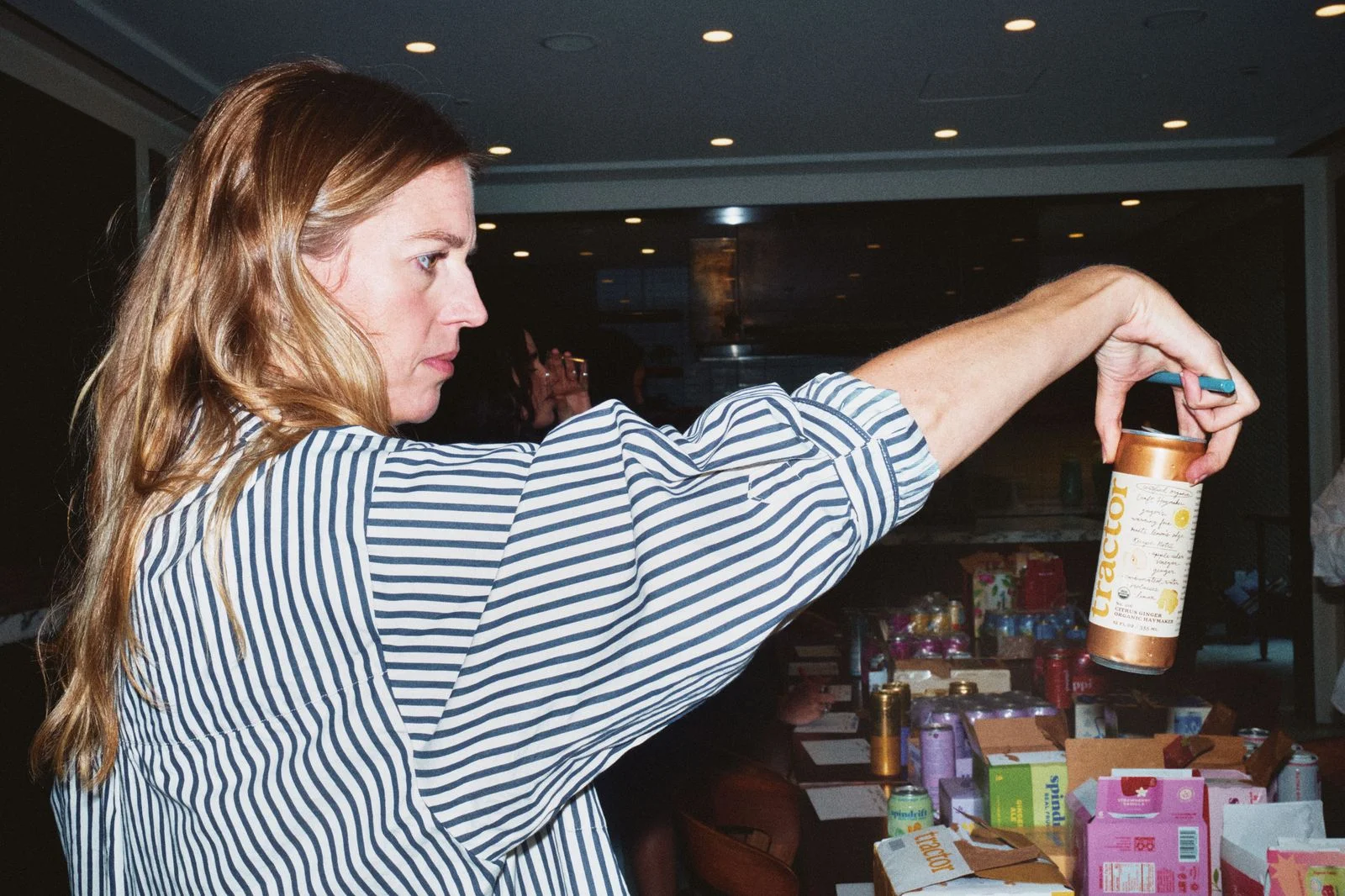 *Photo by Travis Rainey*
Molasses, maple syrup and fruit juice offer other routes to sweetness, letting brands add flavor without pushing sweetness or calories too high. Honey can play a subtler role. Sophia Spring, cofounder of sparkling iced tea brand Ooso, says it gives the tea a floral, almost caramel note that balances tart citrus and fruit without making the drink taste overtly sweet.
Here’s the thing: consumers’ reactions may matter as much as the recipe. Spring says people sampling Ooso often ask whether it contains stevia; when told it uses only a little honey, they visibly relax. That suggests at least some shoppers are wary of stevia, though the anecdote doesn’t tell us how widespread that preference is.
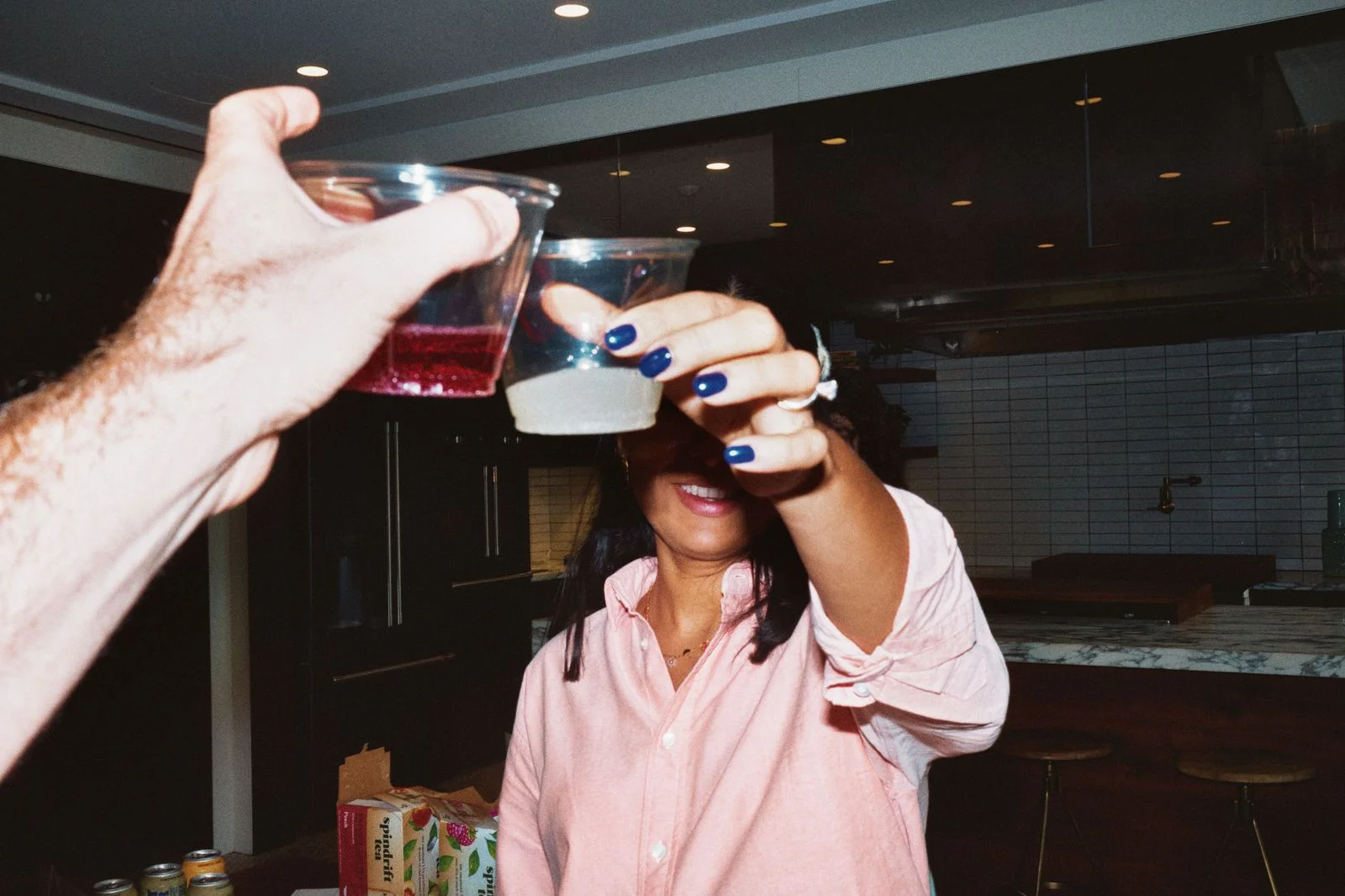 *Photo by Travis Rainey*
People still want carbonation, recognizable ingredients and a small, refreshing treat. The emerging category is trying to fit all three into the same can.
Shop our favorite low-sugar sparkling drinks
A $45 case of sparkling yuzu
Yuzuco’s Sparkling Yuzu + Minerals puts a price tag on the lightly sweetened drinks trend: a 12-pack costs $45, whether you buy through Shop or directly from Yuzuco. That’s a steep ask for a beverage, so the appeal has to come down to the specific flavor and formula—not just the promise of a little sweetness.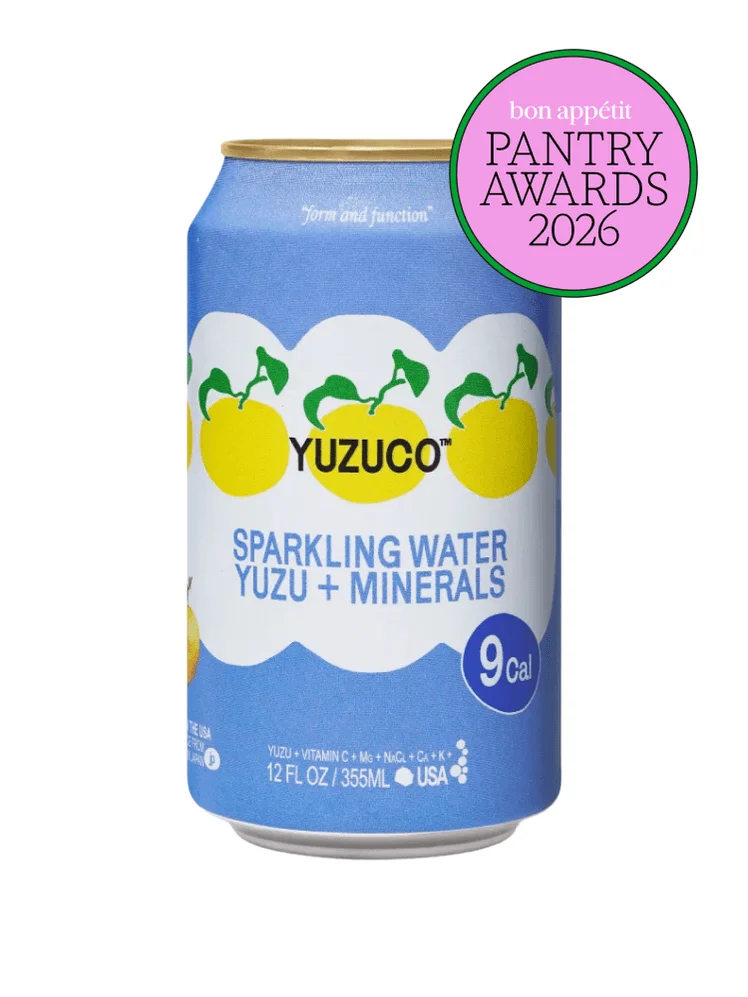 The listing offers the same price from both sellers: $45 for 12 cans. If you’re weighing the trend, that’s the practical test—whether a restrained sweetness and yuzu flavor are worth paying a premium for, case after case.