Alisa Weilerstein’s Cello Takes on Bach, Humanity and the Natural World
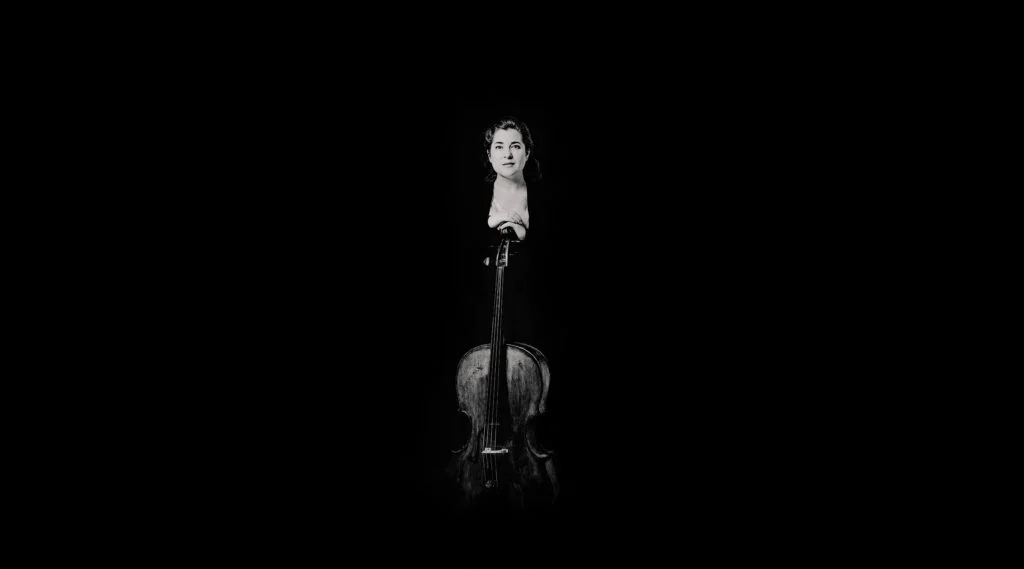
Photograph by Marco Borggreve. Courtesy of Alisa Weilerstein.
A cello’s ordinary life is built around waiting. Shut inside a carbon-fiber case, cushioned by velvet and Velcro, it travels from airport to concert hall while its player handles the schedules, the stairs and the luggage. The instrument gets its own seat on the plane, along with four loosened bows, spare strings, rosin and peg dope. Yet it cannot ask for anything. It can only wait for the moment a musician takes it out and draws sound from it.
That contrast makes the cello an unusually good vehicle for imagining a second life: one in which it slips its case after midnight and puts its voice to work. In this telling, the instrument is more than a companion to Alisa Weilerstein’s performances. It becomes a restless, self-directed character—part musician, part rescuer, part witness to the damage people do to the world around them.
A touring instrument with a vivid inner life
On the road, the cello endures bumps, shuffling crowds and the cramped conditions of cars, trains and hotel rooms. Its owner and keepers protect it from extremes of temperature and humidity, clean away rosin, and take it to a luthier for adjustments: cracks are tended, pegs tightened and the sound post set right. This care has the intimacy of a routine shared with a living thing. The instrument, however, remains quiet until it is played.
Then its stillness gives way to range. It can move through concertos, sonatas, trios and quartets, meeting composers from Beethoven and Brahms to Schoenberg, Elgar and Dvořák. It can answer an orchestra’s piccolos and timpani, or make noise on its own: rattling, whining, trilling, sawing. At its most forceful, it seems less like a polished instrument than a plank of wood being struck into life.
The cello’s imagined freedom also takes a distinctly physical form. It finds an affinity with other cellos, their scrolls knocking and pegs tangling as if the instruments were embracing. The scene turns the instrument’s proportions into comedy and character: it is awkwardly large for one kind of musical flirtation, perfectly suited to another.
After a performance, the cello is packed away again. But the story lets it escape whenever the case is left open and the household is asleep. It flies through the night, startling pigeons, then joining the migrations of geese, butterflies, buffalo, eels and salmon. Its strings catch the wind; the birds answer with their own sounds. The cello’s travels become a fanciful extension of what music already does: carry feeling across boundaries between bodies and species.
Rescue missions in a world under strain
The flights quickly turn into acts of rescue. The cello releases animals from transport trucks, factory farms, fish farms and aquarium tanks. It guides wildlife away from roads and toward bridges and tunnels, calming frightened creatures with music along the way. Its wooden body makes forests feel like home, and its bow gives it a reason to seek out horsehair for future repairs.
People need help too. The cello responds to fires and carjackings, helps women flee abusive partners and intervenes when someone is being attacked. Its spike becomes a means of distraction or defense, useful in a dangerous moment without turning the cello into a weapon of lasting harm. It treats wounds, wipes tears and leads blind pedestrians across the street, its unusual presence going unnoticed by the people it helps.
The rescue fantasy keeps expanding. The instrument plucks flying fish away from sharks, pulls people from avalanches and glacial mudslides, and carries victims to safety. It floats with ease and can even lift people out of danger like a helicopter. Other imagined feats are stranger still: using sound to shield itself, stopping trains from colliding, raising sinking ferries and diverting tornadoes from populated areas. At one point, it shuts down every airport, seeking to curb warming, reef bleaching and mass tourism. It sends nuclear waste into black holes and removes military drones from the sky.
These adventures are deliberately impossible, but their targets are recognizably real: animal confinement, violence, ecological destruction and war. The cello’s powers answer the scale of the harm with an extravagant wish to intervene. Its music supplies both its voice and its method. The instrument cannot explain what should change; it can only act, and make itself heard.
Bach gives the cello its own voice
The cello’s most consequential journey leads back to the solo repertoire. After nights spent roaming the earth and sky, it wants to play without accompaniment. Kodály’s solo sonata offers a demanding test; Bach’s preludes, gigues and sarabandes open a broader imaginative world. In the Bach, the cello’s modest frame seems to grow. Its sound can become a song, a landscape, a storm or a crowd.
That imagined musical world runs from Amazonian valleys and redwood forests to Tyrolean mountains. It holds domestic details and distant images alike: plates clattering, lapis lazuli, damselfish darting, mosquitoes buzzing and fireflies blinking. The instrument can suggest labor and grief, folk melody and marching feet. Its low C string growls; the upper strings flicker and flare. Harmonics seem to rise from the warmed wood, travel along the fingerboard and reach beyond the room where the music began.
Bach also gives the cello space for quiet and tragedy. Here the instrument’s fantasy of heroism turns into a judgment of its human audience. A wooden box, joined with old glue and stirred by horsehair, pleads through music for decency, love and justice. The plea is startling precisely because it comes from something so small and vulnerable. It imagines communion—with nature and with one another—as a form of resistance to the impulse to destroy.
What survives after us?
The essay’s view of humanity grows harsher as the cello’s vision widens. Forests burn, floods rise, and the earth absorbs pollution. People drive, consume plastic, build data centers, spread disease, accumulate debt and commit atrocities, while species disappear and children face unexpected cancers. Even the smallest signs of life seem threatened. The cello’s imagined interventions can delay individual tragedies, but they cannot make the larger reckoning disappear.
After people are gone, the natural world might continue without witnesses. Sunsets will still color the sky; winds will shift, rain will fall and trees will bloom. Mushrooms will appear and collapse. The moon will wax and wane. The passage imagines familiar planets and a comet returning on its 160,000-year cycle, indifferent to whether anyone remains to look up.
Human art is more fragile. The imagined losses include paintings, textiles, architecture and books, from the Mona Lisa and the Bayeux Tapestry to Jane Austen and Shakespeare. Music disappears too: Verdi, Puccini, Scarlatti, Schubert and Bach. Bach can feel so fundamental that it seems immune to extinction. But even his music depends on human beings preserving it, playing it and passing it on.
That dependence gives the cello’s final wish its force. Make music. Walk and swim; cook, read, paint, sew and write by hand. Admire flowers and make things that hold the trace of a person’s touch. These are modest actions beside the story’s global catastrophes, but they restore attention to the living world and to the people around us. The cello cannot save everything. It can still make a case for listening, and for choosing what we want to carry forward.
Lucy Ellmann’s most recent novel is Ducks, Newburyport. Her story “MT” appeared in our Summer issue, no. 256.