Netflix’s The One About Matthew Perry Finds the Man Behind Friends
Matthew Perry’s fame didn’t quiet the pain he hoped it would solve. That tension gives Netflix’s The One About Matthew Perry its strongest idea: the actor’s public success and private struggle weren’t separate stories, but forces that repeatedly collided. Across three episodes, director Mary Robertson builds a portrait shaped by Perry’s own recordings and the testimony of people who knew him through friendship and recovery.
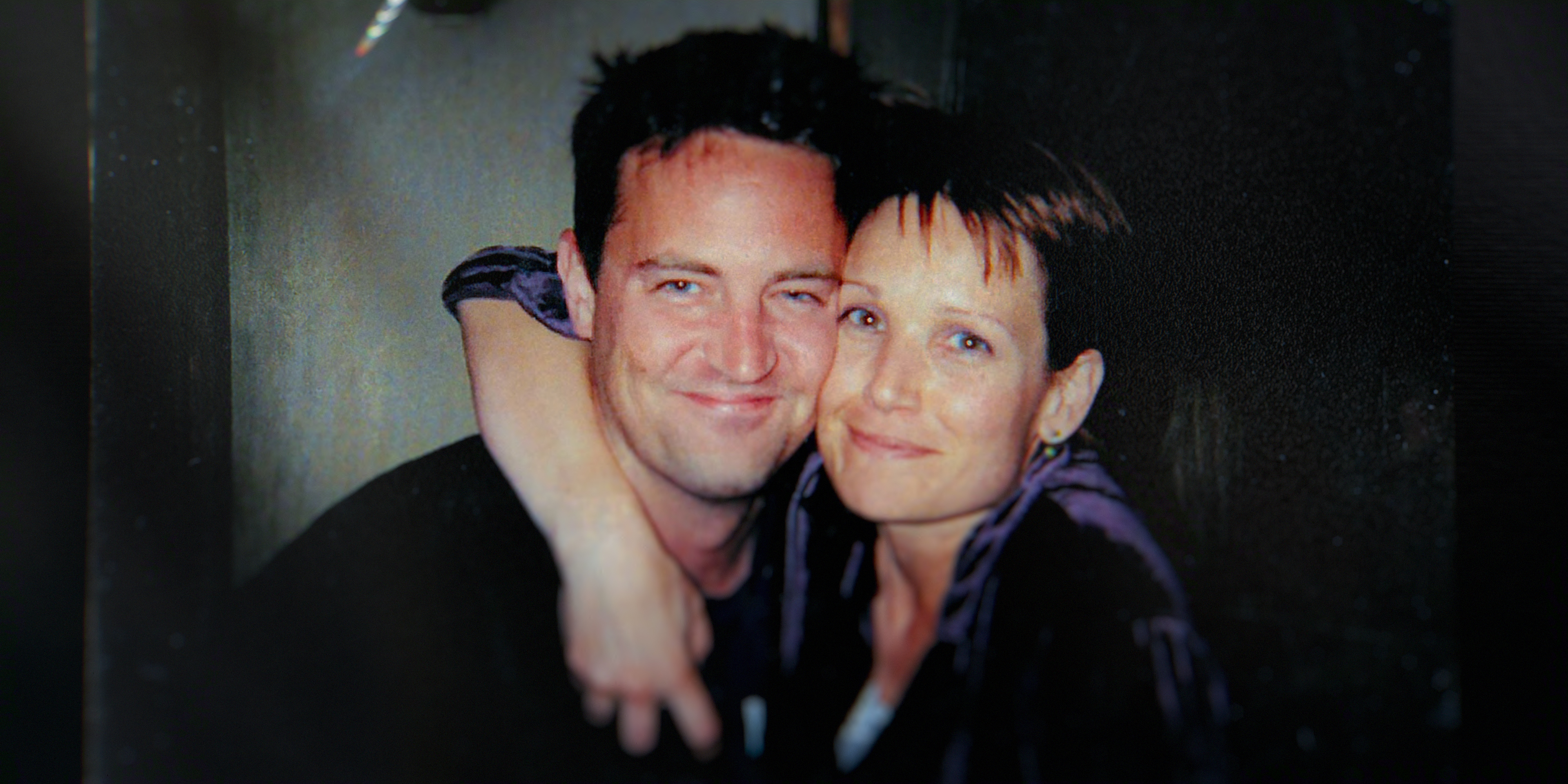
The One About Matthew Perry: Season 1. (L-R) Matthew Perry and René Ashton in The One About Matthew Perry: Season 1. Cr. NETFLIX © 2026
The documentary opens a window into the cost of getting what Perry once asked for. In an archival recording, he recalls praying, “I said God, you can do anything you want to me, just please make me famous.” Fame came; so did the realization that it had not fixed what was hurting him. “God did not forget the other part,” he says. Later, describing the moment success failed to deliver the relief he expected, he puts it plainly: “I was extremely happy when I got famous, then it’s like, ‘Uh-oh, this didn’t fix what’s inside me. This didn’t do what I thought it was going to do.’”
That gap between the promise of celebrity and its limits is familiar territory for a biography. What makes Robertson’s series feel more personal is its choice of witnesses. Perry’s younger sister, Mia Perry Bowick, and longtime friends David Pressman and Roger Castillo help trace the person behind the familiar sitcom persona. The series also draws on Perry’s own words and archival footage, allowing his voice to guide the account without turning every hardship into a dramatic reveal.
Fame arrived before the relief he wanted
Perry grew up between two households: he lived with his mother in Canada while his father, actor John Bennett Perry, lived in Los Angeles. His father helped spark his interest in acting, and Perry’s ambitions were clear early on. He wanted a successful Hollywood career and the recognition that came with it. A childhood attachment to Batman endured into adulthood, with memorabilia appearing in his homes. The comparison the documentary invites is apt: Perry saw wealth as something that could be put to use helping other people, much as Bruce Wayne did.
As a teenager, he moved to Los Angeles and formed close friendships with Pressman and Castillo. The series gives their connection space, though one notable figure from that early circle is missing as an interview subject: Hank Azaria. He appears in photographs, but not among the people offering on-camera recollections. That absence stands out given his place in the group’s early years, before Perry became Chandler on Friends and Azaria became widely associated with The Simpsons.
Friends changed the scale of Perry’s career. NBC president Warren Littlefield describes him as the last piece needed to complete the show’s cast. The sitcom ran from 1994 to 2004, and Chandler became Perry’s signature role: quick with a joke, guarded in a way that masked a generous streak. The documentary understands the pull of that character while resisting the idea that Perry’s life can be reduced to his most famous performance.
He also wanted to work beyond television. Fools Rush In gave him an early leading role in a feature film, but the production coincided with a serious turning point. After a jet ski accident left him badly injured, he was given Vicodin for the pain and became addicted. The series places this episode within the larger story of his career and his search for something fame had not supplied. It doesn’t suggest one event explains everything; instead, it shows how professional momentum and growing dependence could run alongside each other.
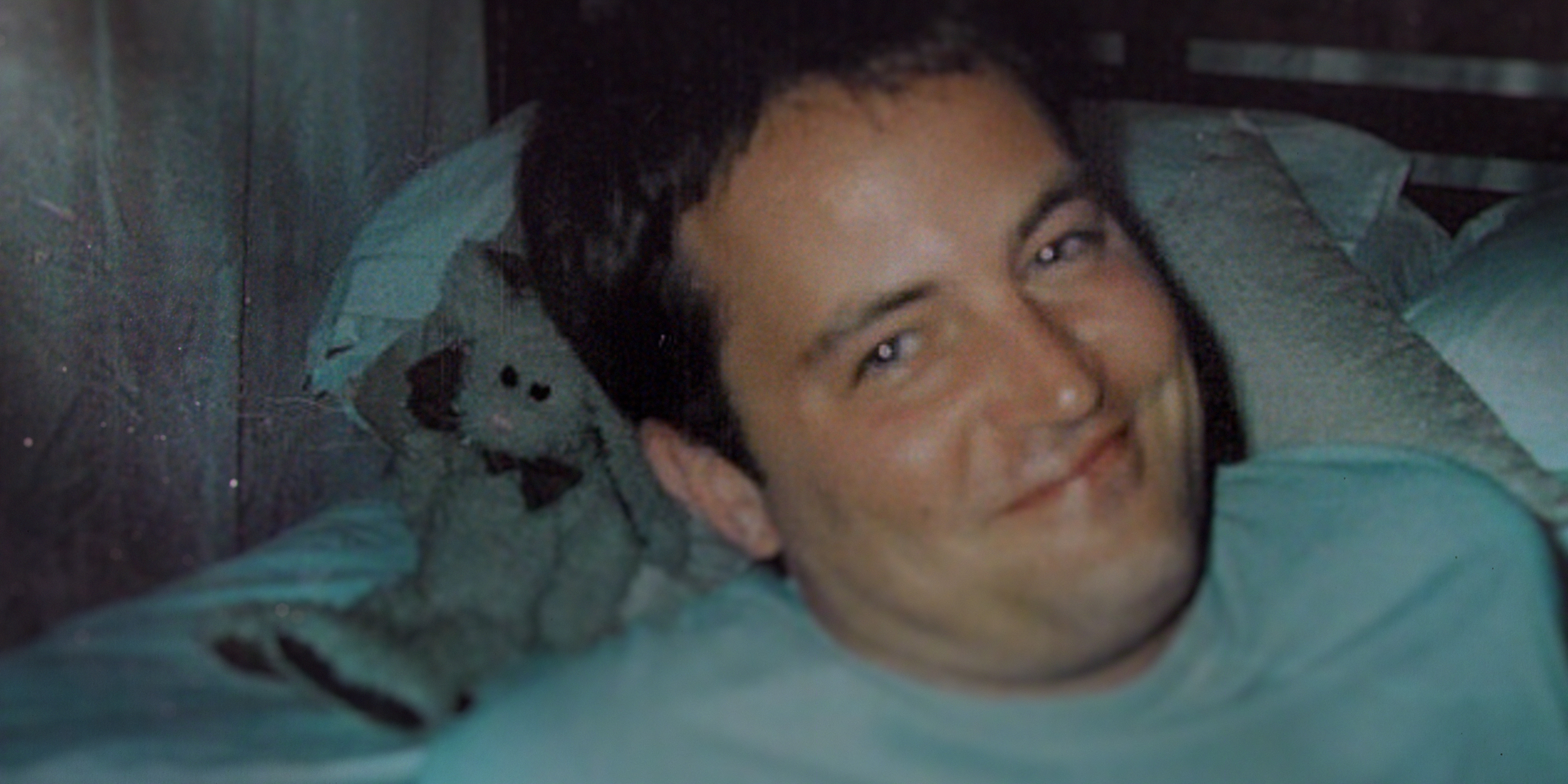
The One About Matthew Perry: Season 1. Matthew Perry in The One About Matthew Perry: Season 1. Cr. NETFLIX © 2026
Recovery becomes a lens on character
Robertson, whose credits include Quiet on Set: The Dark Side of Kids TV, structures the episodes around phases of Perry’s working life: the years before Friends, his move into film, and the substance abuse that accompanied those changes. The format gives the story a clear spine, but its real value lies in the effort to understand Perry through the people around him. Their recollections touch on his difficulty managing intense emotions and the way feelings of abandonment from childhood continued to affect him as an adult.
No Friends cast member appears as an interview subject. That decision keeps the series from leaning on the reunion appeal of familiar faces, and directs attention toward people who can speak to Perry outside the sitcom’s orbit. The documentary doesn’t resolve every question about his relationships with his co-stars, including Courteney Cox, who played his on-screen love interest Monica. But its chosen contributors offer a more grounded view of his daily life and his long effort to stay sober.
The stories from people Perry met through Alcoholics Anonymous and rehabilitation are especially revealing. His ex-girlfriend Rome recalls meeting him in recovery and connecting over the idea of treating their bodies as temples. When she had neck problems, he took her to a chiropractor. It’s a small act, but the detail matters: it shows care expressed as ordinary, practical attention rather than a grand gesture.
Timothy Harrington, another AA member, remembers Perry helping him in 2001. Perry offered Harrington a place to stay, and they lived together for about a year. This account helps explain the divide the series keeps returning to: Perry could be in the middle of a difficult personal cycle and still make room for someone else’s needs. The documentary doesn’t use those acts to erase his struggles or turn kindness into a simple answer. It lets both parts of his life remain visible.
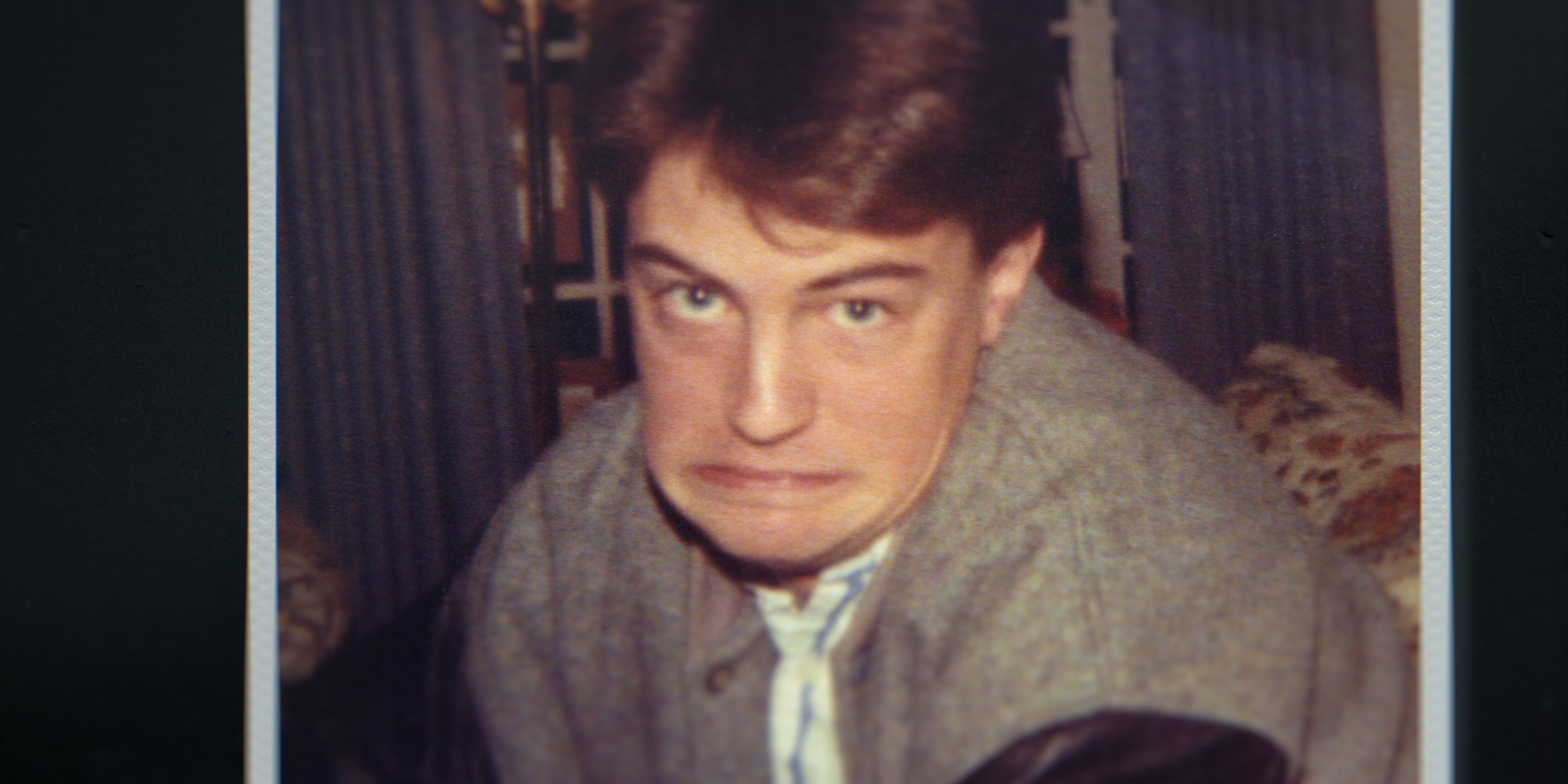
The One About Matthew Perry: Season 1. Matthew Perry in The One About Matthew Perry: Season 1. Cr. NETFLIX © 2026
A biography with restraint
There’s a familiar trap in celebrity documentaries: treating a person’s pain as spectacle, then mistaking access for insight. Robertson’s series largely avoids it. The people interviewed knew Perry personally, and the production gives them room to describe his character alongside his addiction. That approach makes for a more considered account than Matthew Perry: A Hollywood Tragedy, which the source review describes as lacking testimony from people who knew him.
The three-part series was released on the third anniversary of Perry’s death. He was 54. Its central subject is not only the addiction itself, but the human effort to build a life while facing recurring setbacks. The film doesn’t offer a tidy explanation for why sobriety was so difficult, and it doesn’t pretend that a set of interviews can settle the complexities of depression, fame, or recovery. Its more modest aim—to assemble a portrait from the memories and words of those closest to him—serves it well.
Perry will remain closely associated with Chandler, but the documentary gives viewers a fuller measure of the person behind that role: a son shaped by a divided childhood, an actor who wanted more than sitcom success, a man who struggled to maintain sobriety, and a friend remembered for showing up for others. The lasting takeaway is the tension between those truths. His generosity didn’t cancel his pain, and his fame didn’t resolve it; both belong in the story.