FlashForward’s Global Blackout Premise Made John Cho’s Canceled Sci-Fi Series Unnerving
FlashForward built its drama around a question with no easy answer: if you’ve seen your future, can you still change it? The ABC series gave every person on Earth a glimpse of life six months ahead, then followed the fear, hope and suspicion that came with knowing—or believing—what was coming.
Based on Robert J. Sawyer’s 1999 novel, the show was co-created by Star Trek writer Brannon Braga and screenwriter David S. Goyer. On October 6, 2009, the entire planet lost consciousness for exactly two minutes and 17 seconds. During the blackout, people saw themselves on April 29, 2010. The series’ central mystery was what caused the event; its more personal hook was how those visions reshaped people’s choices.
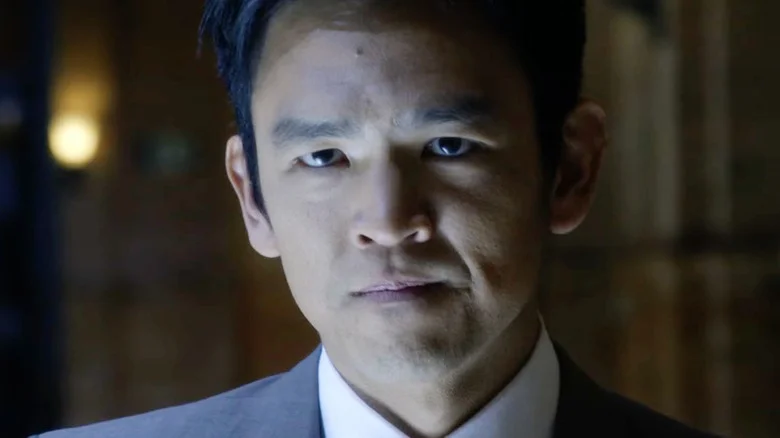
John Cho plays FBI agent Demetri Noh, alongside Joseph Fiennes as his partner, Mark Benford. Their investigation gives the series a procedural spine, while the visions set the characters’ private lives on uncertain footing. Christine Woods’ agent Janis Hawk sees herself at a pregnancy sonogram despite being single. Benford’s wife, Dr. Olivia Benford, played by Sonya Walger, imagines a romantic evening with someone other than her husband.
The darkest vision belongs to Noh: he sees nothing at all. He fears that means he’ll be dead within six months. Benford, meanwhile, sees himself investigating the blackout as armed men enter his office. Those glimpses make the show’s premise feel less like a puzzle and more like a threat hanging over every character.
A big mystery with too many moving parts
FlashForward had the ingredients for a strong serialized drama: global stakes, intimate dilemmas and a built-in debate about fate. But its conspiracy plot grew dense quickly. Dominic Monaghan and Jack Davenport play scientists Simon Campos and Lloyd Simcoe, whose possible connection to the blackout is only one thread among many. Someone used a high-tech ring to stay awake during the event; the FBI hunts a figure known as Suspect Zero; and the story introduces both a shadowy group of government agents and the mysterious D. Gibbons, also known as Dyson Frost.
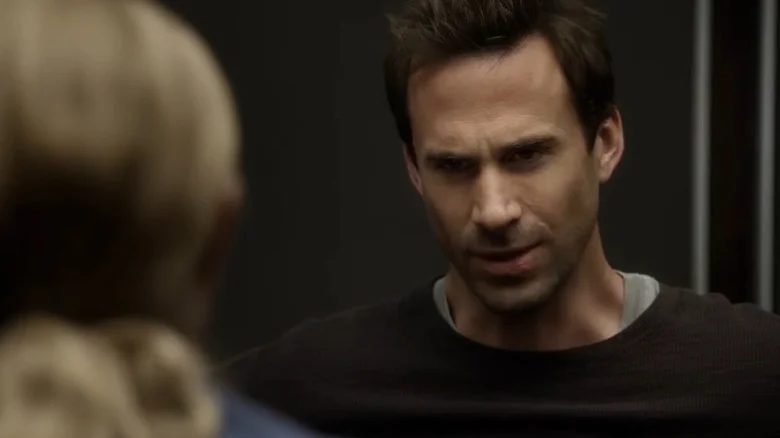
The show also had a crowded ensemble, with at least 10 central characters and a steady run of guest stars. Michael Ealy, Gabrielle Union, Annabeth Gish and Ricky Jay all appeared, adding talent but also more stories competing for attention. For a series already trying to explain a worldwide phenomenon, that volume made it harder to keep the central questions in focus.
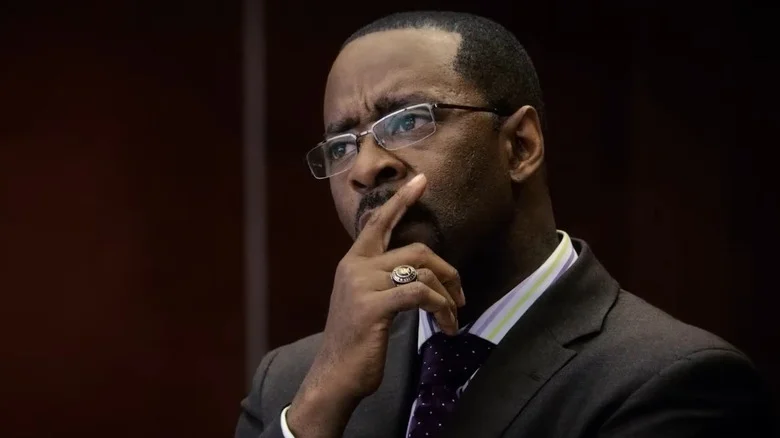
Its most compelling idea often surfaced in smaller, less spectacular visions. FBI Assistant Director Stanford Wedeck, played by Courtney B. Vance, sees himself sitting on a toilet and reading a newspaper. That mundane image offers a sly counterpoint to the show’s more ominous predictions: not every glimpse of the future has to be extraordinary to feel unsettling.
A promising first season cut short
The single 22-episode season aired in two blocks: the first from September to December 2009, and the second from March to May 2010. The schedule brought the series close to the date its characters had seen in their visions, a neat structural choice for a story preoccupied with time. But weak ratings ended the run before the show could build on its setup.
Critics were more receptive. Salon’s Heather Havrilesky named FlashForward the best show of that year’s fall season and compared it favorably with Lost and Fringe. She praised the pilot’s “eerie mood” and its sense of “mystery and doom,” especially because the event affected the entire planet. She also called the episode “wildly cheesy,” a reservation that captured a broader response: the premise drew viewers in, while the plotting didn’t always deliver.
That’s the tension that still defines FlashForward: its central thought experiment was sharp enough to sustain a season, but its maze of characters and conspiracies often obscured it. The series did reach the date its visions pointed toward, giving its central device a payoff. Its lasting appeal lies in the question it leaves behind: seeing what comes next may not make the future any easier to face.
Braga’s connection to the franchise and Cho’s own Star Trek history add another point of interest for science-fiction fans. Braga briefly stepped away from the franchise after Star Trek: Voyager, while Cho joined Star Trek without first reading a script.