Nicole Kidman Reflects on Height Criticism and Family Priorities in Vogue Australia
Nicole Kidman’s Vogue Australia interview puts a personal story behind the confidence in her latest Chanel editorial: for years, she was told her height could limit her career. Now, she describes how being cast as the lead changed the terms. “Everyone has to adjust around you,” she said, recalling the moment a presumed disadvantage stopped being one.
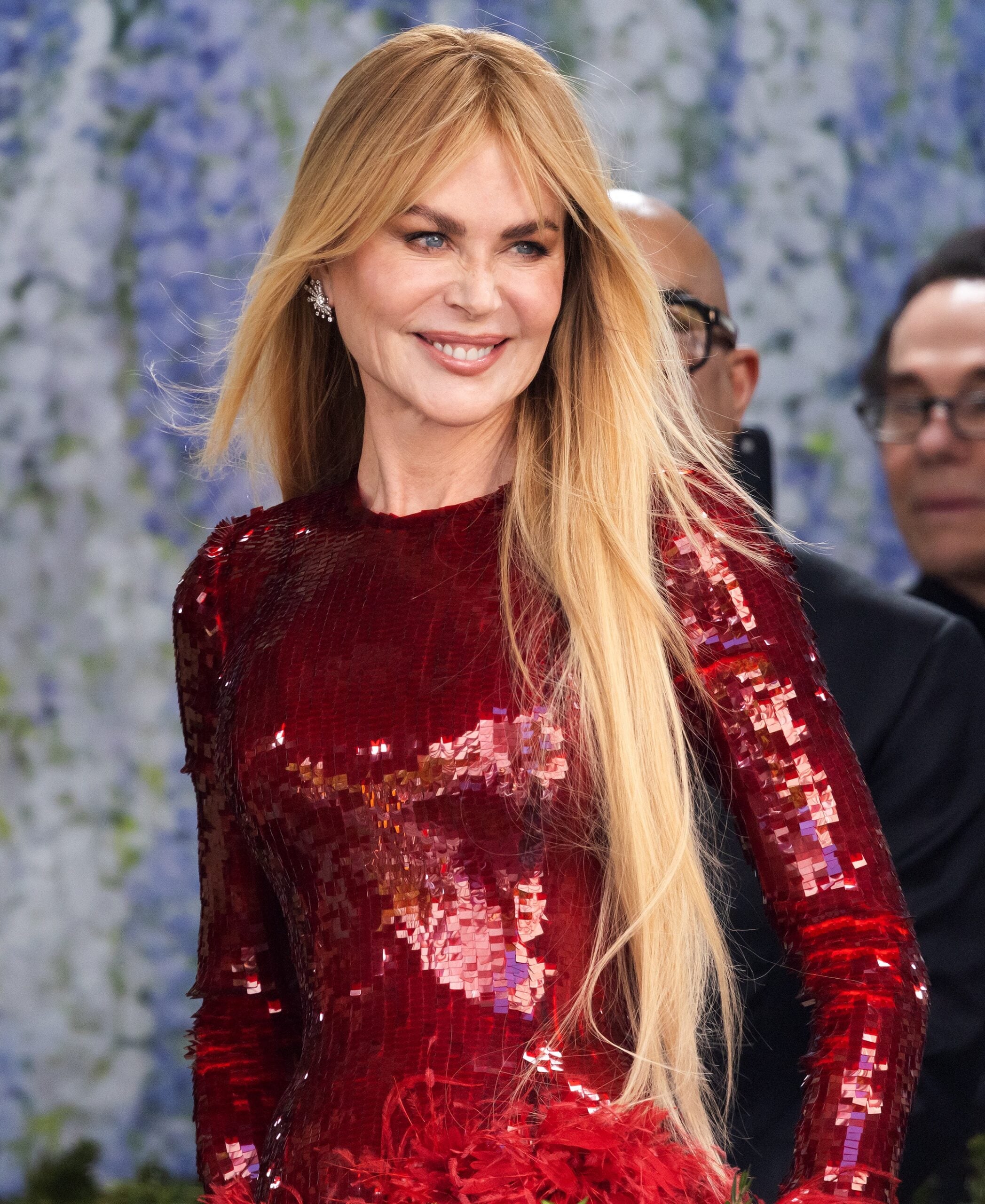
The 59-year-old actor spoke with several well-known Australians for the feature, including filmmaker Baz Luhrmann, actors Naomi Watts and Margot Robbie, and Zoe Saldaña. Their questions moved between the judgments she faced early in her career, ambitions she never pursued and the choices that shape her life as a parent.
A physical trait became part of the story
Kidman told Luhrmann that height had made her feel conspicuous as a child. She was taller than her classmates, including the boys, and thought it closed the door on her dream of becoming a ballet dancer.
“My height was an obstacle. I was the tallest in the class, taller than all the boys. I couldn’t fulfill being a ballet dancer because I was too tall,” she said, according to the Daily Mail.
The same judgment followed her into acting. Kidman recalled being warned that she was too tall to work opposite male leads. Her account suggests how quickly an industry expectation can turn a body type into a supposed professional limitation.
That logic shifted once she began leading projects herself. “And then, suddenly, when you are cast first in something, you’re not too tall; everyone has to adjust around you,” she said. She described the change as “kind of amazing,” adding that the repeated criticism had “gave me my fire.”
Kidman is 5 feet 11 inches tall. In the interview, she framed the change less as a physical transformation than a shift in who gets to set the conditions. When she was no longer being fitted into someone else’s idea of a leading woman, the trait that had been treated as a drawback became simply part of her presence.
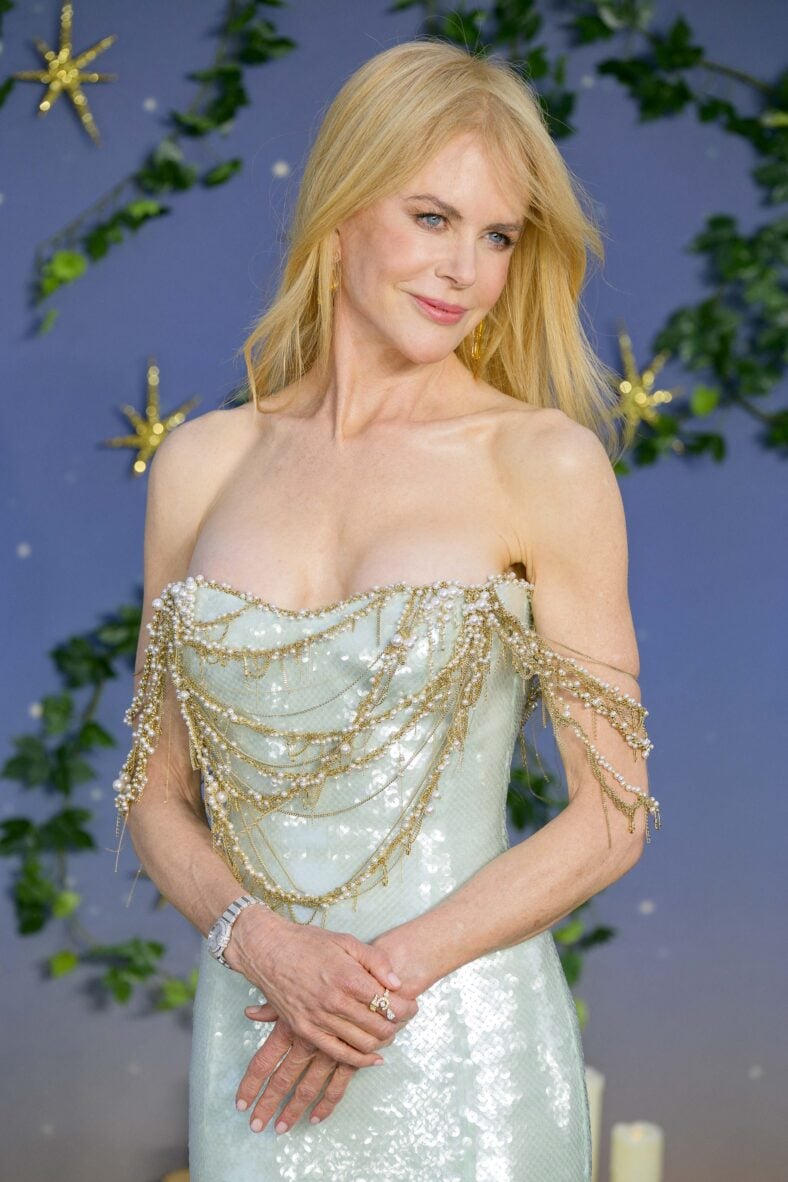
Chanel styling, with a relaxed edge
The photographs give the interview a visual counterpoint. Shot by Lachlan Bailey in New York, the editorial shows Kidman in a Chanel bikini top with low-slung denim, a chunky gold necklace and tousled hair. Another look pairs a Chanel beanie with a strapless dress in a single color.
Christine Centenera, Vogue Australia’s editor-in-chief, styled the shoot. It arrived as Chanel brought its Resort 2027 collection to Australia for the first time. Kidman returned as a global ambassador for the French fashion house last year, placing the editorial within a wider moment for the brand in Australia.
Humor and candor in the interview
Watts, a longtime friend, asked Kidman which rules she had broken. Kidman declined to give examples, telling her, “She knows them! I’m not answering. Many. Rule breaker. It takes one to know one!” The answer keeps the exchange playful while leaving the stories between the two of them.
Robbie asked about an Australian television advertisement Kidman remembered from childhood. Her answer was a McDonald’s commercial, and the reason was straightforward: she wanted to eat a Quarter Pounder on camera, repeatedly. “Forget about acting,” she joked. She never got cast.
Her daughters come first
Saldaña asked how Kidman balances an ambitious career with raising a family. Kidman pushed back on the idea that anyone can get every part of life exactly right: “There’s no such thing as perfection in any area. You do your best, and you show up.”
She said she has made her priorities explicit to her daughters. Even when she’s on a film set, they can reach her if they need her, and work will take a back seat when circumstances demand it.
“There is nothing more important than you,” she tells them. For Kidman, being clear that her children will come first when it matters is central to how she defines love. The point is practical as much as personal: a demanding career can coexist with family life, but not through perfection or a promise to be everywhere at once.
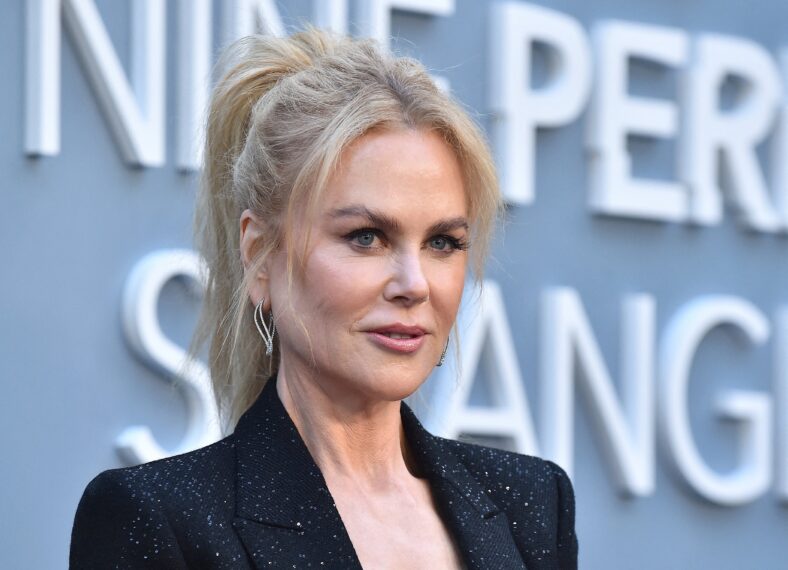
Across the conversation, Kidman’s stories connect a public career to choices made on her own terms: accepting the presence she once felt pressured to minimize, keeping some stories private, and defining what matters when work and family compete for her attention.