Therapists Say Trump’s Rally Jokes About Melania Could Strain Trust
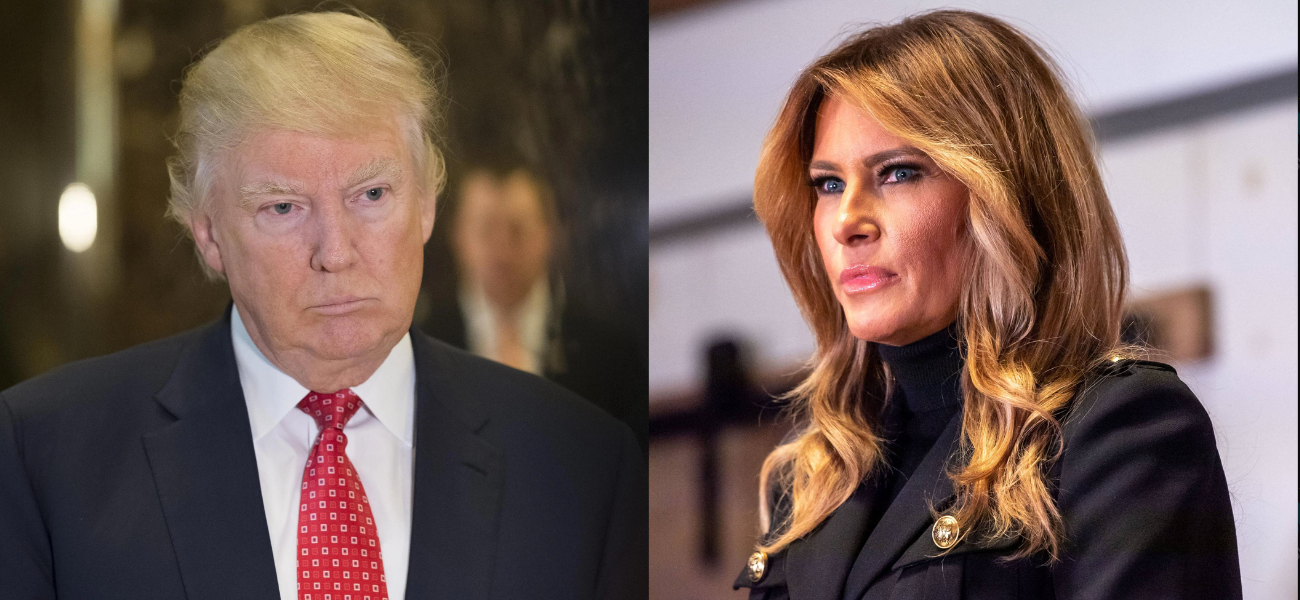
A private disagreement can change character when one partner turns it into material for a crowd. That’s the concern raised by therapists discussing Donald Trump’s repeated jokes about Melania Trump: according to their analysis, the audience’s laughter may come at the cost of the first lady’s privacy and trust within the marriage.
At rallies, Trump has recounted Melania’s alleged objections to his impressions of transgender athletes and his “YMCA” dance. He has described her telling him, “You’re president of the United States; you shouldn’t be doing this,” then used that reported criticism as part of his routine. The remarks have drawn applause, but therapists interviewed by HuffPost see a more pointed dynamic than ordinary couple banter.
When private comments become public material
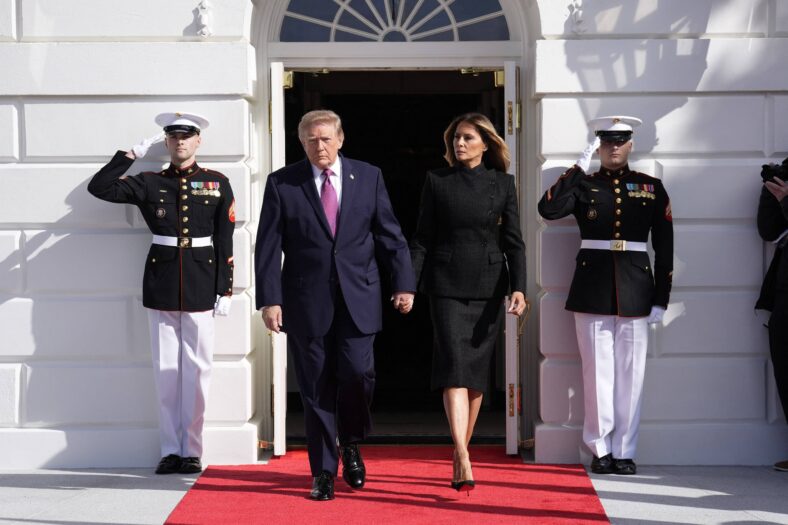
Amy Begel, a therapist at the Mount Sinai School of Medicine in New York City, argued that the rally performance centers Trump, with Melania cast as the target. In her view, using a partner’s private remarks to entertain an audience can undermine trust. She described the behavior as “a power play, a game of one-upmanship mixed with humiliation.”
Los Angeles psychologist Cason also characterized the comments as “hostile humor”: mockery presented as a harmless joke or anecdote. The distinction matters because the speaker may frame a remark as playful while the person it concerns experiences it as belittling. Cason said Trump not only disregarded the advice attributed to Melania, but then shared it with the crowd and invited its members to “laugh at it.” That, Cason said, could communicate contempt.
“Recruiting the audience creates a power imbalance in that moment. He appears to be using her for material, not advice,” Cason concluded. The point is less about whether any individual joke lands than about who gets to set the terms of the story. Melania’s reported words become a public punchline; the crowd’s reaction gives the joke an additional audience and authority.
That interpretation comes from the experts, not from a direct account of how Melania feels about the remarks. The source describes the comments and the therapists’ reading of them; it doesn’t establish the couple’s private response. Still, the pattern is enough for the clinicians to question whether the jokes function as affectionate teasing or as a way to expose and dismiss a partner’s concerns.
Why therapists use the term “triangulation”
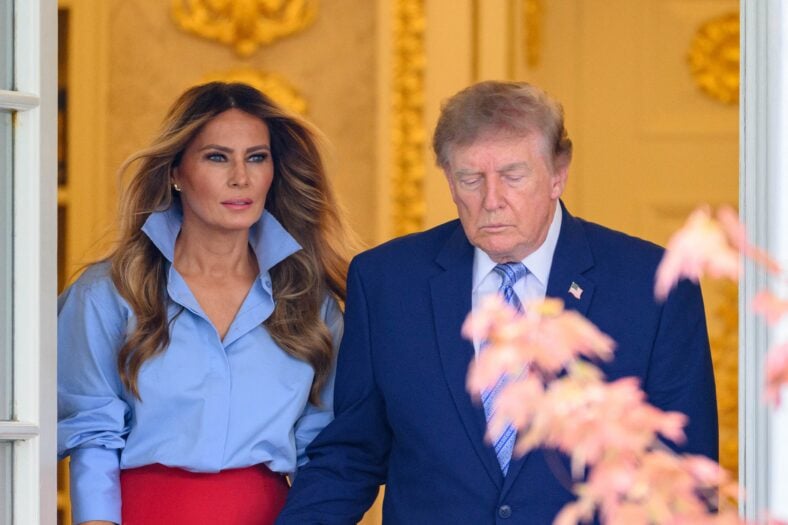
Marriage and family therapist Jennifer Chappel Marsh said the dynamic resembles a familiar pattern in couples: triangulation. In this context, a partner brings other people into a disagreement by telling an embarrassing story or making the other person the subject of a joke. The crowd becomes part of an exchange that would otherwise belong to the couple.
“Everyone laughs, but the person on the receiving end doesn’t find it funny. They feel embarrassed and devalued,” Chappel Marsh told HuffPost. She described how the partners can experience the same moment differently: one feels hurt and dismissed, while the other believes a harmless comment has been met with unfair criticism. Repetition can deepen that disconnect, particularly if the behavior continues after it has been raised as a concern.
Chappel Marsh said that a recurring pattern, especially after a partner has addressed it, “may signal something deeper such as underlying resentment being expressed passive-aggressively through ‘humor.’” That’s a possible interpretation offered by a therapist, not a confirmed account of Trump’s motives. It does, however, explain why the repetition has prompted closer scrutiny than a single offhand remark might.
The discussion arrives amid wider coverage of the couple’s public interactions. The Blast has reported claims and commentary concerning their relationship, including pieces about nonverbal behavior, Trump’s remarks about married life, and allegations of conflict. Those reports add context to the attention around the jokes, but they don’t independently verify what happens between the couple in private.
- Melania showed “absolute nonverbal avoidance” of intimacy with Trump, experts claim.
- Melania’s ceasefire claims take a shocking turn amid clash with Pope Leo
- The first lady showed “nonverbal avoidance” of intimacy with Trump during an awkward kiss.
- Trump’s unexpected comments about married life with Melania raise eyebrows.
- Melania and Trump are in “direct conflict” in their marriage, author claims.
- Worries mount for Melania over Trump’s “disrespectful” behavior with Natalie Harp.
- The first lady’s five-word warning to Trump at the Grand Prix event was revealed.
The jokes have surfaced beyond rallies
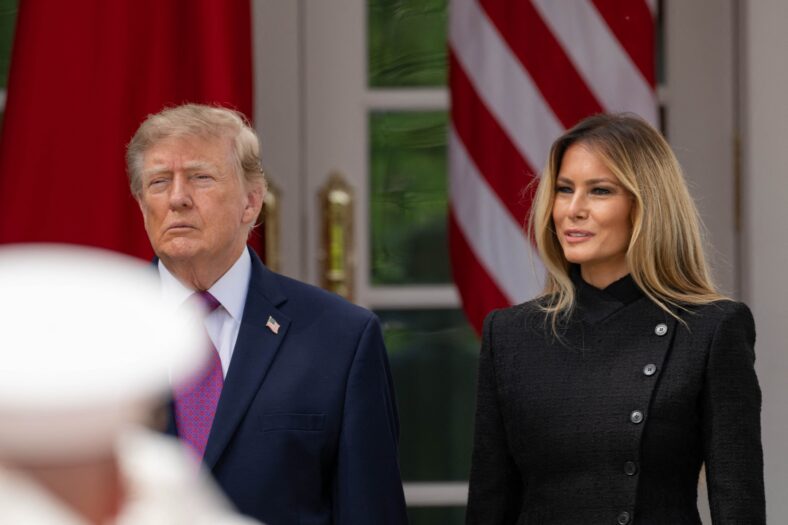
Trump’s remarks about Melania have also drawn attention at White House events. At a Rose Garden appearance to sign an executive order establishing a White House Women’s Health Task Force, he praised her contribution to raising awareness of women’s health, then turned to a joke about her personality.
“Well, you think she’s easy. She’s not so easy,” he said, prompting laughter. He also called her “very smart” for supporting the initiative. The mix of praise and teasing illustrates why the tone can be difficult to assess from a brief public exchange: a compliment may sit alongside a joke that puts the other person on display.
The event also produced a separate exchange over their signatures. Trump complimented his own, then said, “I don’t know if her signature means anything,” as Melania signed. She replied, “Yours is the most important.” He went on to say their signatures looked “similar,” although the report says his was almost three times the size. The moment circulated on social media, where critics accused him of humiliating her.
Comments about the documentary broadened the pattern
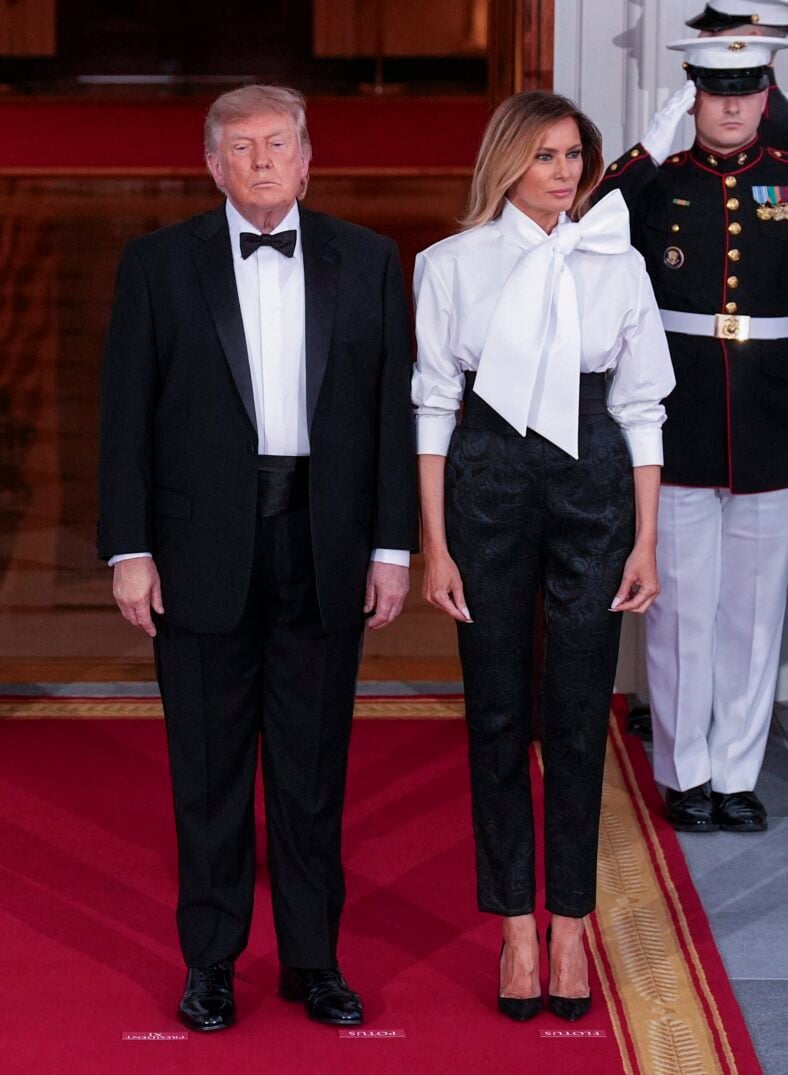
Another public remark came two days after the October 19 signing event, at an October 21 campaign rally in Pendleton, South Carolina. Trump spoke about Melania’s documentary, “Melania,” and joked about how she had behaved since its release. He said, “Since then … she’s been absolutely impossible to live with.” He had previously quipped that there was no room for another star in the family besides himself.
The Irish Star has reported author Michael Wolff’s claim that Melania’s time in the spotlight puts her in “direct conflict” with Trump. Wolff said Trump “can’t stand anyone else being the center of attention” and would not want anyone, including his wife, to take the limelight. Those are Wolff’s claims, and the source doesn’t offer independent evidence to establish them.
A pattern audiences can see, and a marriage they can’t
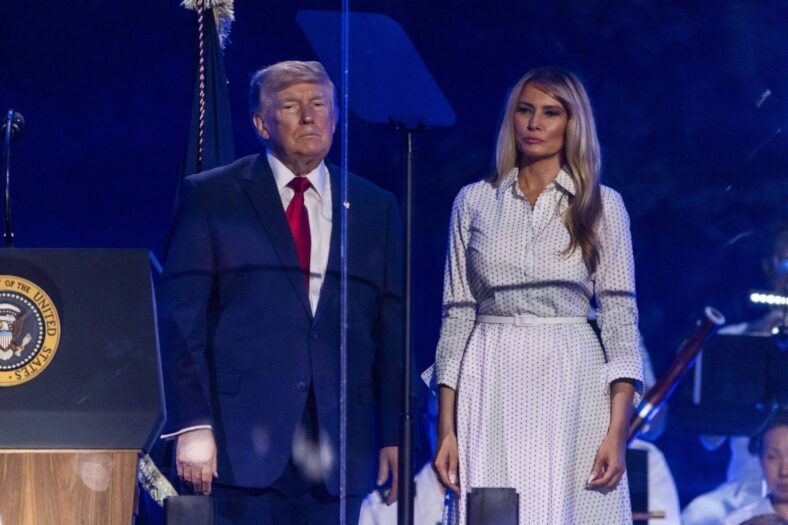
The signature exchange, the “not so easy” quip and the rally stories differ in setting, but share a feature: Melania’s reactions or alleged private comments become part of Trump’s public performance. Onlookers can judge the words and the audience response. They can’t know, from those moments alone, how the couple discusses the jokes away from the cameras.
That gap is central to the therapists’ analysis. A joke can be welcomed by both partners, but repeated public teasing after a private objection can carry a different meaning, particularly when other people are invited to laugh. The experts’ terms—hostile humor and triangulation—offer a way to describe that social dynamic without claiming certainty about what either spouse intends.
For industry observers tracking the couple’s public image, the clearest takeaway is that repetition shapes the story. Each new joke gives audiences another example to compare with the previous ones, while the private context remains unavailable. The next public exchange may therefore matter less for its punchline than for whether this pattern continues.