Patrick Bet-David Predicts Elon Musk Could Face Political Violence
A political allyship Bet-David sees as a security risk
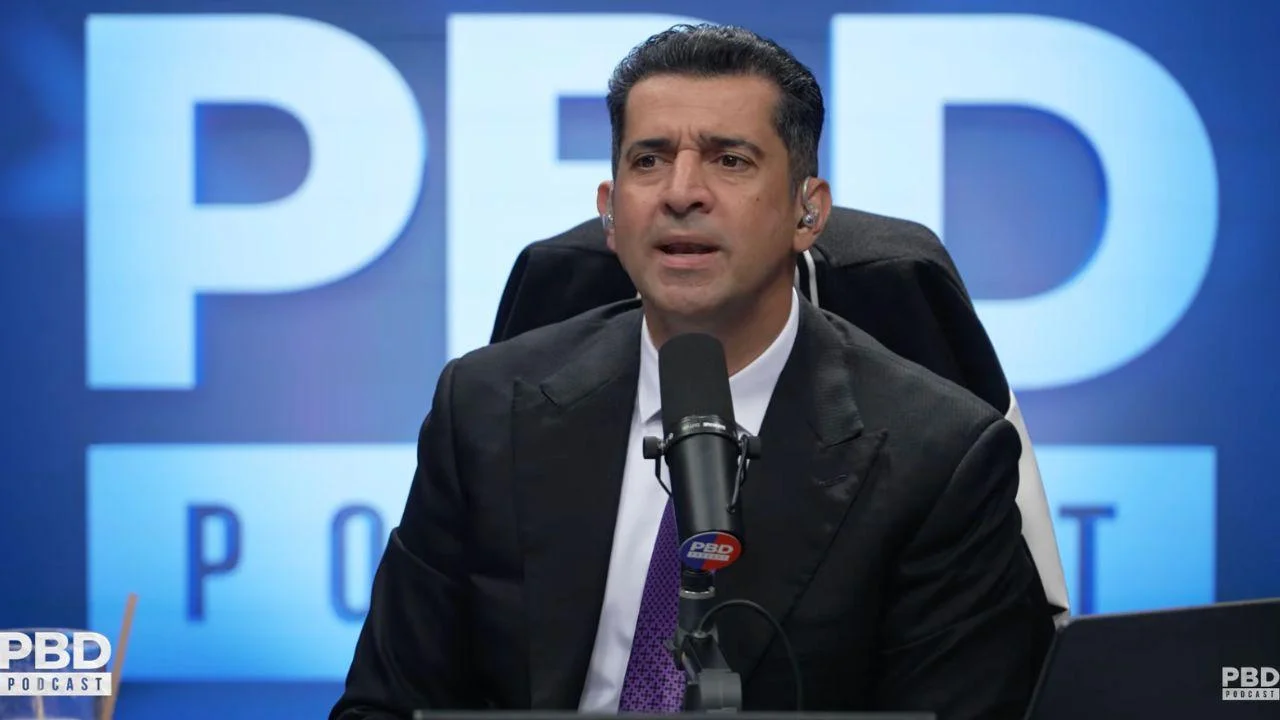
The striking claim here is how quickly Patrick Bet-David turns Elon Musk’s Republican connections into a prediction of political violence. On his podcast “PBD” on Monday, October 26, the 48-year-old conservative host said Musk, 55, could be assassinated by someone on the left. The fragment offers no evidence for that forecast; it presents Bet-David’s view.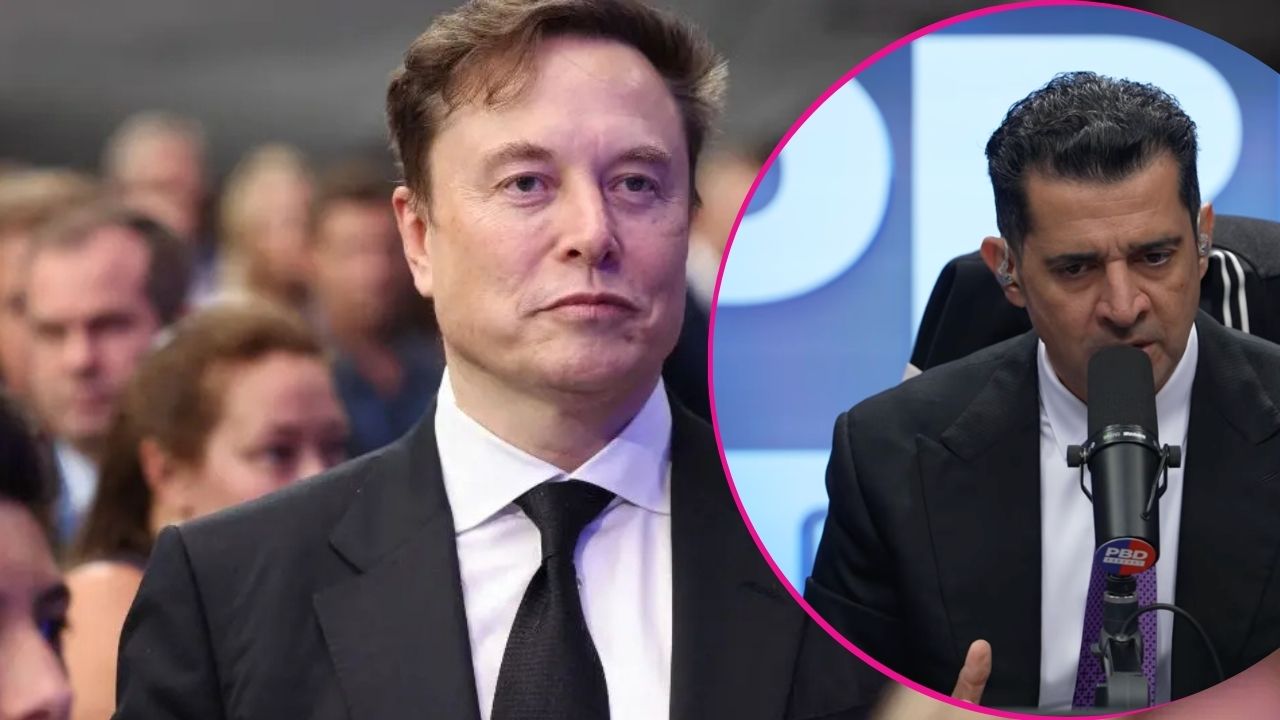
“They’re not going to let this guy live”
Musk’s Break With Trump Followed an Unusually Close Alliance
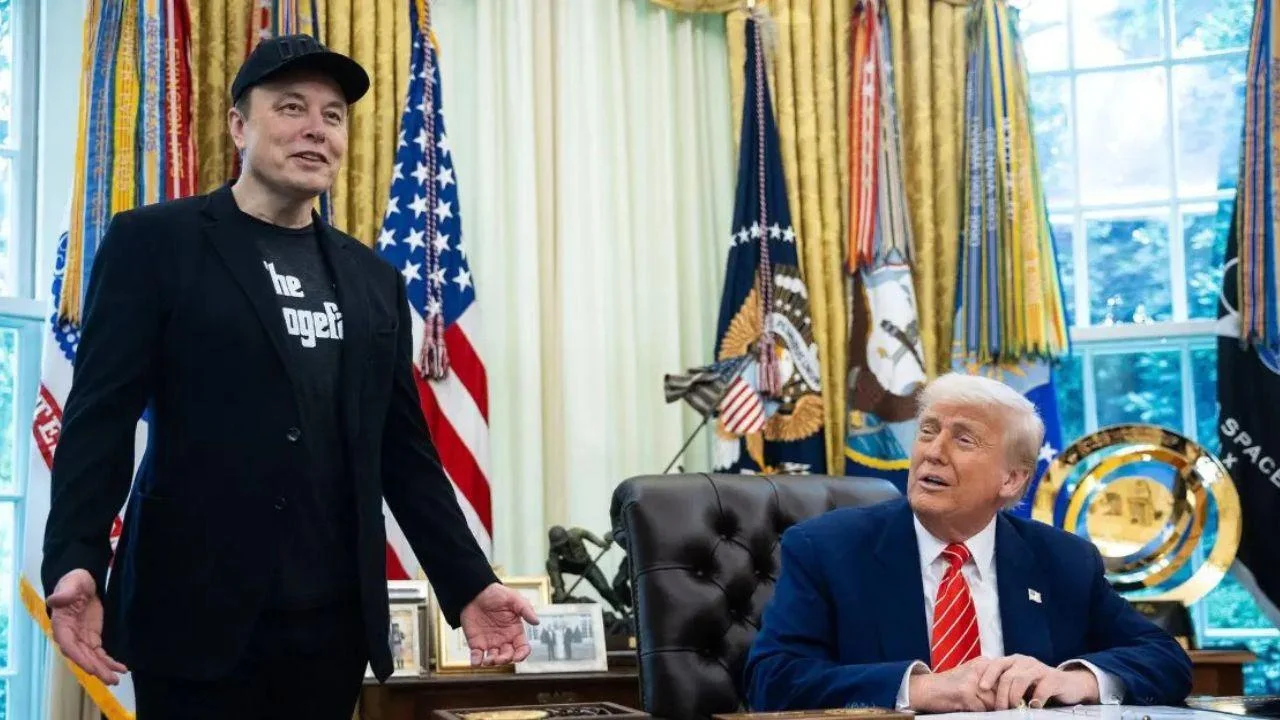
Elon Musk was more than a high profile Trump supporter in 2024: he was the election cycle’s largest donor. After Trump’s January 2025 inauguration, Musk became a trusted adviser and led the Department of Government Efficiency, or DOGE. That gave their partnership real influence inside the administration—and made its collapse harder to dismiss as a passing online spat.
Musk backed Trump during the 2024 election, then left the administration in May 2025. A short stint leading DOGE ended in a public feud soon afterward. The sequence matters: this wasn’t a critic taking aim from the sidelines, but a former ally who had helped Trump win and then served in his administration.
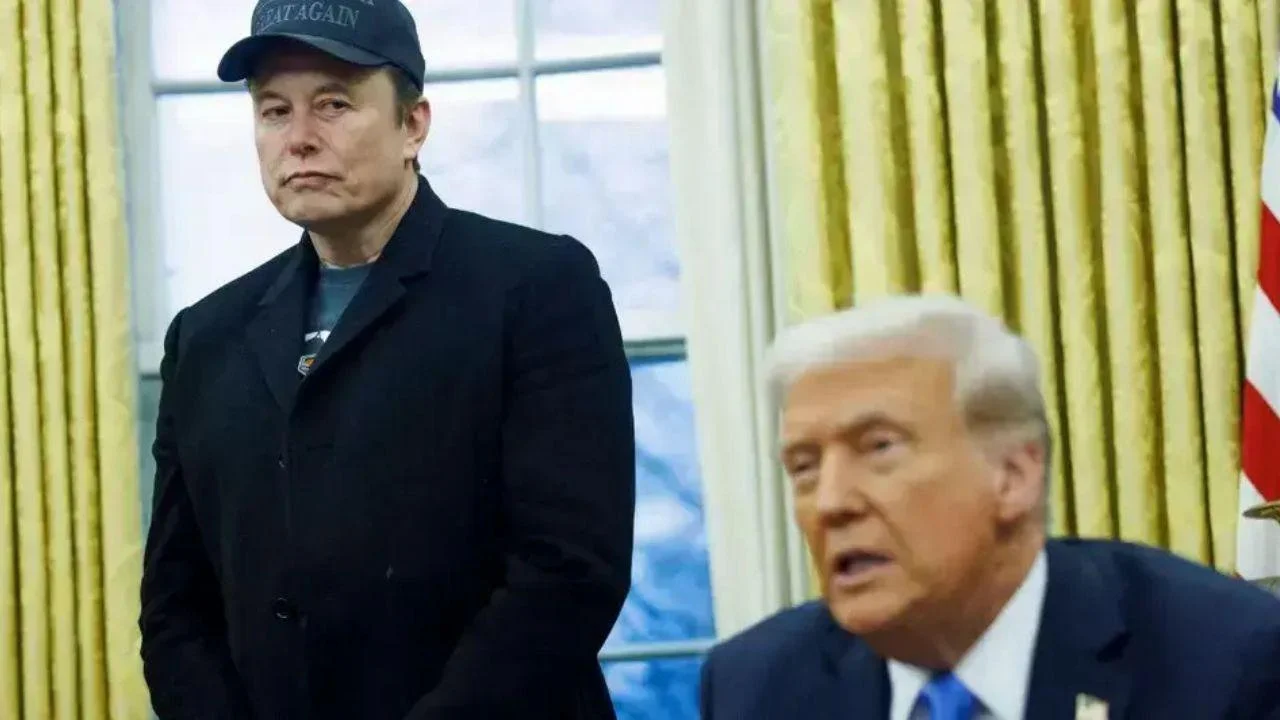
Elon Musk led the Department of Government Efficiency for a brief time last year.
A Policy Dispute Turned Personal
The break played out across X and Truth Social. In June 2025, Musk attacked Trump’s One Big Beautiful Bill legislation, saying it would add to the national debt and calling it a “disgusting abomination.” Trump, the Celebrity Apprentice alum, threatened to cut billions of dollars in federal funding and contracts to Musk’s companies.
Trump described the split this way on social media: “Elon was ‘wearing thin,’ I asked him to leave.” Musk answered with his own claim about the election: “Without me, Trump would have lost the election, Dems would control the House and the Republicans would be 51-49 in the Senate.” He made that response at the time.
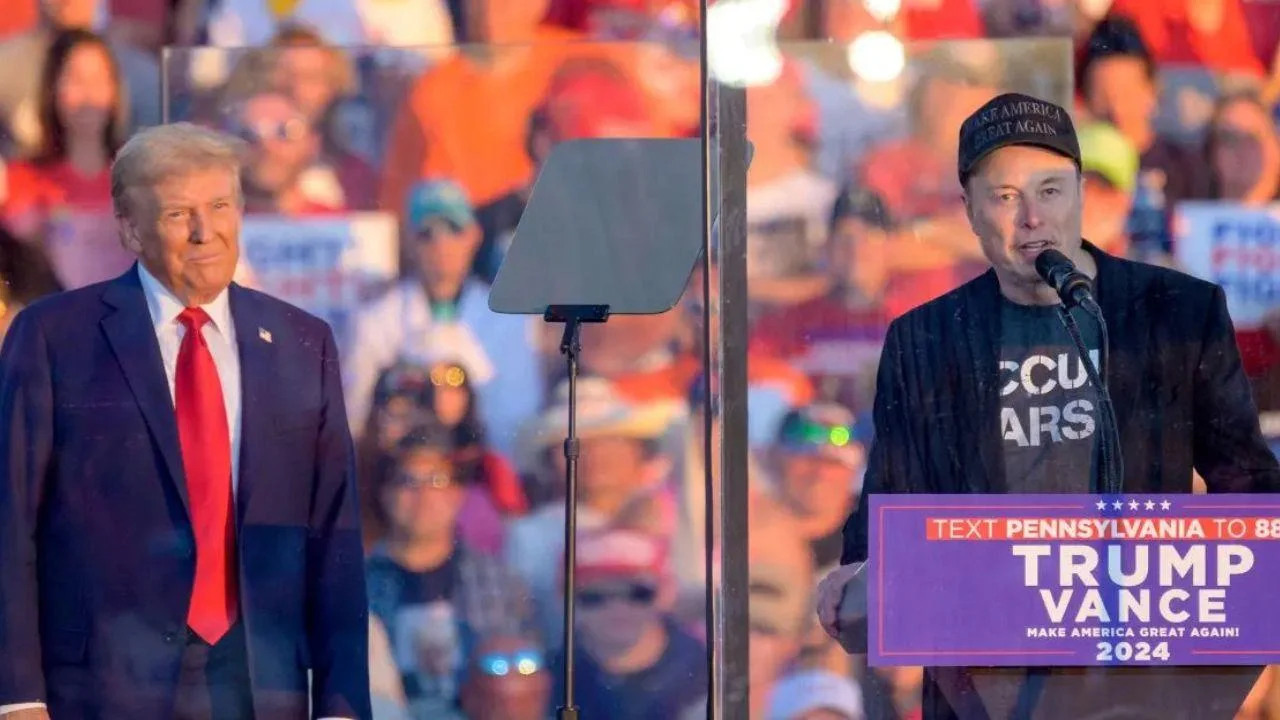
Elon Musk and Donald Trump had a falling out last year.
Here’s the thing: the exchange exposed how quickly a political alliance built around mutual advantage could become a public contest over credit, loyalty, and money. The insults are vivid, but the threat to federal contracts points to the more consequential stakes. The fragment doesn’t establish what followed from that threat; it does show that the feud moved well beyond social media theater.