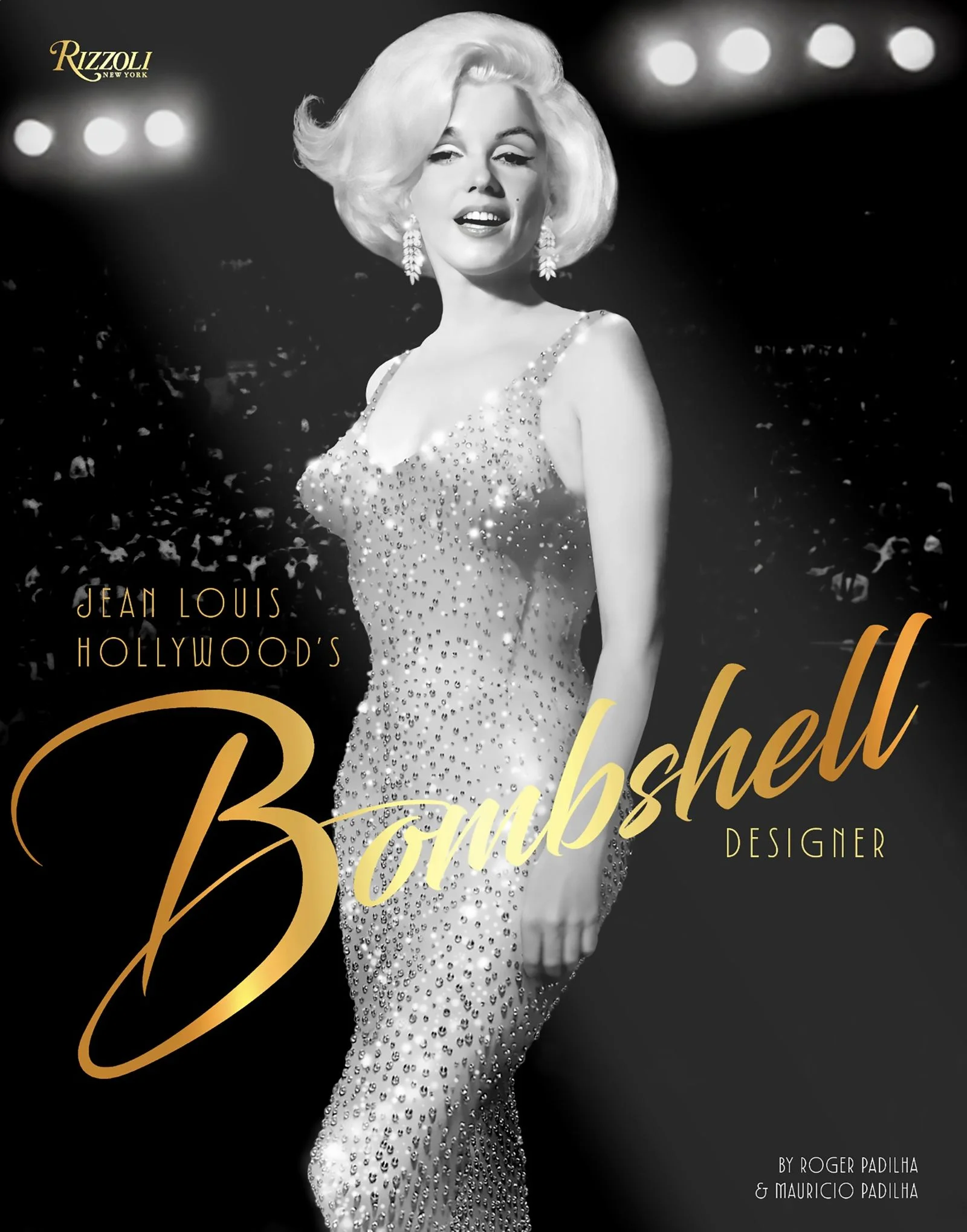
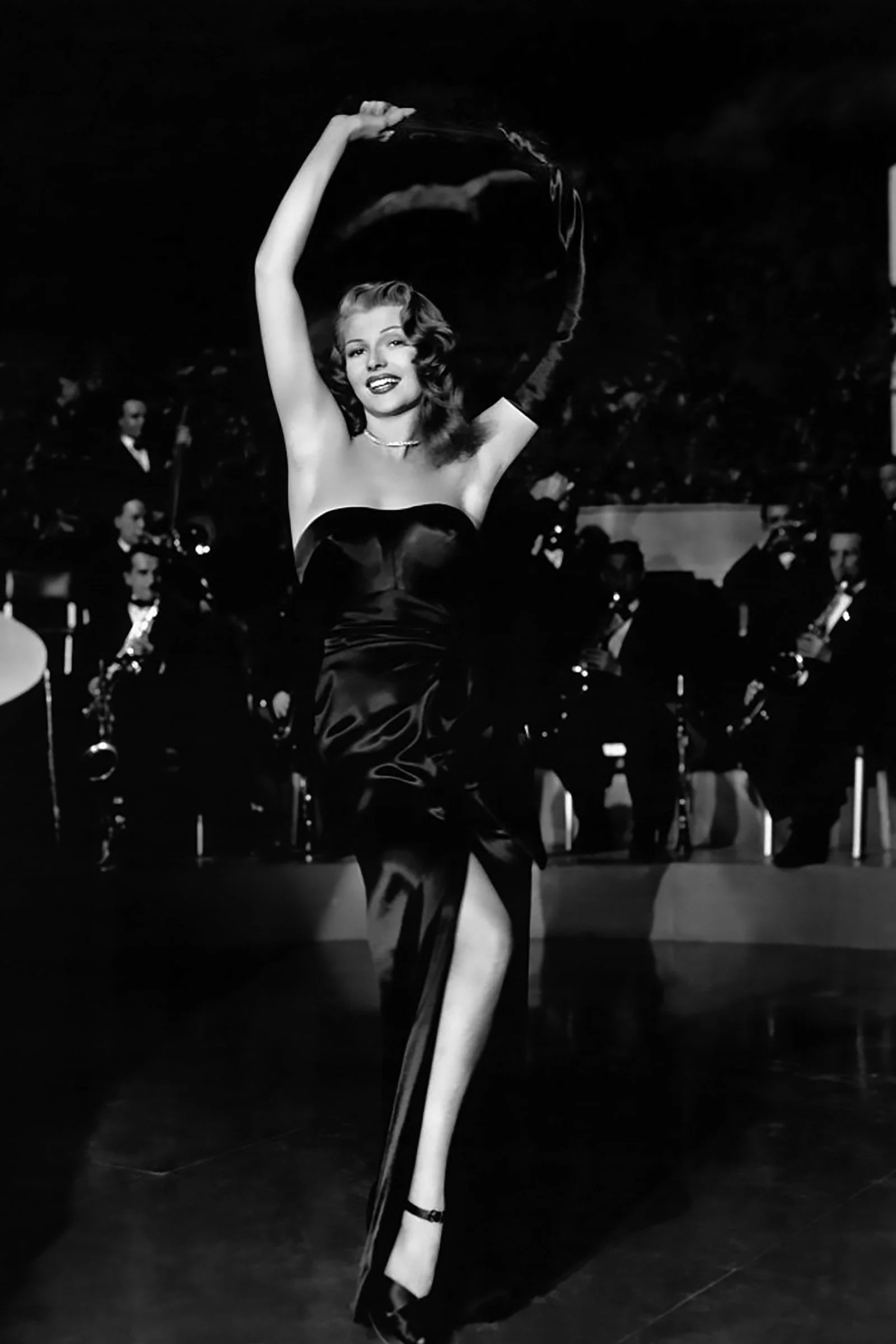
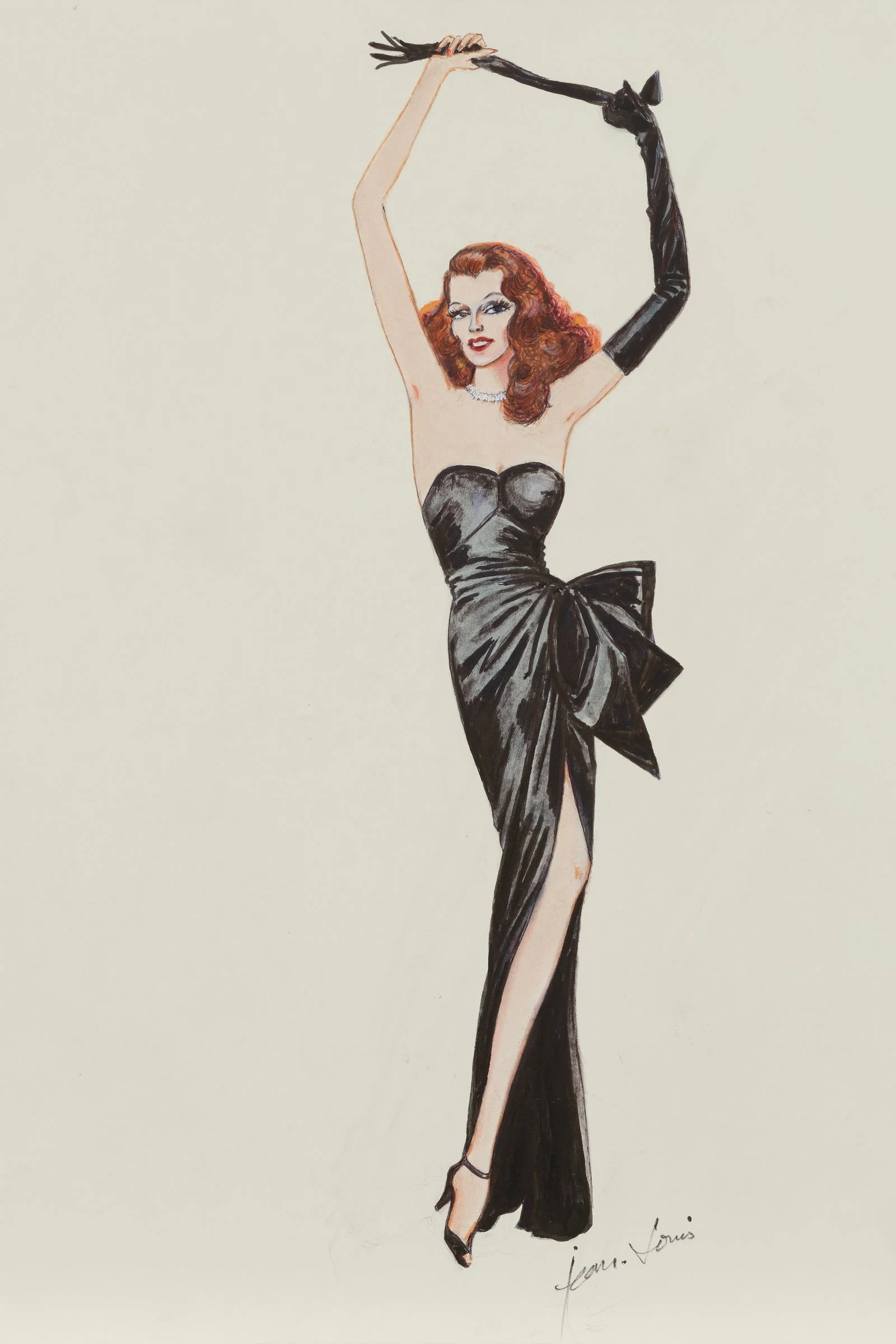
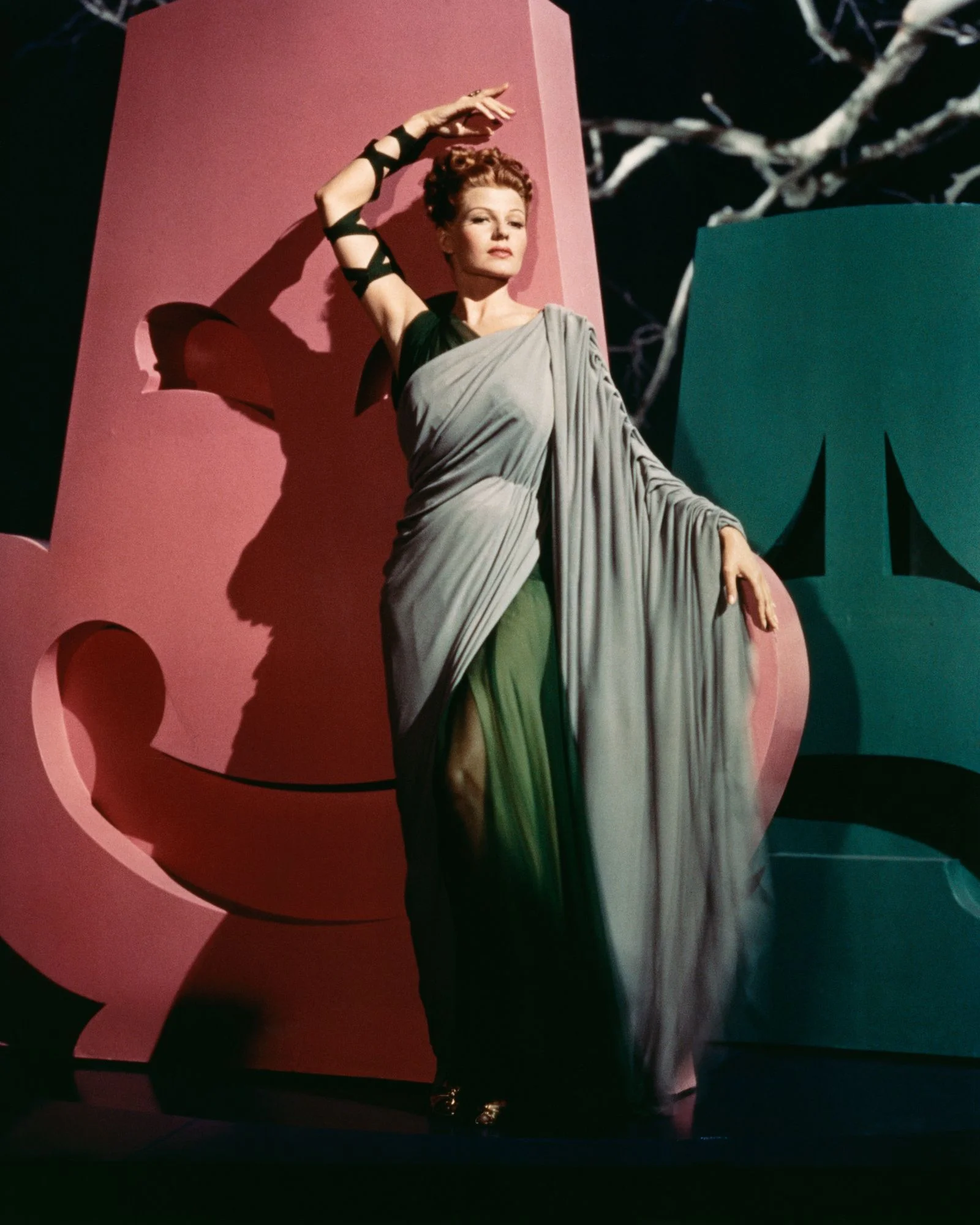
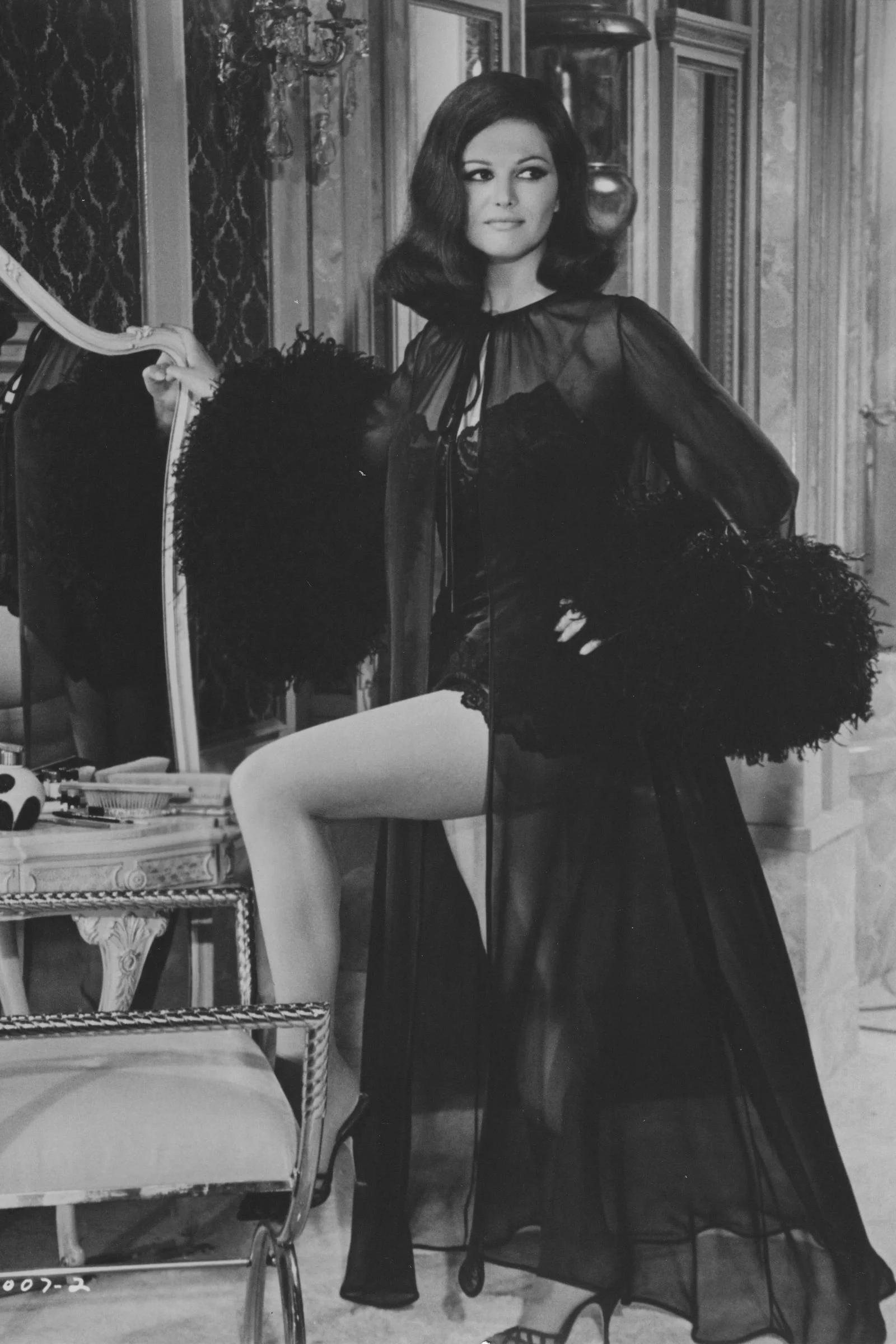
Although he’s responsible for two of the most well-known dresses of Hollywood’s Golden Era—the strapless black satin wonder worn by Rita Hayworth in Gilda, and the bespangled nude-illusion number in which Marilyn Monroe sang birthday greetings to President John F. Kennedy—French-born costume designer Jean Louis is less renowned than contemporaries such as Adrian, Edith Head, and Travis Banton. Jean Louis: Hollywood’s Bombshell Designer (Rizzoli), the sixth book by biographer brothers Roger and Mauricio Padilha, seeks to correct the record. The designer’s legacy, says Mauricio, is capital-G glamour, a high contrast from today, when workaday realism is the onscreen norm. However, things may be changing. The author cites young starlets of today (think Sabrina Carpenter and Anya Taylor-Joy) and their efforts to replicate the sparkle and allure of Old Hollywood style as a sign that there’s a hunger for the more theatrical look that was Louis’s stock in trade.
Louis was married three times, the last time to Loretta Young, who inherited his estate, which was then passed on to her son. His widow gave the Padillas full access to the costume designer’s archives; in addition, the brothers watched all 188 films on which Louis worked. It’s a testament to the designer’s talent that he was able to communicate glamour so clearly even in black-and-white—although Mauricio observed that Louis, who once worked for a couture house in Paris, was a wonderful colorist. Below, the Padilhas paint a pretty picture of the man and his designs.
This interview has been edited and condensed for clarity.
How do you select the subjects of your books?
Mauricio Padilha: We choose people we admire and also artists that we feel may have been forgotten a little bit in time or didn’t get the credit that they were due.
Roger Padilha: We’ve always worked in fashion, and we’ve written books on fashion designers or fashion-related people, but Hollywood really was our gateway. When we were kids, we weren’t so much looking at fashion magazines as we were looking at old movies. I think it was called the four o’clock movie. So, after school, there was a channel on TV that would play these old movies. And I think our true introduction to fashion was through the glamorous world of Hollywood.
MP: When Roger and I were kids, we would watch Marilyn Monroe specials on TV because in the ’80s and ’90s, they had them on all the time. And they always had her walking in and singing “Happy Birthday,” and we were just mesmerized by that less-than-one-minute performance. It was so sparkly and sugary—I think it made us gay, but I’m not sure 100%.
After we did our last book, New York After Dark, we were trying to figure out what we wanted to do. And Roger and I wanted to get back into doing books on designers, which is what got us started on the Steven Sprouse book.
Why is it that we know the names Adrian, Edith Head, and Travis Banton, but not Jean Louis?
RP: There are a couple of different reasons. I think one of the main reasons is that Columbia was not as big of a studio as MGM or RKO. It was seen as a B-movie picture [house] for the first couple of decades that it was around, so it didn’t have the press agents that the other movie studios put behind Adrian or Edith Head.
The other part of it is that Jean Louis was highly insecure. He was only five two. Even though he lived here since 1938 or something, he never mastered the English language. And in a weird way, it gave him this sort of great mystique. But yeah, it didn’t help his legacy.
Even when he won his [1957] Oscar [for The Solid Gold Cadillac]—it’s really funny, you can see it online—Elizabeth Taylor announces his name; he walks down the aisle; he grabs the Oscar and walks off, doesn’t give a speech. Elizabeth Taylor’s like, “What do I do now?”
What do you know about Jean Louis before he came to New York?
RP: Jean Louis’s family was not in fashion at all; his father actually supplied ships. But they lived literally blocks away from the Place Vandôme, so as a child he was in the neighborhood where high fashion was literally born, and that sort of influenced him. As a child, he was obsessed with millinery and would sketch hats all the time. And he did go to fashion school. And then he started working for the house of Drecoll.
MP: [Which was] next door to Schiaparelli.
RP: It’s not a well-known couture house now, but it was huge then. That’s where [he] perfected his couture craft. While he was there, he got hit by a taxi—he got, I think it was, like, 2,000 francs. So that’s how he came to New York.
MP: He was saving his money to go to Greece and just have a good time, [but] then his friends were coming to New York, and they convinced him to come to New York. He came on the Queen Mary.
Did he serve in the military?
RP: He was in the army for a year.
MP: He served in the French Army before 1936, before he came here.
RP: I could not figure out why he wasn’t part of World War II.
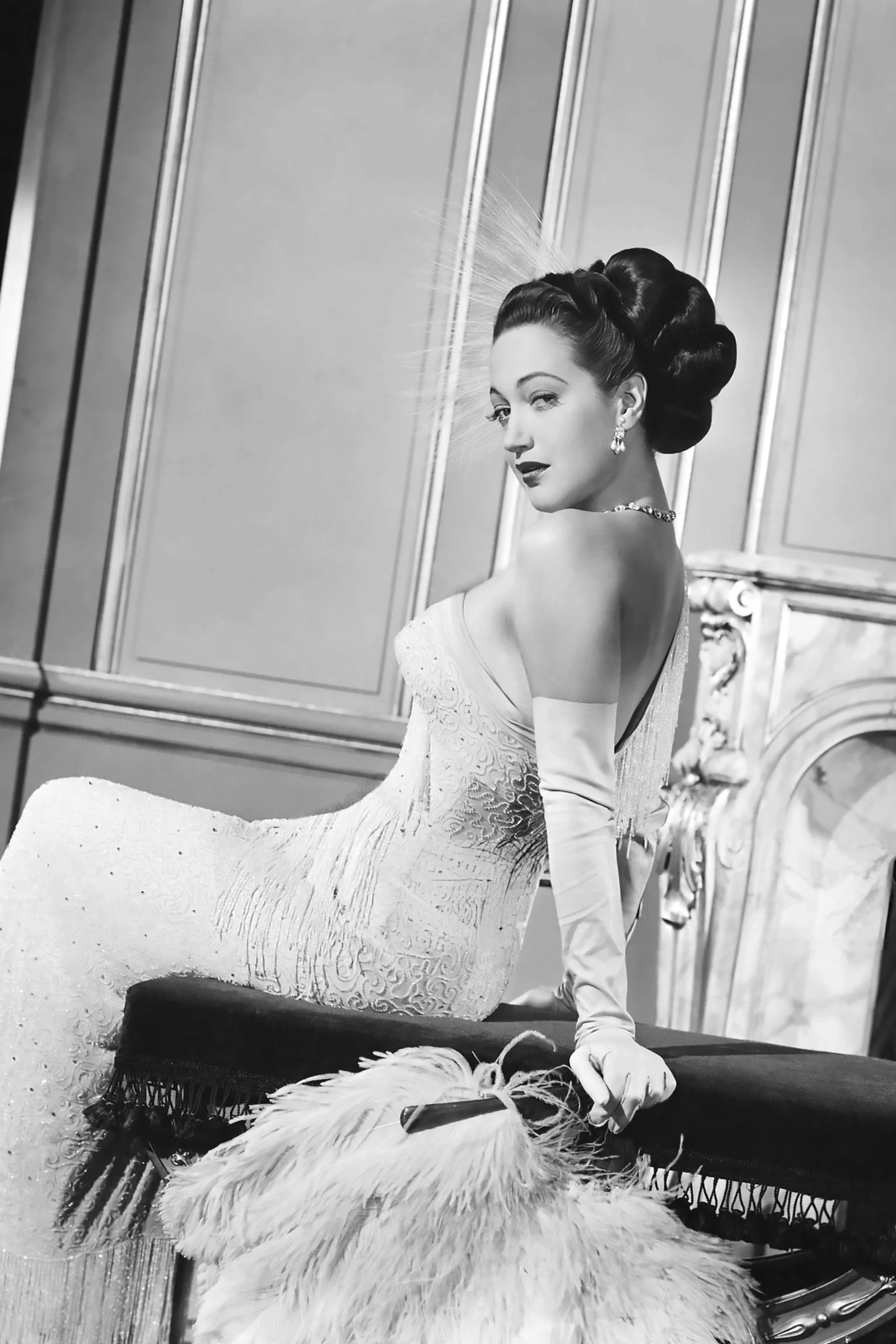
When I worked at the Museum at FIT, we did an exhibition on Hattie Carnegie [a famous, fancy dressmaking establishment in New York where many designers got their start], so it stood out to me that Jean Louis worked there.
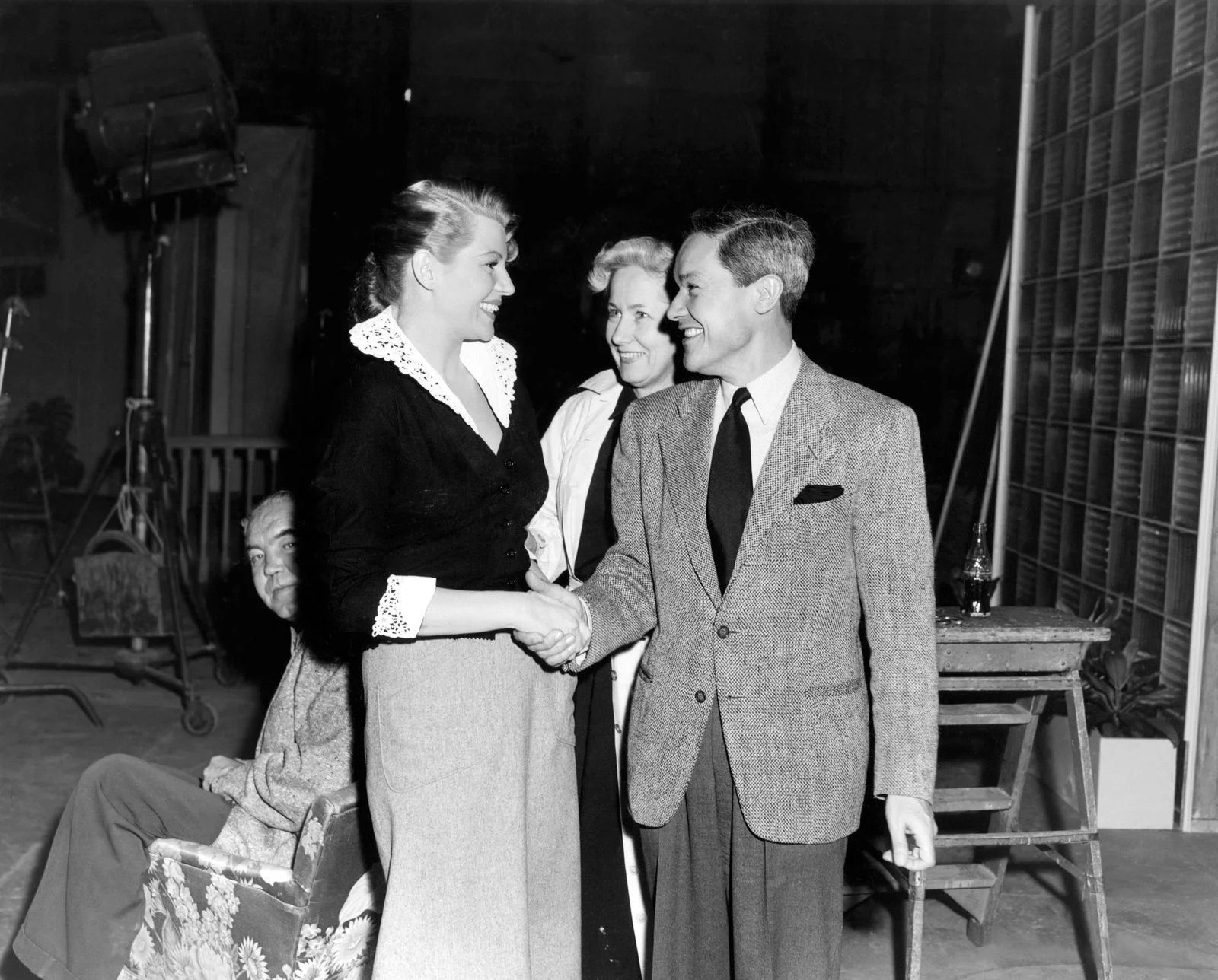
RP: Hattie Carnegie originally didn’t want to hire Jean Louis. She just happened to have his sketches on her desk, and when Irene Dunn walked in to order dresses, she saw the sketches and she was like, “Oh, I want these.” So that’s how he got the job.
MP: He worked there with Pauline Trigère, Norman Norell, James Galanos. He was friends with James for his entire life.
RP: Jean Louis actually funded James Galanos’s first collection.
What else did you uncover?
RP: Through public records,I was able to piece together a good history of his early years. Even back in the ’30s, if you traveled by ship, your name would be in the newspaper. So I was able to look him up and see all the trips he was taking and compare the mastheads, which is how I am convinced that he had a long-term boyfriend because the same man was on the same ships as him. And then that person eventually started working in movies as well.
So it was piecing stuff together, but during his retirement, Jean Louis was encouraged by his wife, Maggie [Fisher Louis], to start writing a book. So we got the original proposals for that book. I guess they never went ahead, but there were sample chapters, and there was a lot about his childhood in there as well.
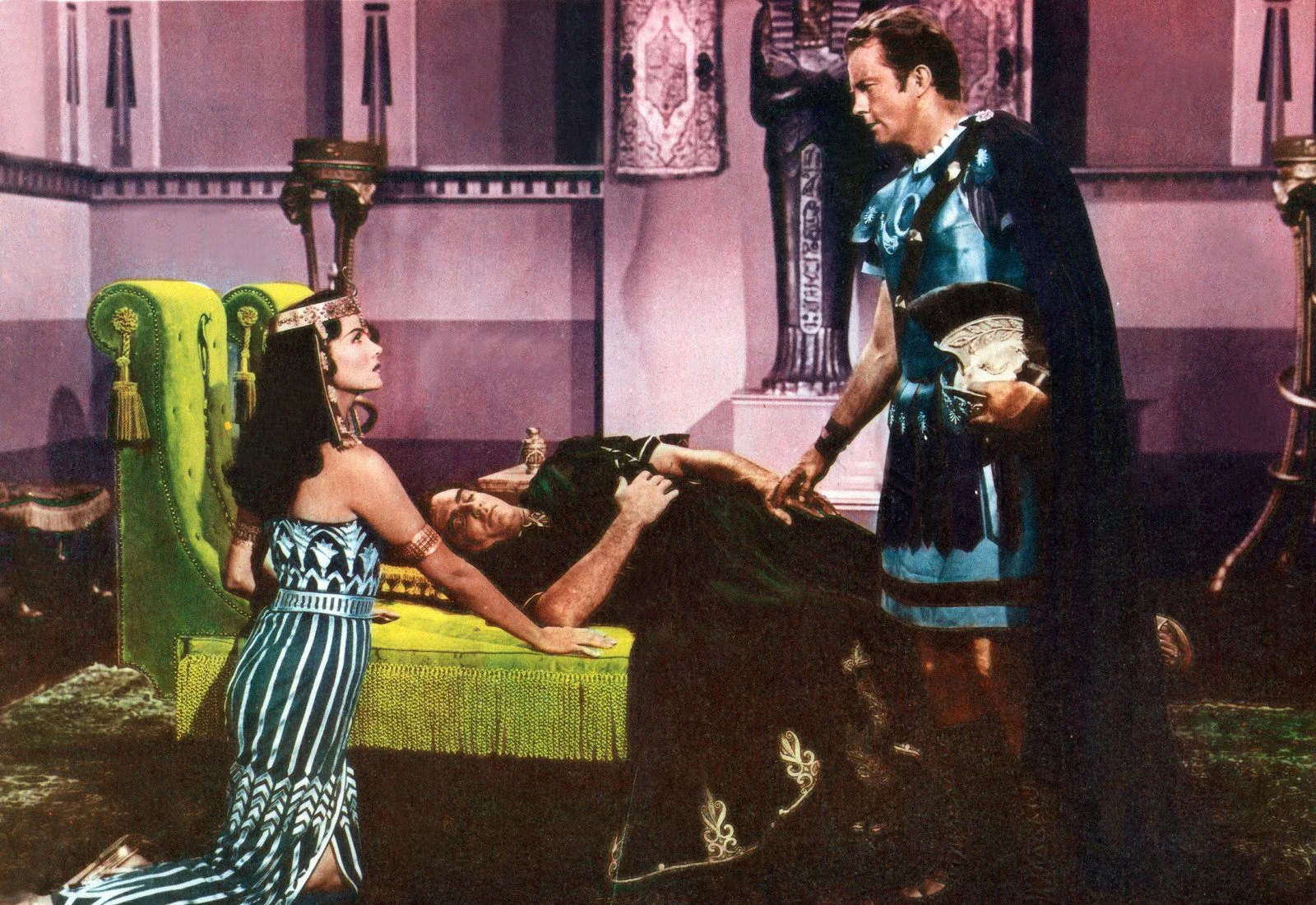
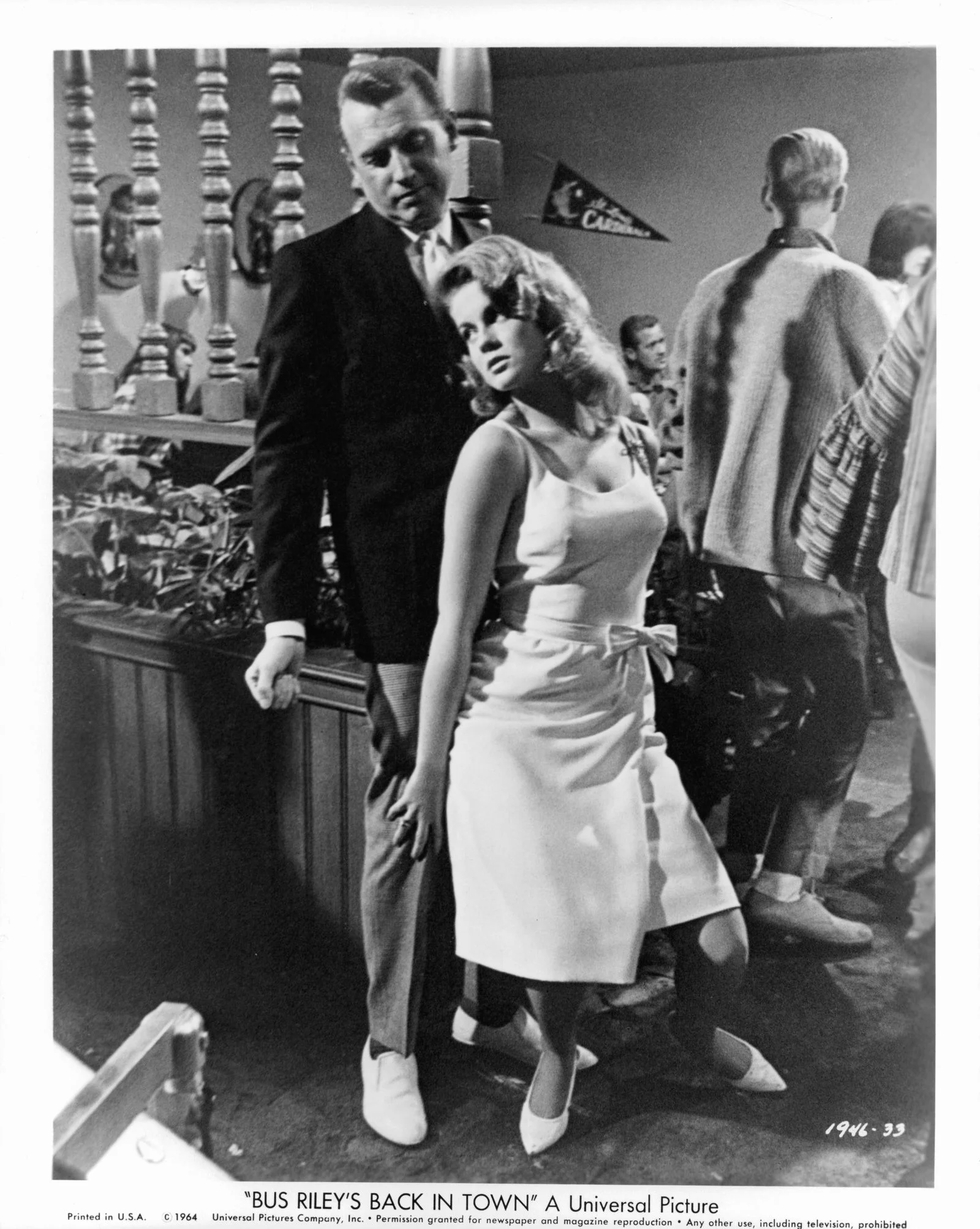
MP: She would interview him, thank God, for Margaret. And then we also found an AFI [American Film Institute] interview that was 120 pages. It was a really intense interview that they did with Jean Louis right before he passed away.… That really helped us with some things that we didn’t know about. We didn’t know that he had done all the costumes for Sandra Dee for Gidget but he wasn’t credited.
Who was Margaret?
MP: She was a journalist [who had been] a fit model at Hattie Carnegie; that’s how they met. Jean Louis had married another woman first [who] died within seven months of their marriage. She was 20 to 30 years older than Jean Louis, so we’re not a hundred percent sure why they got married. Less than a year after she passed, he married Margaret. Margaret’s father was a dignitary, and she was a model and a painter [who] eventually became a journalist in Hollywood.
Roger, tell her about the Lavender Scare.
RP: The Lavender Scare was sort of like the McCarthy hearings, where the FBI was really cracking down on people who were rumored to be gay and causing all sorts of trouble for them.
Well, of course we don’t know, but what we’ve surmised from all of our research is that these were sort of marriages of convenience, and they were marriages with professional friends of Jean Louis. I believe he was a gay man working in a very, very tough environment and a tough era to be gay. He was never an out gay man; and while we don’t know, to me, it’s fairly obvious.
MP: Basically, he could have lost his career. So I think he made an agreement with these women. He did love Margaret, because he even asked to be buried with her. They were best friends; they were soulmates; he loved her; but I think it was a way to secure that his career wouldn’t be ruined during those times by something silly but very serious.
During the Depression and the war years, movies were an important form of escapism. There were also fewer channels for entertainment.
RP: I think escapism is one thing; there’s also a matter of practicality. The majority of women in the 1940s and ’50s were making their own clothing; they knew how to sew. [Many of] the fashions that were seen in Paris on Christian Dior’s runways were actually sent back to America in pattern form. We don’t all have the talent knowing how to sew our own clothing. I know if I did, I wouldn’t just be wearing tank tops, I’d be wearing something cooler I hope.
MP: While I was going through the archives, there were boxes and boxes of forecasting illustrations from Europe from the 1940s and the late ’30s; they would do strips of little illustrations going across the top and bottom. What I found interesting was that Jean Louis was giving the American public a little sense of what was happening in European fashion as well. He definitely kept abreast of everything that was happening in Europe, and I think that comes from his background, from working in the couture.
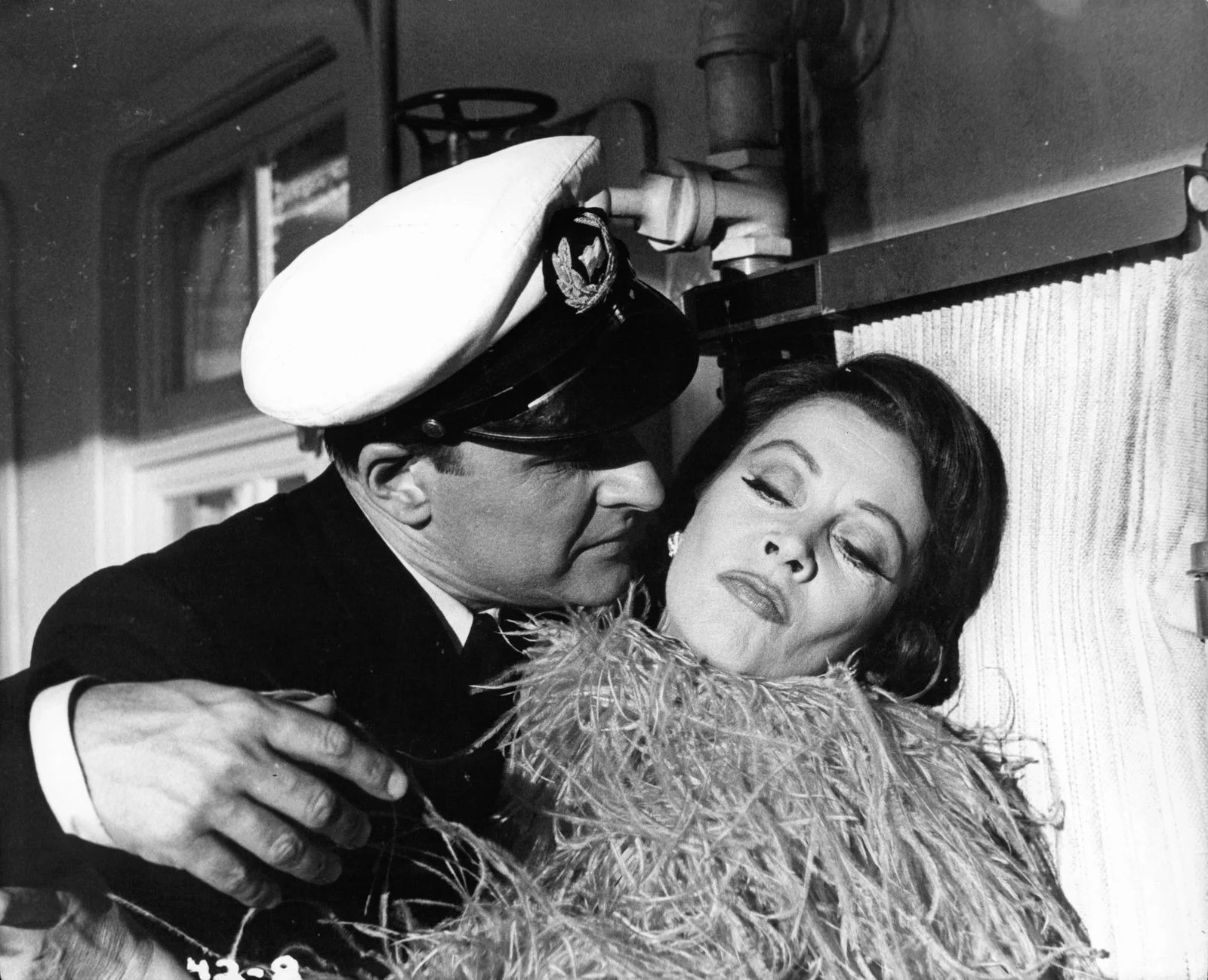
Flipping through your book, it occurred to me that not only was Jean Louis creating glamour, but he was creating glamour largely in black-and-white? Can you speak to that aspect of his work?
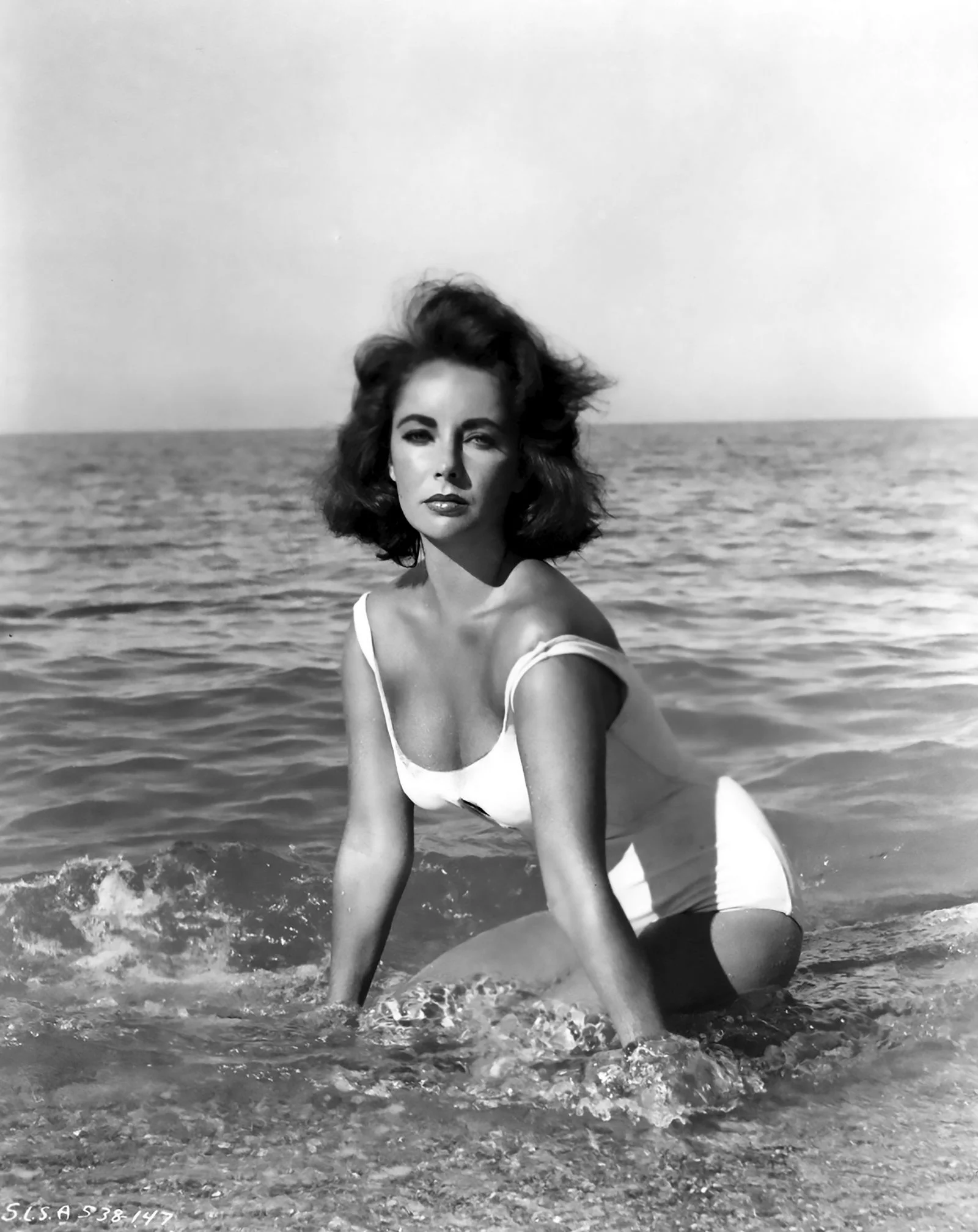
MP: I have to tell you that it would frustrate me that there were all these amazing Technicolor movies, and there were no photographs that were in color. For Pillow Talk with Doris Day, every scene is a different color, and [the costumes] complement the set. [For] a mustard yellow set she’s wearing green; or it’s gray, and she’s in red with leopard print. Everything Jean Louis did made the actresses pop. A lot of stuff in our book is black-and-white where it could have been color, but back then, newspapers, magazines, and the studios were cheap.
RP: Looking at all his movies, he was actually an excellent colorist, and you can see that when you do find rare photos of his clothing in color or in his color movies later on. By 1955, TV was dominating, and movies had to take on bigger landscapes and crazier plots. That’s when the Hays Code was tamped down, because the movies were competing with television.
Do you see a shift in culture, away from Hollywood and toward musicians and athletes?
RP: Funny enough, I think that was Steven Sprouse’s doing. He was the first fashion designer who was really looking toward music; and then Versace, on a bigger scale, continued it. I think what we’re seeing now is sort of a full realization of his vision. Even in [Sprouse’s] personal artwork when he would do a painting of Iggy Pop crucified, he was basically saying that rock and roll is the new religion. And I think that he was definitely prescient about that.
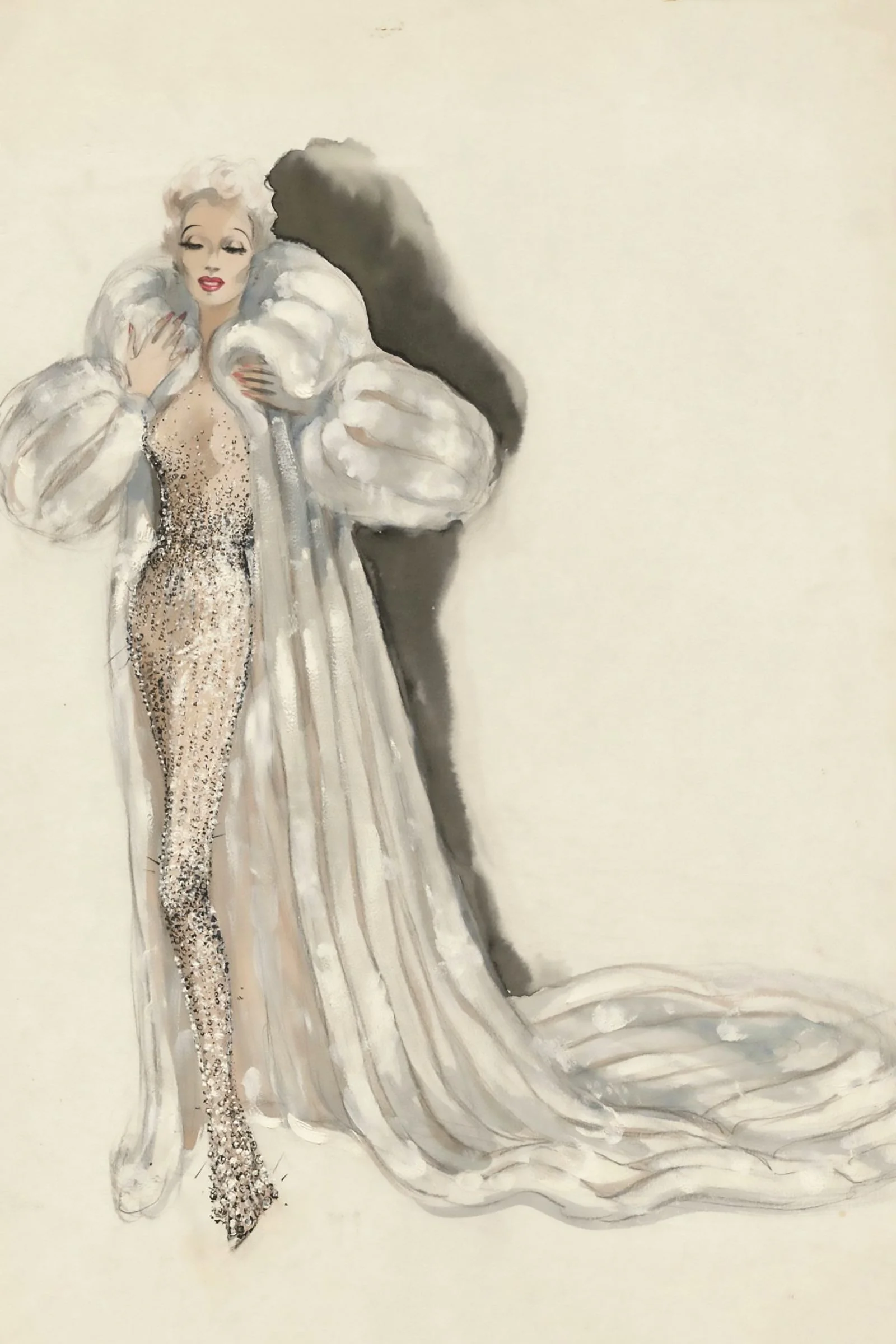
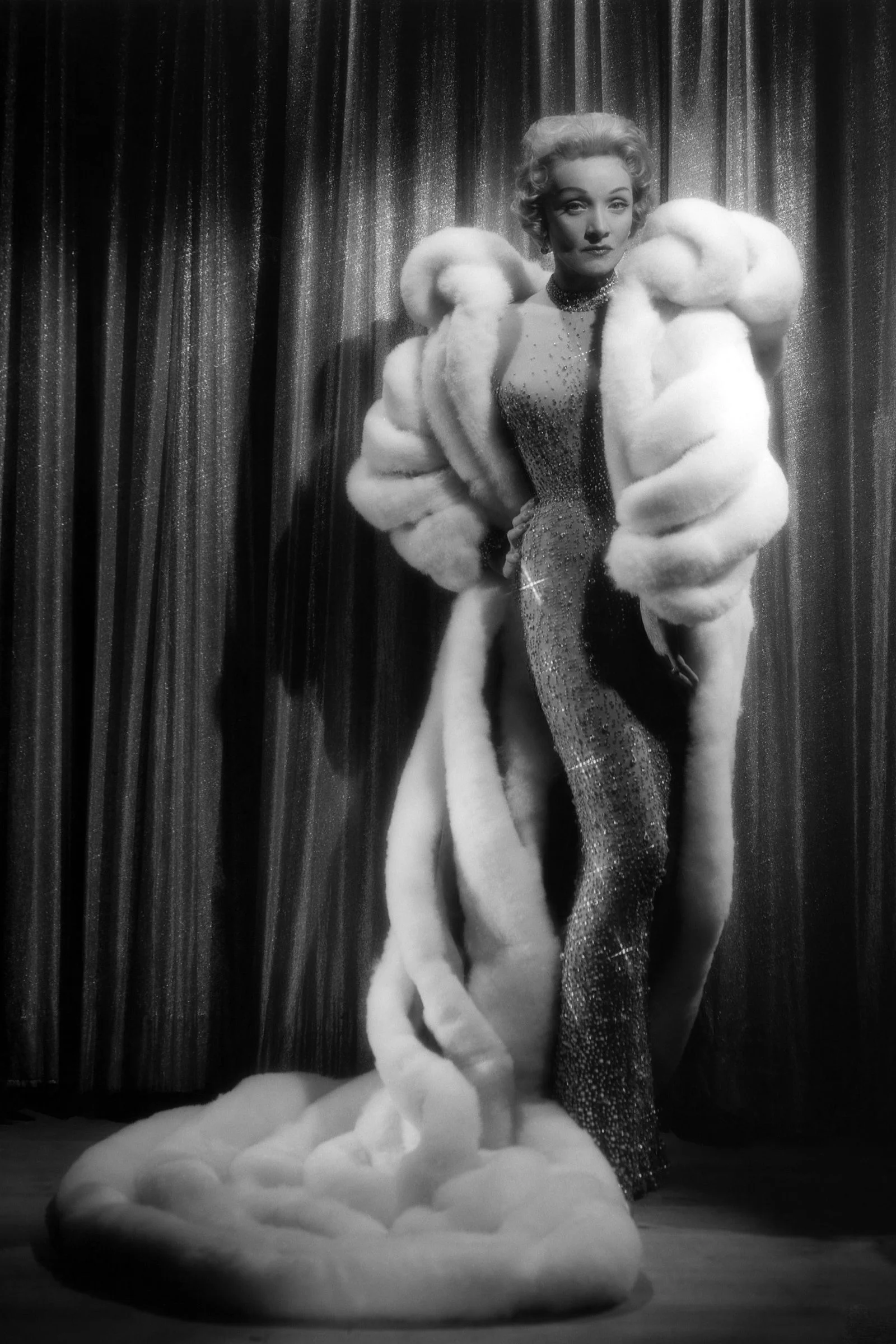
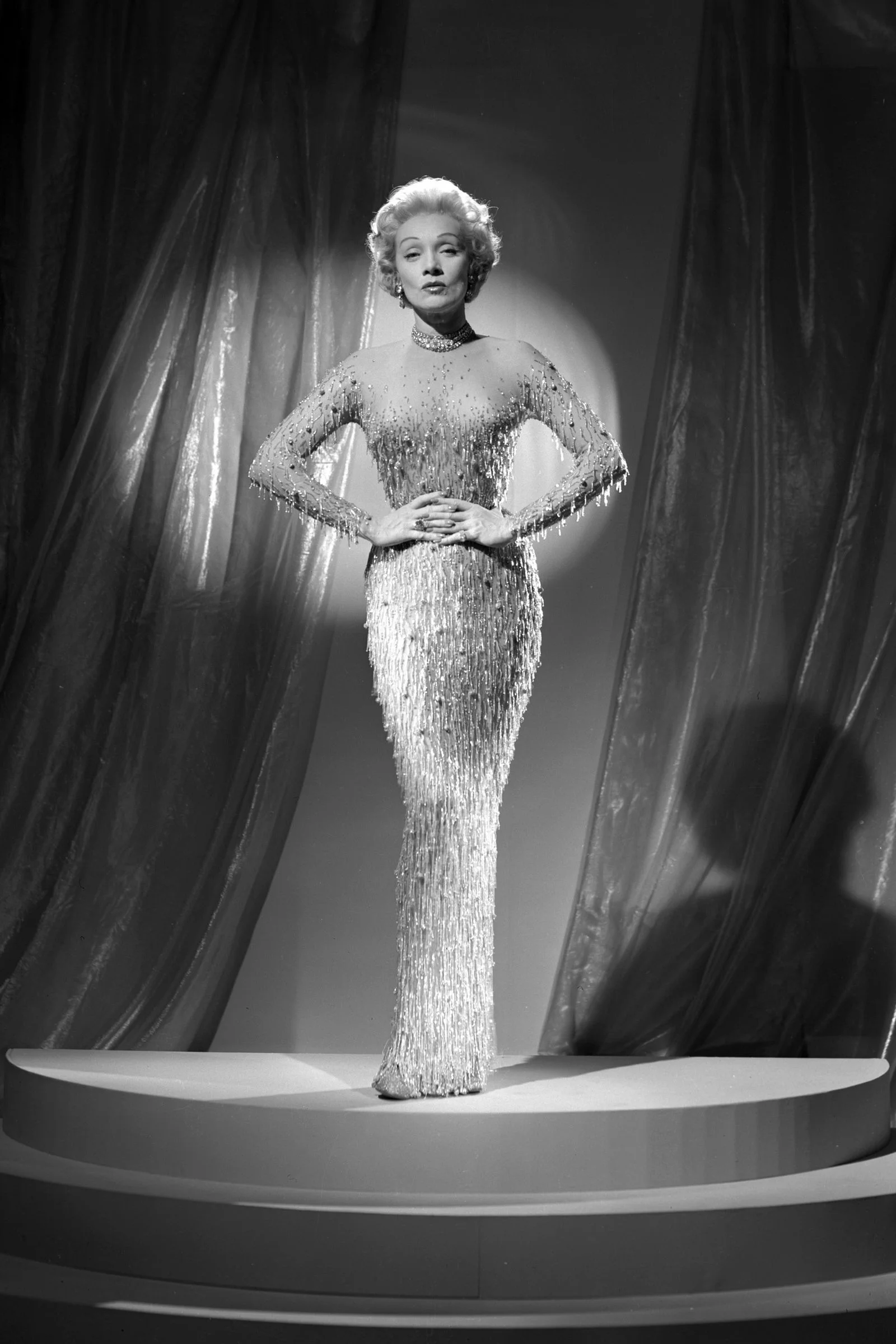
With the counterculture revolution, I think people definitely started gravitating more toward pop stars. The clothing of rock-and-roll performers and pop stars was a little more accessible than what was happening in Hollywood. You could literally rip up some jeans and get some cheap tattoos, and you could look just like your favorite rock star, but it’s a lot harder to pull off Marlene Dietrich as a Russian princess wearing miles of mink.
MP: You see clothing in the movies that you see on everyday people on the street now. Movies aren’t the escapism that they used to be. In the ’40s, ’50s, and ’60s you’d see feathers and jewels and glamour, the Grand Hotel, and all these places that you didn’t see every day. And now when you go to a movie, it’s pretty much like they’re trying to be as realistic as possible. People are wearing T-shirts and jeans, and they don’t really get dressed up and do a crazy musical number. So I think times have changed, and the influence of the movie has changed as well.
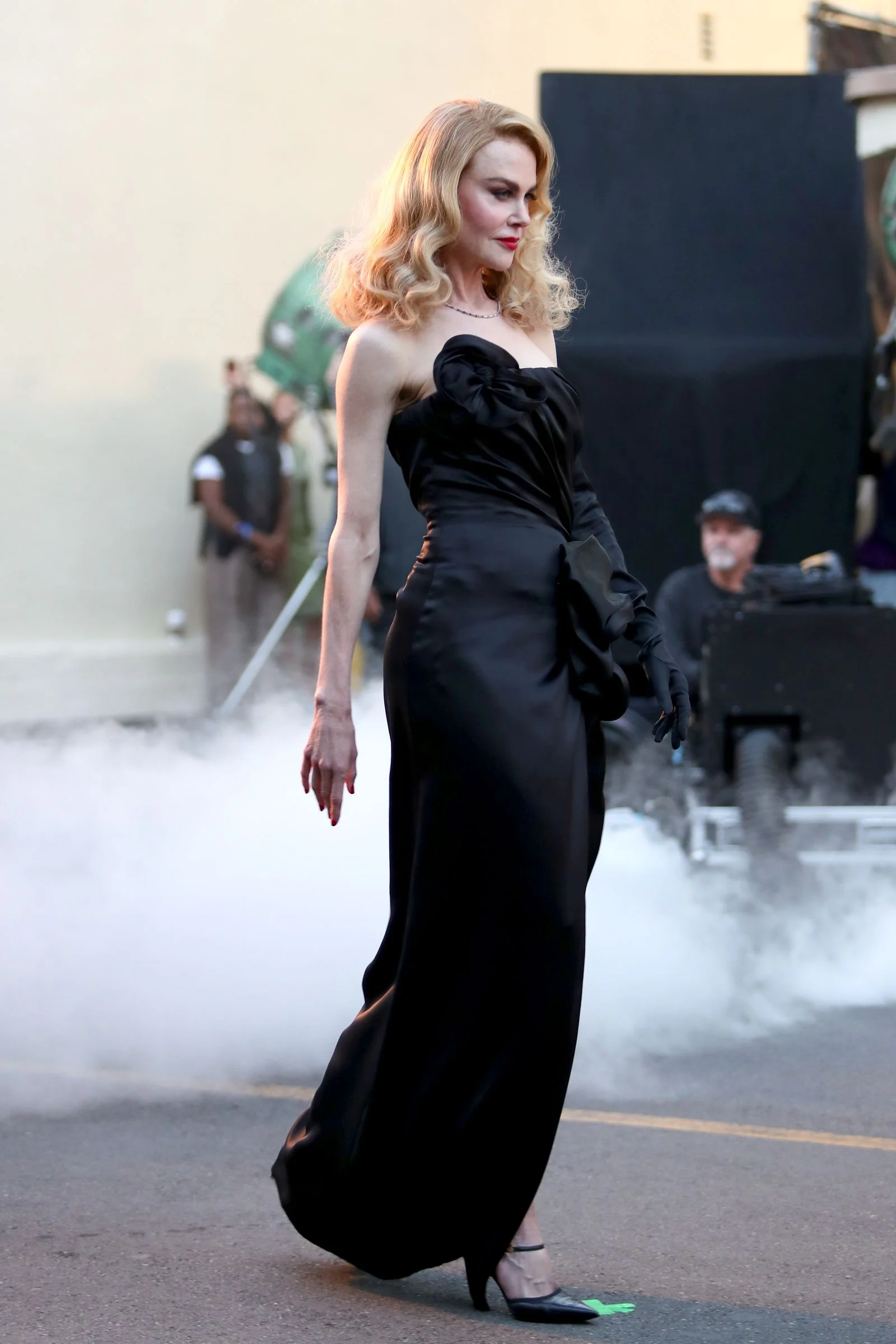
That’s why I think it’s so important [to call attention to] Jean Louis. I got so excited when you guys did Vogue World Hollywood and Nicole Kidman came out in the Chanel copy of Jean Louis’s Gilda dress—it showed that it started there, and then you guys went to Doja Cat dressed as Tina Turner, so it showed the whole gamut of where it started and where we’re at.
What kind of lessons might be in your research that can help us better understand how we exist in fashion or in the world today?
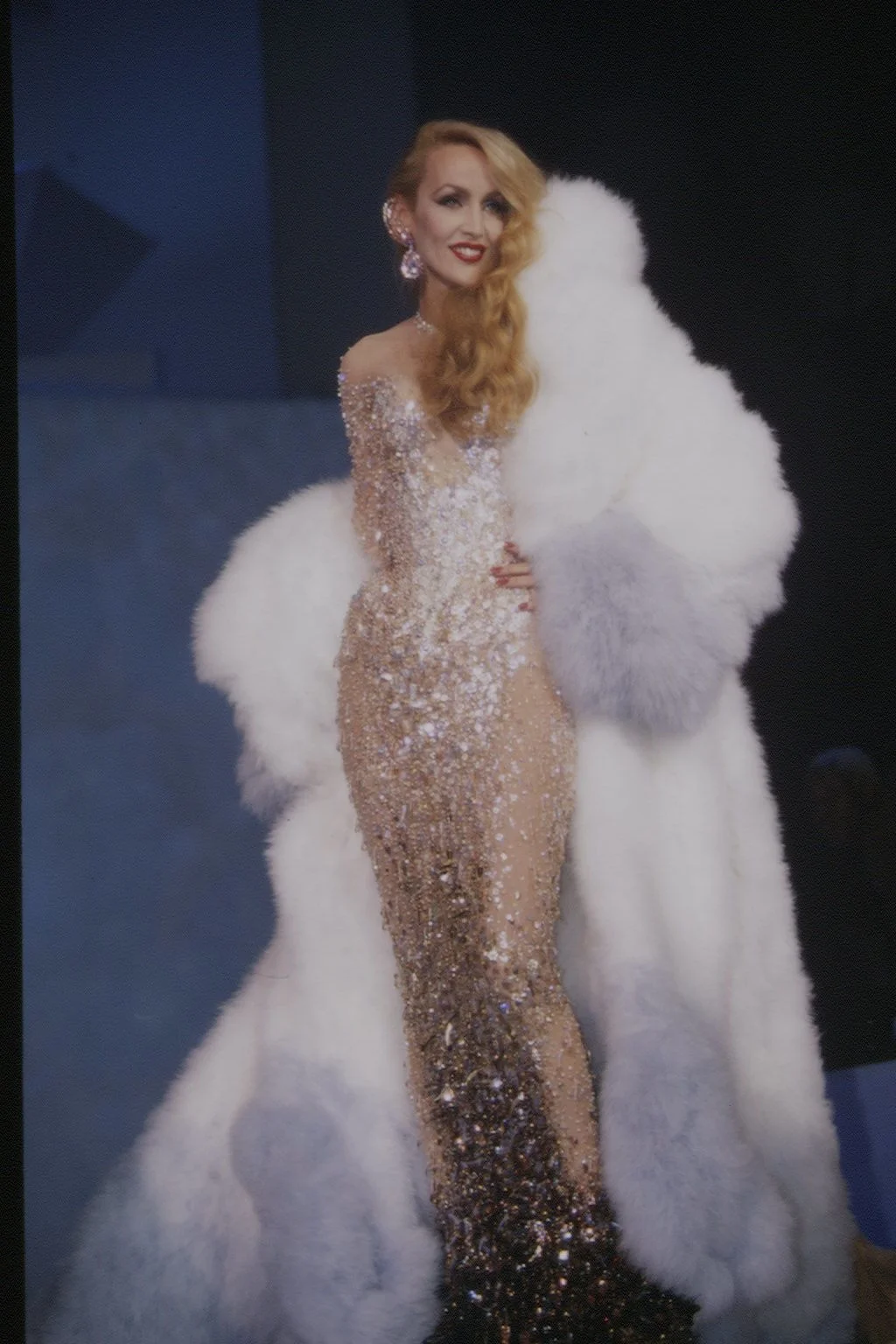
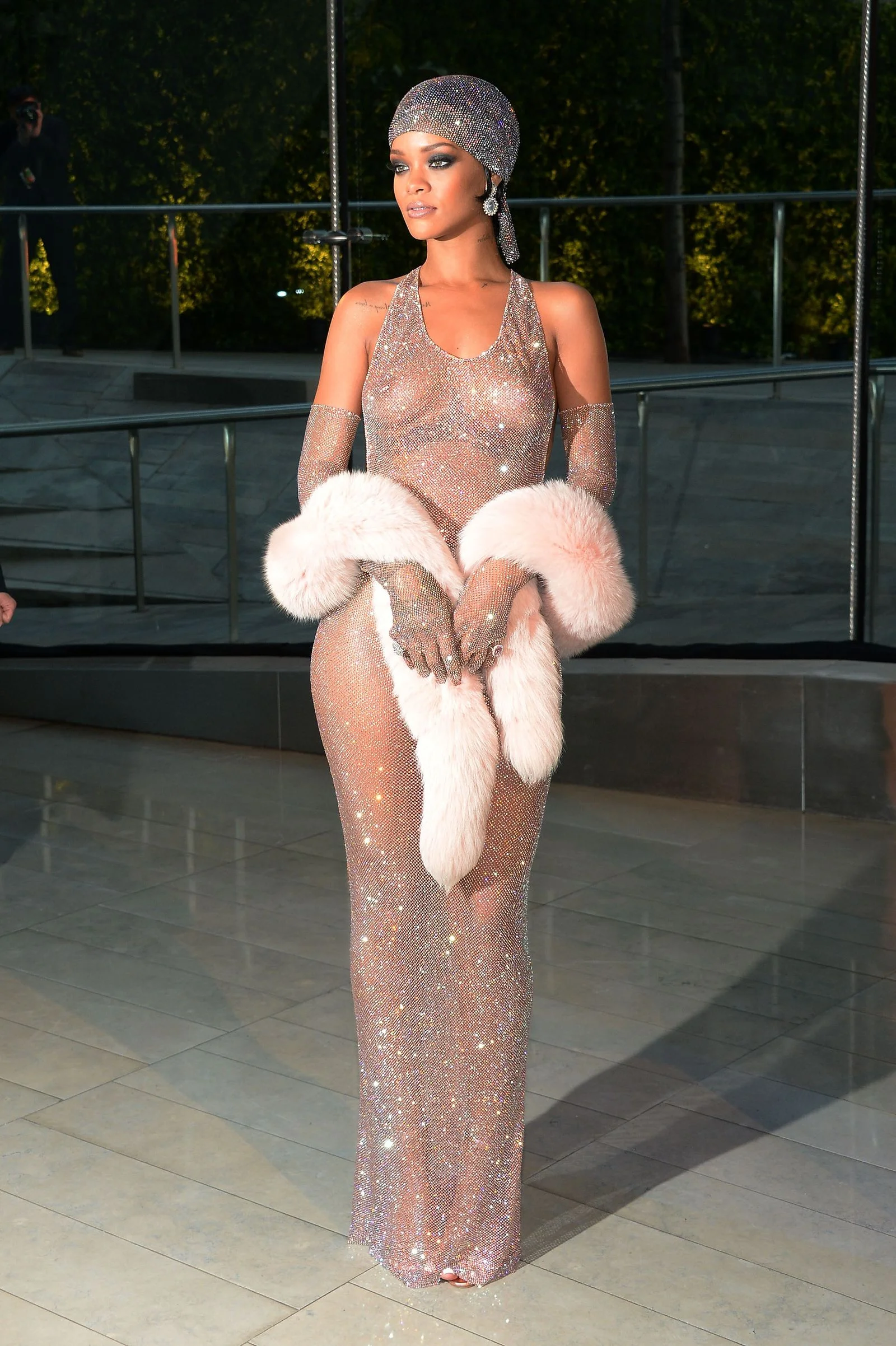
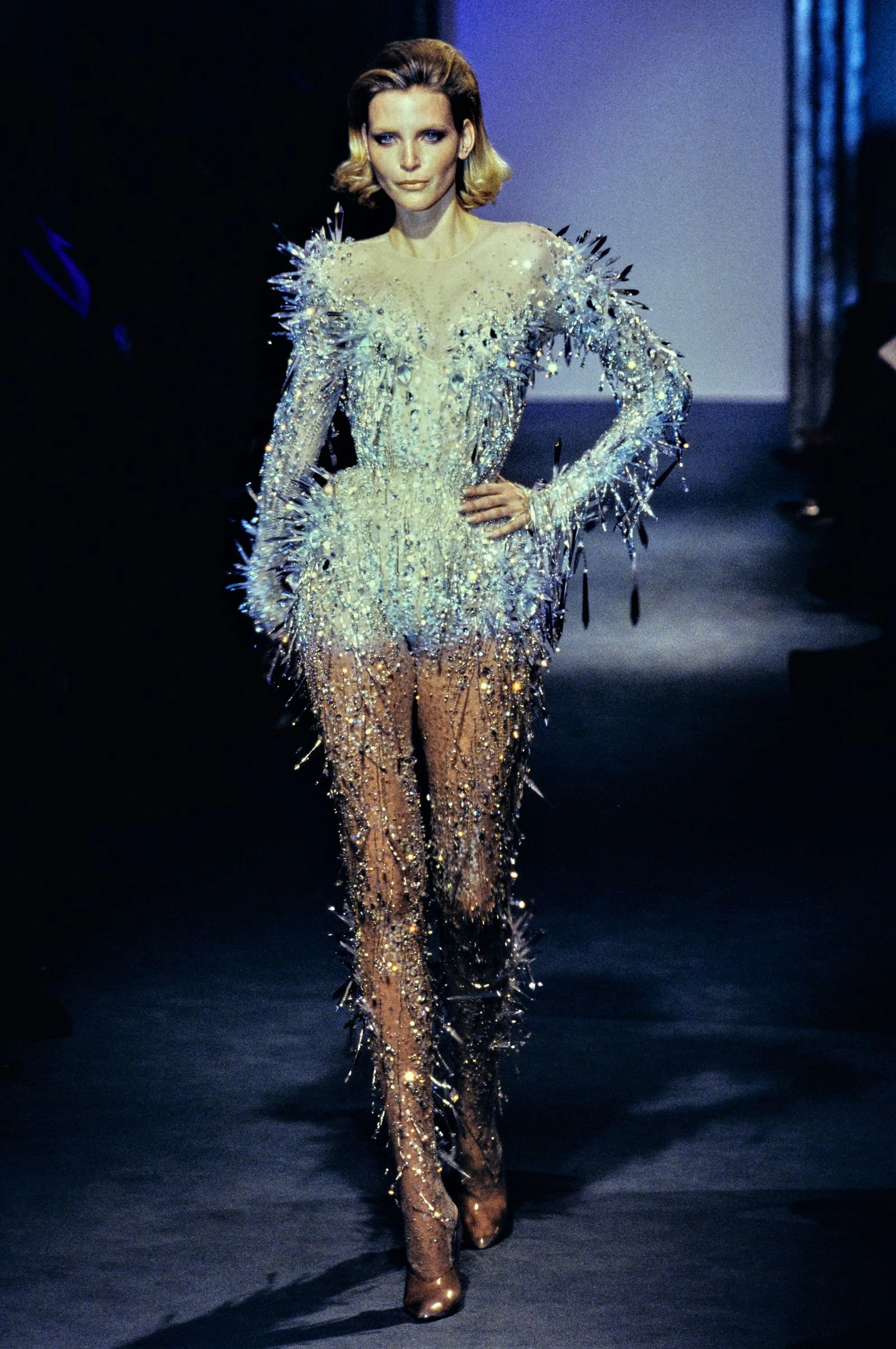
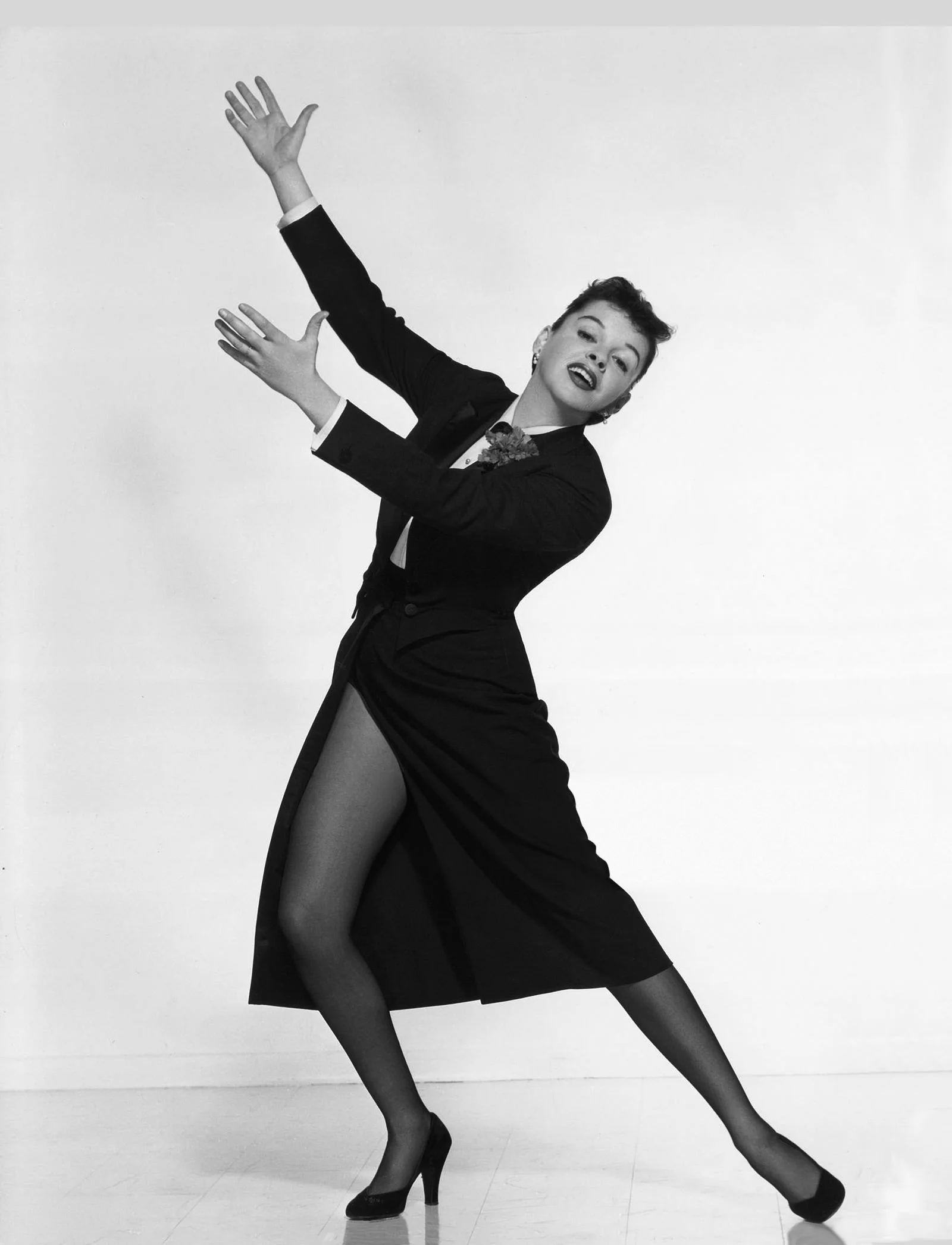
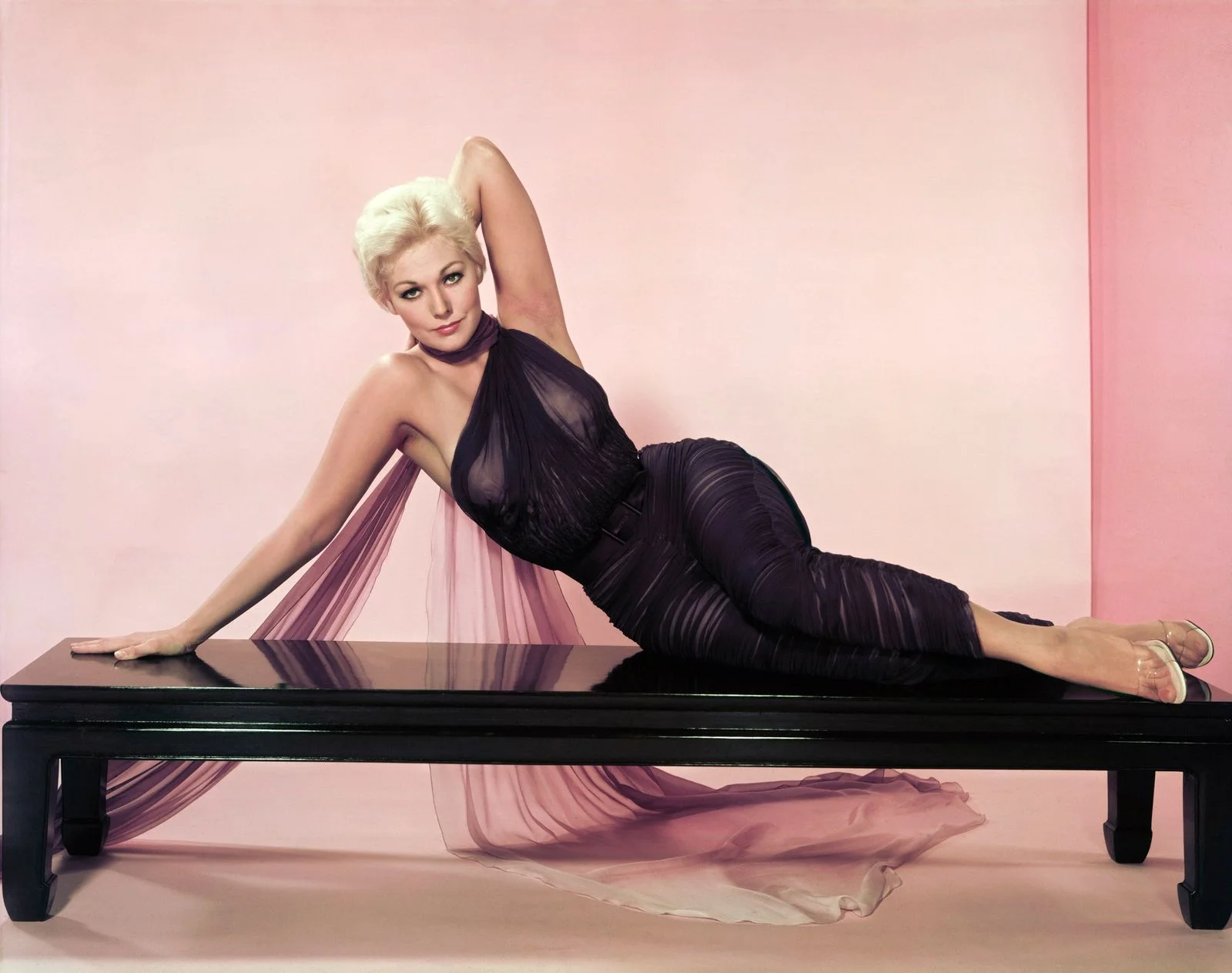
MP: With Jean Louis, I think that his legacy is glamour. It’s over-the-top glamour, but done in a very understated, modern way. That Gilda dress could be worn by anyone today to a black-tie event and look amazing; it’s timeless. The Marilyn Monroe [“Happy Birthday”] dress has been copied a thousand times. Last year, Selena Gomez wore a Ralph Lauren version of it to the Oscars, then [she] went to Taylor Swift’s wedding wearing another version of it, I believe by Oscar de la Renta—so a young generation is kind of obsessed with some of the things that he did. I think they want to take from that Old Hollywood glamour and bring it back.
I see actresses that on TV shows and in movies wear T-shirts and jeans, but then when they go on the red carpet, they bring themselves out in full glamour from the Old Hollywood days, and that’s pretty much the only place that they’re allowed to do that nowadays, so I think there is an importance to it. I think people want to have that, but modern life hasn’t adjusted to that as well. I think that’s one of Jean Louis’s legacies: He was one of the designers that did gowns like that, that are still being copied today.
RP: I think back to your question about what this holds for the future of fashion: I think history is cyclical. It’s only very recently that designers, stylists, and hair and makeup people are finally being credited for the work they did behind these angelic star images that people are obsessed with. Thirty years ago, we didn’t know or care who designed Marilyn Monroe’s clothing, hair, or makeup—it was just Marilyn. I think getting to know who these artists were, what their motivations were, to look at their body of work is really important for understanding our visual history in this world, especially when you consider that two of Jean Louis’s dresses are arguably the most famous dresses in pop-culture history—the Gilda dress and the Marilyn ‘Happy Birthday’ dress. Even though I think Adrian, Edith Head, and Orry-Kelly were all geniuses, [but if you were to] ask someone on the street, ‘Do you know what these two dresses are?’ I imagine most people over the age of 25 know the Marilyn Monroe dress and the Gilda dress, and that’s Jean Louis.
How did you organize the book?
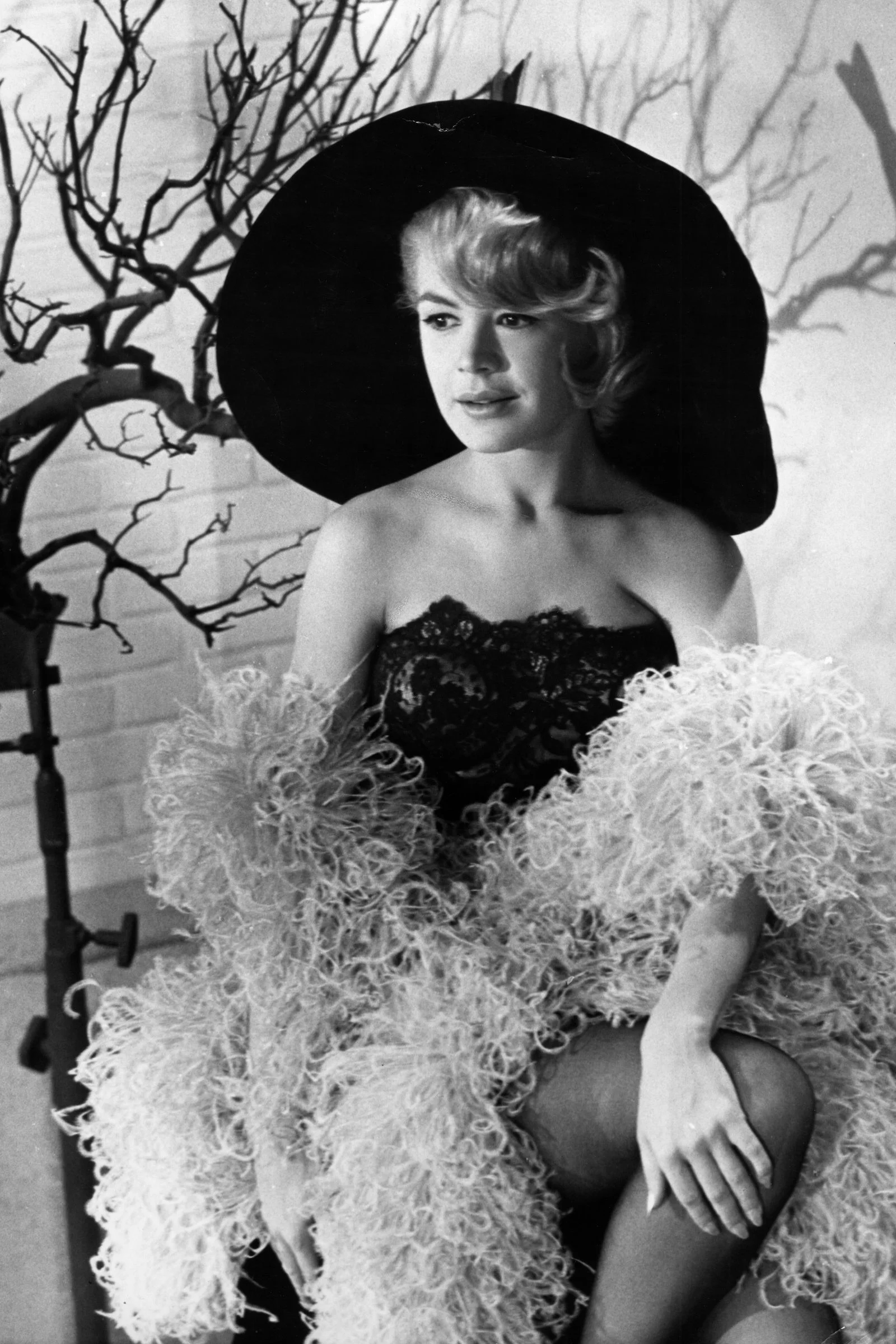
RP: We watched all these movies—188 movies—that Jean Louis designed for, and they were not the most progressive movies. Women are treated very badly; there’s a lot of racism. They are 1940s movies, and they’re not going to be up to our moral codes, so it was very hard to figure out how to present his work in a modern context. We decided to have the chapters represent different female archetypes. It was like, I’m not going to shy away from the fact that the ingenue has difficult issues as an archetype, but it was a way of categorizing the book, but also showing that these were different times.
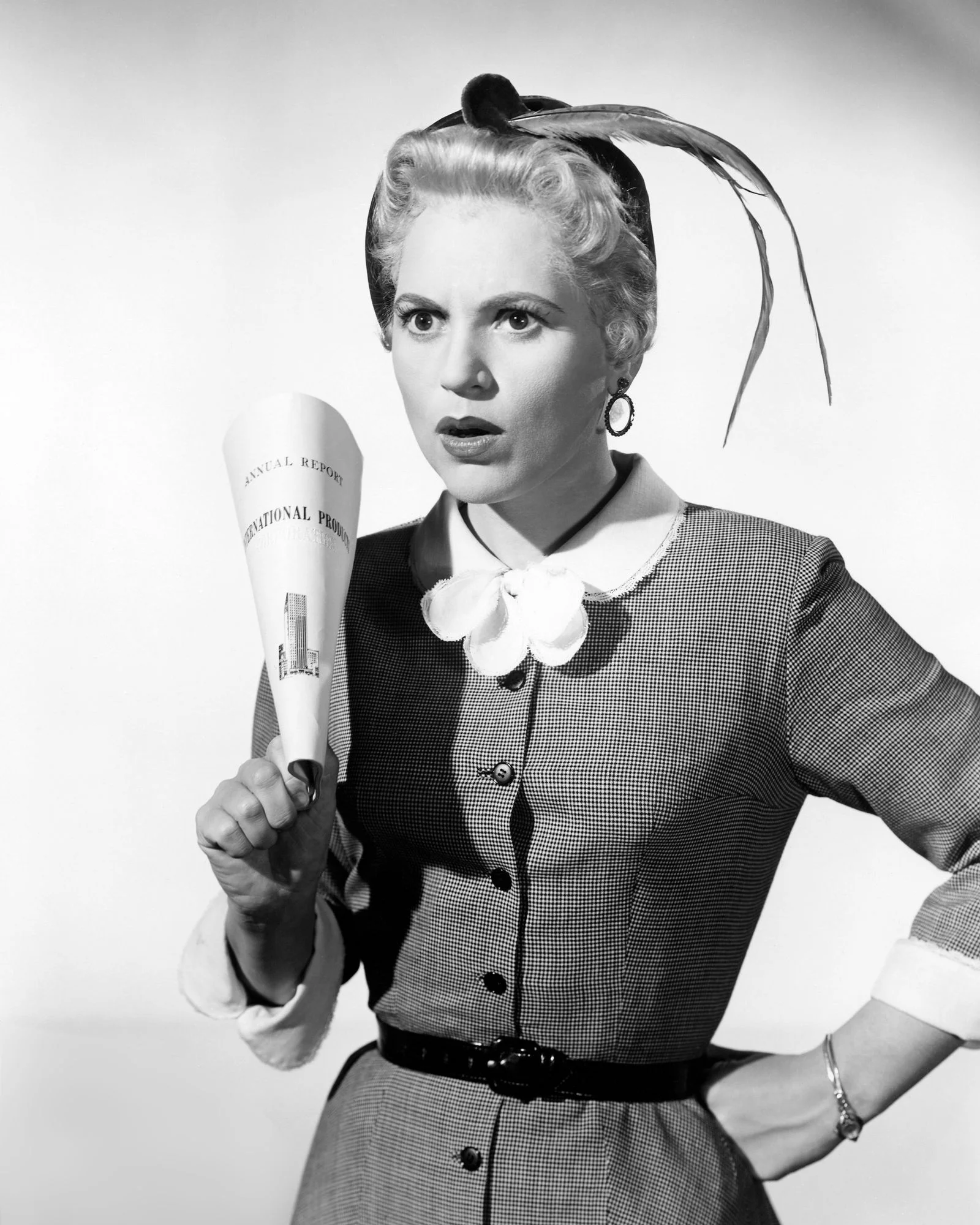
MP: In ’40s film noir, every woman is a sexy type of gangster moll. They get slapped around; they’re not taken seriously. Literally, I saw 20 movies where the main female character gets slapped twice in at least each movie. In the ’50s it’s like Judy Holliday and Doris Day, and they’re becoming more respected—they’re able to go into the office, but they’re only allowed to be secretaries, not CEOs. In the ’60s—this is why I think Marilyn’s dress is important—she took her sexuality that everybody took advantage of in the ’40s and ’50s, and she had that dress made, and she walked on that stage, and she was in control. And so I see a progression of what women were allowed to do up to where Marilyn had the courage to take it and take the power and use it to her advantage.
RP: There was such a cultural shift between the ’50s and the ’60s, and Marilyn was smart enough to understand image and understand that her image could have been firmly cemented in the ’50s. I think this was a way of her aligning herself with the Kennedys, which was this incredible young, dynamic, political couple. It was a way for her to present a new image for herself. It’s when her hair, everything, sort of took on a ’60s sort of modernism. And Marilyn was a master at image, and she understood that things were changing, and she was trying to find her place in the world.
Click here to listen to Nicole Phelps speak with Roger and Maurcio Padilha on The Runthrough Podcast.