
Summer’s great. You have longer days, fewer layers, and your OOO email queued up. But then there’s the sweat of it all.
When the temperature and humidity climb, sweat does exactly what it’s meant to do: keep you cool. The problem is that it doesn’t always stop there. It soaks through your T-shirt, runs down your back, and develops a distinct funk the longer it sits on your skin and clothes. Eventually, it’s not just your problem—but something that everyone in your general vicinity has to contend with, too.
While you can’t stop summer from doing its thing, you can be better at managing the sweat that comes with it. Here’s how to stay cooler, drier, and fresher when you’re basically living in a furnace.
Shower Twice Daily
For lots of guys, showering twice daily in the summer is a non-negotiable. Just know that you don’t need to make each a dedicated “everything shower.” Kseniya Kobets, MD, a board-certified dermatologist and the director of cosmetic dermatology at Montefiore Einstein Advanced Care, suggests making one shower brief. This quick rinse might call for water only. Brendan Camp, MD, a double board-certified dermatologist at MDCS Dermatology, says a simple soaping up of your underarms and groin could also be smart to freshen up without removing too much natural oil from the skin’s surface. Then in your main shower of the day, continue soaping up in these high-funk areas and wherever else sweat has accumulated, like your back and chest. “You can treat the sweaty areas more aggressively while being much gentler on the arms and legs,” says Dr. Kobets.
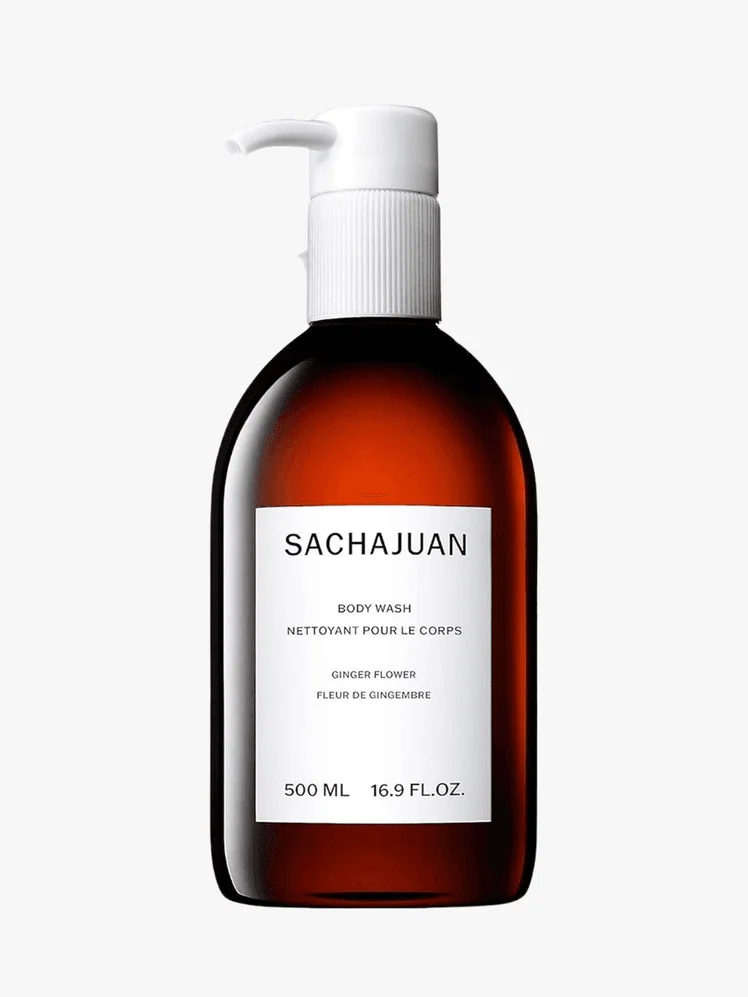
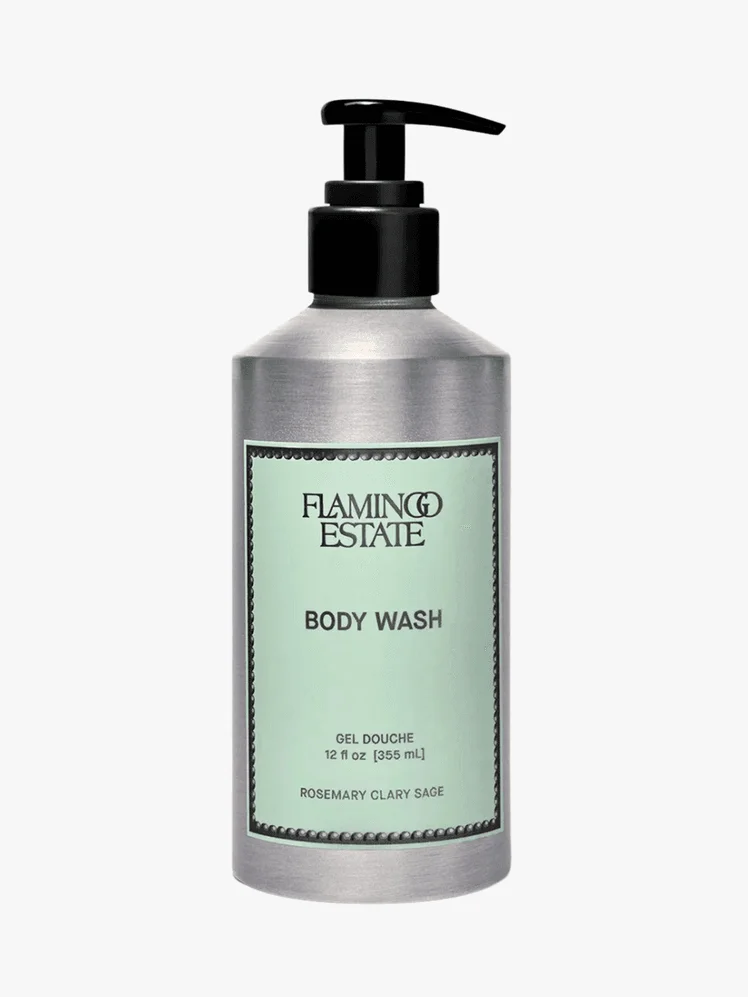
A cold shower could feel especially refreshing. And prioritize body washes with hydrating and barrier-supporting ingredients like glycerin, hyaluronic acid, ceramides, and shea butter. Follow up with a lightweight body lotion while your body’s still damp to restore moisture and keep your skin barrier happy.
Make Antiperspirants Your First Line of Defense
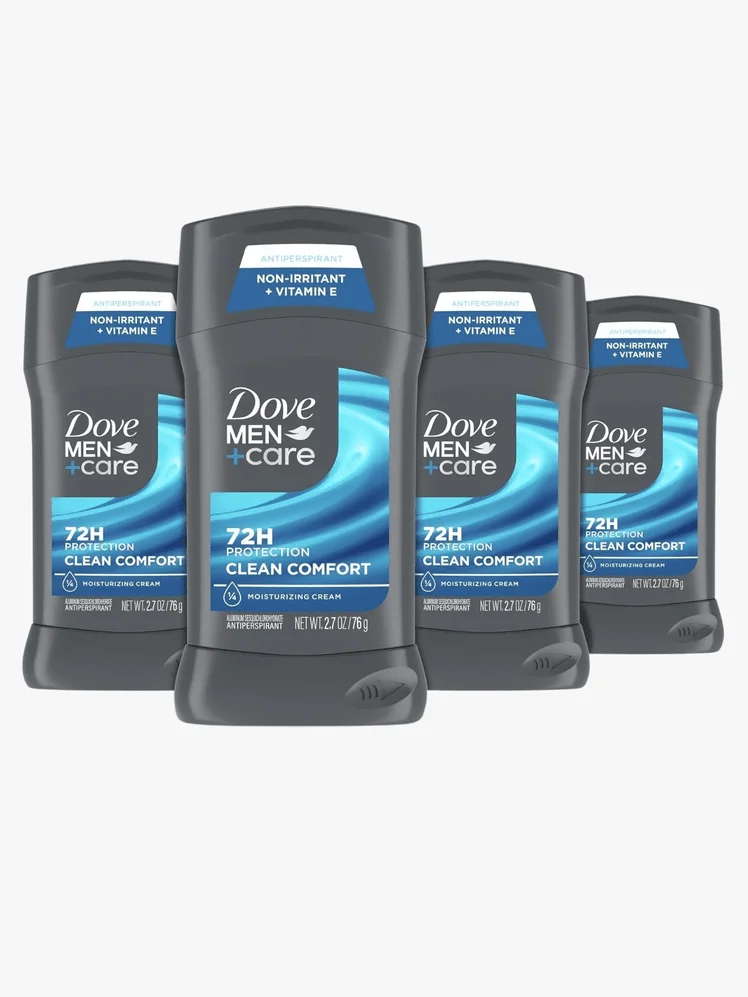
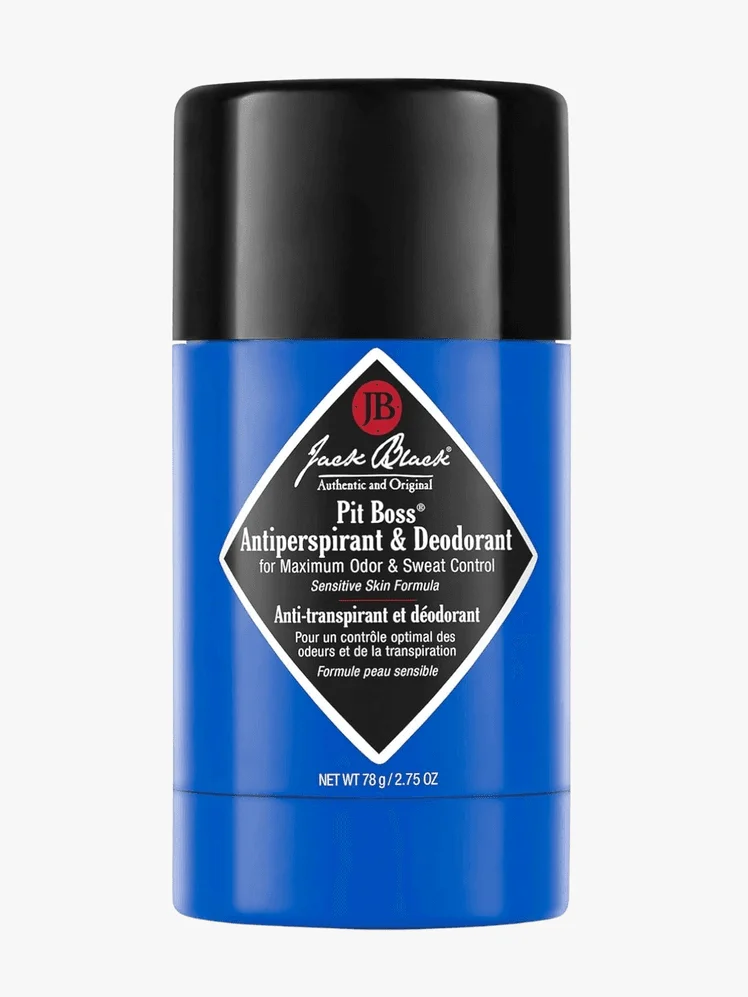
A friendly reminder: antiperspirants and deodorant aren’t one and the same. “Antiperspirants contain aluminum salts that actually decrease sweat by temporarily blocking the sweat ducts, whereas deodorants primarily mask odor but won’t stop sweating,” says Dr. Kobets. Antiperspirant is your best bet when your pits are basically crying during your morning commute. More isn’t necessarily better, and the best time to apply it is at night. According to Dr. Camp, letting it sit overnight allows the product to better penetrate sweat ducts and limit sweat formation the next day.
Still getting pit stains daily? Consider adding a clinical-strength antiperspirant into your rotation. “Apply the product to dry underarm skin before bed and wash it off in the morning before applying the product you normally use each day,” says Dr. Camp.
Keep Reinforcements on Hand
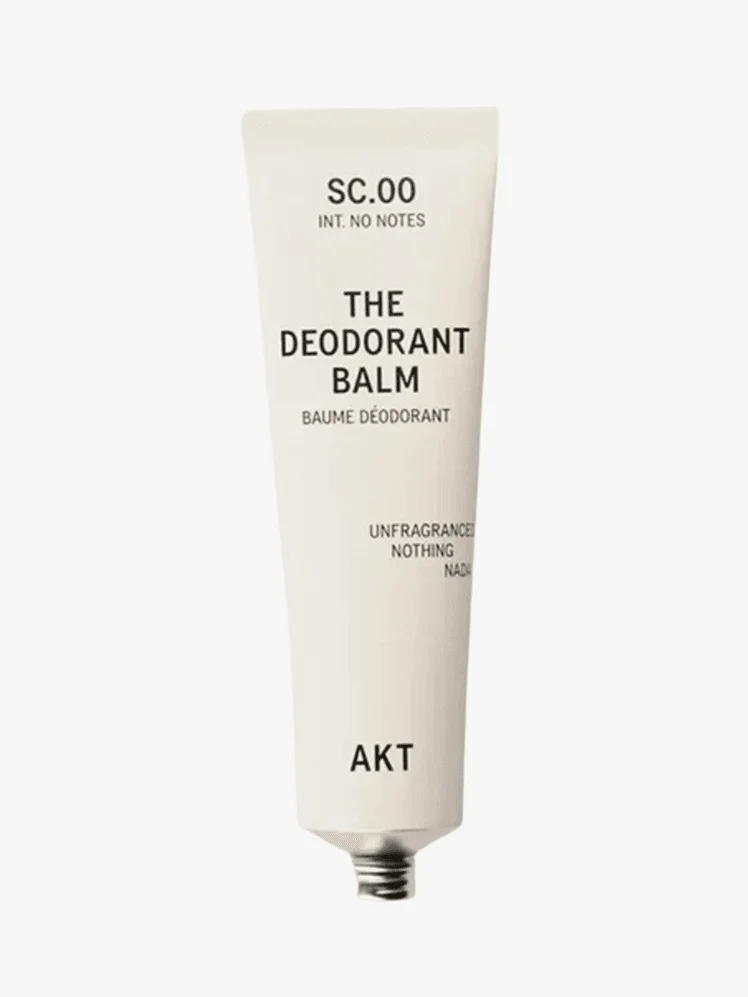
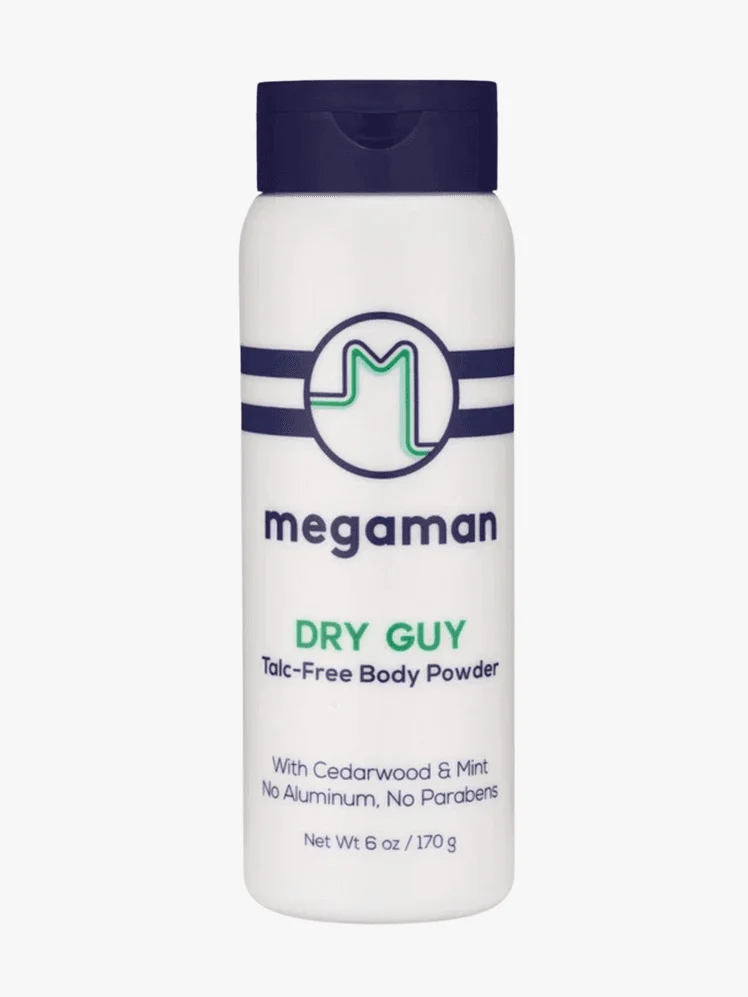
Need help staying dry when you’re out and about? Keep products that absorb perspiration in your gym bag or at your desk for some midday maintenance. AKT offers a scentless balm that dries into an invisible powder, making it suitable to apply (and reapply) on your face, feet, and wherever else you get damp. Dr. Kobets is also a fan of MegaMan Dry Guy. “It contains cornstarch, which helps absorb moisture and keep sweaty areas drier, along with arrowroot powder and kaolin clay,” she says.
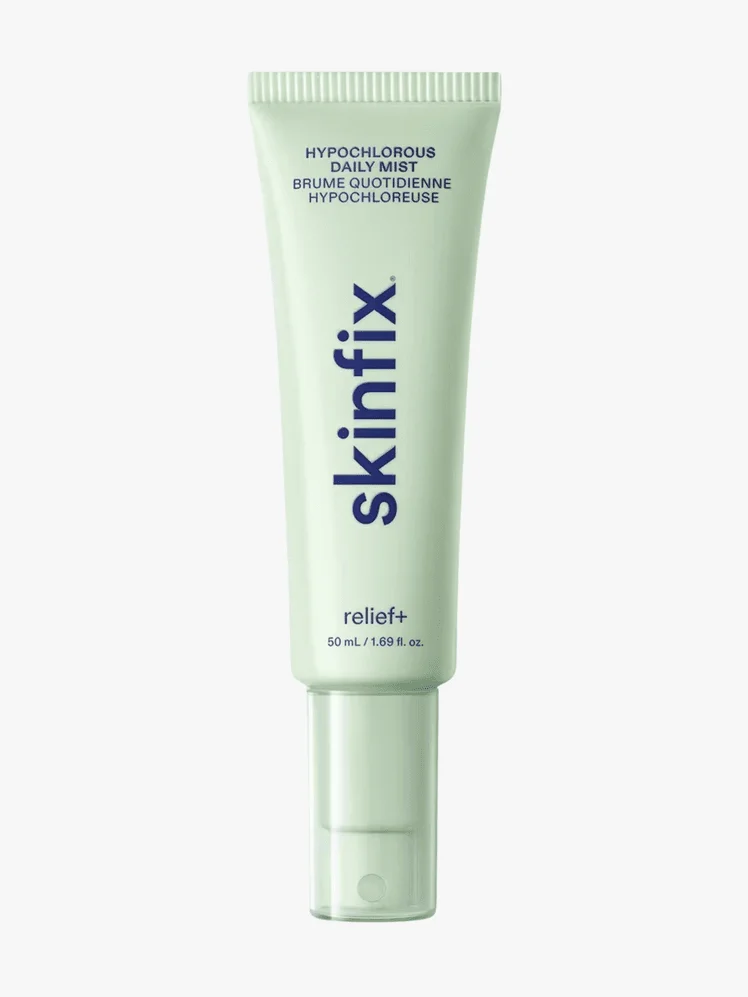
She also recommends keeping a hypochlorous acid spray on hand. While it won’t stop you from sweating, it has antibacterial properties so it can help manage odor. It’s also calming and can help keep redness at bay.
Consider Botox
Botox doesn’t just freeze your 11 line, it’s also an established treatment for hyperhidrosis (a condition marked by excessive sweating). “Botox essentially turns down the local ‘sweat switch’ by blocking acetylcholine, the nerve signal that activates eccrine sweat glands,” says Dr. Kobets. It’s only FDA-approved for this purpose on the underarms, but some providers inject the palms, soles, scalp, and face off-label. You’ll notice improvements within a week or two, and the effects last about four to six months.
This shouldn’t be your first move or something to do for convenience alone, but rather something to ask your derm about if excess sweat interferes with your daily life.
Seek Out Other Medical-Grade Treatments
Sometimes, your sweat won’t be due to summer alone. If it turns out you have hyperhidrosis, it may be time to bring out the big guns with a dermatologist.
Per Dr. Kobets, more intensive options to reduce sweating include iontophoresis (a non-invasive treatment that uses a mild electrical current to move substances through your skin), microwave thermolysis (an energy-based treatment that uses electromagnetic microwave energy to destroy underarm sweat and odor glands), and Qbrexza wipes (which block acetylcholine to limit sweat production at the source).
“Oral medications sometimes used off-label for hyperhidrosis include glycopyrrolate and oxybutynin,” adds Dr. Camp. These can decrease sweating systemically. (Read: It affects the whole body, so watch out for adverse effects like dry mouth and urinary retention.) They’re all powerful solutions and are generally reserved for people with actual hyperhidrosis—not just your average Joe doing his best to survive August. There’s a difference between sweating because it’s 95 degrees out and soaking through your shirt twice before lunch even when the AC’s blasting.
It’s summer, and you’re inevitably going to sweat. But you don’t have to walk into every meeting or date as though you just walked out of a HIIT class. Enjoy a cool rinse or two, keep the right products in rotation, and consult a dermatologist if you’re sweating more than the heat can explain. You don’t need to make it through Labor Day completely dry. The goal is to keep your sweat under control—and keep it your business.