Grocery Stores Are the New Nightclubs
The hour-long drive from Berkeley to Daly City isn't exactly convenient, especially with California traffic. But Kaithleen Apostol makes the trip every other week now.
She's going to dance at a grocery store.
Seafood City's Late Night Madness events have become a ritual for the 28-year-old. What started as a one-time visit for Filipino American History Month in October has turned into a regular outing with her boyfriend, friends, and even her mom. When Apostol mentioned the concept—a DJ spinning tracks inside a Filipino supermarket—her mother wasn't fazed. "Any gathering can turn into a party," Apostol explains. "There's any and no excuse necessary."
The setup is simple: turntables replace cash registers, but the store stays open for business. Shoppers browse aisles while others dance nearby. Street food fills the grab-and-go section. The energy is electric, communal, alive.
This isn't Whole Foods cranking up the volume on a Saturday night. Seafood City's events represent something more intentional: a music-driven gathering space that doubles as cultural preservation. It's part of a broader movement transforming grocers, corner stores, and coffee shops into legitimate nightlife destinations.
The trend reflects shifting social habits among younger generations, growing interest in alcohol-free nightlife options, and a desire to build community around shared heritage.
For Apostol, hearing budots—electronic dance music from Davao City, Philippines—in public feels rare. At Late Night Madness, it's the soundtrack.
Instagram content
"It feels like a big family party from back home," she says, contrasting the experience with traditional clubs. "You'll be eating lechon, then look over and see people line-dancing. I've run into my second cousin I haven't seen in 10 years, my high school econ teacher. It's wild."
That's exactly what DJ JP Breganza intended. Known for unconventional sets at locations like the Bay Area Cliffs and driving ranges, Breganza caught Seafood City's attention after an Instagram follower suggested he bring his setup to the store. The timing aligned with the grocer's launch of night markets, and Breganza was brought on to play the Daly City location. Subsequent events, including those for Filipino American History Month, have been organized with local nonprofit SF Kollective.
Late Night Madness runs during regular store hours and was designed to attract younger, experience-seeking customers. The concept has expanded to Seafood City locations throughout California and beyond—Nevada, Sugar Land, Texas, Canada, and most recently Chicago.
For Breganza, the appeal was practical as much as creative. An oversaturated nightlife market, poor compensation, and safety concerns in traditional clubs pushed him to explore alternatives. Seafood City gave him creative freedom to define what a Filipino American party could be.
"Filipino culture teaches you resourcefulness—how to throw a celebration anywhere, anytime, with whatever you have," he explains. "When I DJ, I'm channeling those house party memories, but the goal is to reach across generations. Yes, it's deeply cultural, but the invitation extends to everyone."
These pop-up events thrive precisely because they ignore conventional venue limitations. Produce aisles and checkout lanes become unlikely dance floors.
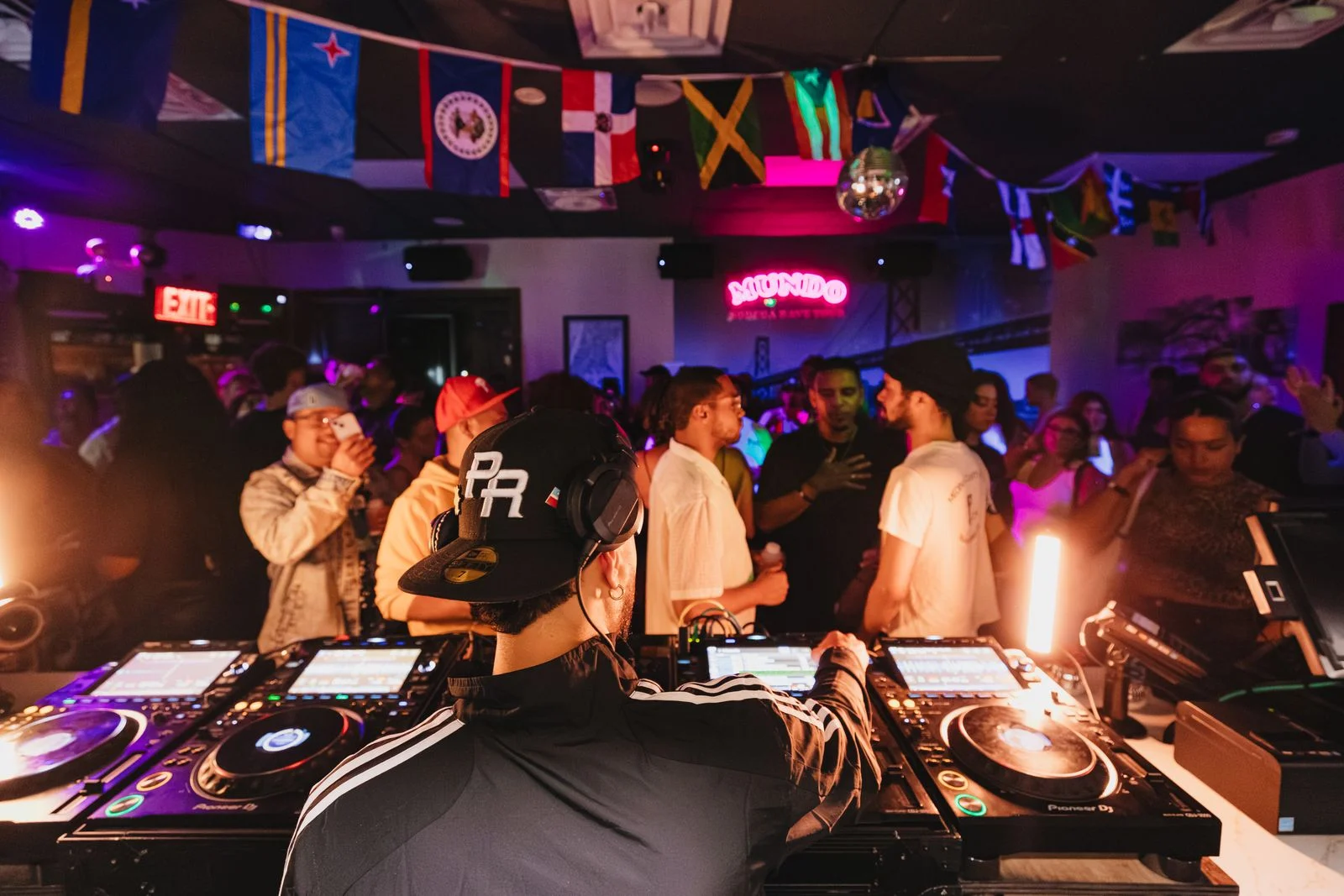
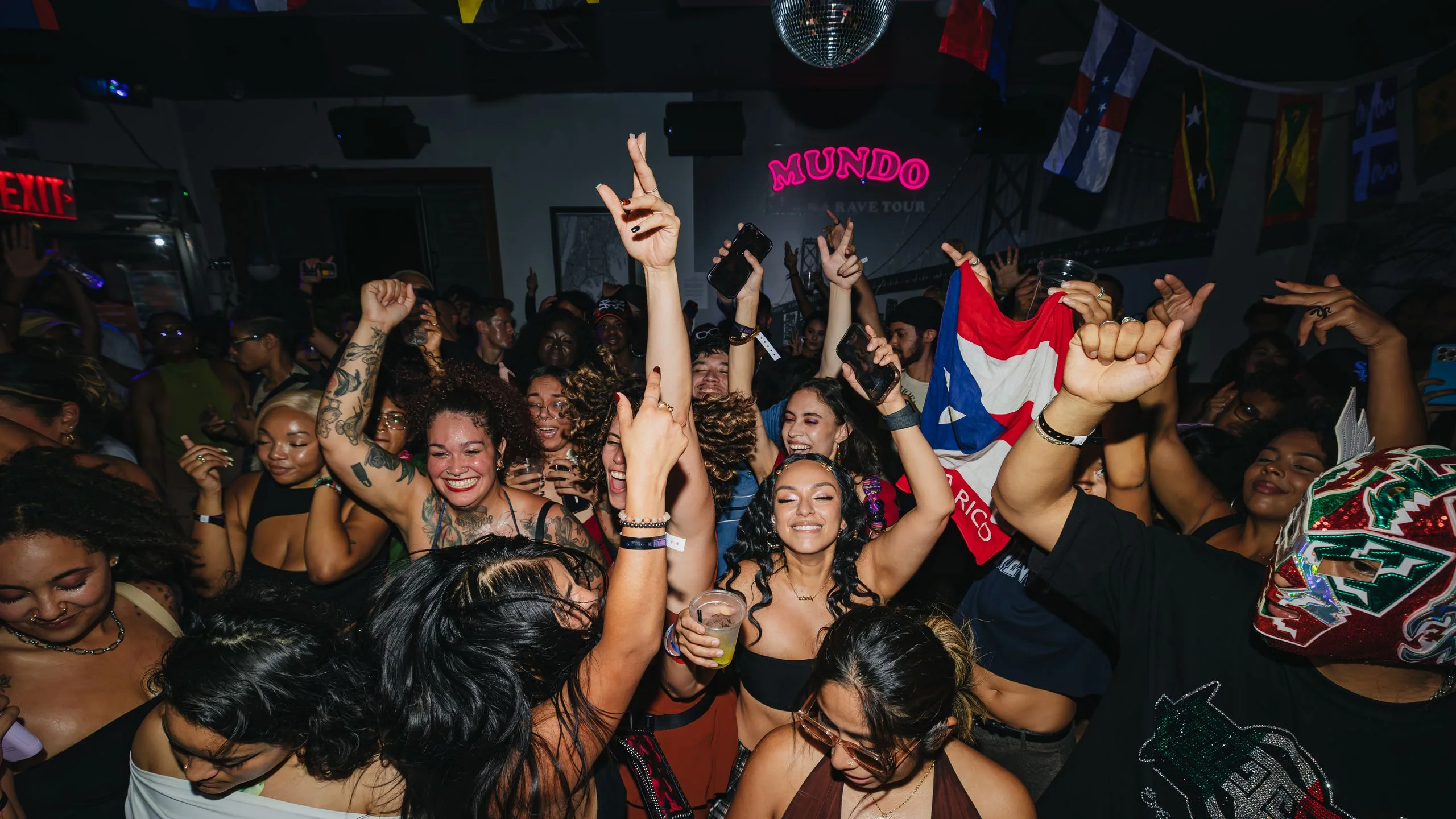
MUNDO Soundsystem—DJs Guari, Rich Pascasio, and Flako (also known as Dos Flakos)—have turned Bronx bodegas into unlikely nightlife destinations, hosting culturally rooted raves that challenge traditional club culture.
A MUNDO event is visceral: packed bodies, rising heat, sweat-slicked floors. While bass rattles the shelves, deli workers behind the counter flip chopped cheese sandwiches with the flair of teppanyaki chefs, Flako notes.
For these Bronx-born DJs, the bodega venue wasn't a gimmick—it was inevitable. After noticing familiar uptown faces traveling to their Brooklyn and Manhattan sets, they recognized a gap in their own neighborhood's nightlife infrastructure. "The bodega is where community happens," DJ Guari explains. "It's a place where you can grab anything you need, strike up conversations with strangers, feel at ease. There's no barrier between you and your neighbors."
"It's intimate in a way other venues can't replicate," Flako adds.
Since launching their first bodega rave in late 2023, the collective has maintained its DIY ethos and commitment to authenticity.
By September 2025, their concept had attracted corporate attention. Tequila Cazadores partnered with MUNDO Soundsystem to expand the model nationally through the Bodega Rave Tour, bringing the experience to San Francisco and Chicago.
The unconventional party movement extends beyond nighttime venues. Coffee shops nationwide have installed professional sound systems and begun hosting DJ-driven daytime events that deliver club energy with early evening end times. According to Eventbrite, "coffee clubbing" interest surged 300% in Atlanta alone over the past year.
From Seattle's Coffeeton Party, which builds community among Pacific Northwest Latinos, to Chicago's Drip Collective and Atlanta's Coffee Party ATL, the energy derives from more than caffeine. These gatherings foster intergenerational dialogue and bridge diaspora communities and socioeconomic divides through music and movement. They also channel revenue to independent businesses while eliminating the pressure to drink or indulge in nightlife excess.
Santo Cafe, located inside Washington, DC's Paraíso Taqueria & Mezcaleria, has built an all-ages following since launching coffee raves in July. Creative director and booker Tahmina Ghaffer frames her programming philosophy around creating spaces to "recharge, rather than recover from."
"We wanted to eliminate the waiting game—no dragging through the day to stay awake for a late show, no nursing a hangover the next morning," she says. "A weekend party that happens during daylight hours, in a café setting, removes barriers. It's genuinely accessible to everyone."
The underground is surfacing in unexpected places. Your next memorable night out might happen in broad daylight, one aisle over from the produce section.