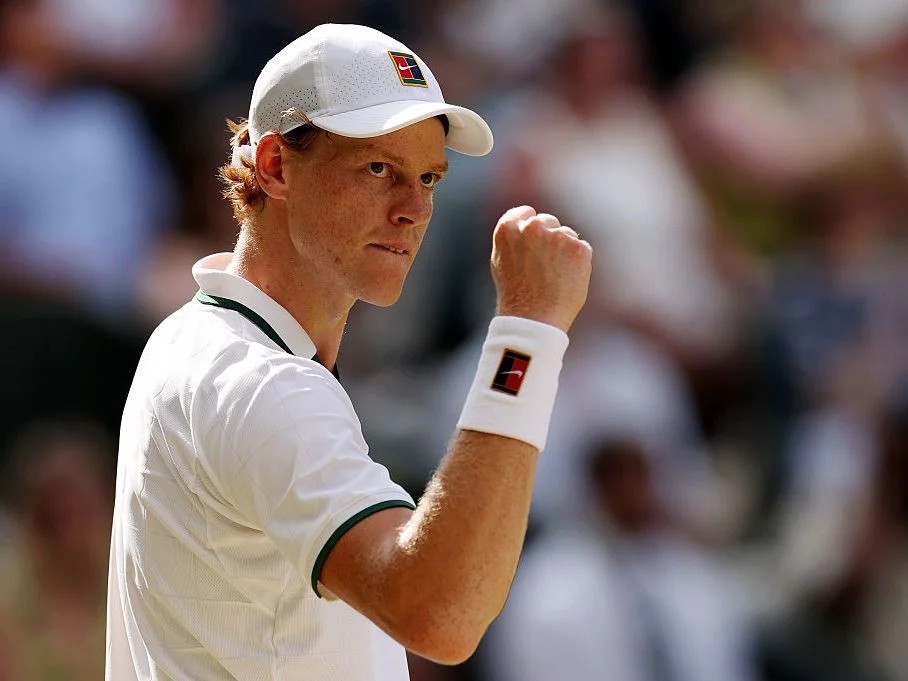
It’s been an odd one, this year’s Wimbledon, hasn’t it? The early Serena-is-back frenzy has settled down, in the wake of her first-round loss and doubles withdrawal, into a bit of who’s-left-standing stock-taking on the women’s side, with virtually all of the game’s top players falling by the wayside round-by-round. That’s not to say there hasn’t been some high drama: Witness yesterday’s thrilling semifinal pitting Coco Gauff against Karolina Muchova, particularly the breathless, nervy deciding tiebreaker.
The result of all this is tomorrow’s women’s final, an all-Czech extravaganza in which ninth-ranked Muchova squares off against her doubles teammate from the Paris Olympics, the 12th-ranked Linda Noskova. (And if you’re wondering: Why Czechia? The answer is elusive, but it’s worth noting the country’s winning history in tennis, particularly at Wimbledon: There have already been five women who have held the championship trophy, going back to Martina Navratilova (who won a record nine times at Wimbledon from 1978 to 1990), and as recently as Barbora Krejčíková two years ago.
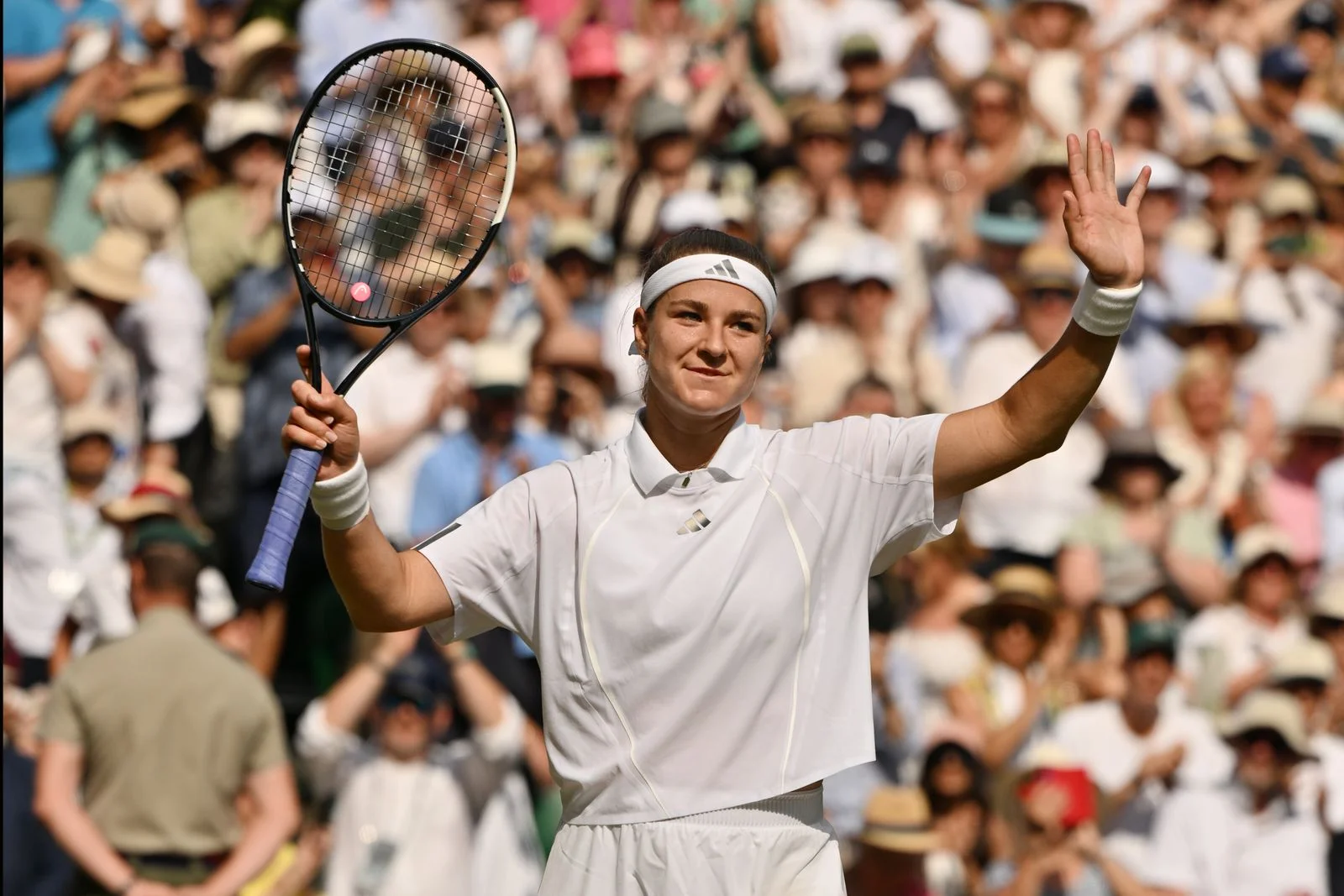
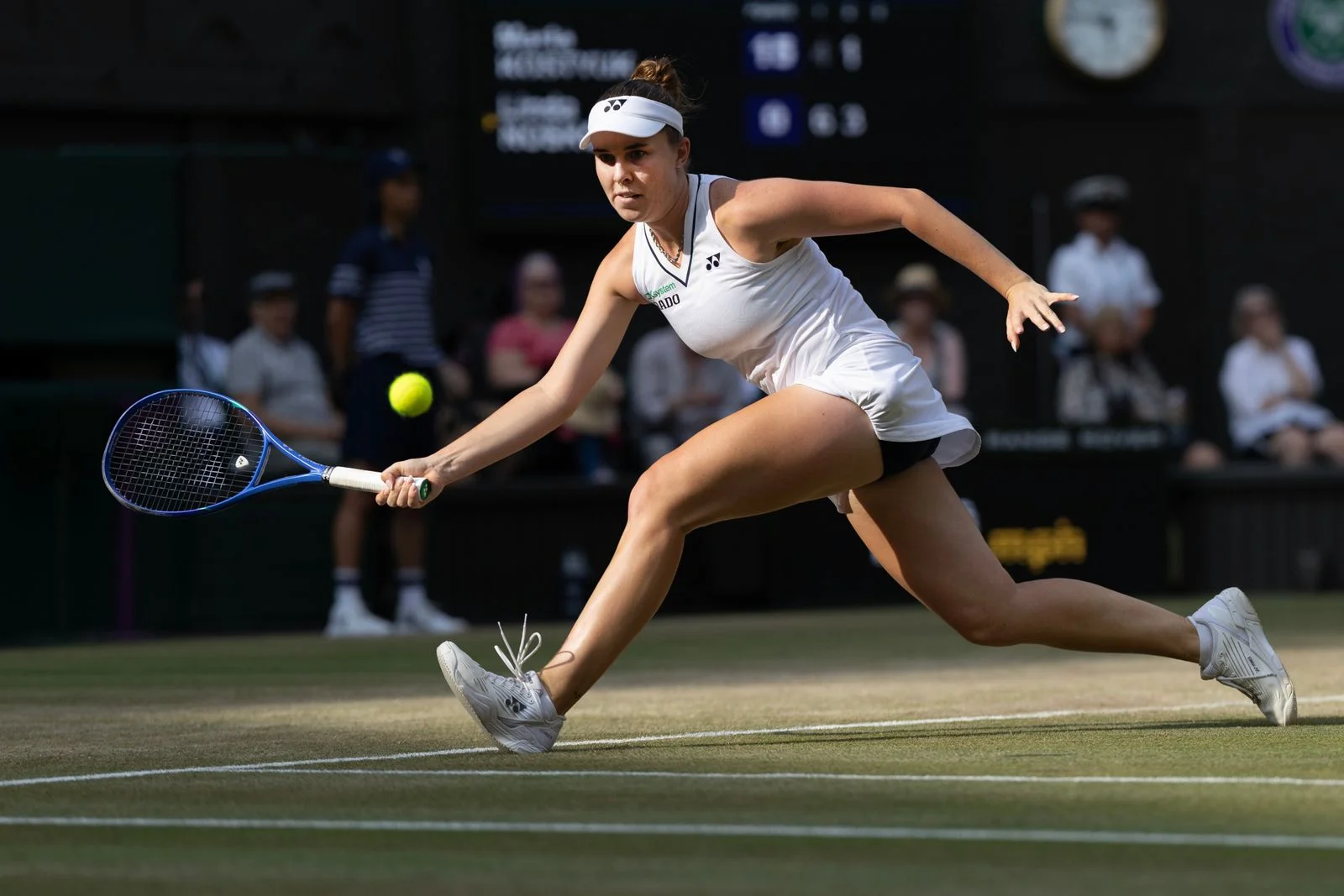
So how will this final shake out? Here’s the great part: Nobody really knows. Muchova and Noskova have played each other only once on the pro tour, with Muchova winning, in three sets, at last year’s US Open. This much we do know: Muchova plays an all-court game out of the old school of grass-court tennis—serving, volleying, and trading forehands and backhands with ease. She’s impressively agile at the net—that lunging, leaping, photo-finish volley in the Gauff tiebreak wasn’t an outlier.
Noskova, on the other hand, is more of a big-serve-and-strike-first power hitter. While the casual tennis fan may not be familiar with her (despite her ranking), she in fact has been the best women’s player on grass for the last two years. Think of Muchova as the steady ship (though with a lethal quick-strike capacity) and Noskova as the bottled lightning. It would be foolhardy to venture a prediction, but that hasn’t stopped us before: Muchova in three sets.
As for the men, we have indeed seen this one before—though only once in a major final (last year’s Australian Open)—with Sinner winning the last nine. (While Zverev won four of their first five meetings, he hasn’t beaten Sinner since 2023.) There’s one potential match-changing result, though: Zverev is coming into this final hot, having finally won his first grand slam a few weeks ago at the French, while Sinner’s baggage—if he’s carrying any—would seem to be his wilting exit from Paris. Sunday’s temperature for the men’s final is forecast to be around 82 degrees—hot, yes, but nothing like the inferno that was Paris—and so external factors would seem to be at a minimum.
Which leaves us with this: If Sinner is playing at the top of his game, he’s virtually unbeatable; anything less than that, however, leaves an opening for Zverev. Aside from the aforementioned conditioning in the heat, Sinner has few obvious flaws, but if Zverev goes for broke with his dominant first serve and paints the lines—a kind of shock-and-awe approach to the match—he’s got a chance. There’s also the question of nerves and psychology: While Sinner normally plays with ice water in his veins, he’s a bit vulnerable on this front after Paris, should he let the memory of that seep in; Zverev, though, would need to hold his own: If he falls behind early, he’ll need to steady the ship. Maybe a bit bold here, but we’ll say Sinner in three.
Enjoy the tennis!