

A lot of guys treat skincare like a one-step job. Splash a little water on your face, maybe rub in some moisturizer or Vitamin C serum if the bottles are within reach, top it off with some sunscreen, and that’s it. But they’re doing their skin a disservice. Different products are designed to do different things, and if you apply them in the wrong order (or all at once, for that matter) half of them won't actually do what they're supposed to.
That's where the idea of “layering” comes in. Learning how to layer skincare isn't about building some kinda super-meticulous 12-step routine or turning your bathroom cabinet into the RV from Breaking Bad. It's about understanding the basic order that products should go on so they absorb properly and don't cancel each other out. Once you've got that sorted, everything from your cleanser to your serum to your moisturizer will finally start pulling its weight.
Layering skincare is exactly what it sounds like: applying products in a very specific order so that they can absorb effectively and the chemistry of each one doesn't mess with the other. Most formulas are designed to sit at different depths on the skin. Lightweight liquids absorb quickly and deliver ingredients deeper, while heavier creams sit closer to the surface and seal everything in. If you apply them in a random order, the thicker products block the lighter ones and you end up wasting both time and product. Not good.
The easiest rule to follow is texture. Go from the thinnest formulas to the thickest ones. Water-based products first, then gels, then creams, then oils if you use them. It doesn't need to be complicated, but the order matters. When the layers are stacked properly, each product has a clear role rather than fighting the one underneath it.
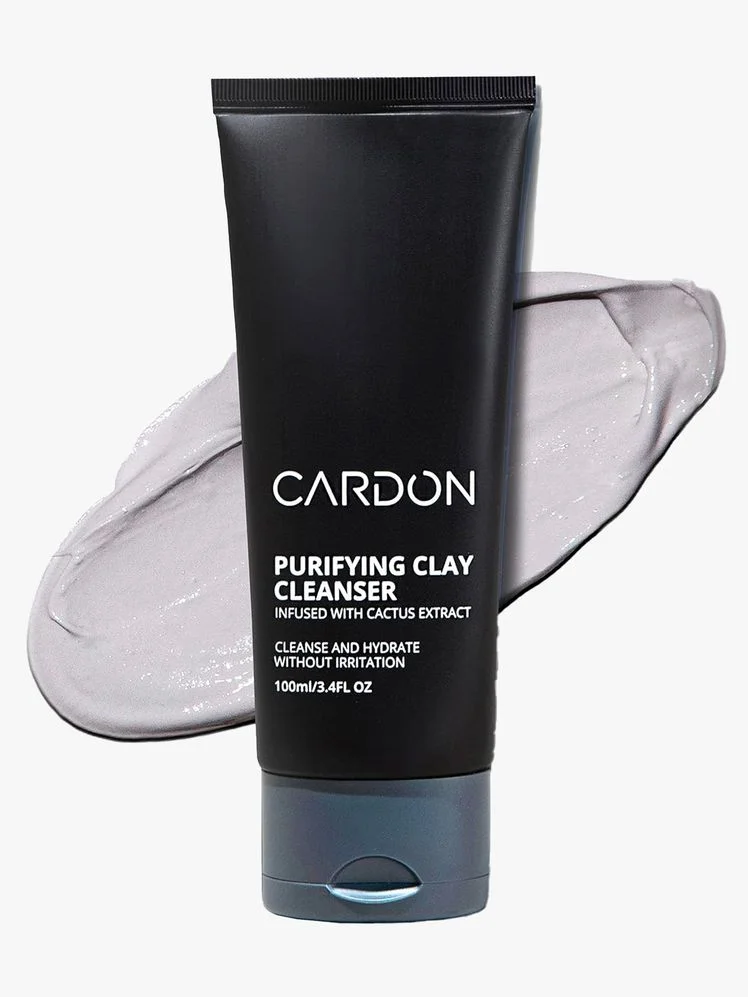
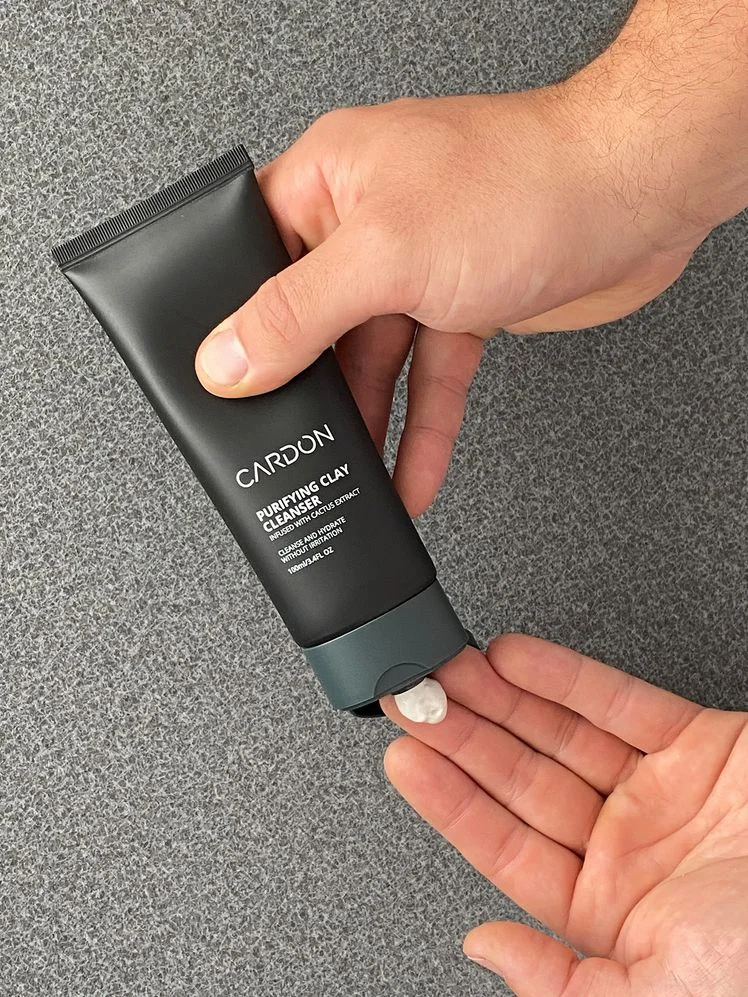
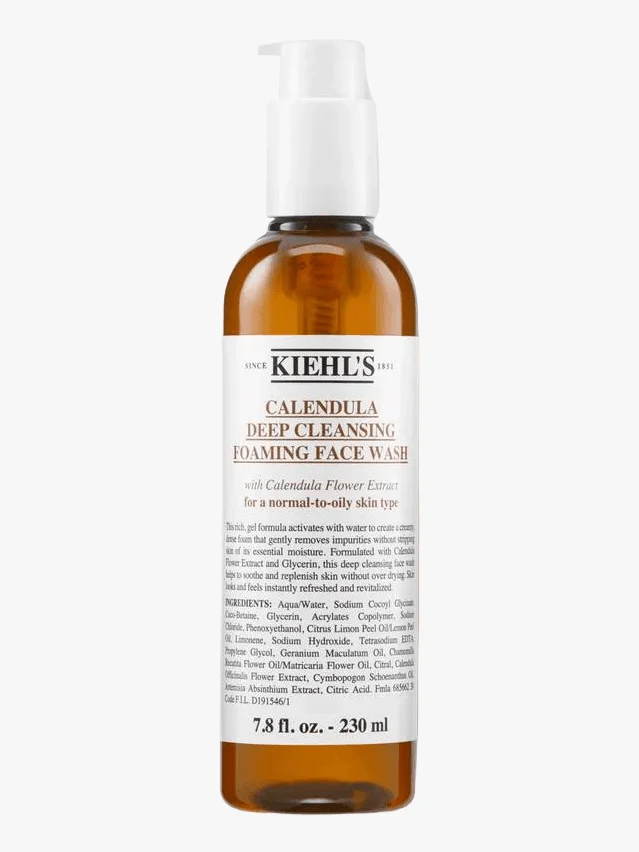
Before any layering begins, your skin needs to be properly clean. Dirt, oil, sunscreen, and any leftover product can create an annoying barrier that prevents anything new from absorbing. That's why every skincare routine starts with a cleanser that removes buildup without stripping the skin completely dry. If the surface isn't clean, everything you apply afterwards can sit unevenly.
Use lukewarm water and massage a cleanser gently across the face for about 30 seconds. Focus on areas where oil tends to collect: the nose, forehead, and chin. Rinse thoroughly and pat your face dry with a towel (don't rub, please). The goal here isn't squeaky-clean skin, it's a balanced surface that's ready to absorb the next steps.
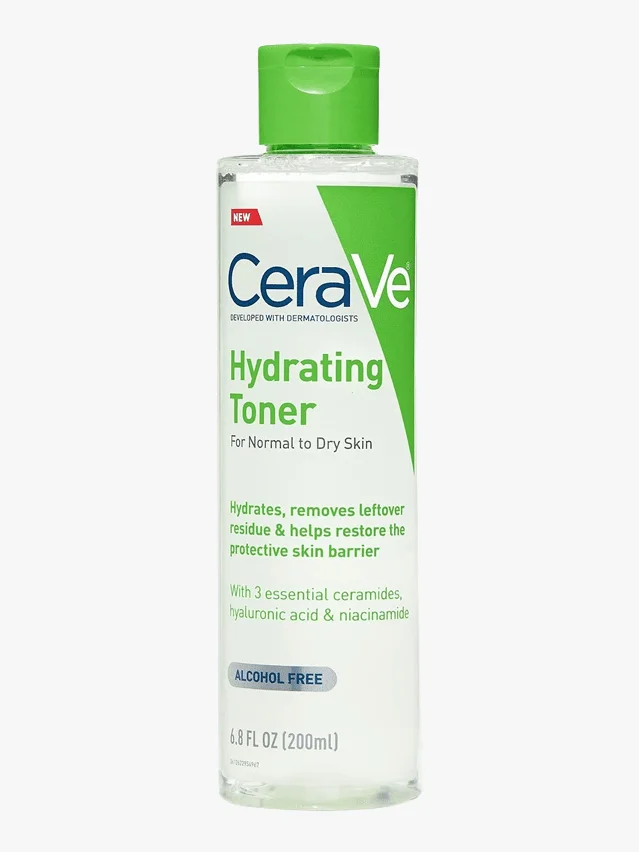
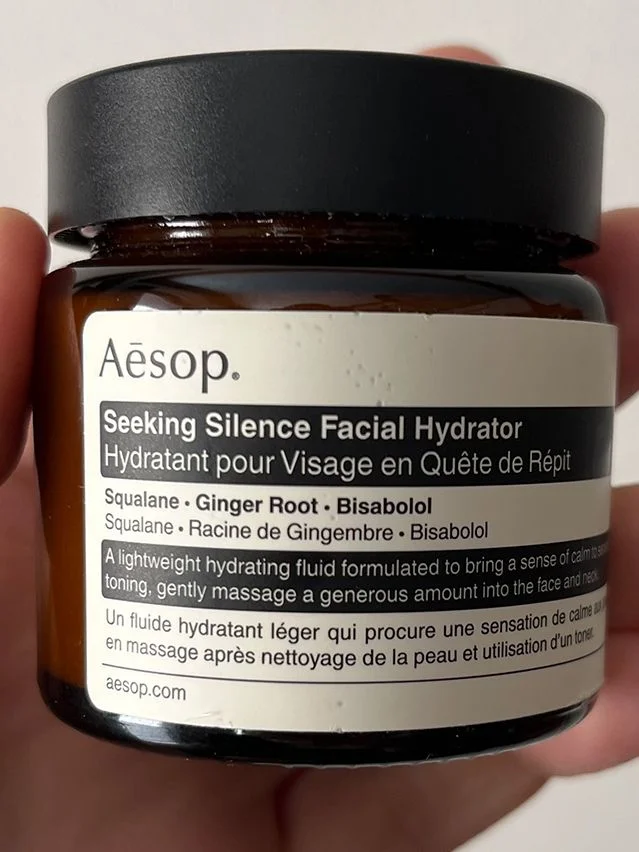
Once your skin is nice and clean, start with the lightest formulas. These are usually toners, mists, or watery hydrating treatments. Their job is to deliver quick hydration and prep the skin so the next layers absorb more evenly. Because they're so thin, they penetrate faster and shouldn't be blocked by heavier products sitting on top.
Pour a tiny amount into your hands or onto a reusable cotton pad and press it gently into the skin rather than wiping aggressively. Let it settle for a few seconds before moving on. If your routine includes multiple lightweight layers, apply them from most liquid to slightly thicker textures so each step builds gradually.
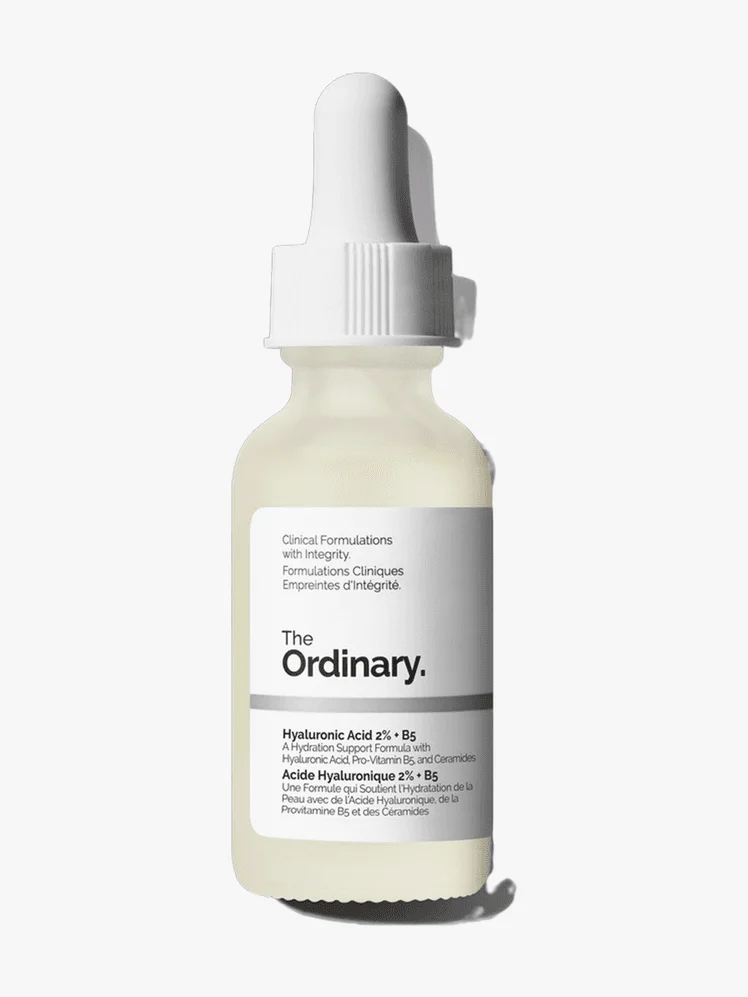
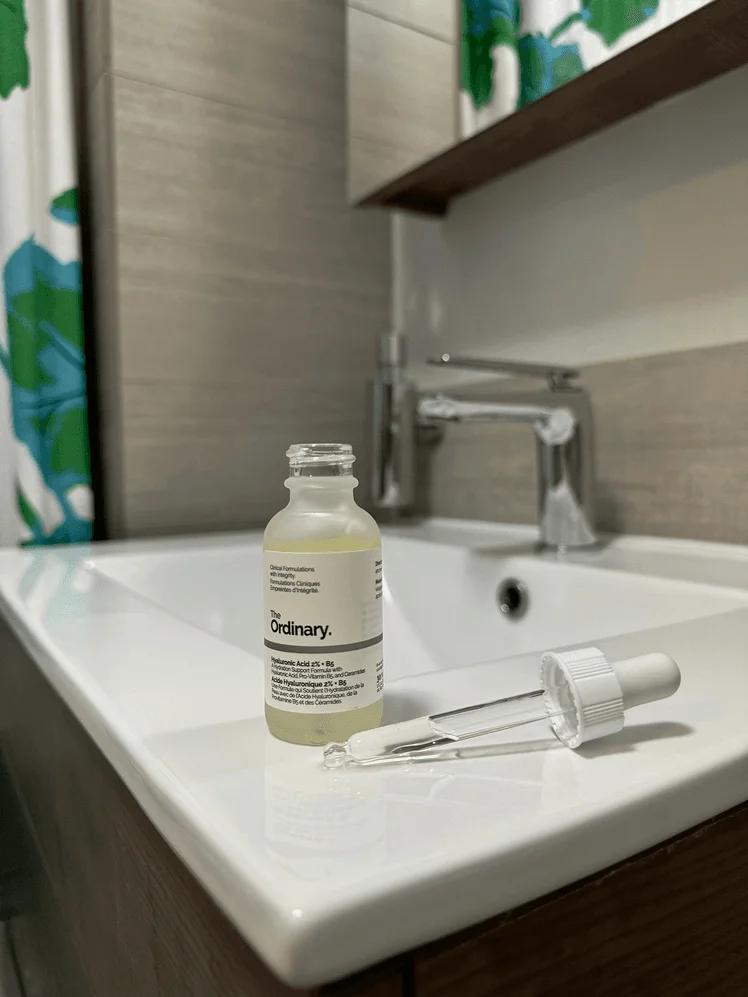
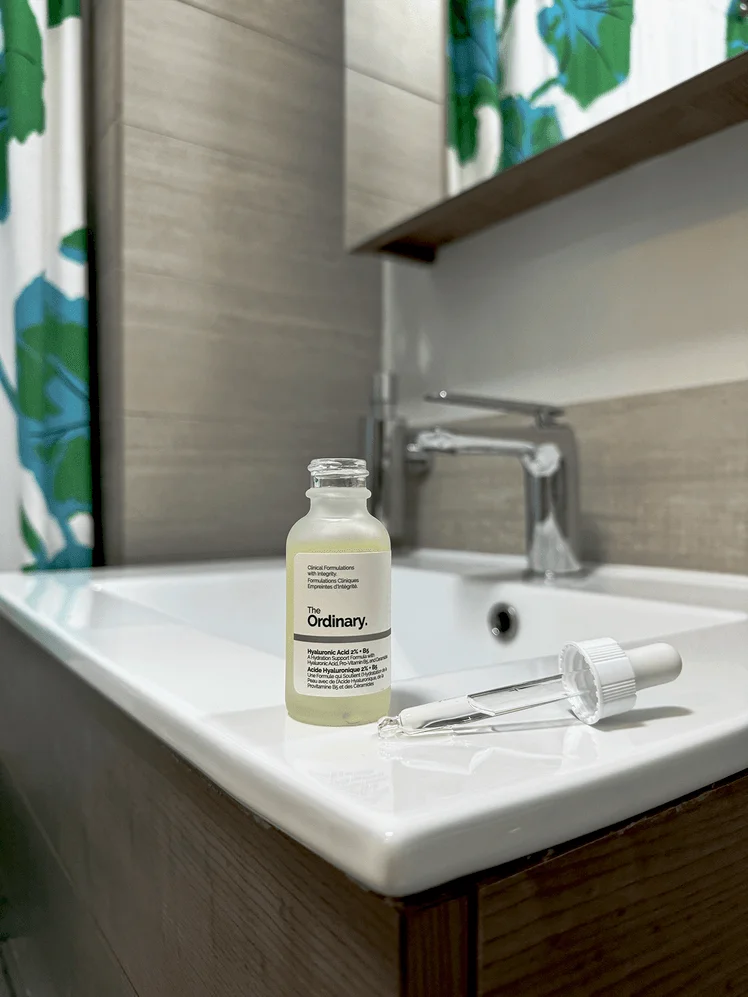
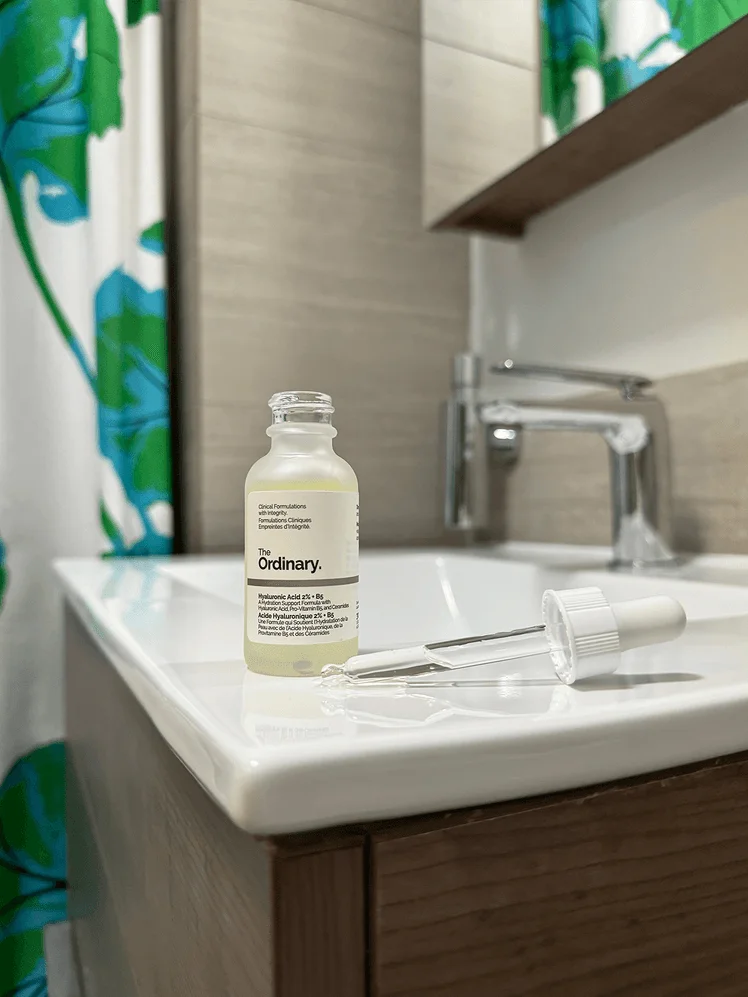
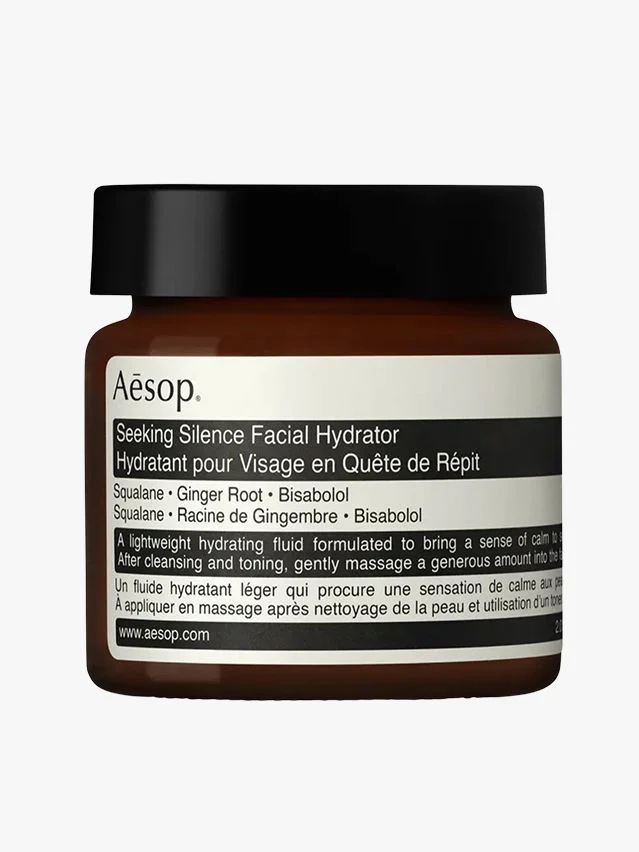
In case you didn't already know, serums are where most of the targeted ingredients live. These formulas are concentrated and designed to address specific concerns like dehydration or dullness or uneven texture. The best serums usually contain ingredients such as vitamin C, hyaluronic acid, or niacinamide, which need direct contact with the skin to work properly.
Apply one or two drops and spread it evenly across the face using your fingertips. There's no need to drench your skin—more product doesn't necessarily mean better results. Give the serum about 20 to 30 seconds to settle before applying the next layer so it has time to absorb instead of mixing into the product that follows.
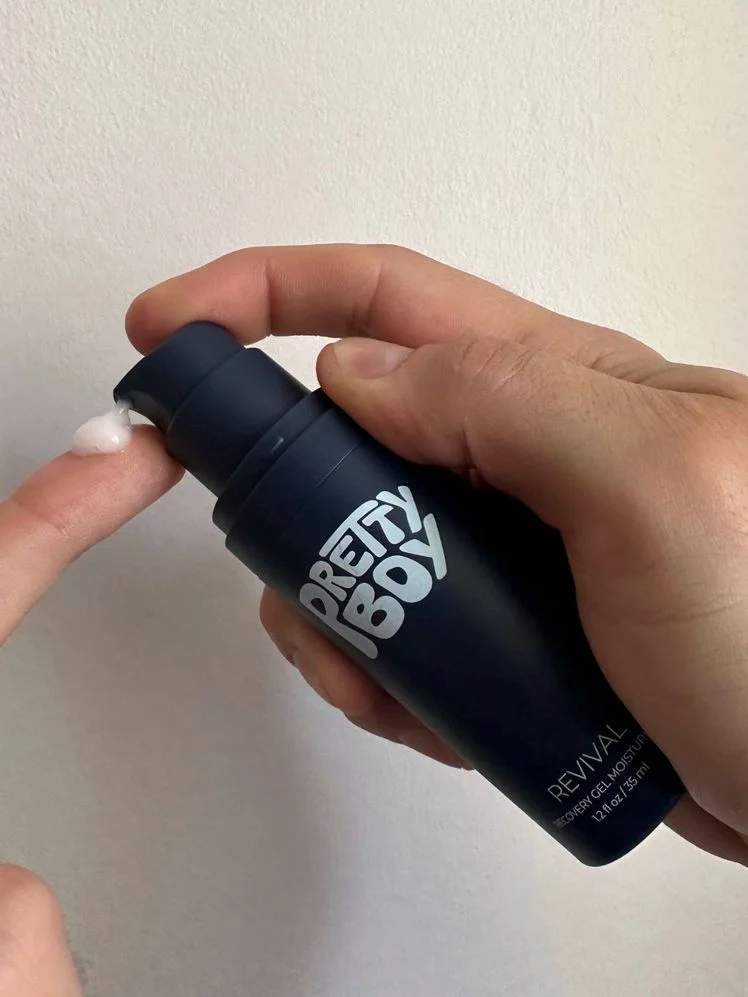
Once the lighter treatments have absorbed, moisturizer goes on to lock them in. This step helps prevent water loss and keeps the skin barrier functioning properly throughout the day. Without it, hydration evaporates quickly and the benefits of the earlier steps fade faster than they should. The last thing you want is for all your hard work to go to waste.
Choose a formula that matches your skin type. Lightweight gels suit oilier skin, while richer creams work better for dryness or colder weather. Many of the best moisturizers for men focus on barrier-support ingredients like ceramides and glycerin, which help keep moisture where it belongs instead of letting it escape.
If you’re doing your routine in the morning, sunscreen always goes last. Nothing should sit on top of it because SPF needs to form an even protective layer across the skin. If you apply something over it, that layer gets disrupted and the protection isn't reliable anymore.
Use at least SPF 30 and spread it across the entire face, including the sides of the nose and the hairline. Reapply during the day if you're outside for extended periods. Even if the weather looks grey, UV exposure still happens, and skipping this step undermines everything else you've just done. If you're still not sure what to do or how to do it, we've got a full guide to how much SPF is actually enough.

For most guys, their skincare routine ends at the jawline—it shouldn’t. The skin on your neck and upper chest is thinner, gets just as much sun exposure, and tends to show signs of aging even more quickly if you just ignore it.
Whatever you're applying to your face should go a little further. Cleanser, serums, moisturizer, SPF —take it down the neck and onto the top of your chest. You don't need extra product, just spread what's already on your hands. Same goes for your ears, especially the tops and sides, which are easy to miss but get a lot of sun. It takes a few extra seconds but it'll make a big difference in the long run.
We’ve all got things to do and people to see, so you’ll be glad to hear that don’t need to stand in front of the mirror for ten minutes waiting between products. Most formulas absorb quickly, so the goal is simply to give each layer a few seconds to settle before applying the next one. If the skin still feels wet or slippery, just wait a little longer.
A good rule is to move on once the product feels lightly absorbed rather than completely dry. This keeps the routine efficient while still allowing each layer to sit properly. When the timing's right, the whole process takes only a few minutes but works far more effectively than applying everything at once.
A version of this story originally appeared in British GQ.