
For years, the IMDB Top 250 was a fact of life, at least for a certain type of movie-award person doing some kind of living on the internet. That list averaging out user ratings for various films and coming out with average scores out of 10 still exists, but thanks to the Make the Internet Work Worse Act of 2010, IMDB is just one of many websites that doesn’t work as well as it used to. The same is arguably true of Rotten Tomatoes, the review-aggregation site that used to mainly collect links to reviews of a given movie in one place, and now does that, but with a renewed (regrettable?) emphasis on what the users think (while also giving the impression, somehow that their aggregate percentages are “scores” that movies are given, rather than simply a percentage of critics that gave a movie a positive review).
But Rotten Tomatoes’ introduction of the, uh, Popcornmeter (popcorn being, famously, a sister food of tomatoes) has resulted in their own version of the IMDB Top 250. Rather than tiebreaking the movies on Rotten Tomatoes with the approval ratings at or closest to 100% (which would likely be a mix of inoffensive three-starrers, well-intentioned movies without too many reviews, and the occasional actual masterpiece), this list combines the Tomatometer (critics) with the Popcornmeter (readers) to come up with some unholy new unprinted but rankable number. In other words, they have a list of the best movies on Rotten Tomatoes, through opaque means that produce results somewhat similar to, yet also distinct from, the classic IMDB chart. The most noticeable, immediate difference: No Shawshawk Redemption! That IMDB stalwart is completely bounced from the Rotten Tomatoes list, likely owing to the fact that it “only” manages 89% positive reviews (and honestly, that’s probably skewed by retrospectives; had Rotten Tomatoes existed in 1994, I’d wager it would have been closer to 80%). The majority of the IMDB top 10, in fact, doesn’t make it into the top 25 on Rotten Tomatoes; likewise, 20% of the Rotten Tomatoes top 25 doesn’t even squeak into the top 250 on IMDB. Is this the beginning of a new canon?
At very least, it’s an attempt at a new internet list that peeks into the mind of the online cinephile. As such, it’s worth examining. So let’s flip through the top 25 best movies on Rotten Tomatoes, so-called, and assess the choices therein.

Well, at least it’s not Shrek. How to Train Your Dragon is inarguably one of the best DreamWorks animated features (though I’m not so certain it’s vastly superior to Kung Fu Panda or The Croods). The idea that it’s superior to all but a couple of Pixar movies and everything Disney Proper ever made, however, is pretty laughable, its Rotten Tomatoes entry score the clear result of a ton of three-star reviews. Then again, that’s part of a rich American tradition of rewarding animated films for their technical artistry and kid appeal and ignoring the rest, whether that means overlooking some truly clunky DreamWorks-grade narration and yammering dialogue for Dragon, or Snow White’s irritating simpering.
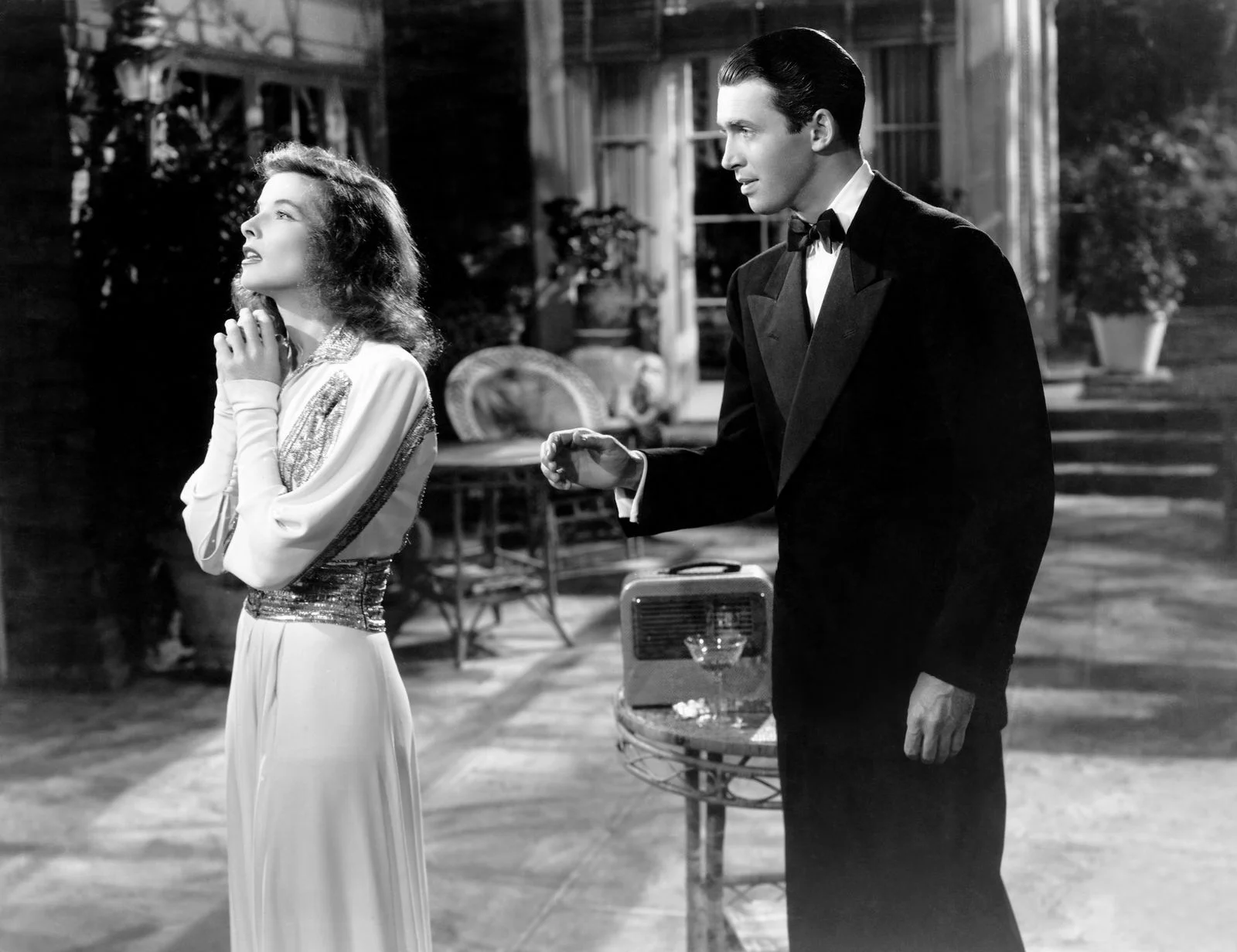
Now here’s an instant recovery from that DreamWorks business. I know the modern conception of greatest all-time rom-com is probably When Harry Met Sally…, and that one is surely more influential on the past 35 years of cinema than anything from the screwball era. And my personal screwball-era choice would be His Girl Friday, for the sheer dizzying speed of its banter and punchlines. But when placing a romantic comedy on a list of the best movies ever – and you should do that! – it’s pretty much either The Philadelphia Story or It Happened One Night. It Happened One Night, like When Harry Met Sally, is incredibly influential, but in terms of the genre’s pure pleasure, it’s hard to beat the triple threat of Cary Grant, Katharine Hepburn, and James Stewart in a whoever-wins-we-win love triangle. Let this also function as a plea not to take seriously any best-rom-coms-ever lists that don’t reach back before 1989 often enough.

Speaking of which: Any list that takes into account Rotten Tomatoes numbers seems likely to skew recent, because mainstream 21st century movies are more likely to accumulate greater number of reviews, and for whatever reason, those reviews have seemed to trend more positive in the past decade or two, to the point where genre fans will murmur with worry when a superhero movie gets what used to be considered normal super-movie reactions (that is, well below the 90% or so RT readers have become conditioned to expect for their faves). So there’s a broadly pleasant surprise in realizing that the top tier of the RT list isn’t all movies from the past 20 years, and a specific one to find that the newest title on the list is in fact a Godzilla movie. Just a few years ago, it would have been impossible for me to picture Godzilla outgunning Batman on a list like this, but here we are—and Godzilla Minus One, a reboot that takes place primarily in the aftermath of World War II, has a deservedly better reputation among American film geeks than most homegrown blockbusters. Though it engages directly with Japanese history, and has some of the lizard-brained glee of a classic Godzilla sequel, it also absorbs some lessons from American crowd-pleasers of the ‘90s, suffused with a sense of loss that makes it feel less specifically designed to get the audience cheering—even though that’s exactly what it does in the end.

Here to deliver a symbolic Shaw-shank is maybe Paul Newman’s defining movie-star performance, in a prison movie more openly defiant and less tearfully uplifting than the famous Stephen King adaptation with the stranglehold on the IMDB list. Though Shawshank Redemption is the obvious comparison point in terms of subject matter and popularity, Cool Hand Luke has more thematic kinship with One Flew Over the Cuckoo’s Nest, which maintains a spot on the IMDB top 20 while currently serving as the very last entry on the Rotten Tomatoes 300 (owed to its ever-so-slightly greater number of critical dissenters). There’s an argument to be made that Cool Hand Luke represents a purer form of star-led anti-establishment sentiment, one that doesn’t glorify as evidently a troubled character or feel quite as self-conscious about its social meaning. But even outside any reductive comparisons to other beloved films, Newman’s Luke stands tall as satisfying, even iconic entertainment.

This feels historic: The first Star Wars-indebted franchise sequel to eclipse Star Wars, albeit just barely. It’s only natural; Star Wars has never really stopped producing various things (movies, shows, toys, matching luggage sets) of varying quality, while Top Gun laid low for nearly 40 years, then came back with a surprisingly classy legacy sequel that congratulates everyone watching it, but principally Tom Cruise, for not dying in the interim. Somehow this was described by many professional critics as more sophisticated and emotional than, say, The Force Awakens—but, you know, measured by box office, it’s arguable that a lot of people might have preferred simply Star Wars plus a 40-years-later revival of the same beats, so maybe Top Gun: Maverick had the right idea.
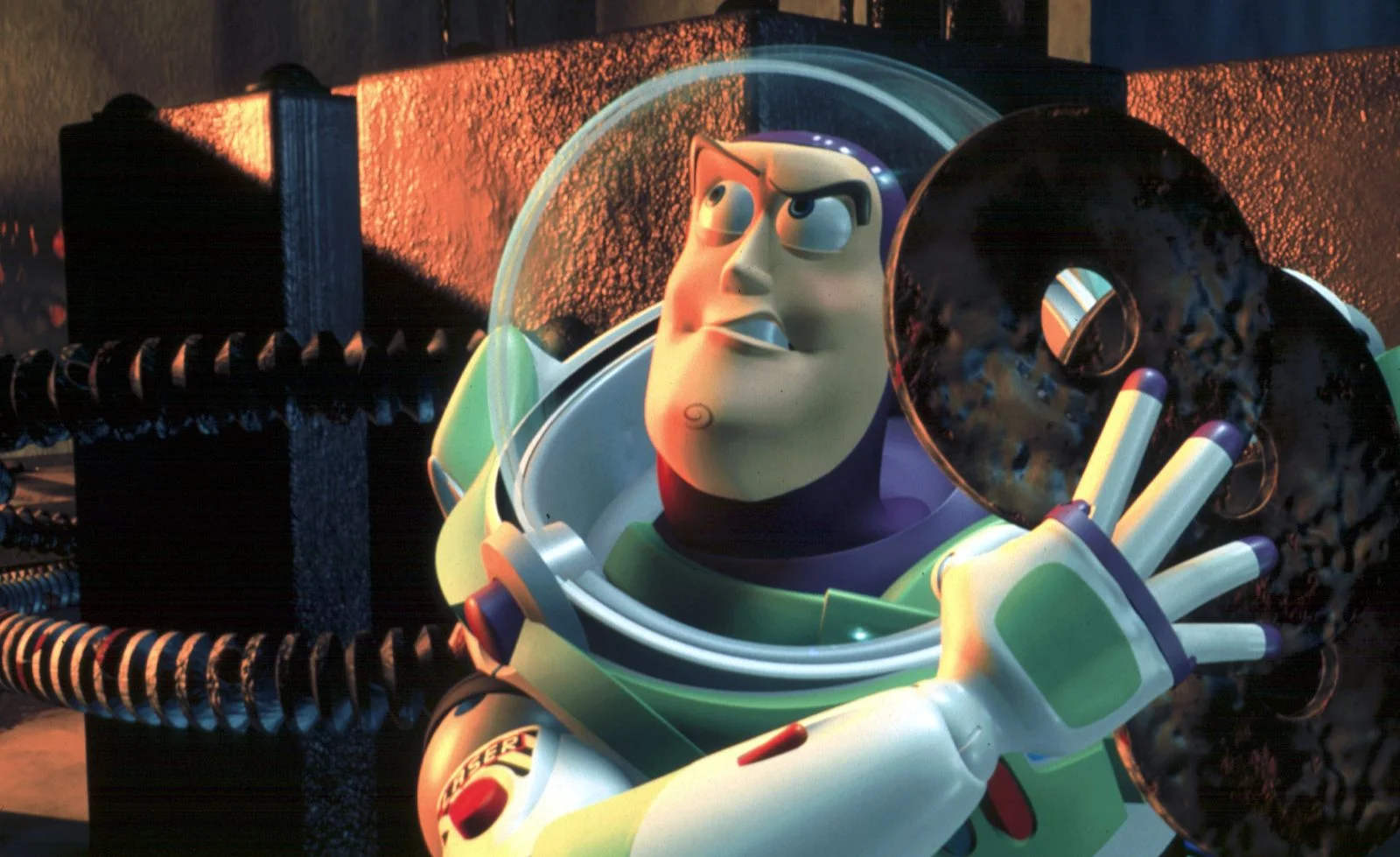
I had misremembered this movie as the one whose perfect 100% Rotten Tomatoes aggregation the famously contrarian critic Armond White caught flak for “ruining” , but of course, no, that was Toy Story 3, released in 2010; Rotten Tomatoes controversies did not exist in 1999. Armond White was, in fact, over the moon about Toy Story 2, as was I; I saw it five times in the theater and it’s still my favorite Pixar movie. And whatever his faults as a critic—more syntactical and later ideological, by my reckoning, than the trivial matter of what he likes and dislikes—you have to admit, White won a minor victory with his thumbs-down for the third film: It’s not on this Top 25, is it?
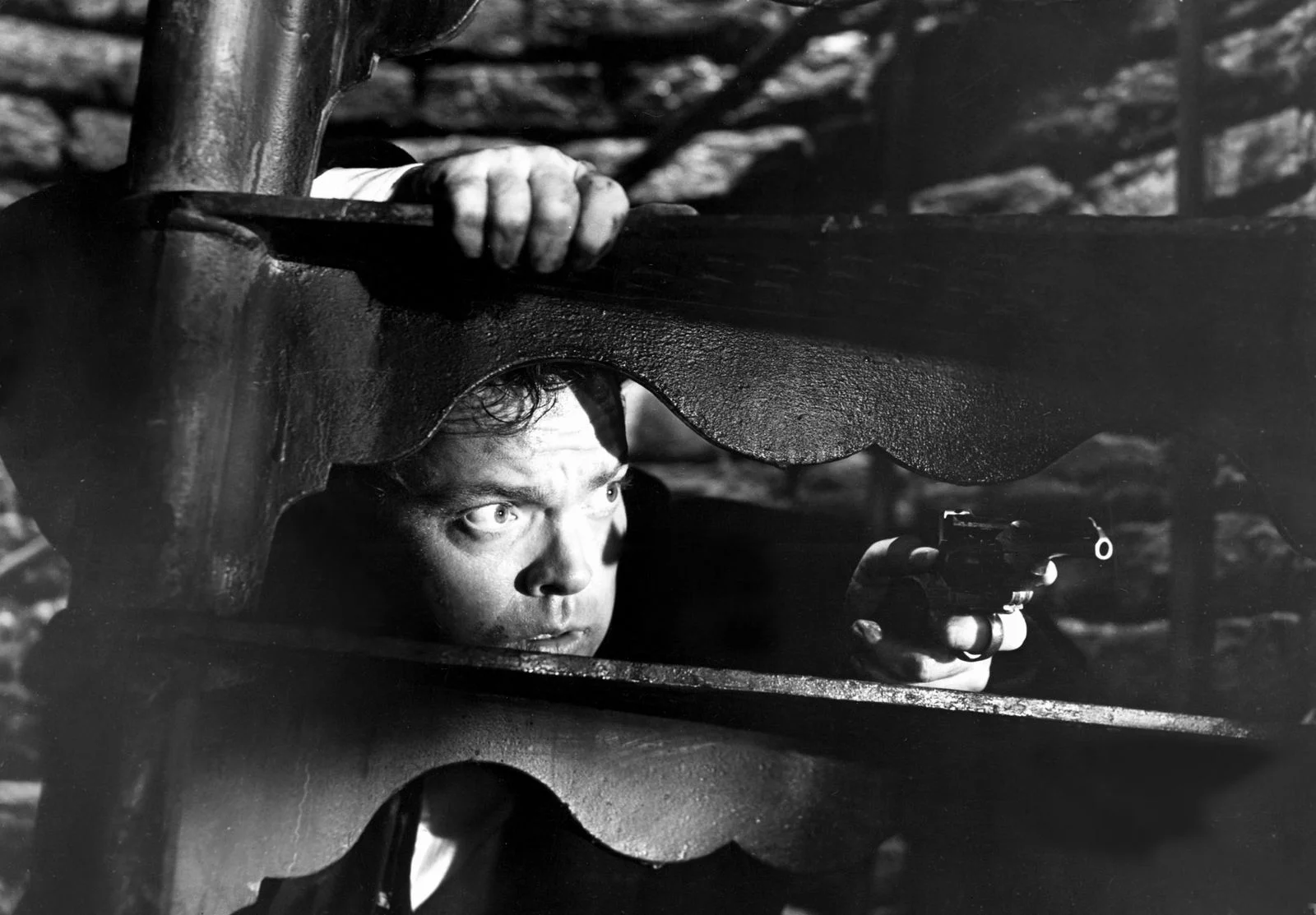
Here’s perhaps one of the most instructive differences between the IMDB list and the Rotten Tomatoes one: The upper reaches of the former is chockablock with modern noir-influenced titles like Seven, The Dark Knight, Inception, Pulp Fiction, The Matrix, Fight Club, The Departed, The Usual Suspects… seeing a pattern there? Recent history’s neo-noir quickly becomes tomorrow’s bro-poster stereotype (and no shade; I like almost all of the aforementioned movies). The Rotten Tomatoes list, however, goes straight to the source with an actual 1940s noir, considered by many the best of the lot: The Third Man, Carol Reed’s Vienna-set mystery with German expressionist shadows and a memorable zither-heavy score. Though there’s certainly an authentic sense of despair in plenty of modern noir-influenced bro faves, there’s something more immediate and hardscrabble, while simultaneously more stylized and dreamlike, about the genuine article. That’s especially true of The Third Man, which evokes postwar moral murk with a visual sensibility that looks nothing like our world, distilled into dark, beautiful black-and-white.
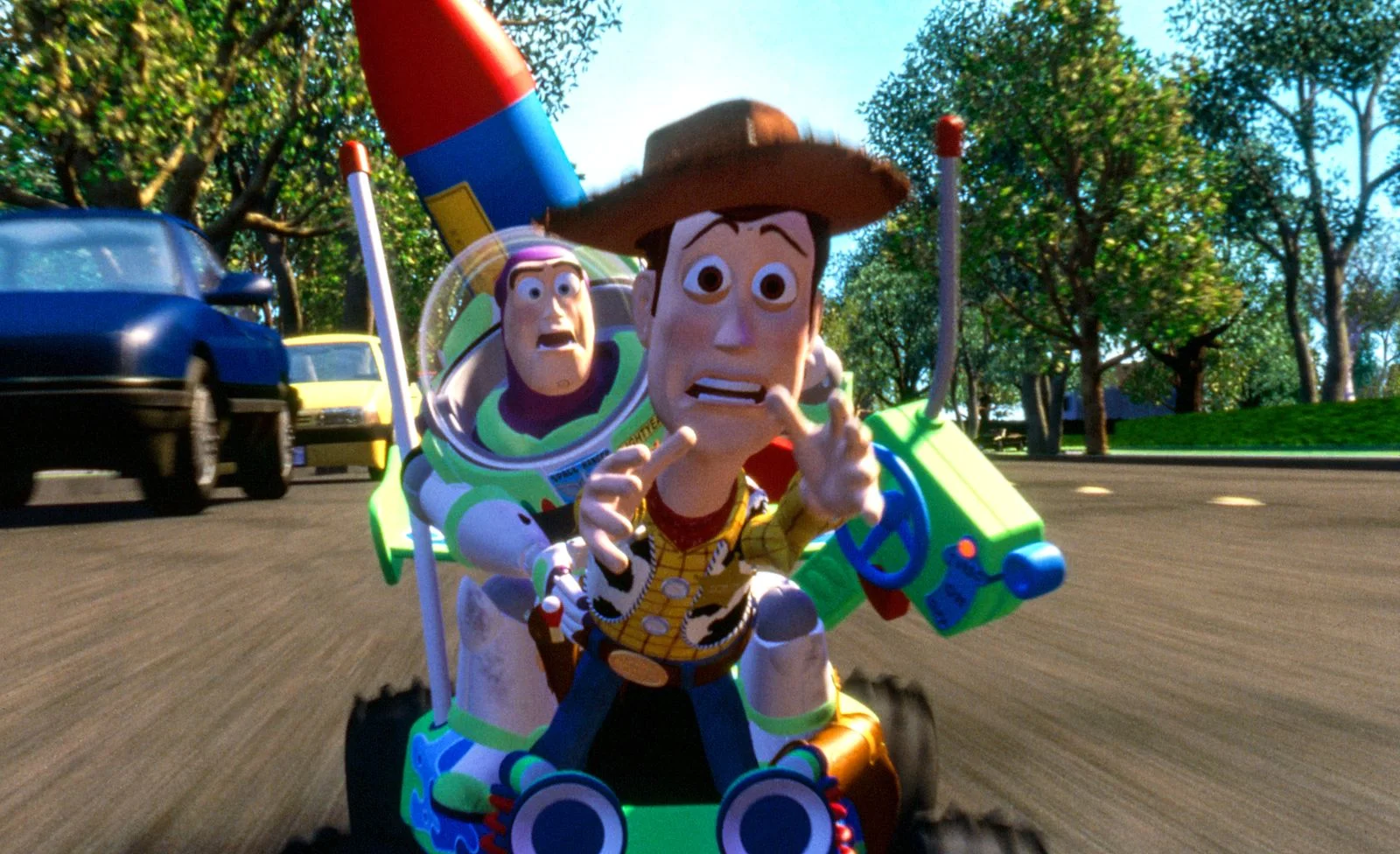
Bit of first-album syndrome informs the high placement of Toy Story on so many lists, if you ask me, but at the same time, it’s not an easy movie to argue against. This is the Snow White and the Seven Dwarfs of the late 20th century, and honestly, it’s a way easier sit than Snow White, too. (I know: Snow White is really catching some strays in this write-up.)
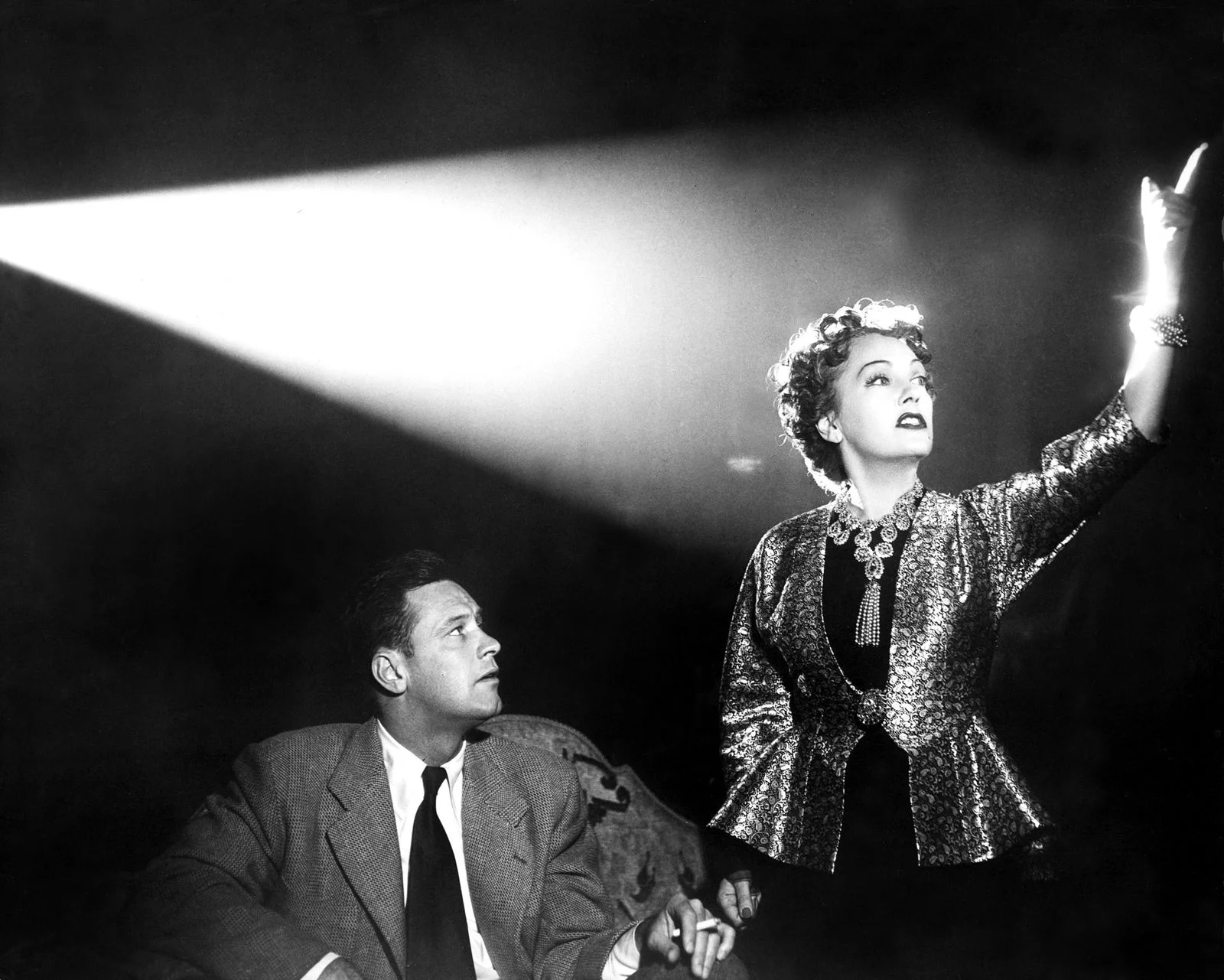
It must be the meta-Hollywood business that keeps Sunset Boulevard floating above the iconic likes of Some Like It Hot (Marilyn; ahead-of-its-time ending), Double Indemnity (Stanwyck; everyone’s first noir), or The Apartment (just the damn best) in terms of Billy Wilder titles making a list like this. Nothing against Sunset Boulevard, but I would venture that it’s the movie among Wilder’s most famous titles that feels most preceded by its reputation, and may have the least surprise to offer to the audience who knows the lines and outlines without having seen the full picture. That’s not the movie’s fault; if anything, it’s the most prescient of the aforementioned Wilder movies; it’s just that this also means so many of us are already so familiar with the fate of various Movie Stars That Time Forgot that Gloria Swanson’s Norma Desmond seems to having, if anything, a pretty normal reaction to her Miss Havisham-y fate. In other words, it really is the pictures that got small.
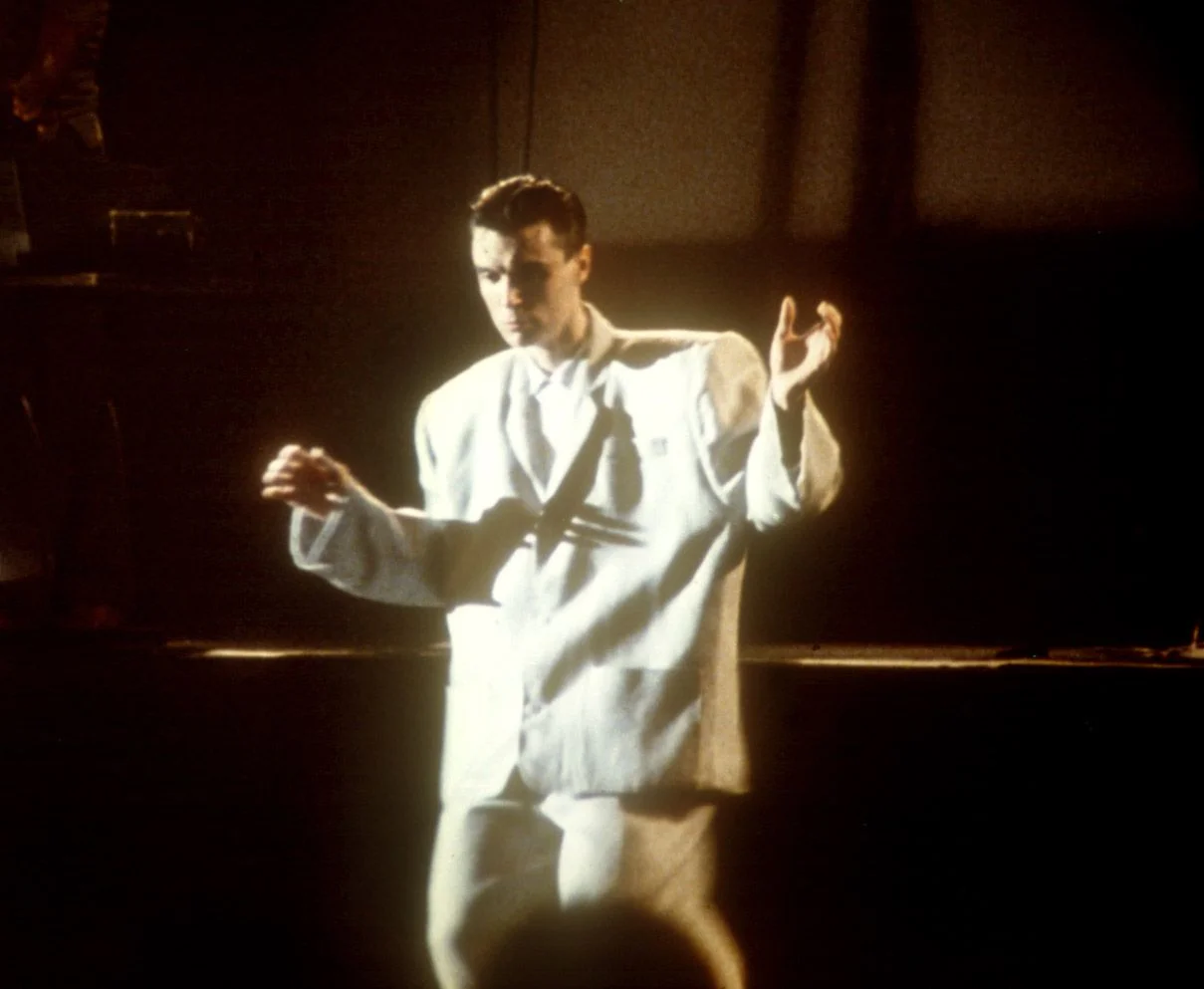
Here’s an interesting juxtaposition: The movie musical that basically no one dislikes—present company included; it’s just about perfect, give or take a “Moses Supposes”—just a notch ahead of a concert movie featuring a band that almost no one in music circles dislikes, but one that doesn’t seem like such surefire catnip for movie nerds (much less a candidate for the only movie in the top 25 from the 1980s!). Maybe that’s the Jonathan Demme factor at work, or a voting bloc of viewers who've experienced it in theaters. Much as I’d like to think that Stop Making Sense is universally beloved, it seems like such a specialized title to crack the top 20; its grosses, while respectable for a concert film, are among the smallest here. But then I think about seeing it in college where people were literally dancing in the aisles, and it starts to make, well, you get it.

Only seven of these 25 movies are Best Picture winners. But all seven are among the top 13; call them The Undeniables. One Battle After Another may yet join their ranks, but for now (and maybe, given its twistier sense of surprise, for always) Parasite stands as the token 21st century choice as the Oscar winner that’s not going to start many arguments about worthiness (this despite the fact that its 2019 nominee competition, including Once Upon a Time in Hollywood, Marriage Story, and The Irishman, is about as stiff as you can find in the modern era). Bong Joon Ho’s thriller is one of his least fantastical and most audacious in its zig-zagging from semi-comic con artist caper to class-warefare satire to tragedy.
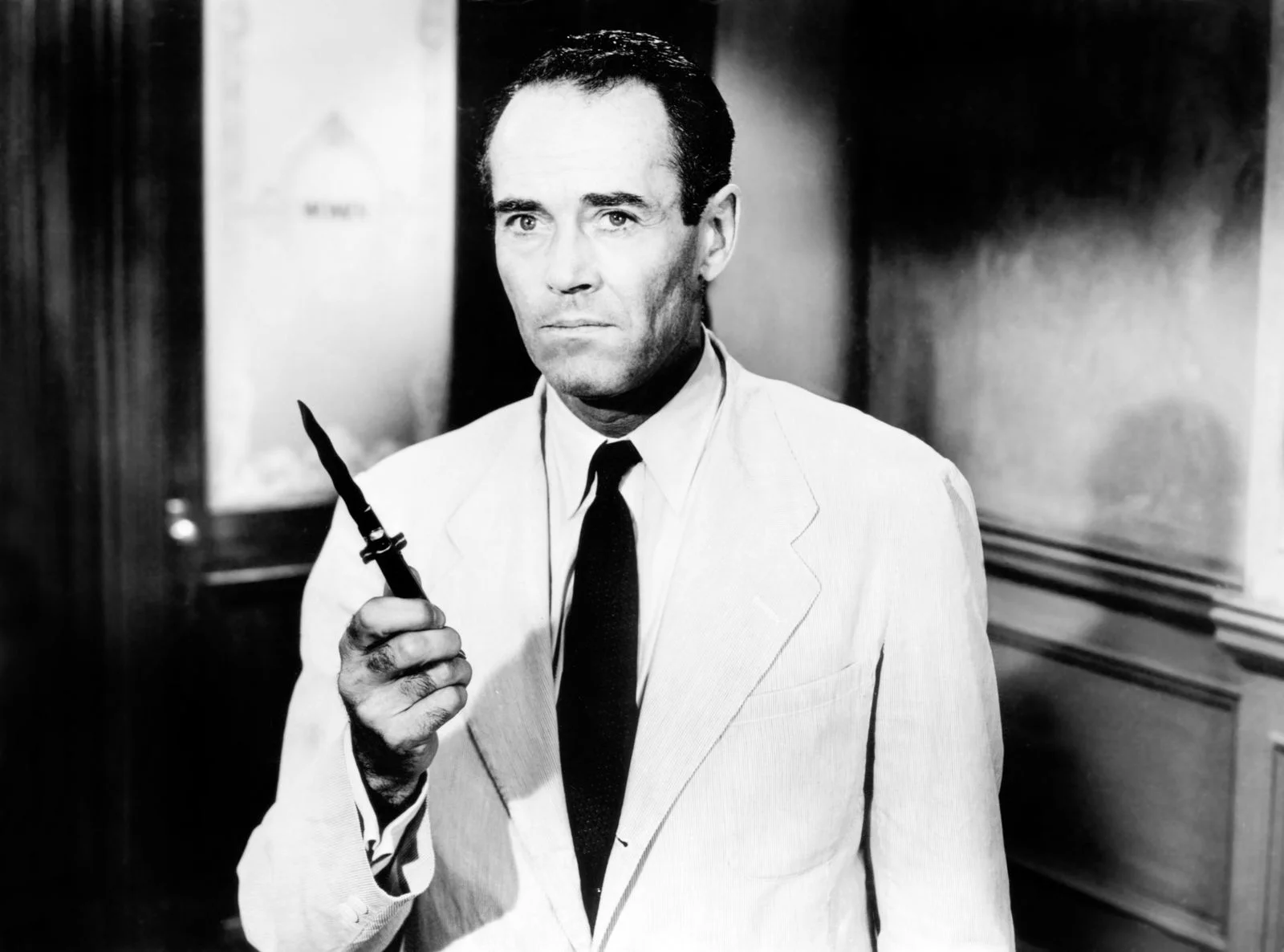
Or, “Girls and Boys”; almost every best-movies list broad enough for these movies to qualify includes both of them; they feel unintentionally complementary despite their obvious differences. It’s the theater-set drama All About Eve that feels more directly influential of the two; while neither backstage backstabbing nor jury-room grappling have been done substantially better in American cinema, Eve seems, for whatever reason, friendlier to riffs and ripoffs than 12 Angry Men, maybe because locking a bunch of character actors (and one star repping fairness and decency, here Henry Fonda) will feel too much like a straight-up remake. It might seem gendered that the “girl” movie here pits an aging actress (Bette Davis) against a conniving would-be ingénue (Anne Baxter). But honestly, there’s plenty of cattiness in 12 Angry Men, too, as well as childish grousing, thought-experiment grandstanding, and ugly racism. The movie is also a little easier to pick apart (why don’t Fonda’s arguments about reasonable doubt ever bring up doubts over the murder’s supposed premeditation, which seems like the prosecution’s shakiest assertion by far?!). There’s also a certain symmetry that All About Eve is a richly cinematic movie about the theater world, while 12 Angry Men has a play-like containment despite the fact that it’s not technically based on a play, but a TV episode. Both movies somehow manage to feel both pre-television and universal enough to extend into archetypes of today.
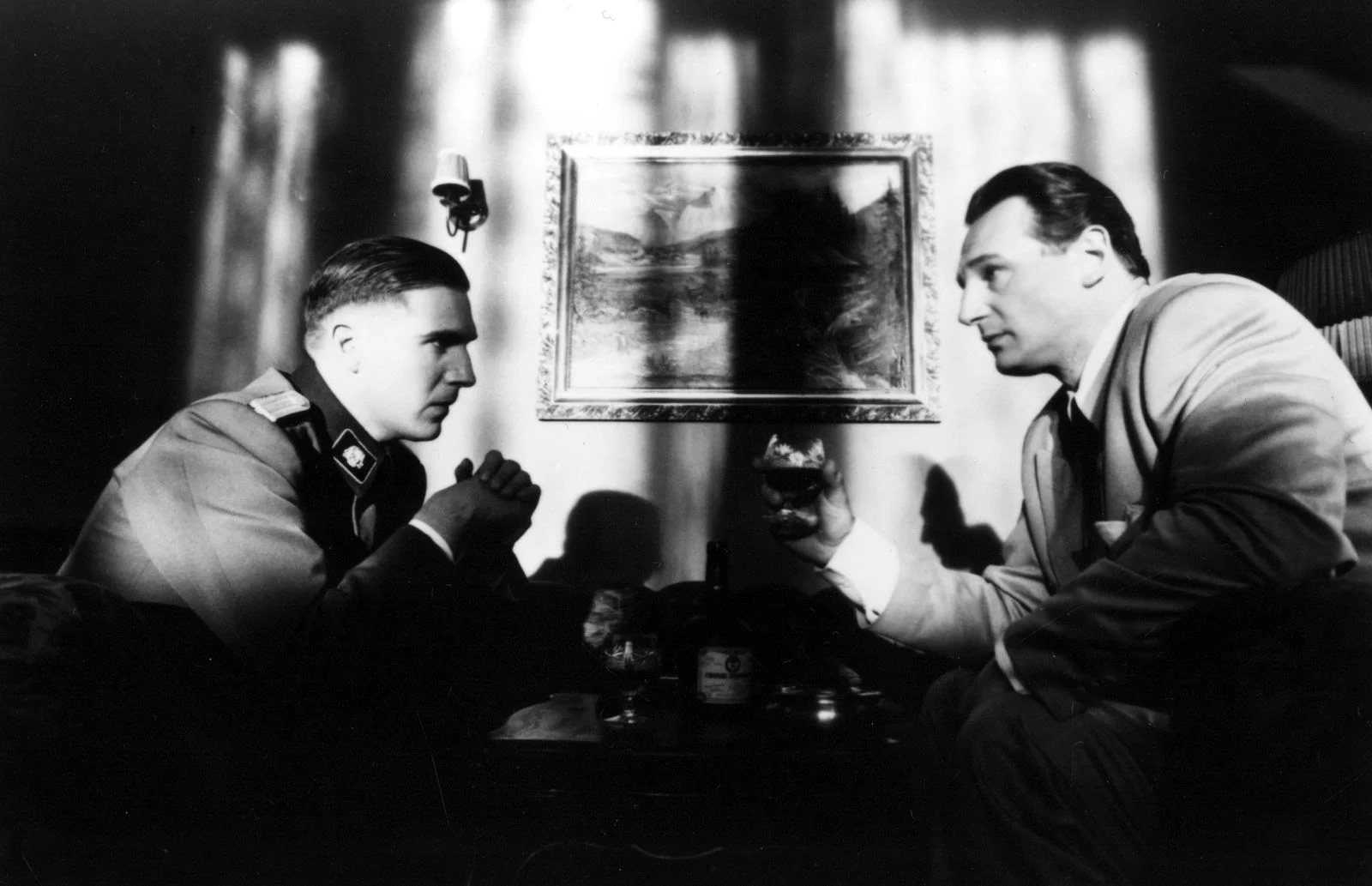
I assumed E.T. wasn’t on this list because while it was certainly well-reviewed at the time, if Rotten Tomatoes was all that careful about collecting contemporaneous reviews, surely it would mean a movie like E.T.—released when Spielberg was generally less venerated by the critical community than he is now—might still turn out to have a surprisingly “low” score (meaning, like, closer to 90% than 100%). But whether RT just doesn’t aggregate older reviews that well (they don’t) or anti-E.T. sentiment just isn’t that easy to track down (also possible), that’s not the case; E.T. actually has a slightly higher RT number than Schindler’s List. (It’s Raiders of the Lost Ark that “only” gets to 94% with the critics.) Where it misses this list—entirely! It’s not on the RT 300 at all, while Raiders makes it into the top 200—is on its “audience” score, which is somehow hovering in the low 70s. You know, just in case anyone ever tries to cite that dubious popcornmeter number: Keep in mind that E.T., the most beloved American movie of its era, flukes its way to a three-quarters approval rating. Which takes nothing away from Schindler’s List, of course; it ever-so-slightly outranks E.T. and Raiders on our supremely unbiased charts, too.

This can't just be the One Battle After Another bump, is it? (Probably not; that movie doesn’t make the longer RT list.) The only European film in the top 25 is this Italian neorealist take on the war movie, with the North Africans of Algeria taking on the French army, all shot in a black-and-white documentary style. (Yes, it’s the movie Leonardo DiCaprio’s character is blazing up to watch in One Battle.) It also has the distinction of being nominated for Oscars in multiple years: It was Italy’s 1966 submission for Best Foreign Language Film, resulting in a nomination, and then later garnered nominations for writing and directing for 1968, following its actual release in the U.S. Currently it’s #244 on the IMDB list. In years past, I’d expect One Battle After Another to overtake it shortly; that might yet happen, but it feels like even movie-watching has become too polarized for seeming phenoms (and slam-dunk entertainment) like One Battle or Sinners to make IMDB inroads without the kind of preceding reputation that Algiers enjoys. The only 2025 title currently climbing the IMDB charts? Seemingly inoffensive English biopic I Swear.
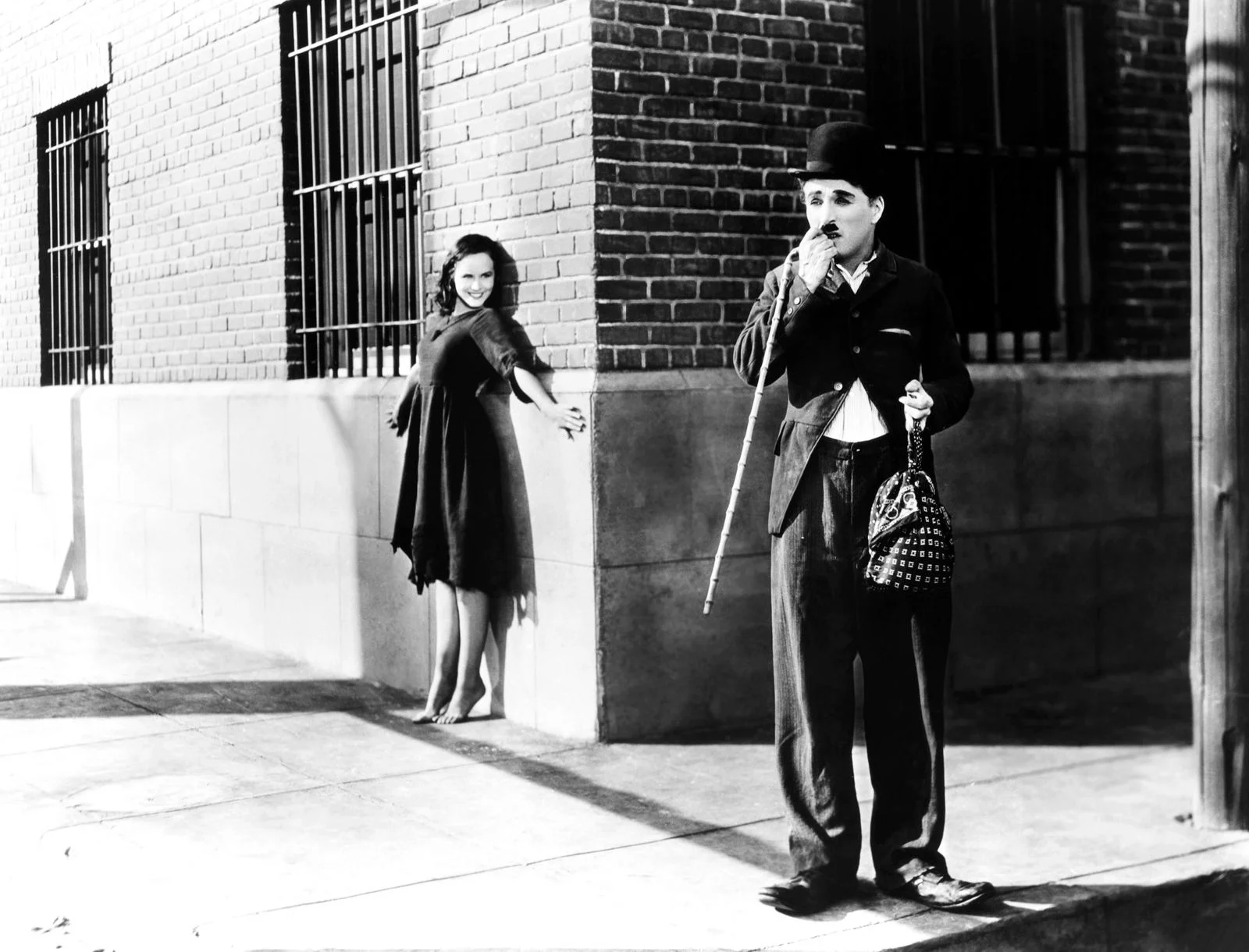
Oddly, the list’s one silent movie post-dates the emergence of synchronized dialogue by almost a decade, and, in fact, contains some synchronized dialogue and sound effects of its own. But Charlie Chaplin himself, who wrote, directed, and scored Modern Times in addition to starring in it, kept his signature Little Tramp quiet for the character’s swan song. This should seem bizarre: A thoroughly 1930s production that nonetheless throws back to an even earlier era for a last hurrah of silent comedy (while not reading as decades-later retro as, say, the Mel Brooks production Silent Movie). Yet it’s remarkable how easily and gracefully Chaplin maintains those constraints, in a series of misadventures that bring the character up to, well, see the title, still applicable today. In one of the film’s most famous images, the Tramp is literally consumed by the gears of capitalist machinery; in a running gag, his running afoul of nightmarish working conditions sends him into the prison system instead. Workers of all stripes should relate to the comic horror of the scene where an assembly-line conflict keeps getting interrupted by the workers’ compulsory need to keep the damn system moving.
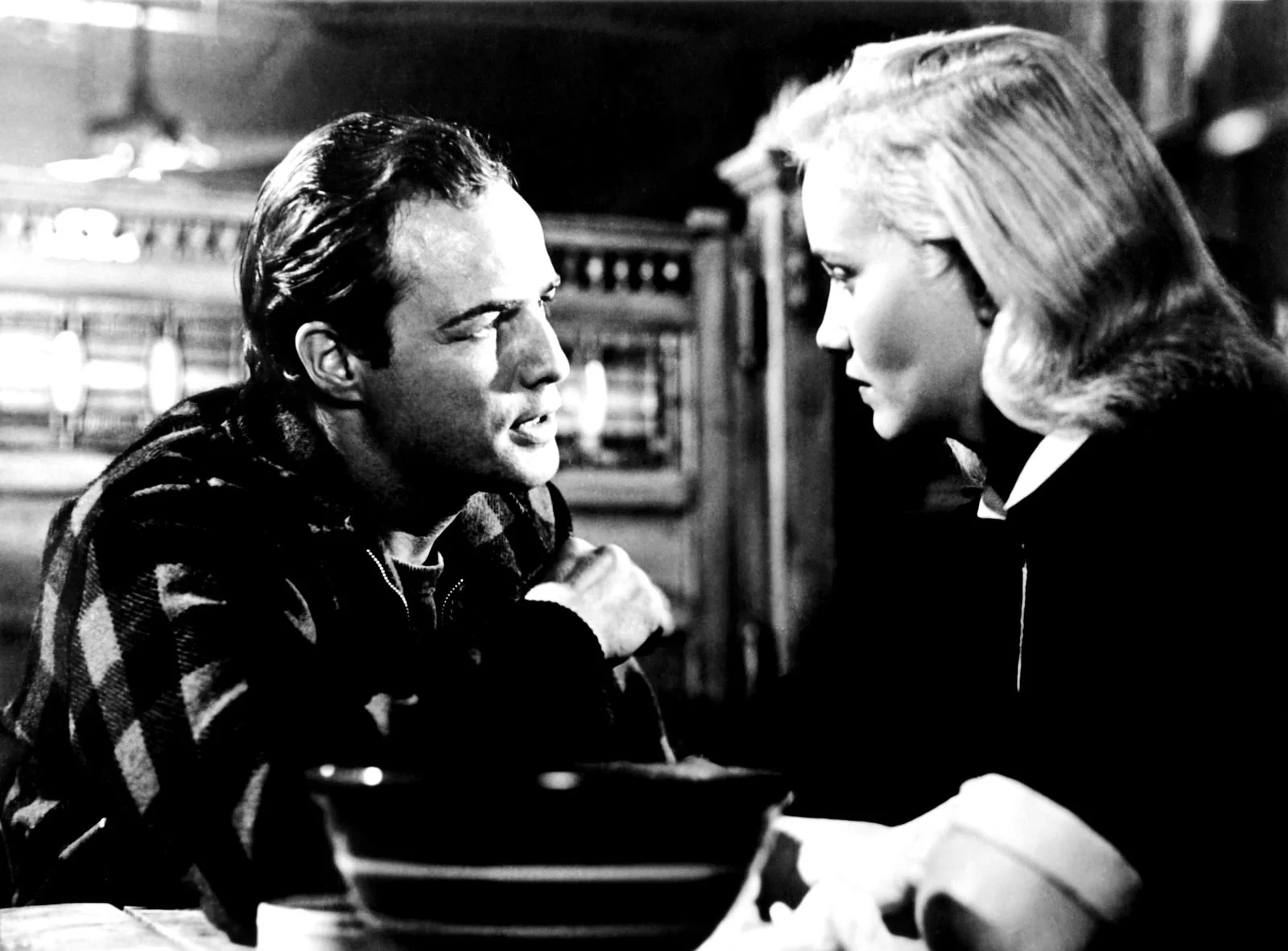
Problematic faves unite, 20 years apart! Granted, Roman Polanski’s transgression (rape) is a more clear-cut violation than Elia Kazan’s (naming names for HUAC), and there’s a whole other thing to be written about how in the same turn-of-the-21st-century era, Kazan’s honorary Oscar drew protests while no one seemed to give much of a fuss about giving Polanski a competitive Oscar (Best Director for The Pianist) a few years later. Then again, On the Waterfront, where the movie’s hero decides to heroically testify against union corruption, reads as a pretty direct apologia (not apology) for Kazan’s behavior, while Chinatown preceded Polanski’s wrongdoing. Both movies are the most-canonized films by their respective directors; I personally prefer Chinatown’s bleak noir to Waterfront’s melodrama, but then I’ve never really gotten on the wavelength of Kazan’s work, name-naming entirely aside.
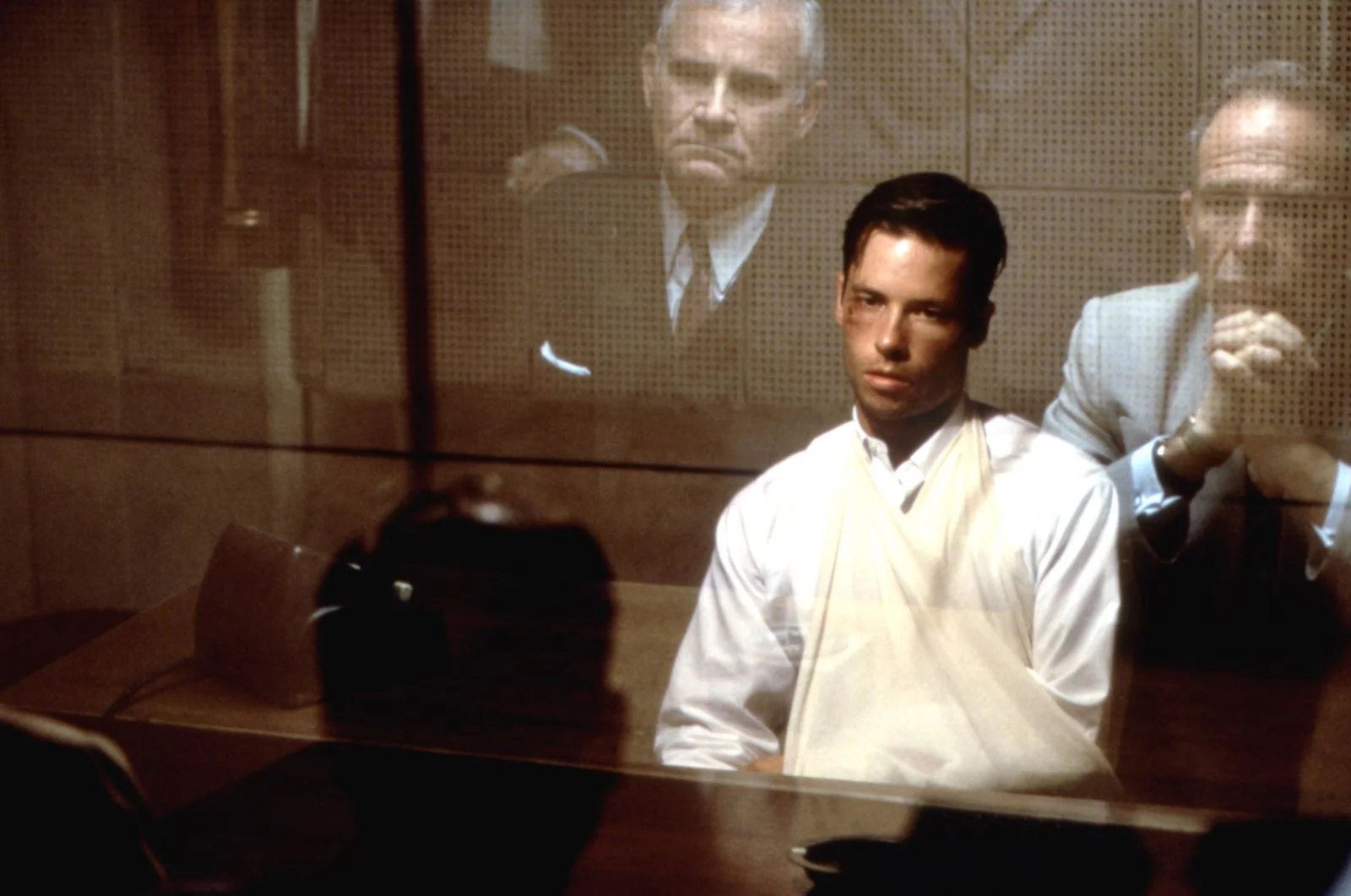
On a list where the lack of contemporary skew is, as mentioned, both notable and appreciated, it’s this now-vintage pick that strikes me as low-key the nuttiest one on here. Number five?!? For a pretty good noir pastiche with a great cast? On a list that already has Chinatown? Of course, these picks are determined numerically, rather than by jury, so there’s no opportunity to make the case that you don’t need two Toy Stories and two L.A. neo-noirs in the top 25. Even putting aside procedural hiccups, though, L.A. Confidential has always struck me as a bit more workmanlike than its sterling reputation as the cool-kid pick for 1997. Its Best Picture loss to Titanic is one of those supposed Oscar snubs that never quite convinced me; despite its runaway popularity, predictable inevitability, and complete lack of underdog/alternative cred, James Cameron’s movie is the better picture.
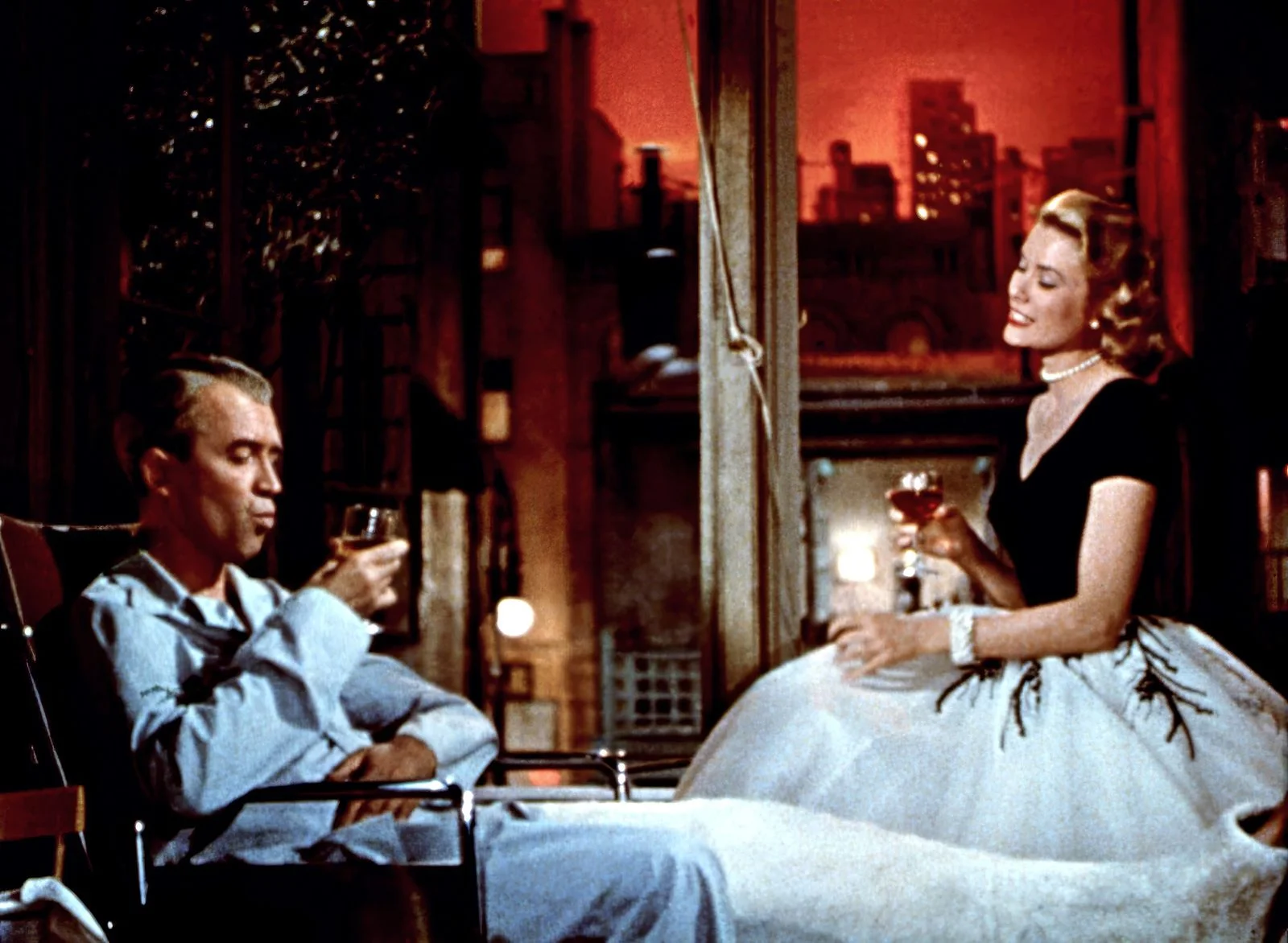
The Designated Hitchcock feels like it’s shifted repeatedly, possibly concurrently, during my lifetime, from Vertigo topping the Sight & Sound poll in 2012, to Psycho’s slasher descendants becoming more respectable (and the movie itself being the highest-placing Hitchcock on the IMDB list), to go-to offbeat choices like Shadow of a Doubt on the earlier stretch of his career and Marnie on the later end. So it’s a neat surprise that Rear Window triumphs on this list; it does have a case for Hitchcock’s canniest fusion of the psychological (the tableaux of neighborhood voyeurism that drives the story; the use of good guy James Stewart to depict seamier urges), the logistical (limited locations and limited mobility!), and the just plain fun. If Vertigo and Psycho offer disturbing, brilliant extremes of behavior, it’s also easy enough to place yourself out of their situations as someone who would personally never become fixated on the image of a dead woman or get mixed up with someone who is after stealing a bunch of money and fleeing. (Keep telling yourself that!) But we’ve all people-watched before, whether harmless or compulsive. Rear Window brings that Hitchcockian menace home better than almost anything.
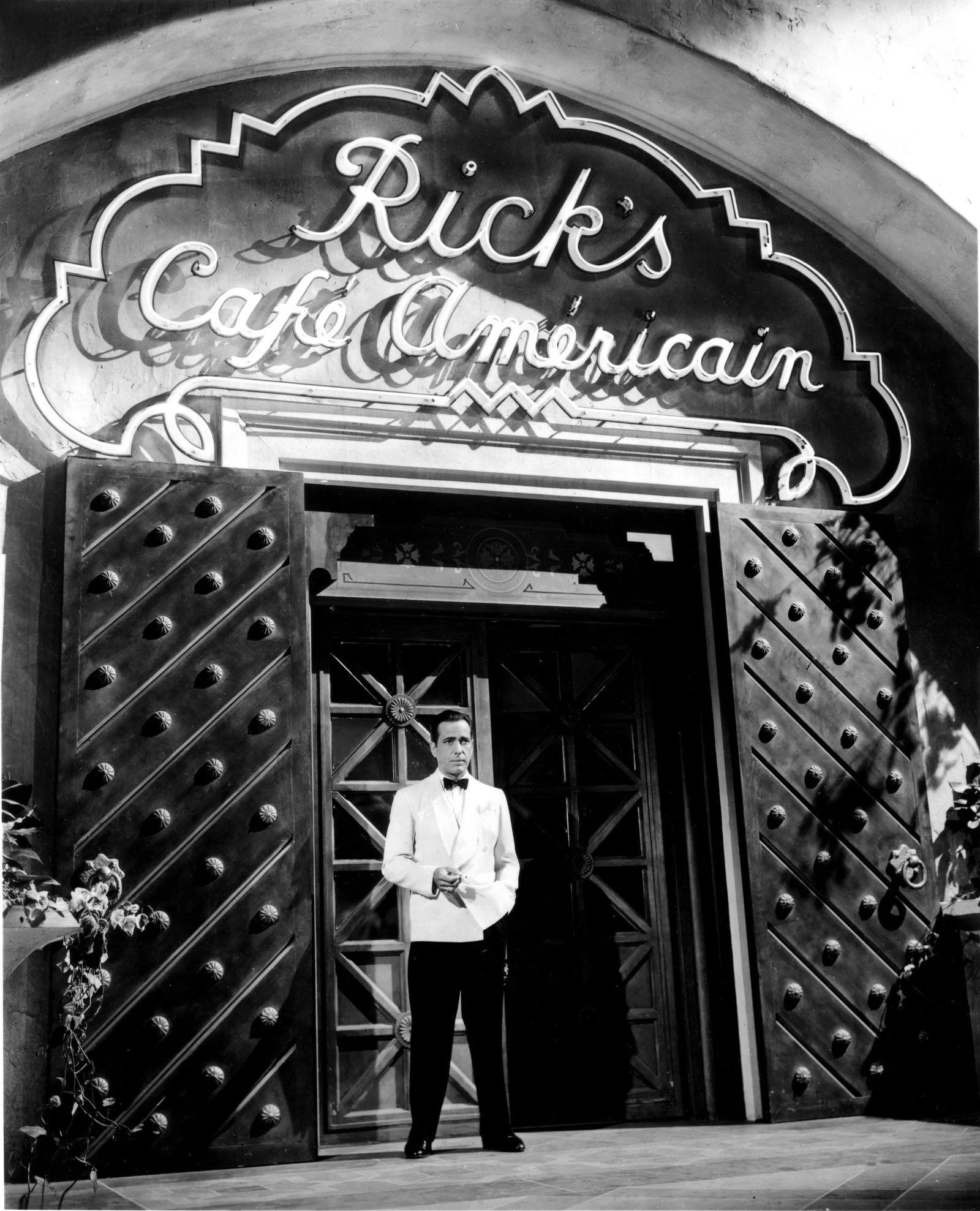
For whatever reason, probably the proximity with which I first saw them and/or their relatively close release dates, I picture Casablanca and Citizen Kane in an eternal pitched battle for mainstream-cinema supremacy, the crowdpleasing Best Picture-winning hit versus the equally entertaining but brainier product of the ultimate wunderkind auteur. One ticks a number of genre boxes (Romance! Drama! War! Even plenty of music for a non-musical!) and is widely quoted and, the surest sign of a classic, even more widely misquoted; the other highly influential in style and hard to imitate in structure. On these lists that incorporate the will of the people (or at least the online ones), Casablanca almost always triumphs, which makes sense if you think of it as a semi-nonsensical head to head but seems weird when you start thinking about other titles: Do more people really watch and love All About Eve and The Third Man than Citizen Kane? (They’re all great; I’m just asking.)
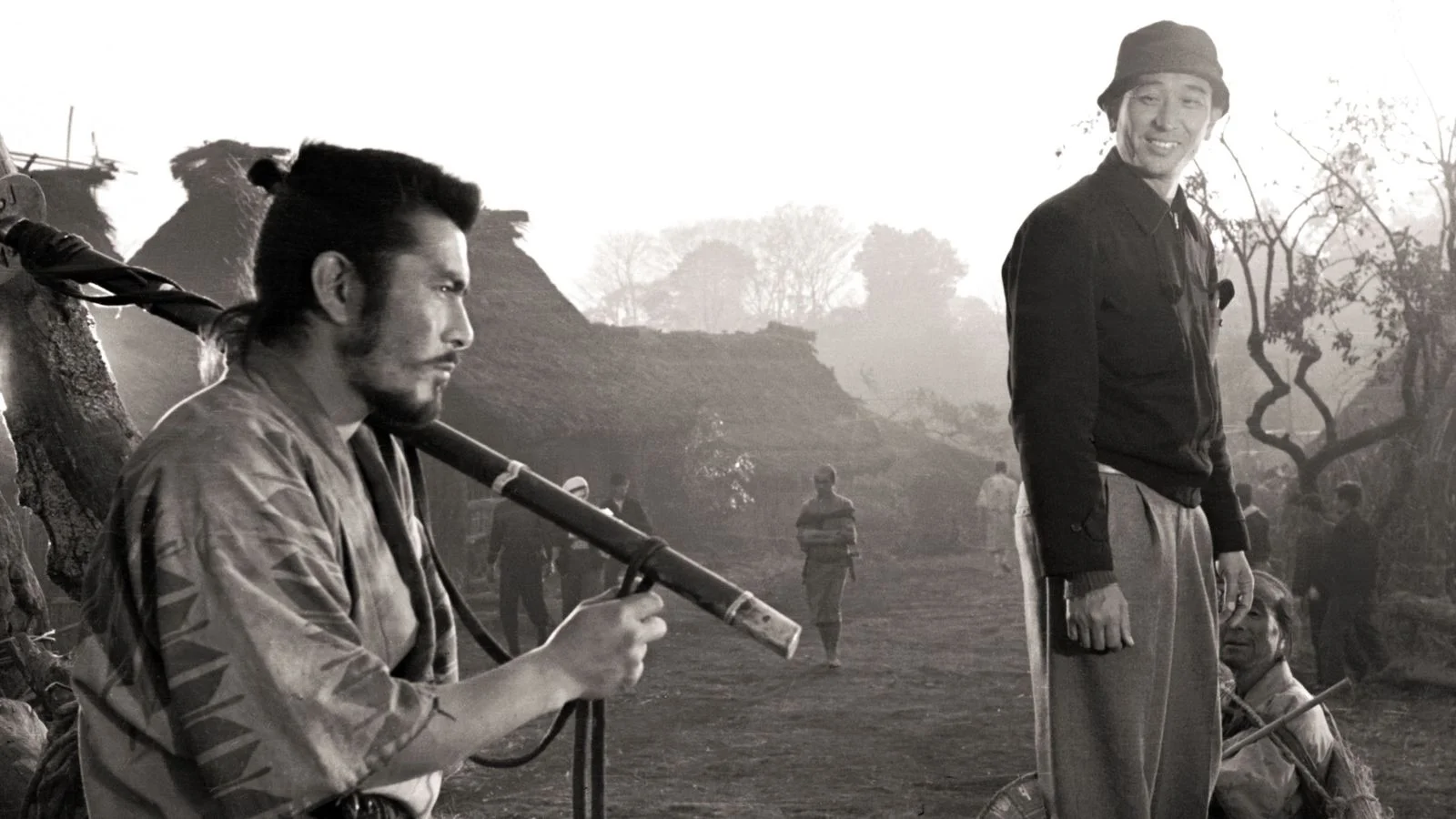
Interesting that three of the four foreign-language titles on the Rotten Tomatoes list hail from Asia; two are the newest of the 25, while this one is from 1954 – also the most-represented year on the list, incidentally, with Kurosawa joining Hitchcock and Kazan, while also bolstering the 1950s with its easy decade triumph of 7 out of 25 movies. Anyway, probably no surprise that a Japanese classic directly remade as an American one (The Magnificent Seven) and repurposed for multiple beloved spoofs (Three Amigos!; A Bug’s Life) would have the extra staying power to push it above not just other Kurowasa titles. Not to get corny, but the way the three-and-a-half-hour, 16th century-set Seven Samurai has translated so readily across oceans and time makes a pretty great case for one of those corny bromides about cinema as the universal language.
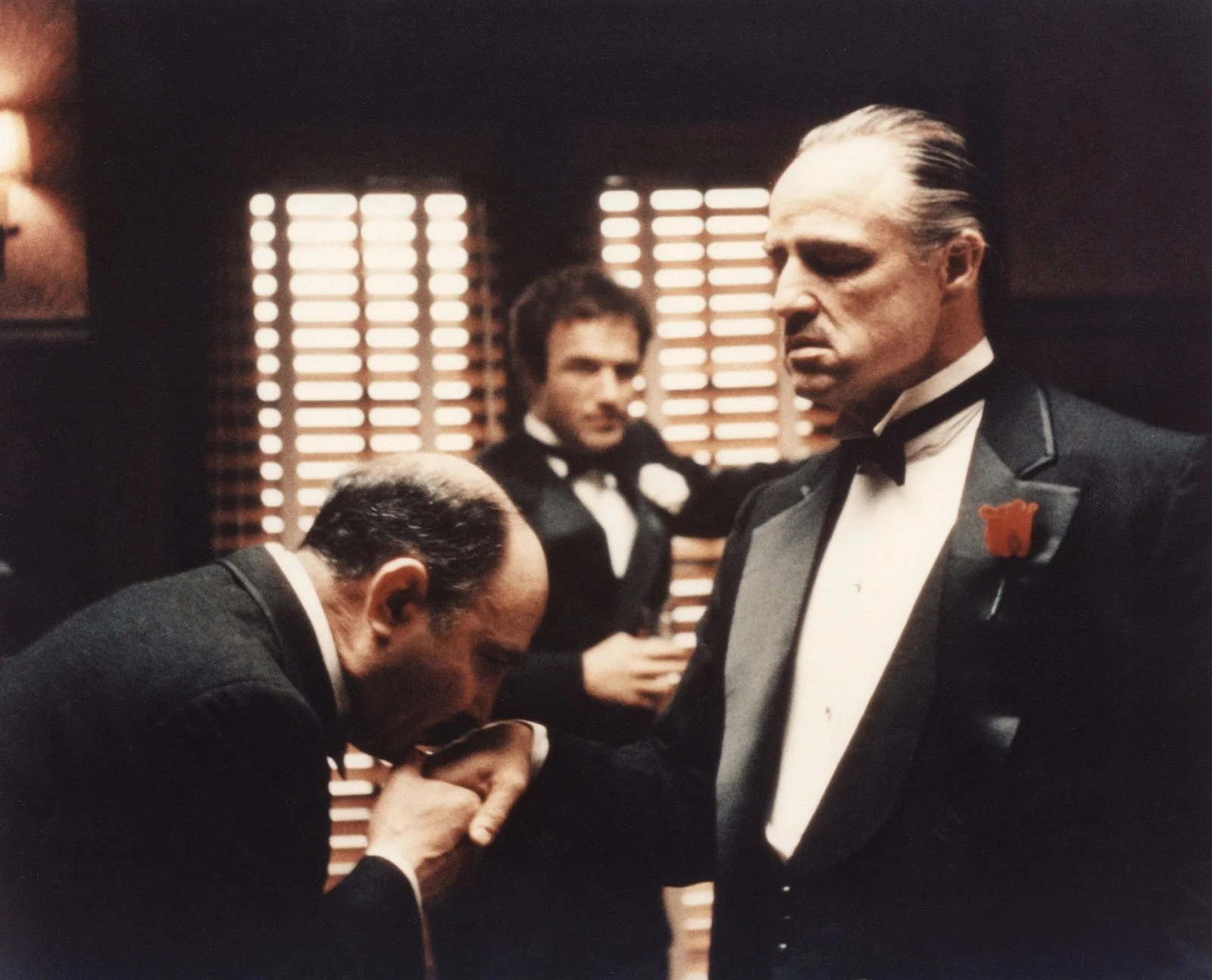
Do we tire of awarding The Godfather top spots on various lists? Evidently we do not. 30 years after Casablanca, it’s another seemingly undeniable work of Hollywood craftsmanship, to far different ends and the product of a completely different era. If anything, despite its #1 perch, the Rotten Tomatoes list is less Godfather-y than the IMDB one, where Coppola’s masterpiece takes #2, its sequel takes #4, and sandwiched between them is The Dark Knight, which is at least obliquely influenced by the overall notion of the serious, shadow-filled epic crime picture (even if Nolan’s tastes run a little more Michael Mann/Steven Spielberg than Coppola or Scorsese). Congratulations to Rotten Tomatoes—to critics and some portion of audiences, I guess – for keeping it simple and also Batman-free here. Obviously Godfather II (and Dark Knight, for that matter) are great and popular works of entertainment (and way better than How to Train Your Dragon, yeesh), but sometimes the genuine article is all you need.