
This is an edition of the newsletter Box + Papers, Cam Wolf’s weekly deep dive into the world of watches. Sign up here.
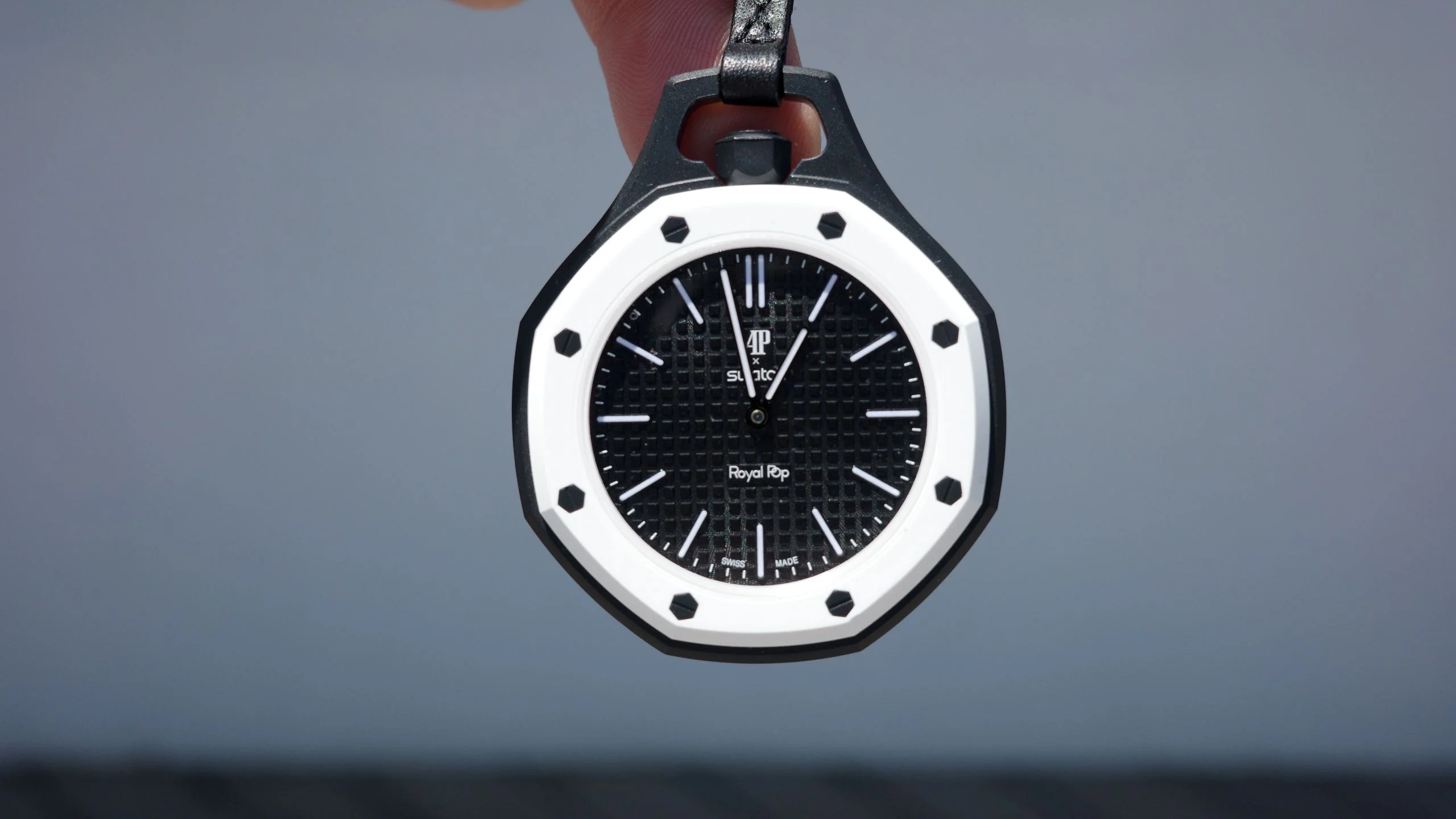
We were waiting for our smash burgers to arrive when my four-year-old asked me about the new watch cinched onto the belt loop of my pants. Given the carousel of excellent timepieces that come in and out of my house for test drives, these sorts of questions are a frequent occurrence, and I’ll often try and get him interested in a bright dial or clicky chronograph function. This usually ends with a polite, “I like your new watch, dada.” But the Swatch x Audemars Piguet Royal Pop incited a much deeper response from my son.
Sitting at the table, I flipped my black-and-white “Ocho Negro” version over to show my son the caseback. Unlike most other watches that retail for $400, the Royal Pop’s rear is openworked to reveal the mechanical movement. An impromptu lesson on how watches function commenced as we waited for our food. This moment with my son gave me a whole new appreciation for the mega-hyped collaboration: Were these sorts of heartwarming Timepiece 101 chats what AP and Swatch had in mind all along?
My son looked on as I pointed out the barrel, the small circular tin that contains the mainspring, which is the power source for every mechanical watch. The Royal Pop’s caseback goes to great lengths to show you every possible function, including a series of small holes in the barrel that allow you to see the spring inside. While a visible mainspring isn’t totally unique among openworked watches, it’s typically only seen on much, much pricier options, like the $28,500 Bulgari Octo Finissimo or Cartier’s skeletonized $33,500 Santos. (The most affordable version I could find is Rado’s $4,600 Anatom Skeleton.)
Looking down at the watch, I felt the impact of Audemars Piguet and Swatch’s smart tweak to the typical engine inside the former’s watches. The Royal Pop purposefully lacks a rotor, the small flat weight that spins inside and powers an automatic movement. Prior to the Royal Pop, every mechanical Swatch was automatic. But the movements inside the collaborative pocket watches are manual, so I had to wind mine regularly to make it tick. And today, at some point before we arrived at the burger joint, the watch ran out of power. Luckily, the dead Royal Pop was perfect for my demonstration.
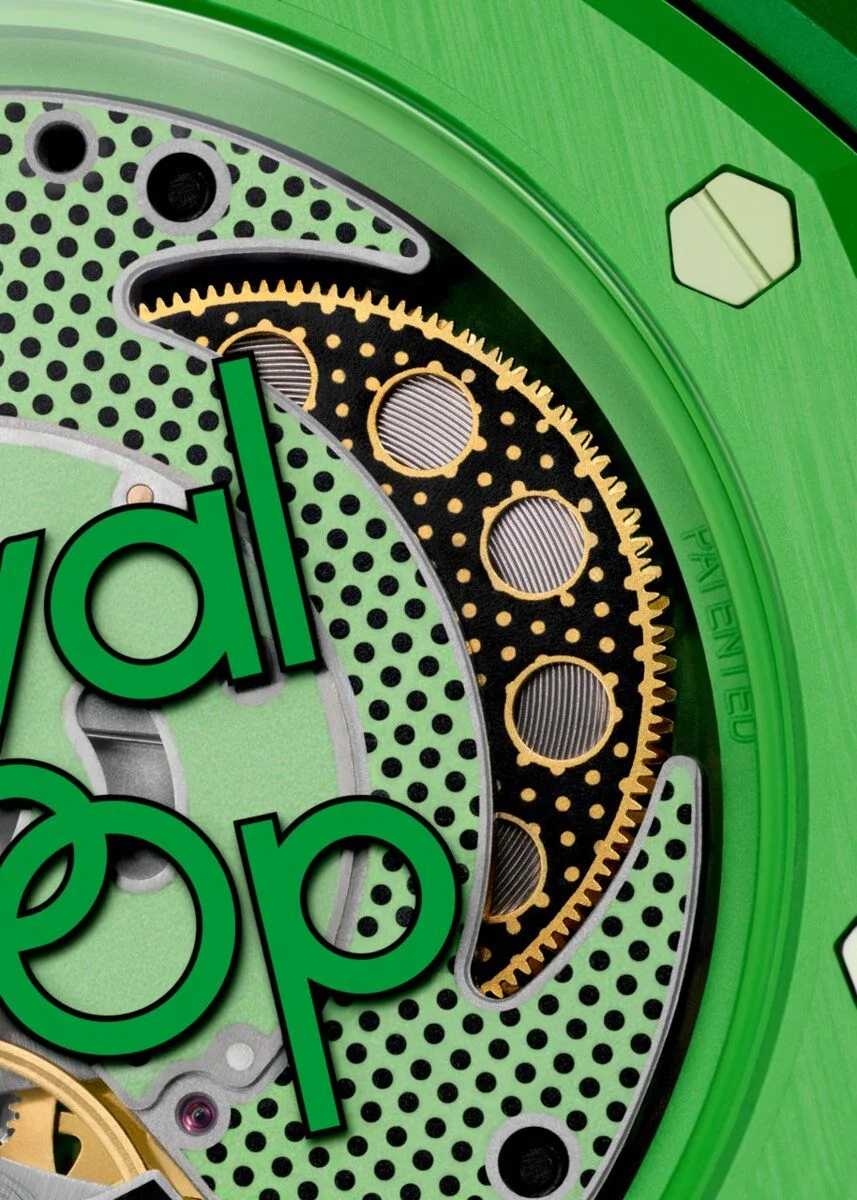
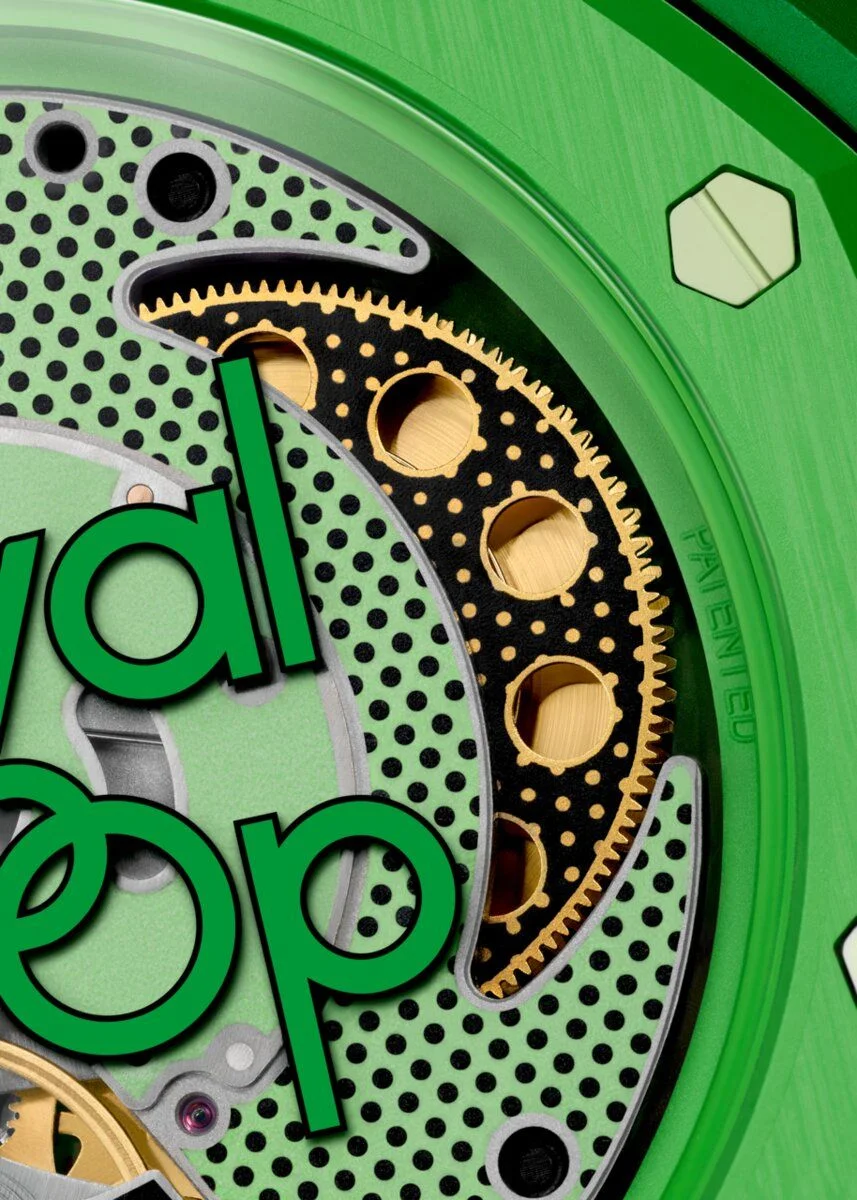
I pointed out the spring, which was completely uncoiled inside its barrel. As I turned the crown, the mechanism started to slowly tighten. Suddenly, the watch came to life and the golden balance wheel began to hypnotically rock back and forth. I explained to my son how the now-activated spring was like a charged battery delivering power through the watch’s many gears before starting up the balance wheel. It’s a rudimentary lesson on watchmaking, and it’s hard to say how much of it my four-year-old retained, but for those few minutes, he was genuinely captivated by a watch for the first time in his life.
By any measure, the Royal Pop is the most popular watch release of the year. Masses of people lined up around the world for its release; in many cities, Swatch employees were forced to shut down stores because of the pandemonium. “Our website received more than 10 times the visitors that we have in a year in only one day,” Ilaria Resta, Audemars Piguet’s CEO, said in a Bloomberg Television interview. Secondary sales topped $6,500 for a single piece in the days immediately following the release. And for many of the lucky people who got a Royal Pop during the initial drop, this might be the first manual-wind watch they’ve ever encountered.
Even if you bought the Royal Pop simply to hook onto a purse, reinforcing its status as an AP Labubu, you have to wind the movement by hand to get it to work. “For us, it was important to put a mechanical watch in the hands of people who have never used a mechanical watch,” Resta said in the Bloomberg interview. “We would love to see the crown being used to wind the watch—it’s a manual movement…so they need to use the crown to make sure it’s wound again. That’s an important way for us to teach the use of mechanical watches in a context where nobody needs a watch to tell the time. We need to preserve this wonderful industry.”
If the idea behind Swatch’s collaborations is to hook consumers on watches and create a generation of new collectors, I’d argue the Royal Pop is the brand’s most successful showcase for mechanical watchmaking yet.
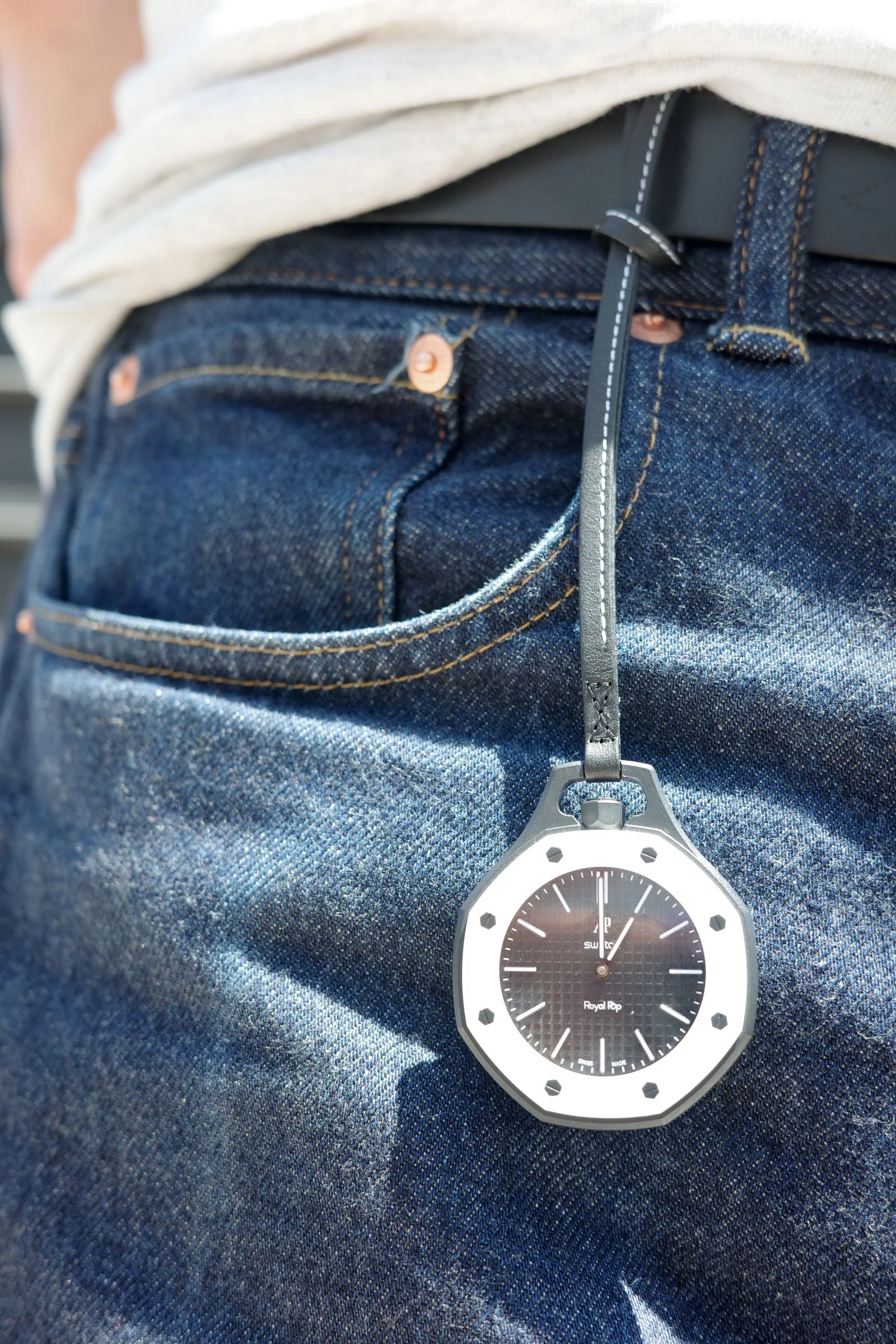
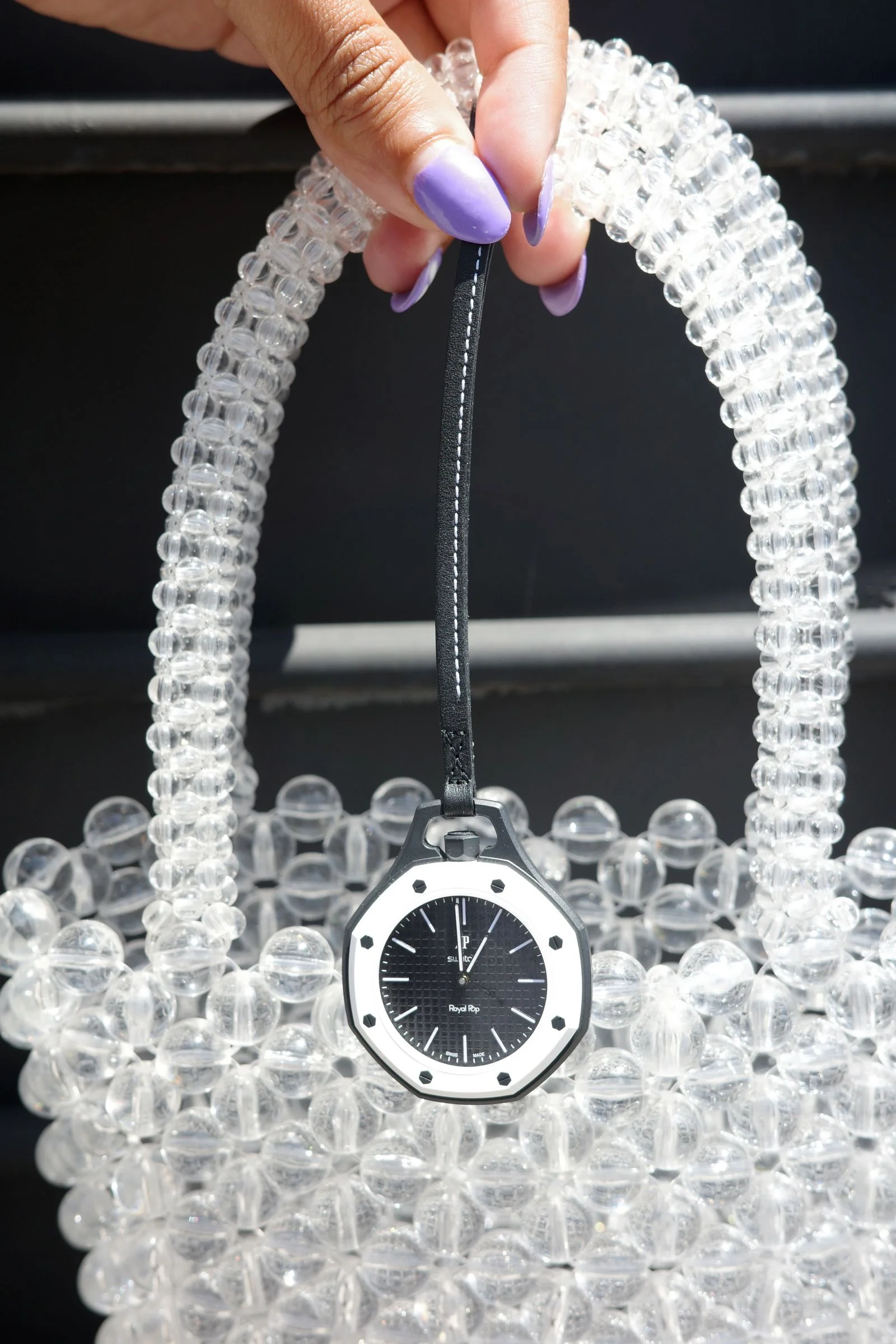
When I wasn’t going spontaneous Horological Society Lecture mode on my toddler, I enjoyed my time with the Royal Pop—though I did find it needed to be worn purposefully. The pocket watch design adds a small barrier to wear that isn’t there when you’re just throwing on a wrist watch. There’s a reason that, when you search Royal Pop on Instagram now, nearly all of the photos and videos show the watch on secondary-market wrist straps. I tied mine onto jackets and belt loops, while my wife used it to spruce up her purse. But in an industry where the highest forms of watchmaking are closed off—literally, through a solid caseback that turns its functions into a hidden magic trick—to deep-pocketed collectors, the most fun I had with the Royal Pop was spent examining what’s inside of it.
See all of our newsletters, including Box + Papers, here