Some ingredients are straightforward—take hyaluronic acid, which draws in water and keeps it in the skin. Or vitamin C, which delivers unmatched antioxidant protection against environmental stressors. Neurocosmetics, on the other hand, might be as complex as skin care gets. That’s because they encompass a host of different ingredients. For the unfamiliar, neurocosmetics are skin-care products that are “designed to interact with the communication pathways between the skin and the nervous system,” says Azideh Shirazi, MD, a board-certified dermatologist in La Jolla, California.
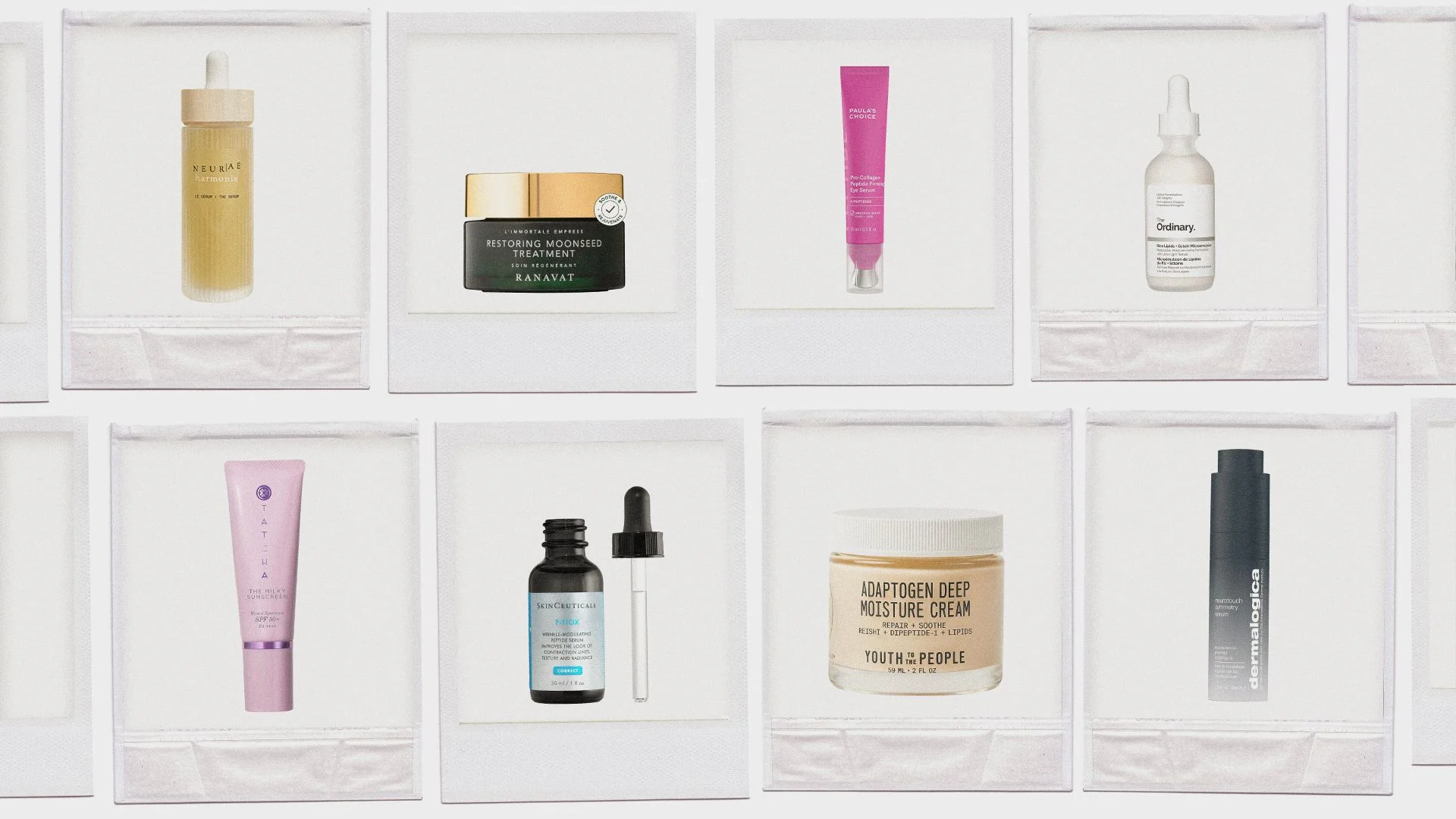
Vogue’s Favorite Neurocosmetic Skin-Care Products
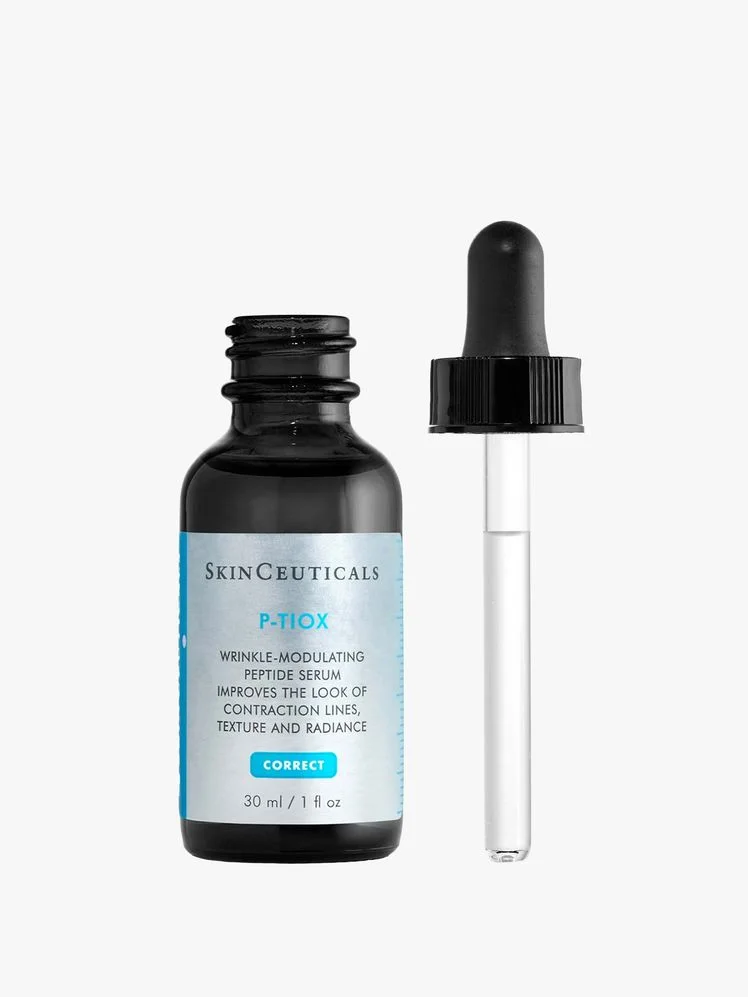
- The Peptide Serum: SkinCeuticals P-Tiox, $150
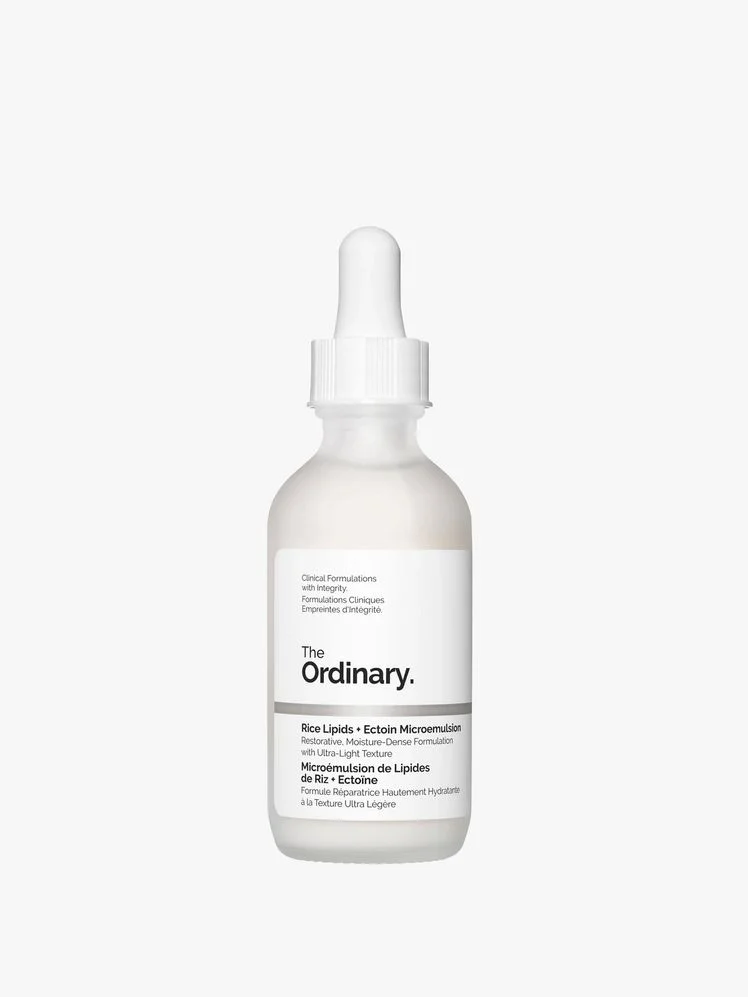
- The Skin Barrier Booster: The Ordinary Rice Lipids + Ectoin Microemulsion, $13
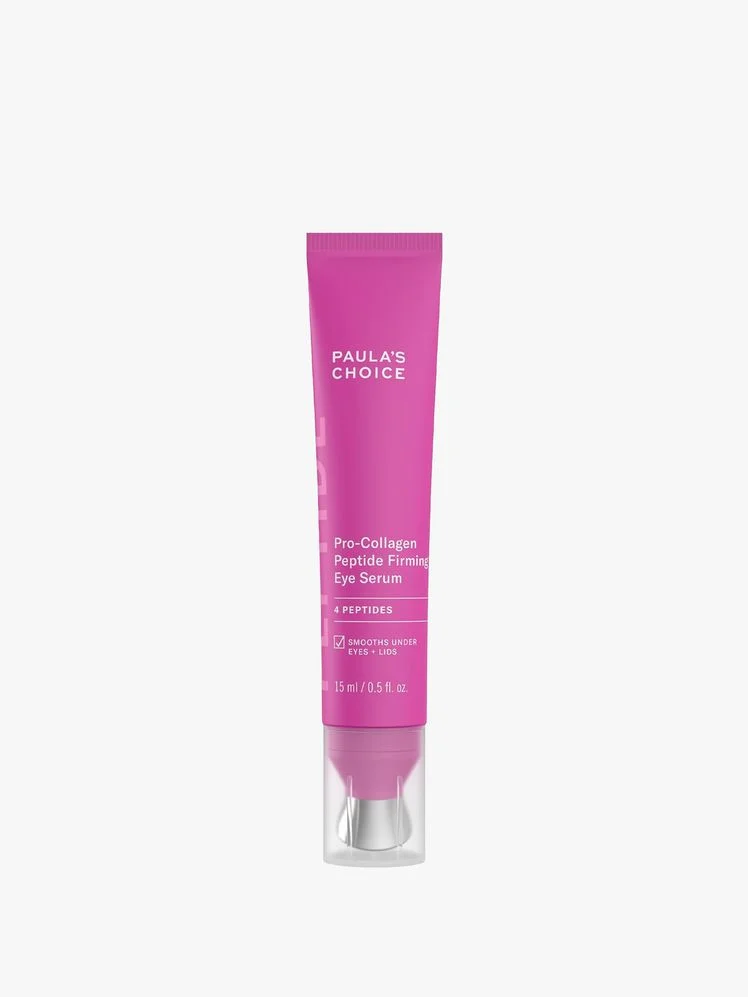
- The Smoothing Eye Cream: Paula’s Choice Peptide Firming Eye Serum, $39
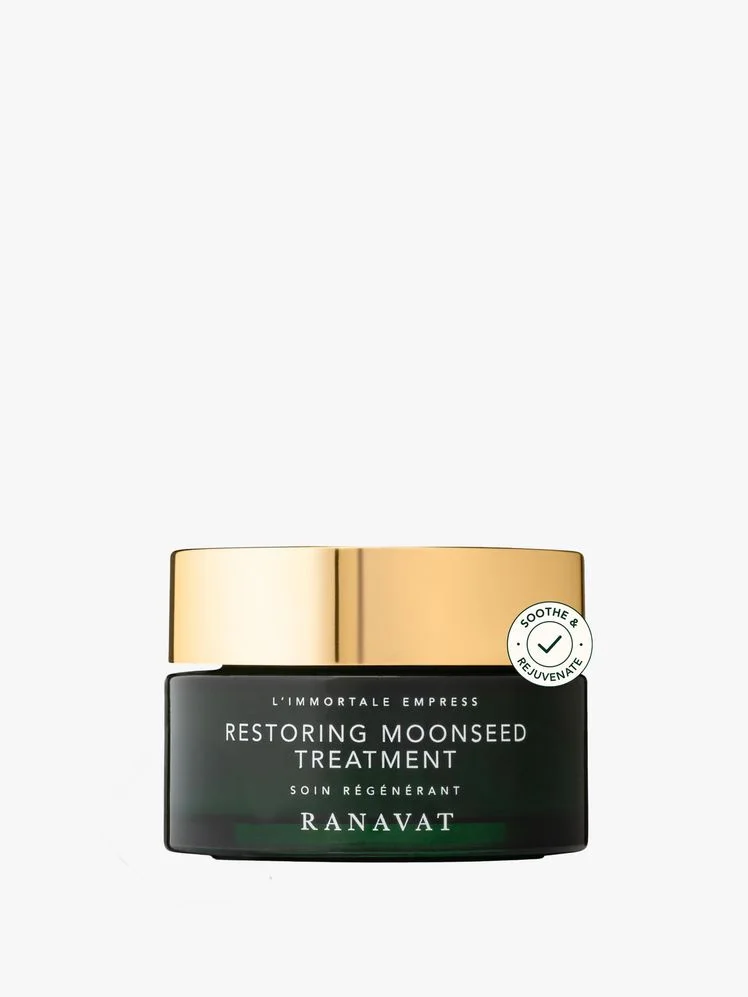
- The Adaptogen Cream: Ranavat Restoring Moonseed Treatment, $125
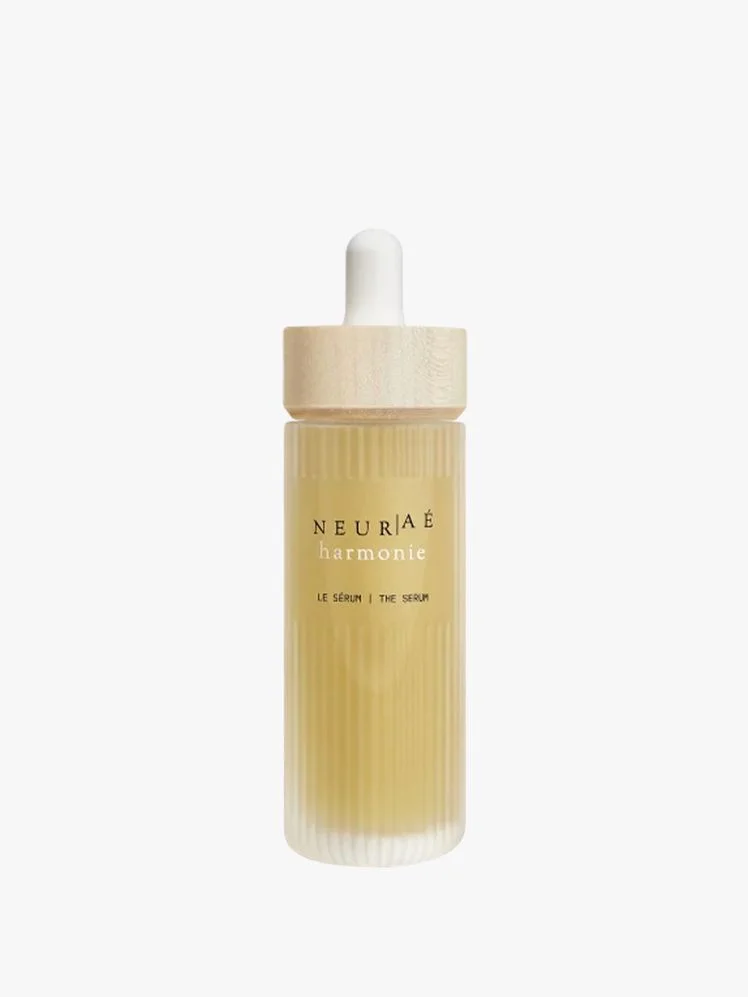
- The Anti-Stress Serum: Neurae Harmonie The Serum, $195
If that sounds complicated, that’s because it is. The skin isn’t just a passive barrier that accepts humectants, peptides, and other ingredients and keeps out external aggressors like pollutants and bacteria. “It contains nerve endings, neurotransmitters, neuropeptides, and receptors that constantly communicate with the brain and immune system,” explains Annette Reszko, MD, a board-certified dermatologist in New York.
Neurocosmetics—which can include neurotransmitter-inhibiting peptides, neurosensory-calming ingredients, and certain adaptogens that may help support the skin’s stress response—go above and beyond the everyday targets of hydration, pigmentation, and collagen production, according to Reszko. Instead, they seem to “influence the skin’s communication network to help reduce visible signs of stress, calm sensitivity, improve comfort, and in some cases support healthy aging,” she says.
That said, it’s still an evolving area of research. While there’s some evidence that neurocosmetics can provide meaningful benefits, especially when it comes to soothing sensitive skin and improving skin quality, “I would caution against claims that they can ‘hack’ stress or dramatically reverse aging,”says Shirazi. “As a dermatologist, I see them as promising adjuncts rather than miracle products.” With that in mind, these are the neurocosmetics that experts find the most compelling.
Neuropeptides
Neuropeptides, short for neurotransmitter-inhibiting peptides, are the neurocosmetics with the most scientific backing to anchor their efficacy. These ingredients, which include acetyl hexapeptide-8 (also known as argireline, or the “Botox in a bottle” peptide), “may help reduce the release of neurotransmitters involved in muscle contraction and soften the appearance of expression lines,” says Shirazi. In interfering with these neurotransmitters, they can act similarly to neuromodulator injections—although on a much, much smaller scale.
Argireline in particular “was developed to target the same general pathway involved in muscle contraction, although its effects are far more subtle,” says Reszko. As a result, she notes, it can be a good option for those who aren’t ready for injectables, those who want to extend the lifespan of their neuromodulators, or people who just want a topical approach. SkinCeuticals P-Tiox pairs acetyl hexapeptide-8 with a dipeptide to tackle nine different expression lines, including those that can’t be addressed with injectables. Paula’s Choice Peptide Firming Eye Serum, meanwhile, calls on a combination of four peptides to smooth the look of fine lines; the cooling metal applicator helps take down puffiness too.
Resilience Boosters
You can file these under “neurosensory-soothing ingredients,” which can be especially beneficial for those with sensitive or reactive skin. These “can help calm stinging, burning, and irritation while supporting the skin barrier,” says Reszko. “This category is especially valuable for patients with rosacea, eczema, or sensitive skin.”
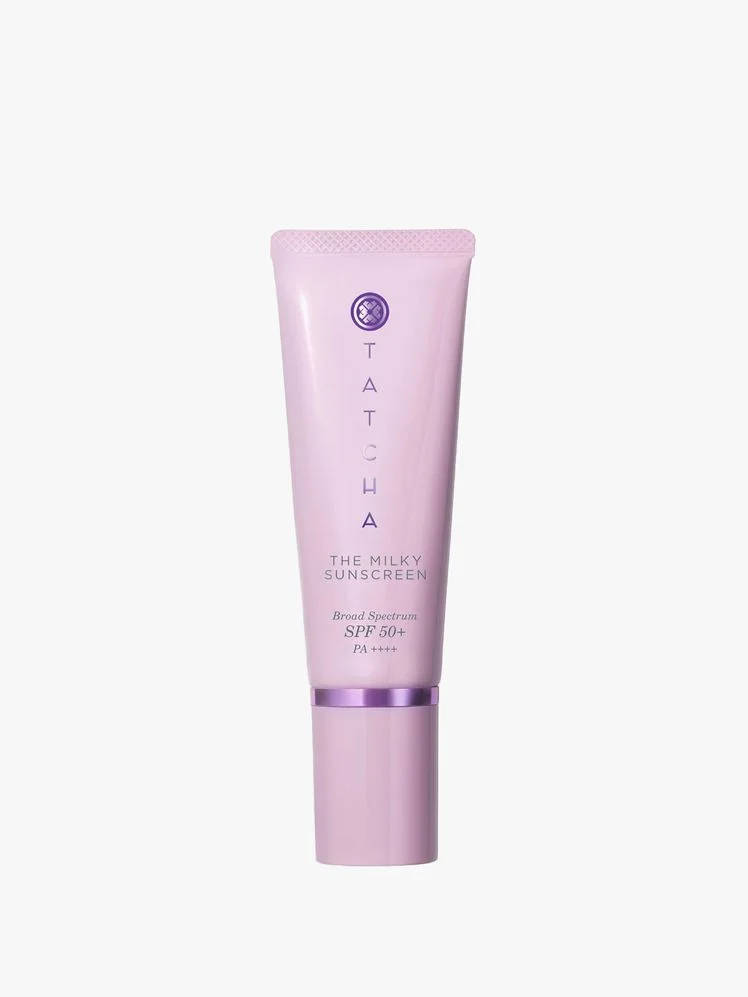
While they include popular anti-inflammatory ingredients like bisabolol and oat extracts, one standout among them is ectoin, “which has been shown to protect skin from environmental stressors and help reduce irritation, making it especially valuable for sensitive skin,” says Shirazi. In addition to chemical sun protection, Tatcha the Milky Sunscreen SPF 50+ PA++++ includes an encapsulated form of ectoin (alongside vitamin E, a powerful antioxidant in its own right) to repair and defend the skin barrier during long days in the sun. And for redness relief, the Ordinary Rice Lipids + Ectoin Microemulsion pairs lightweight rice lipids with ectoin, which work together to bolster the skin barrier in a single use.
Adaptogens
Adaptogens are among the original neurocosmetics, leaning on botanical ingredients like ashwagandha, rhodiola, ginseng, and holy basil to see skin through stressful times. These “are thought to help the skin better tolerate environmental and physiological stress,” says Reszko. “Most work through antioxidant and anti-inflammatory pathways rather than directly lowering cortisol in the skin, but they may help support resilience and minimize visible signs of stress-related inflammation.”
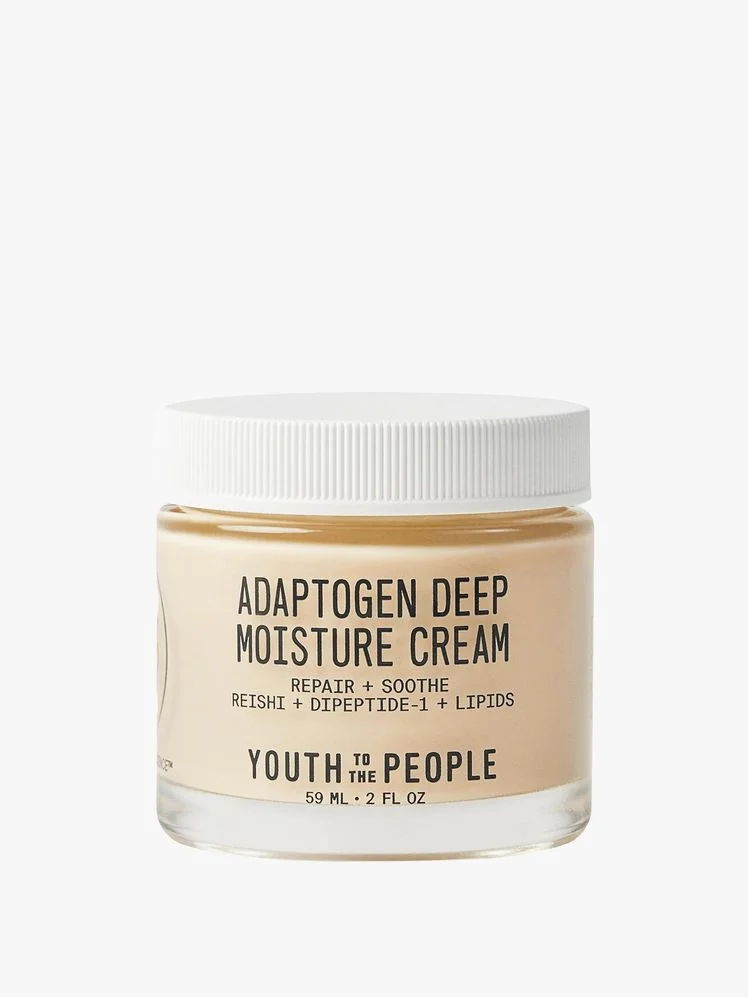
Youth to the People Adaptogen Deep Moisture Cream sets out to soothe sensitive skin, reduce redness, and support the skin barrier with adaptogenic reishi mushroom. (The cushiony formula doesn’t hurt either.) For overnight repair, Ranavat Restoring Moonseed Treatment uses not one, not two, but 30 Ayurvedic ingredients (including the eponymous moonseed) to reduce fine lines and reduce irritation.
Neuroingredients
Some ingredients are introduced as, simply, “neuroingredients,” implying that they transcend the usual ingredient functions. In this case, it’s worth being skeptical, especially “when it comes to broad marketing claims suggesting that a topical product can dramatically reduce stress hormones, rebalance emotions, or significantly alter the skin-brain axis,” says Reszko, who adds that they usually exceed the available evidence. But they can be a great addition to an existing routine with time-trusted actives with retinoids and antioxidants.
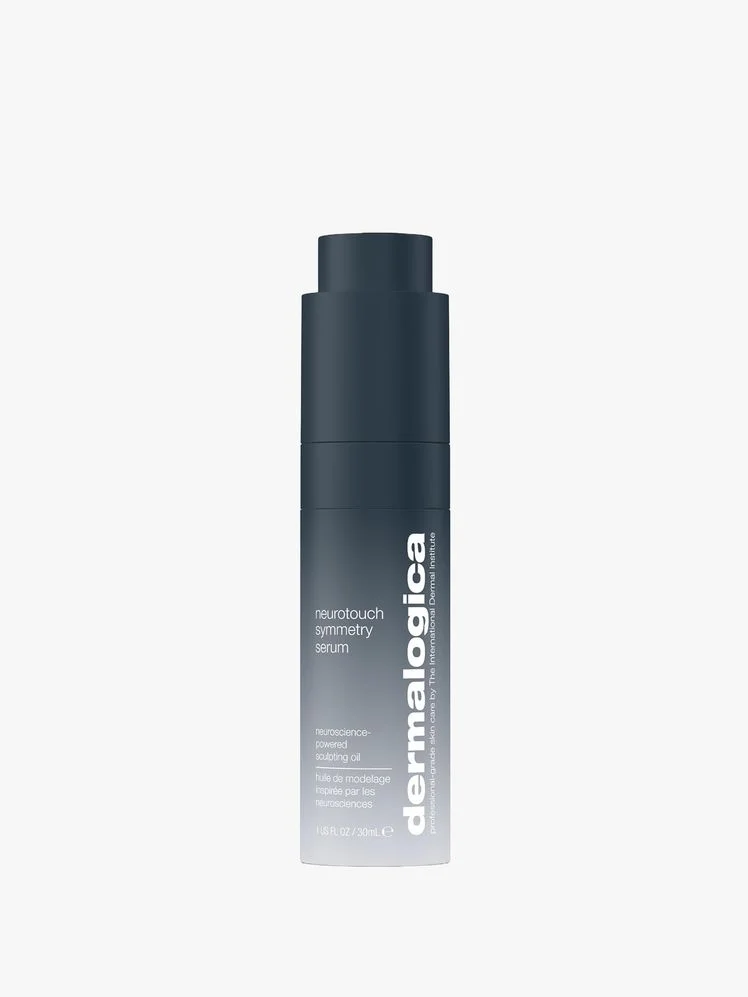
Plus the early clinicals are compelling. Neurae Harmonie the Serum is designed to balance skin and support resilience with a blend of Alpine skullcap—thought to boost the levels of positive neurotransmitters in skin—and red indigo extract, which minimizes negative neurotransmitters to supposedly reduce signs of fatigue. (The brand even has clinical data showing that it reduces levels of cortisol in the skin.) Dermalogica Neurotouch Symmetry Serum, for its part, claims to support a more symmetrical face, which is a tall order. But it does contain adaptogenic botanicals and acetyl hexapeptide-8—along with a bioengineered bacillus ferment—to give skin a more sculpted look over time.
Everything You Need to Know
How We Tested
When we test and review a product, we take a holistic approach to deliver well-rounded product recommendations. First, we lean on Vogue’s vast network of experts—from board-certified dermatologists to celebrity aestheticians—to gain professional acumen on the industry's standout products, ones these specialists would actually use on their clients. We pair their expertise with our editorial best practices to curate the thoughtful edits you read on our site.
As it relates to neurocosmetics, we selected the best based on the following characteristics: ingredients, type of neurocosmetic, texture, finish, and the skin-care concerns they address. To do this, we paired our personal tests of each formula with expert guidance and reviewer insights to determine which we would recommend to you. Read more about our testing methodology here.
Meet the Experts
- Azideh Shirazi, MD, a board-certified dermatologist in La Jolla, California
- Annette Reszko, MD, a board-certified dermatologist in New York