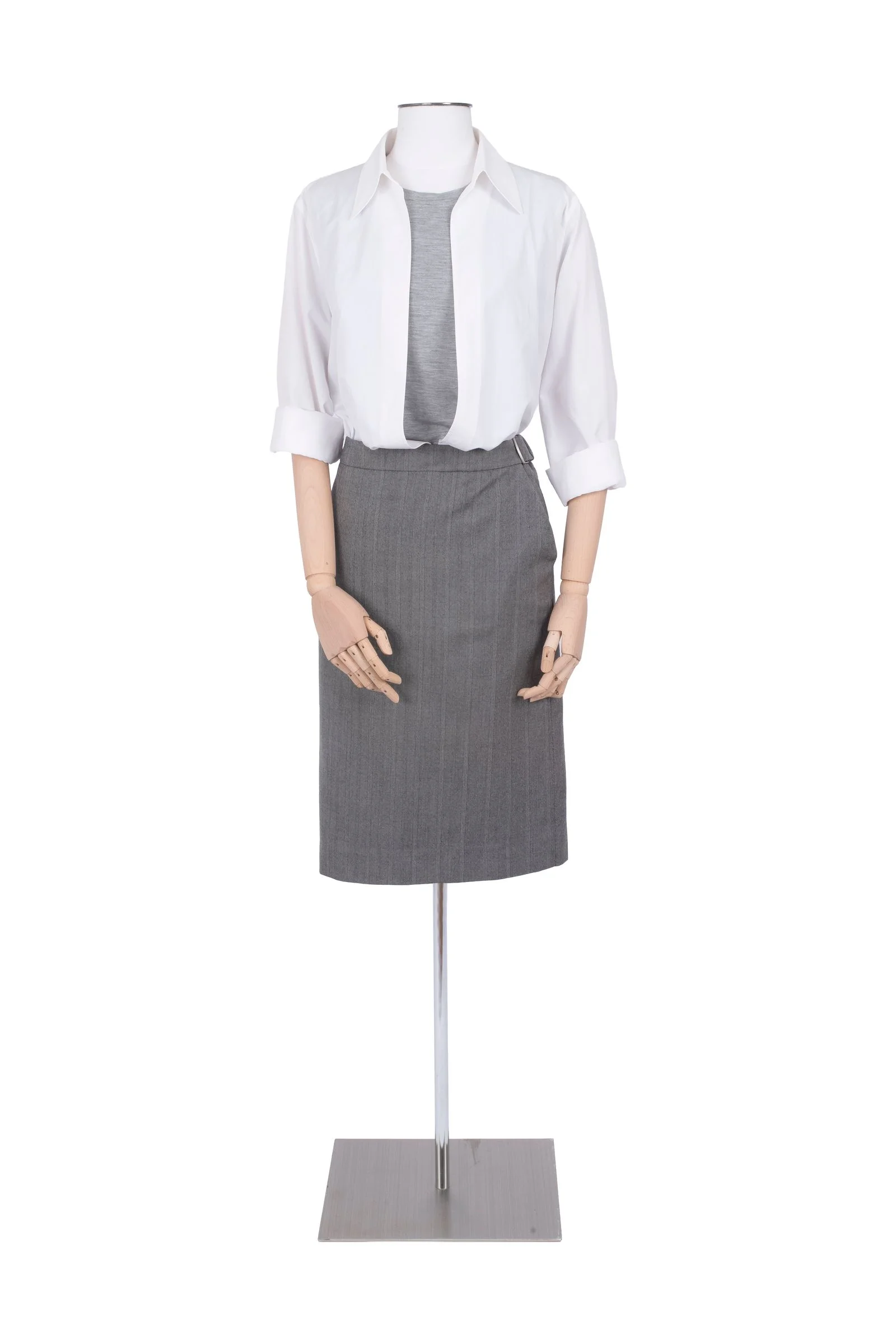
Martin Margiela has always been one of the most elusive figures in fashion, largely refusing to be photographed and often shrouding his models in masks. That mystique has only grown since the influential Belgian designer left his eponymous label in 2009 to pursue a career as an artist. So when Margiela announced earlier this year that he would be auctioning off a slew of pieces from his personal archives, it came as a major surprise.
The auction—which will be held in Paris on July 9 through Maurice Auction, following a public exhibition from July 4 through 8—offers a rare glimpse into the enigmatic icon’s private world and creative process. The catalog totals nearly 200 items, ranging from personal effects and prototypes to artwork and clothing direct from his wardrobe. The pieces tell the story of Margiela’s long career, beginning in the years before he launched his house, through his tenure as creative director of women’s ready-to-wear at Hermès, and ending during the pandemic, when he revisited some of his most iconic fashion designs through his art.
As a result, the collection feels more like a retrospective exhibition than a closet sale—a chance to explore the themes of identity, anonymity, and deconstruction that the 69-year-old has spent a lifetime exploring. In case you aren’t able to make it to the public showing in Paris this week, here are 10 of the coolest pieces from Martin Margiela’s personal archive auction.
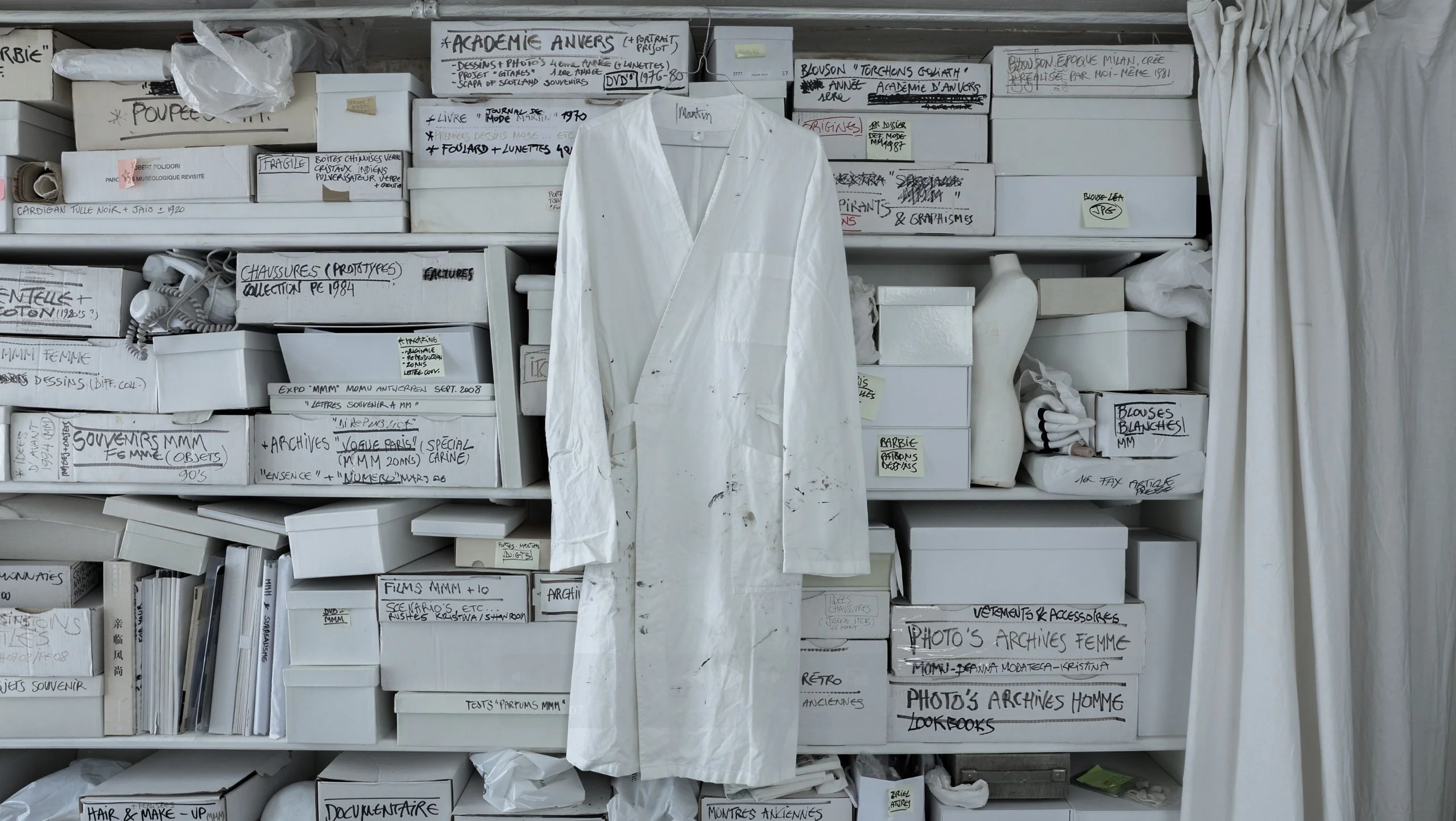
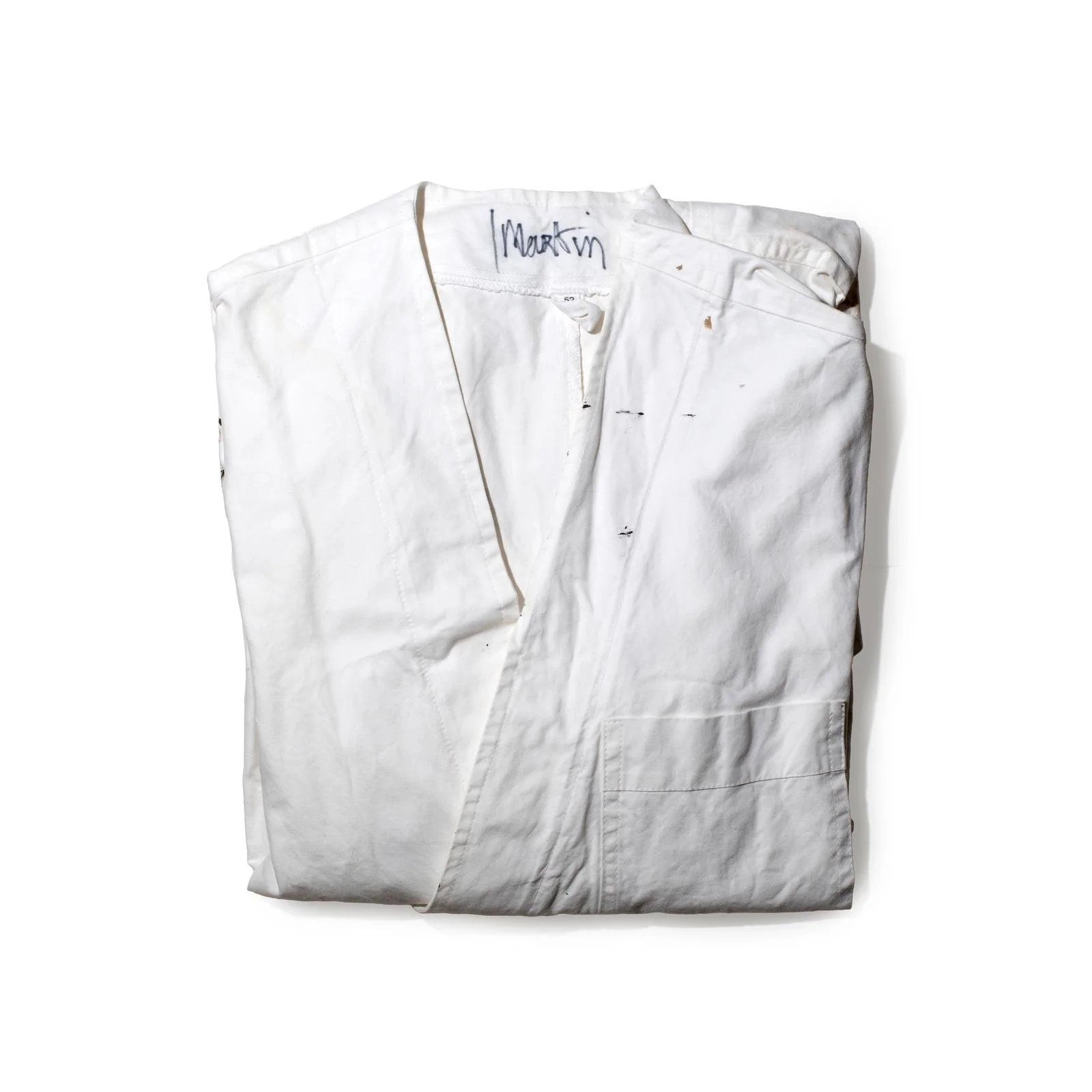
While Margiela’s signature white coats are often called “lab coats,” they were actually inspired by the blouses worn backstage by runway models between outfits. This one has the mythic designer’s name written on it.
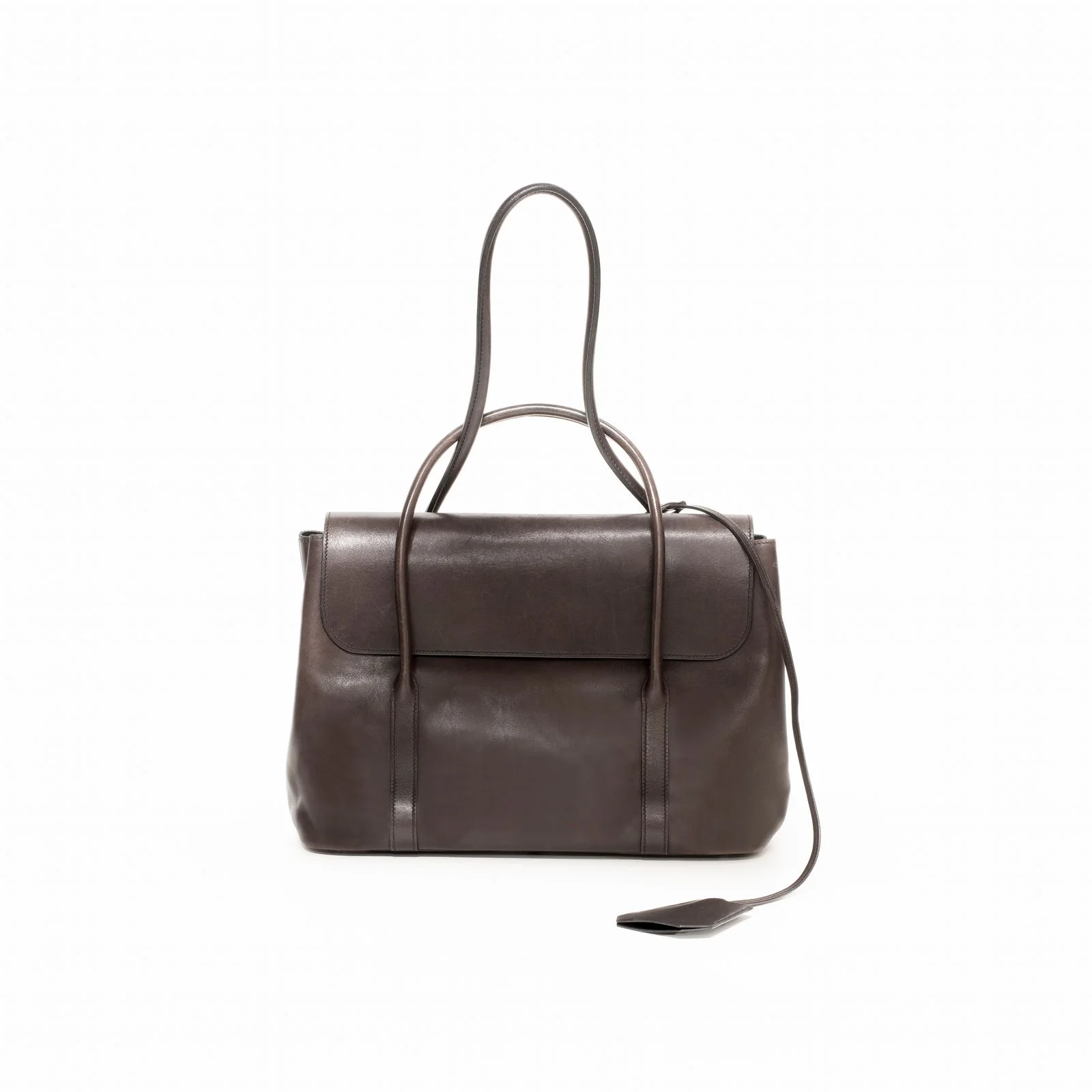
Margiela’s first bag for Hermès remains a highly coveted design among fashion obsessives.
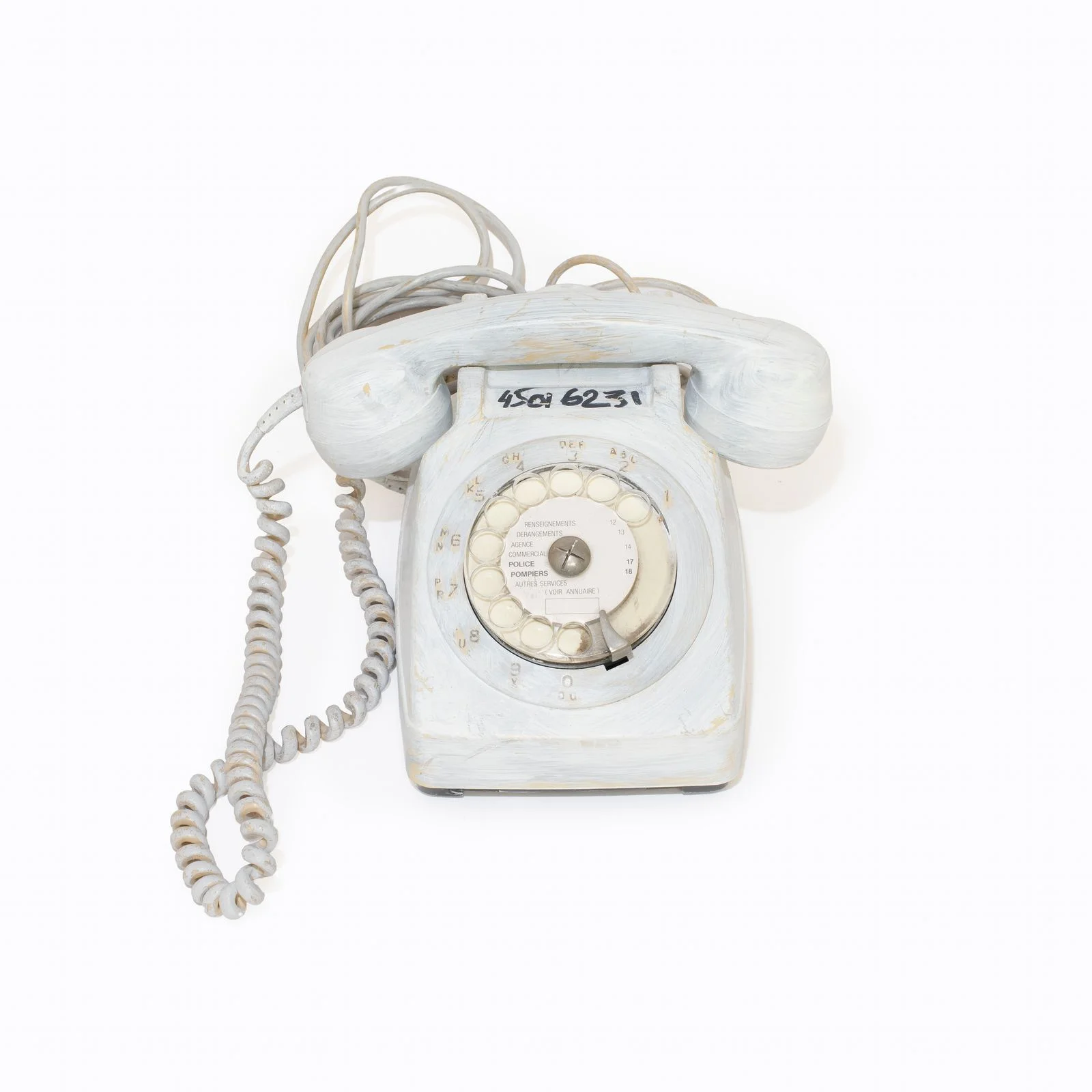
In keeping with the house style, this rotary phone from Maison Margiela HQ was painted white. It also features Margiela’s phone number scrawled in permanent marker, because the designer could never remember his own digits.
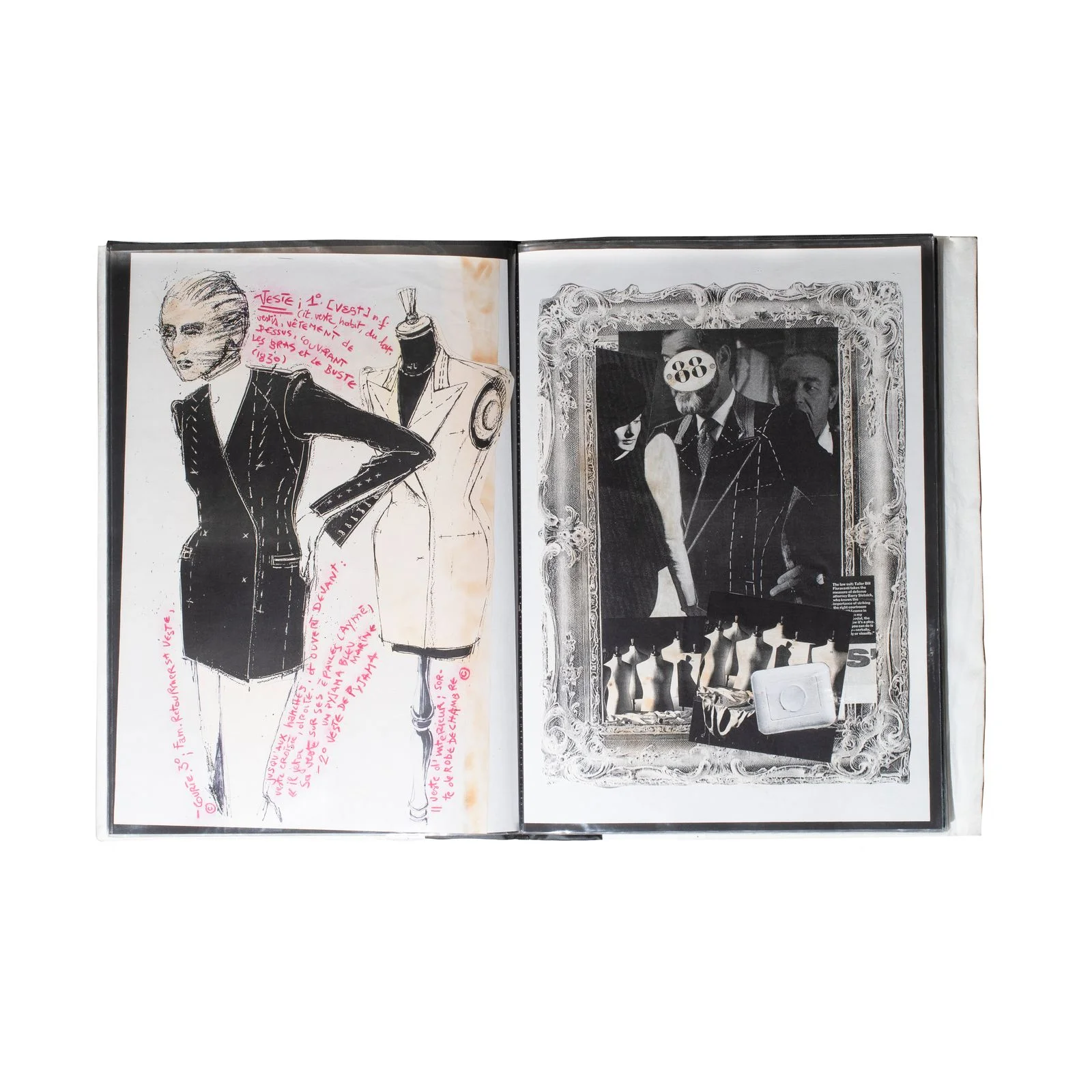
In 1987, before he launched his brand, Margiela went looking for factories to work with across Italy. In preparation, he created a dossier that served as the blueprint for his forthcoming label. Unfortunately, the initial document was stolen on the train, and he had to scramble to recreate it from memory in order to show the factories. Some time later, this original dossier was returned to him by the police.
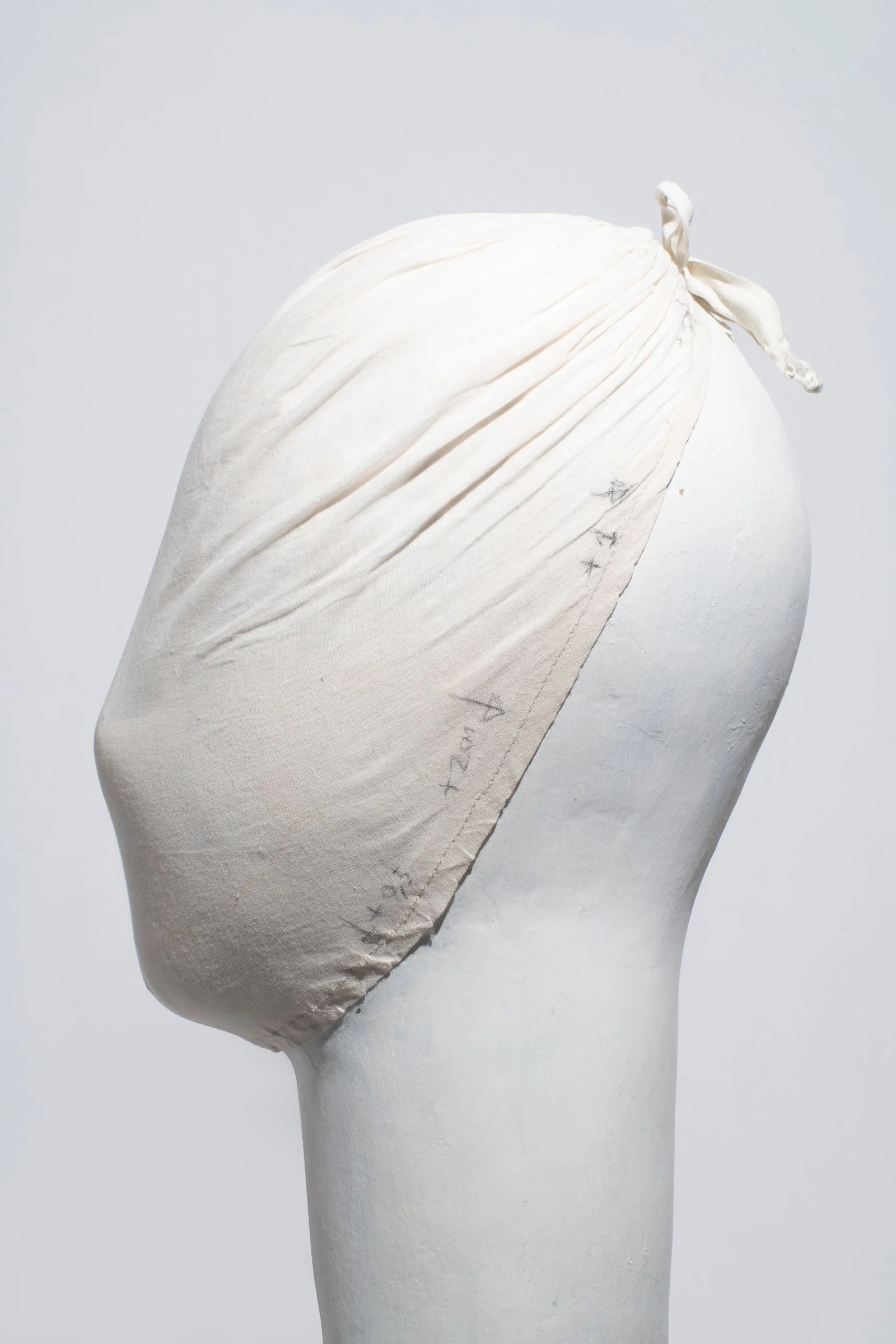
During his runway presentations, Margiela wanted the focus to be solely on the clothes. His solution was to veil his models’ faces in featureless masks, which continues to be an essential motif of the house. This one is an ’80s-era prototype and features edit notes written in pencil.
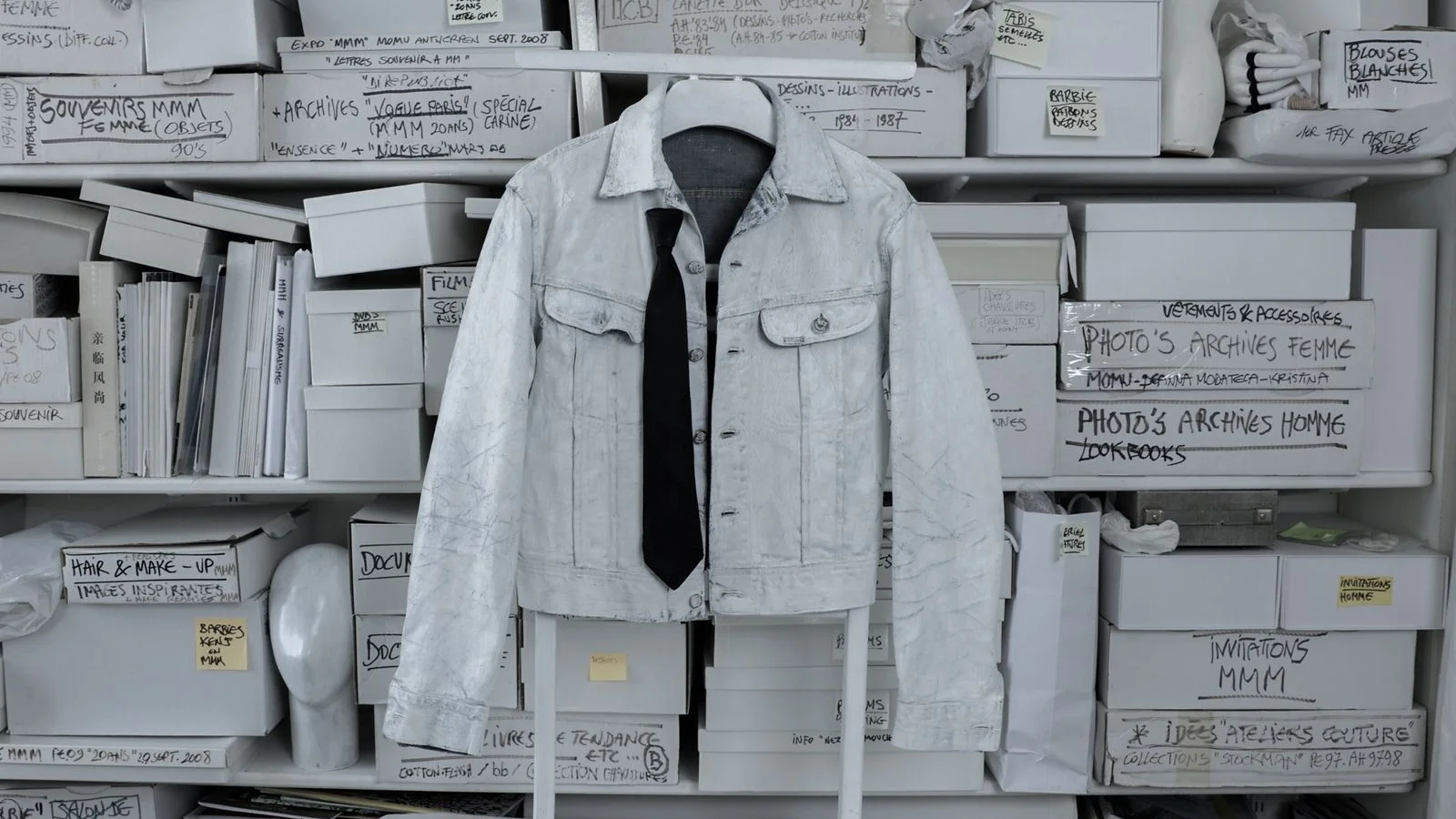
Martin’s personal trucker jacket, a vintage Lee Rider, comes coated in white paint and fixed with a neck tie.
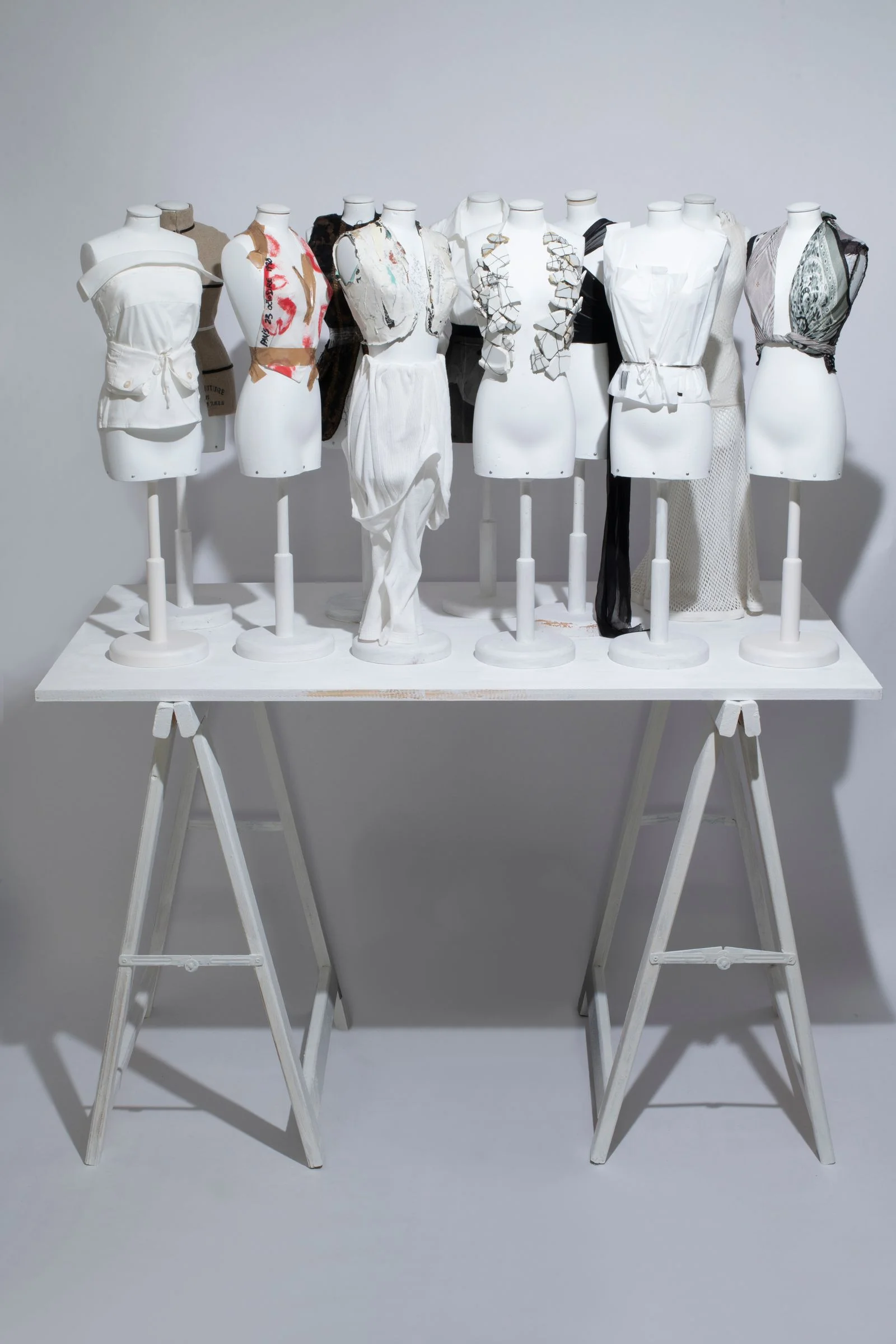
During COVID, Martin revisited his fashion years and returned to some of his most impactful designs. Margiela recreated these pieces at a miniature scale, using half-sized dress forms.
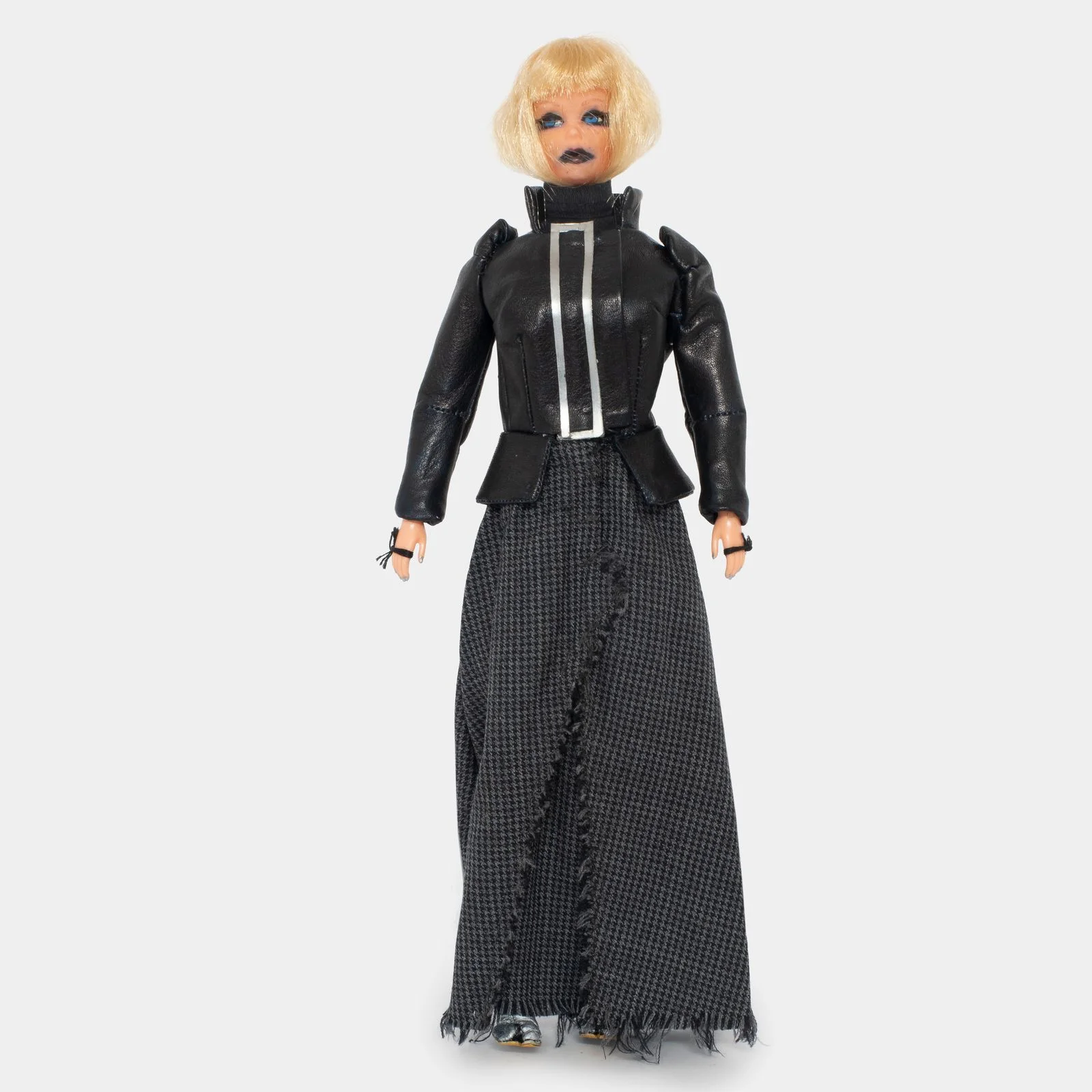
Move over, Bratz. Not long after launching his first collection in 1988, Margiela was commissioned to recreate some of the looks for Barbie dolls. Those original dolls were eventually lost, but during the pandemic, the designer realized he still had the patterns and recreated them as part of his miniature art explorations.
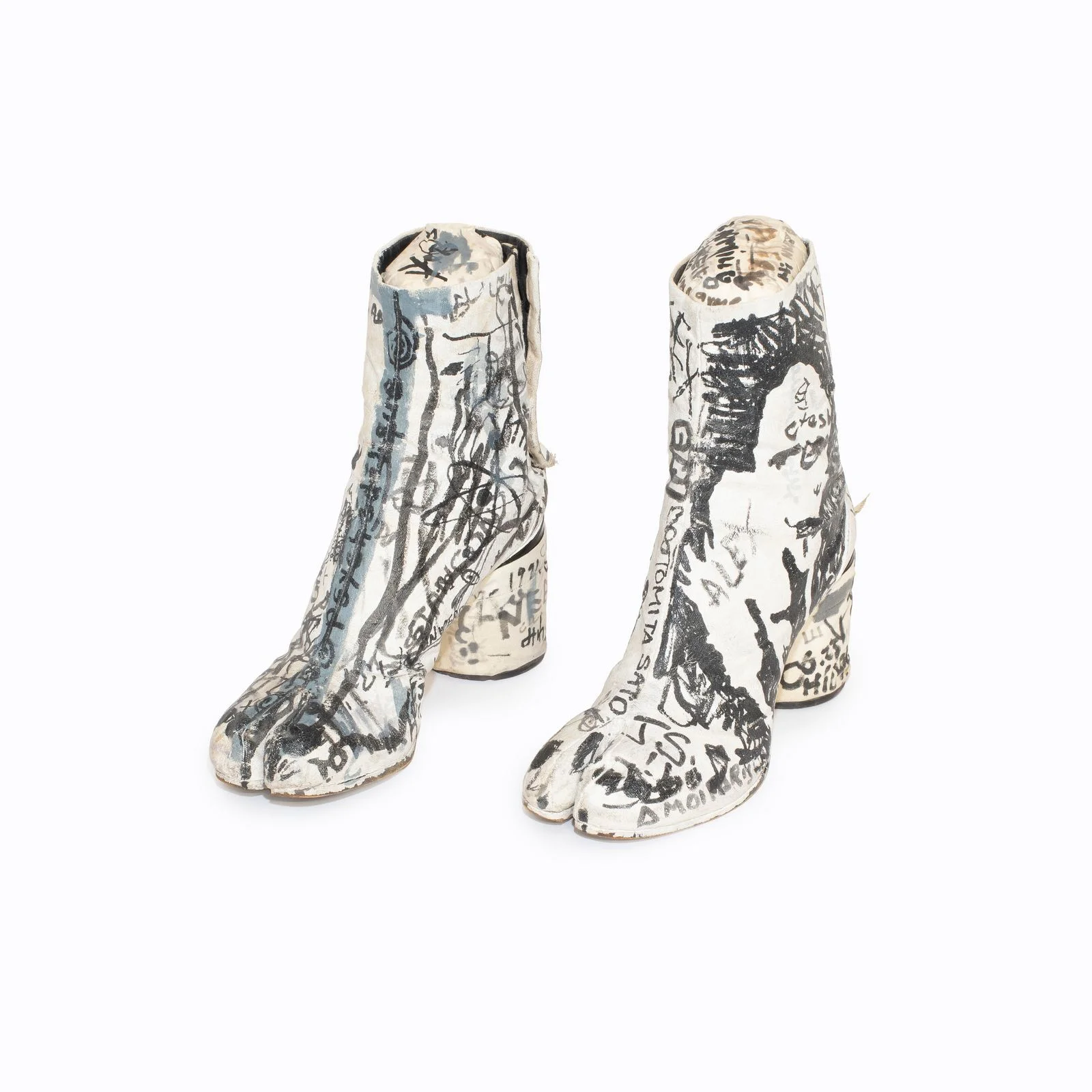
As part of his first group art show at the Galliera Museum in Paris in 1991, Margiela displayed a pair of white tabi boots. Visitors were encouraged to write on the walls of the exhibit, but they also unexpectedly left their mark on the boots as well.
Perhaps the most endearing section of the catalog are the pieces surveying Margiela’s time at Hermès, many of which come directly from the closet of the designer’s late mother.