
After four years and five seasons, the restaurant-world dramedy The Bear has hung up its apron. Since 2022, the FX hit has turned its stacked cast into bonafide stars and changed the national conversation around professional kitchens and the people who work in them. But for a certain kind of viewer, the appeal of the show was all about menswear. Starting in the very first episode, when Jeremy Allen White’s protagonist Carmy pays for a supply order by selling a pair of rare Levi’s, showrunner Chris Storer and costume designer Courtney Wheeler’s deep-rooted style obsessions have been on full display. (Never forget Syd’s spectacular Thom Browne chef whites from season two.)
Wheeler has been with the show from day one and had a hand in just about every single costuming decision made during production. She built Carmy’s wardrobe as that of a longtime menswear head who’d moved past logos and designer labels in favor of sheer quality and utility. “He’s pretty much wearing the same things every day, but he has a good eye and good taste,” she says. “No matter what version of it he puts on, it’s gonna go together. It’s a realistic and practical way of getting dressed.”
With The Bear coming to a close, GQ hopped on Zoom with Wheeler to talk through her favorite menswear moments from the show—including the white tees heard ’round the world and that viral NN.07 jackets.
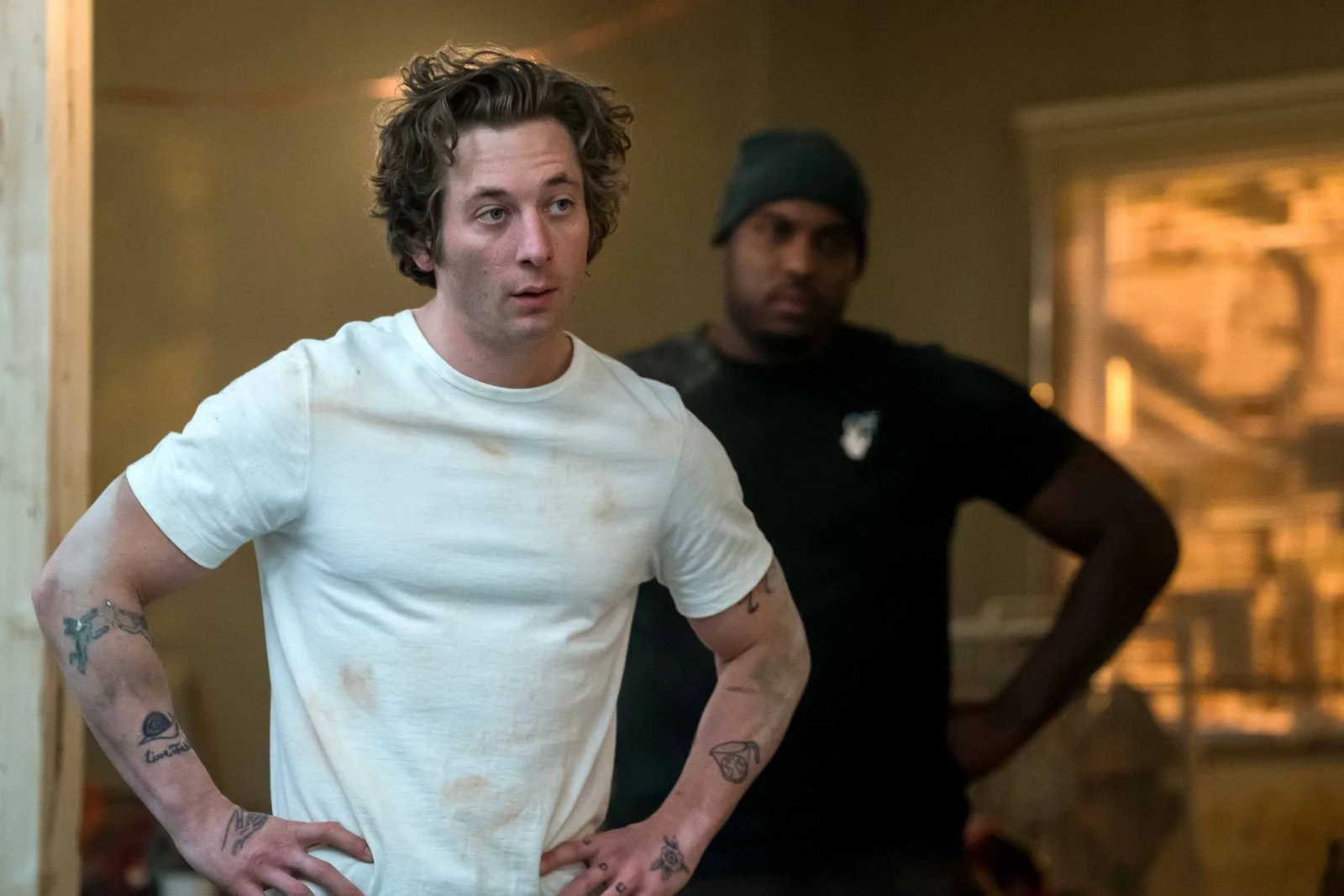
If you were googling “loopwheel tee shirt meaning” in the summer of 2022, there’s a good chance it was because of The Bear. Carmy’s day-to-day uniform turned us all into white-tee obsessives, with everyone trying to track down the character’s uber-flattering silhouettes. After trying several options, including some from the storied label Velva Sheen, Wheeler landed on models from two under-the-radar makers: Germany’s Merz B. Schwanen and Whitesville, a midcentury American brand that’s now owned by Japan’s Toyo Enterprise. Both tees are made using a century-old circular knitting machine called—you guessed it—a loopwheel, which accounts for their throwback, Brando-esque look and feel.
The T-shirt models took off, selling out like clockwork whenever a new season of the show premiered and often not restocking for months on end. (It took me until January 2023—a full six months after the first season premiered—to track down some Whitesville tees from a Japanese retailer on eBay.) Both were already cult brands, but Merz B. Schwanen in particular has had its profile raised substantially by the show. “Merz is being sold at Nordstrom in Chicago. To see them somewhere big like that, I’m really happy for them,” Wheeler says.
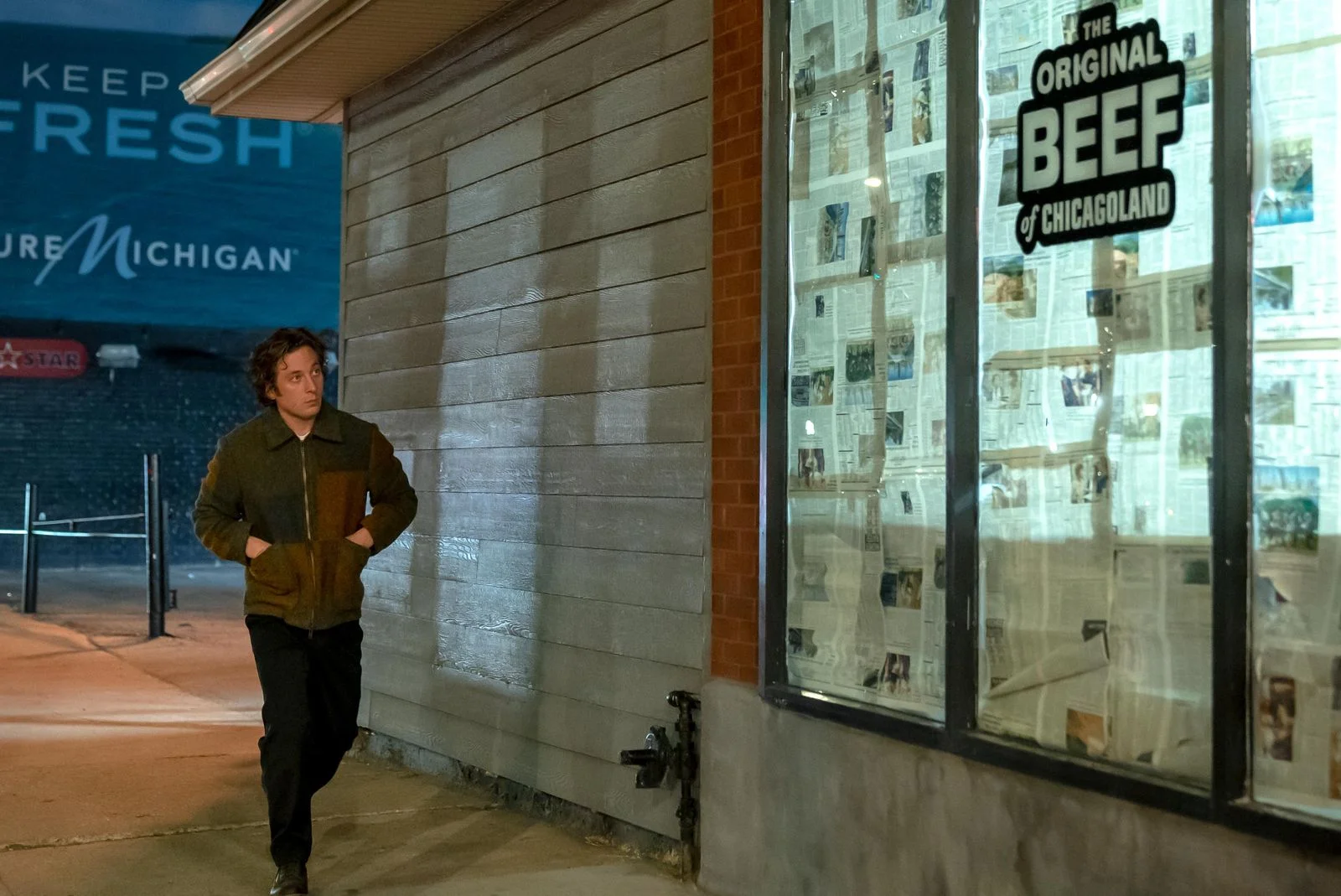
The single most coveted piece of menswear on The Bear almost lost its spot to a peacoat. As Wheeler tells it, that’s what Storer initially wanted Carmy to keep on hand as his daily driver during the brutal Chicago winters. They struggled to find one that captured what they had in mind for White, however, which led to Wheeler grabbing a left-field pick at Bloomingdale’s: a wool waist-length jacket with a wide collar and a blocky pattern from NN.07. From that point on, the Danish label’s “Gael” jacket became synonymous with Carmen Berzatto.
When a jacket blows up thanks to a movie or TV show, wearing it runs the risk of coming off like cosplay. (See: the scorpion jacket from Drive.) The Gael jacket walks right up to that line without crossing it—largely thanks to its practicality, versatility, and the fact that no two models are exactly alike, thanks to the nature of its fabric. “Someone sent me a photo from a pop-up NN.07 did in Soho where they were selling the jacket, and there were literally like ten people either wearing or holding it,” Wheeler recalls with a laugh. “That jacket is probably the thing that stands out most in his wardrobe, but it’s still something he can pull out and wear every day and feel good about it.”
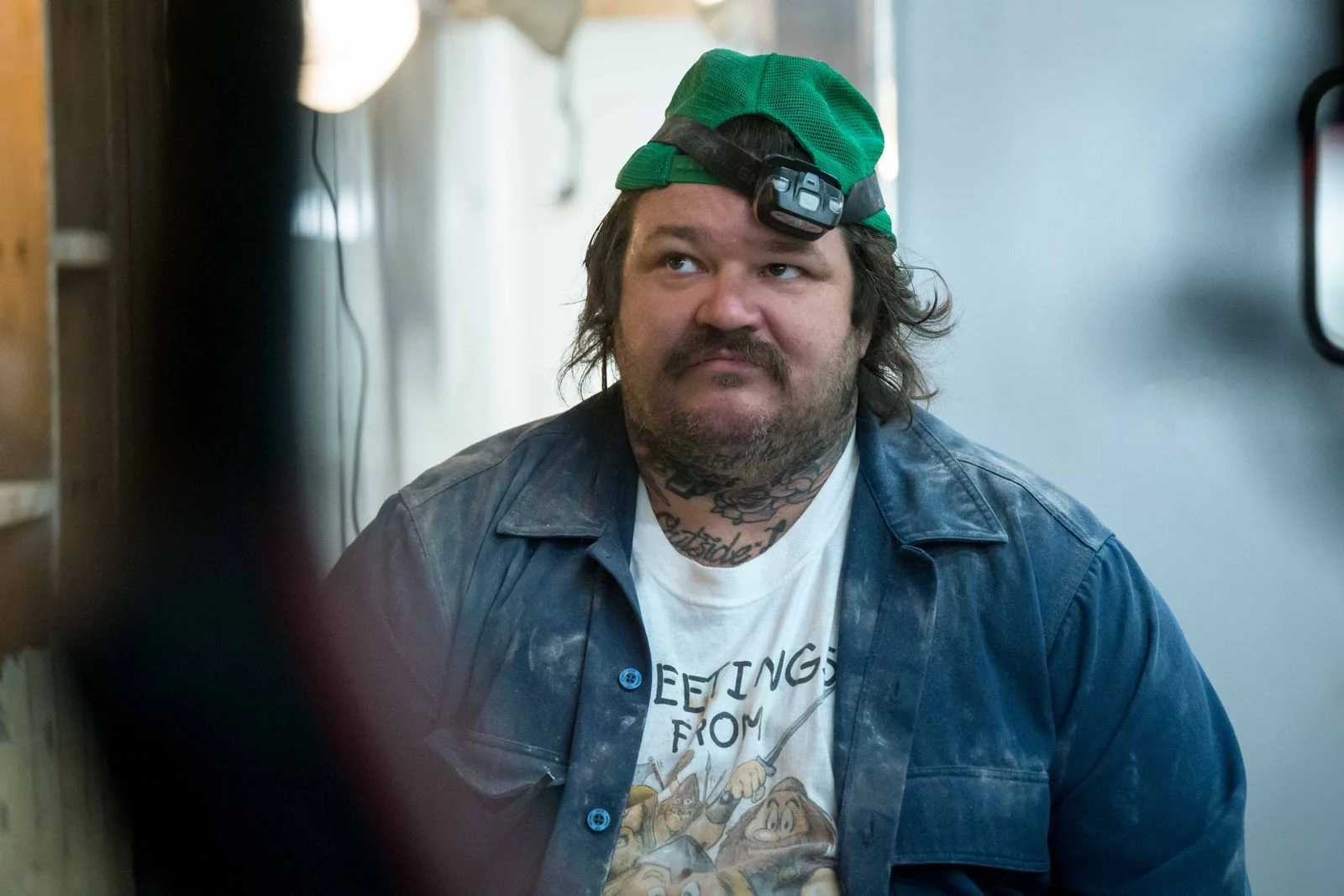
You could be forgiven for assuming that avowed vintage head Matty Matheson’s costumes on The Bear were just the clothes he wore to set. But Wheeler and her team assembled his character Fak’s looks by diving deep into numerous vintage archives. “Fak’s tees are half true vintage and half bought new from bands or local Chicago spots and aged down,” Wheeler says.
According to Wheeler, the show’s costume department had a special process for applying wear to almost every piece of clothing on the show. “I usually have our ager make [pieces of clothing] look like they had a life before they made it on camera since that’s how most clothes look in real life,” she says. The result was vintage tees so convincing that Matheson wound up bringing his own shirts to set and ask if the team could distress them further for him. While she also loves his Vienna Sausages tee (originally purchased new), Wheeler’s all-time favorite Fak shirt is the fruit bowl tee from the series finale.
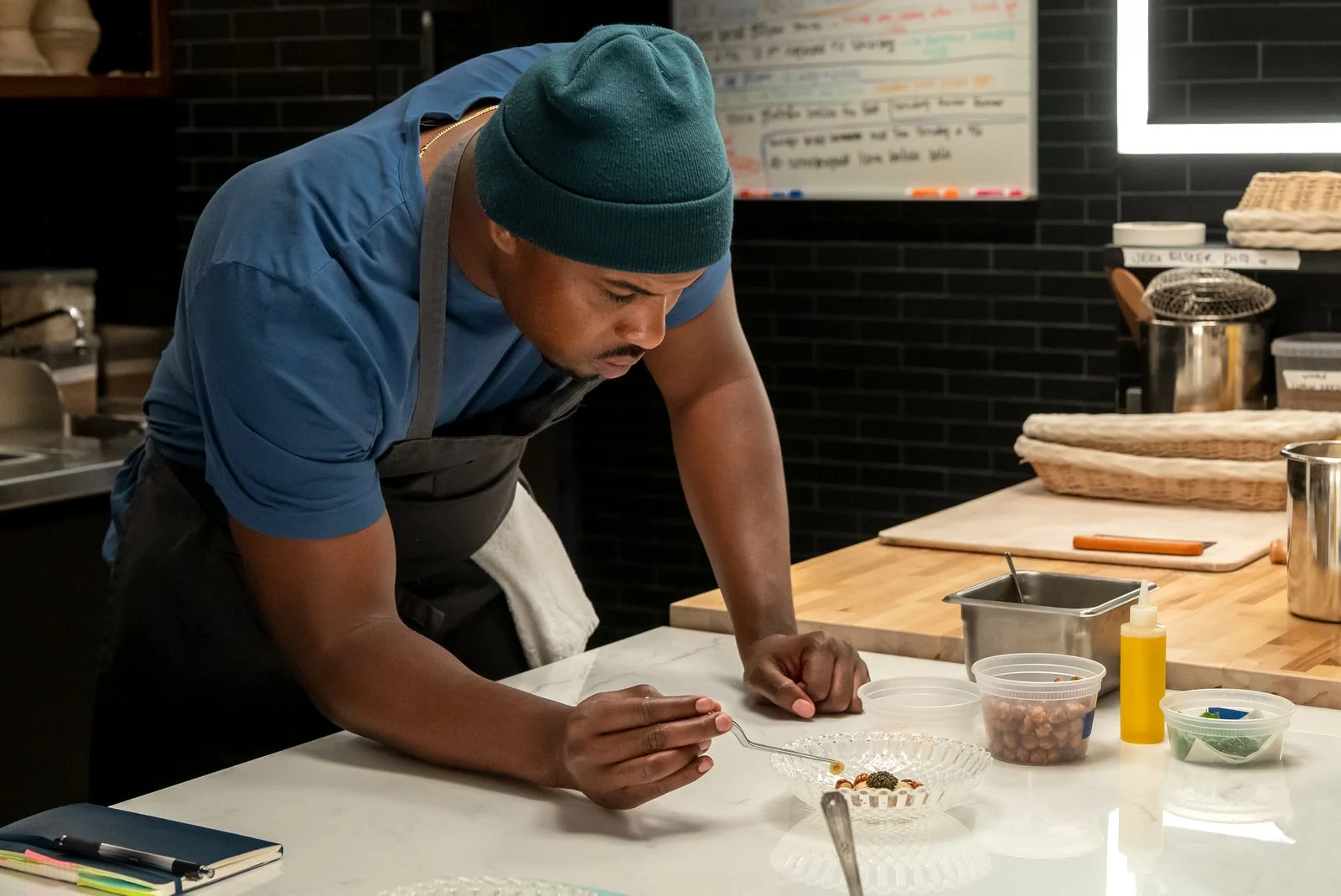
One iconic piece that did come from a cast member’s wardrobe? Pastry chef Marcus’s Carhartt beanie, which actor Lionel Boyce picked up IRL while filming the season two episode “Honeydew.” That plot takes Marcus to Copenhagen to stage with an old colleague of Carmy’s, and his wardrobe begins to evolve after that point, having spent most of the first season in logo tees from Chicago streetwear brands like Joe Freshgoods and Off-White. “The character started to be more influenced by his travels and tried to bring some of that back to Chicago,” Wheeler says, “so the color palette and style actually started to align more with what Lionel wears in real life.”
While in Denmark, Boyce bought the simple green beanie from Carhartt WIP and suggested making it part of Marcus’s wardrobe. Wheeler rolled with it, with one tiny hitch: Despite endless searching and inquiries with the brand, the costume department couldn’t track down a backup beanie to keep on set in case of emergency. The model was sold out and wasn’t coming back. “We kept thinking, ‘What if he loses it?’” Wheeler recalls. “Because we really should have had more but just couldn’t find them anywhere. People would DM me saying they couldn’t find it online and I’d just be like, ‘Yeah, I bet you can’t.’” Thankfully for Wheeler and the show’s legion of stylish fans, Carhartt WIP recently reissued the beanie.
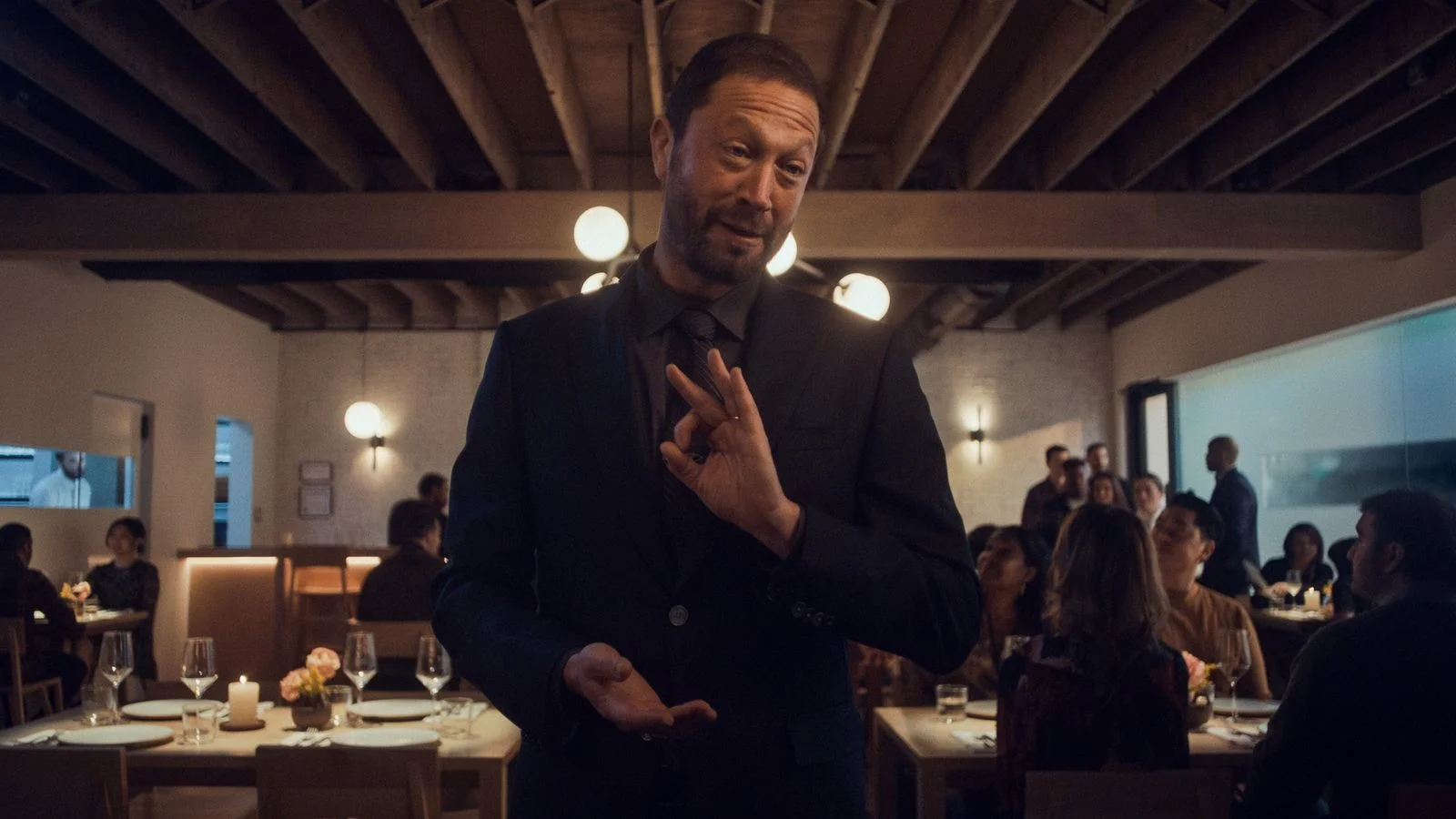
The Bear has often been at its best when focusing on moments of self-actualization, when the characters make major strides toward achieving their true potential. The wardrobe often reflects that leveling up—especially when the titular restaurant opens at the end of the second season, and a few of the crew are forced to trade in their Original Beef tees for sleek suits.
Matheson’s Fak wears tailoring with pretty deliberate character baked into it—Wheeler and her crew mixed and matched pieces to make them feel like hand-me-downs from the character’s dad. To dress the athletic frame of actor Corey Hendrix, who plays former dishwasher Sweeps, the team had to Frankenstein together dress shirts using size-medium torsos and size-large arms. For both characters, however, the suits feel a bit more like a work uniform.
But for Ebon Moss-Bachrach’s cantankerous Richie, putting on his suits after staging at the Michelin-starred restaurant Ever is a transformative moment. “I wear suits now,” he states more than once in the season two episode “Omelette.” “I think Richie uses the suit to help in his becoming,” says Wheeler. “He’s projecting how he thinks of himself now and what this journey has meant to him.” She outfitted Richie mainly in suits from Hugo Boss and SuitSupply and leaned heavily into vintage tie bars as a finishing touch.
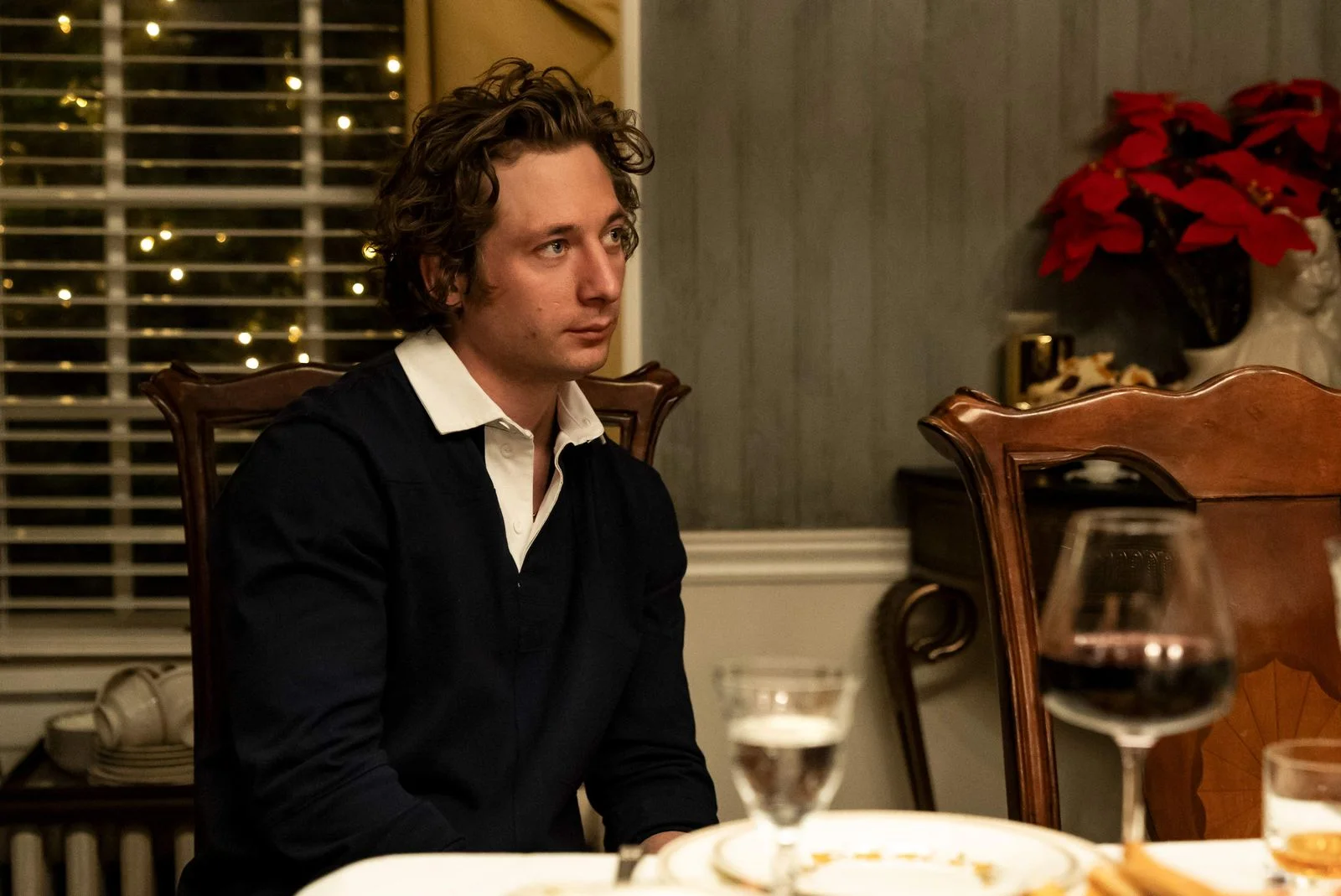
In The Bear’s present-day scenes, Carmy’s wardrobe largely eschews hype and logos. But Wheeler wanted to use his costuming in flashbacks as a way to further tell the story of his journey through menswear. She and Storer agreed that, like many dudes who were in their twenties in the 2010s, Carmy would’ve been heavily into that era’s booming streetwear scene. That led to the sourcing of a sick rugby shirt from 2018’s epic collaboration between UK skate gods Palace and Polo Ralph Lauren, which appears in the now-legendary holiday episode “Fishes” in season two.
It’s a covetable piece, certainly, but Wheeler appreciates the rugby most as a storytelling device, giving us a glimpse into the progression Carmy has made over the years. “Fishes” marks a pivotal moment in the protagonist’s life, so it makes all kinds of sense that the way he presents to the world would change afterwards as well.