
Jeans have been around for more than 150 years at this point, but there’s still a remarkable amount of confusion when it comes to taking care of them. For proof, you need only peruse one of the many threads on the topic on r/denim (or anywhere else denimheads congregate), where debates flourish around the correct way to wash your favorite pair of denim.
Some say you should wash your jeans a few times per year, while others eschew washing entirely. Others still advocate unconventional methods, such as freezing, washing in salt water, or rubbing them with beach sand. Unfortunately for anyone in search of a simple answer to the question, there isn’t one. How often to wash denim depends on several factors, including how often you wear them, what they’re made of, and how you want them to look, but the “best” way to care for them depends largely on how much effort you want to put in. We consulted a few denim enthusiasts for their best practices.
According to Kiya Babzani, the founder of raw specialist denim retailer Self Edge, the whole kerfuffle kicked off in the late ’90s, when a handful of European denim brands started selling raw selvedge jeans, and advising customers that the best way to ensure a high-contrast fade was to wash them once a year, or better yet, never. “That message got repeated through message boards and forums and raw denim blogs in the 2000s, and it kind of just stuck,” he says.
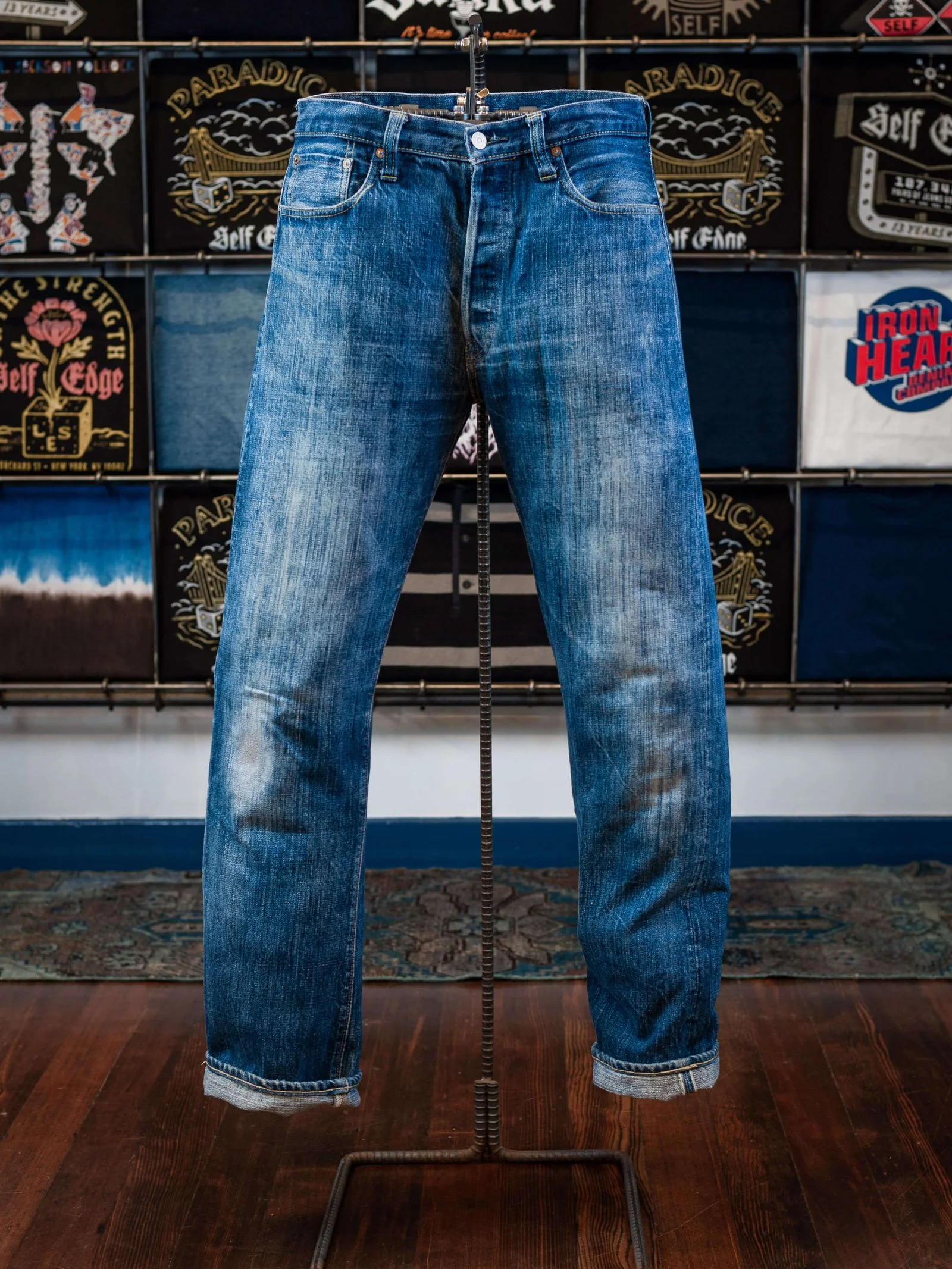
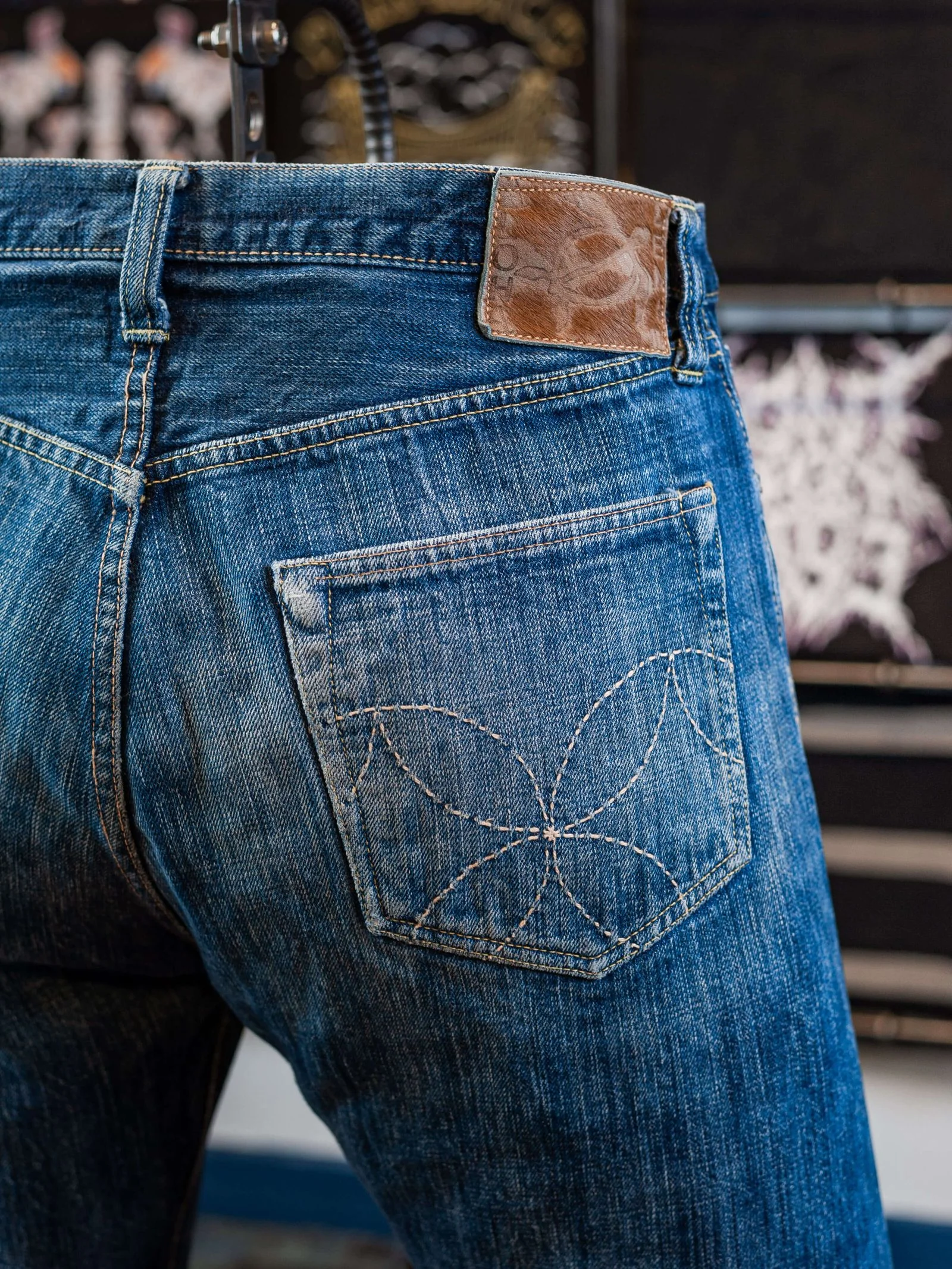
Whether you have deadstock Cone White Oak selvedge jeans or Levi’s from Amazon, the best way to ensure even fading and longevity is more or less the same. "There are lots of different theories and recommendations on how to properly care for denim, and I have really tried them all,” says Nick Kemp, Huckberry’s design director. Fortunately, the winning method is pretty simple. “I wash my jeans inside out, in cold water, and I hang them to dry.” The last point is probably the most important, and doesn’t just apply to jeans. “We really don't recommend putting any clothes in a dryer, except maybe your underwear,” says Babzani.
The question of how often to wash your jeans mostly comes down to how dirty they get (and how tolerant you are of wearing jeans infused with weeks or months' worth of grime). Kemp washes his jeans whenever they start to feel dirty, which is usually around three to four wears. Babzani, meanwhile, advises his customers to take a longer interval between washes. “We recommend you wash your jeans every 30 to 45 wears, so if you're wearing your jeans every day or every other day, then anywhere between one and two months,” he says.
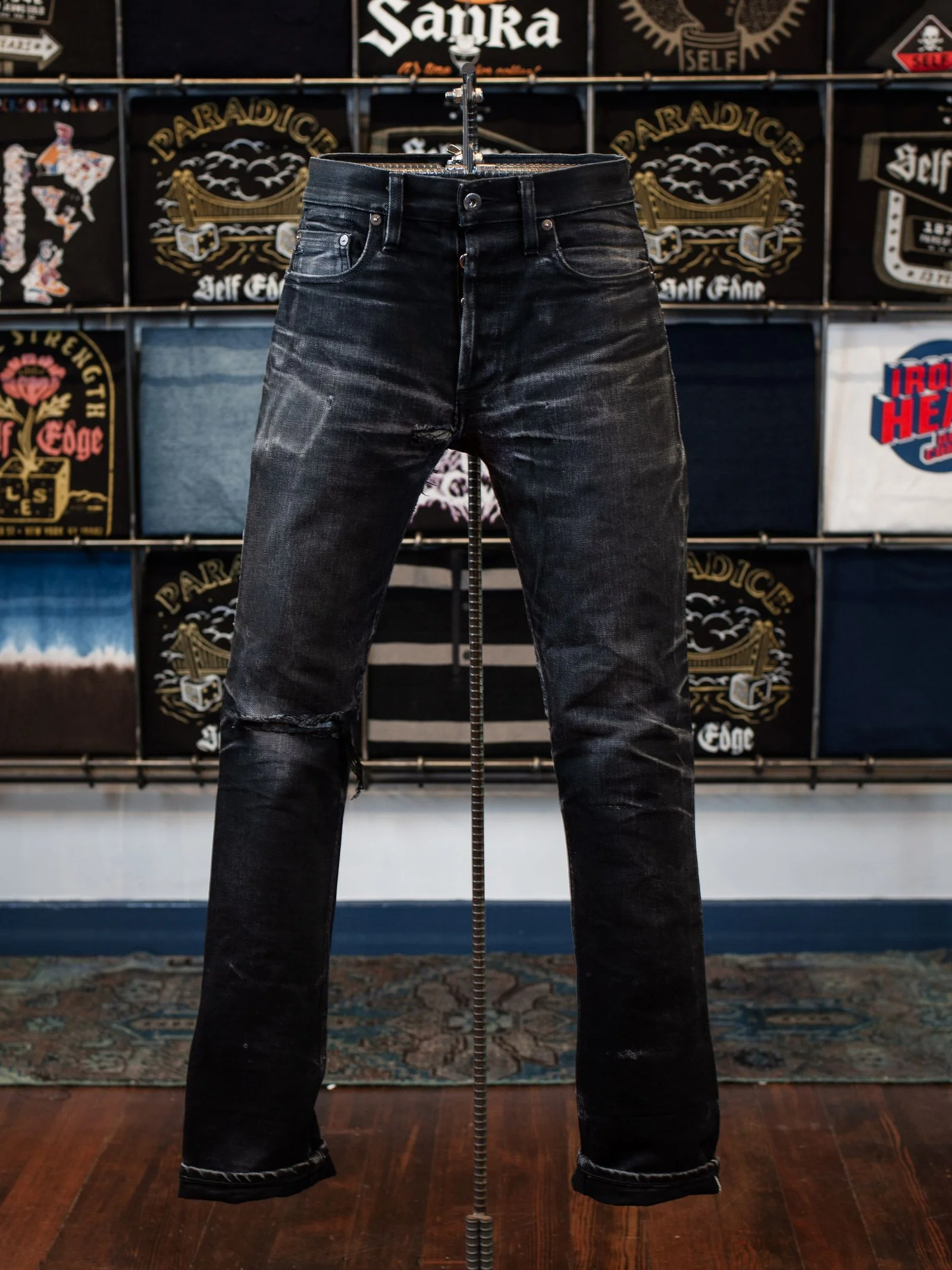
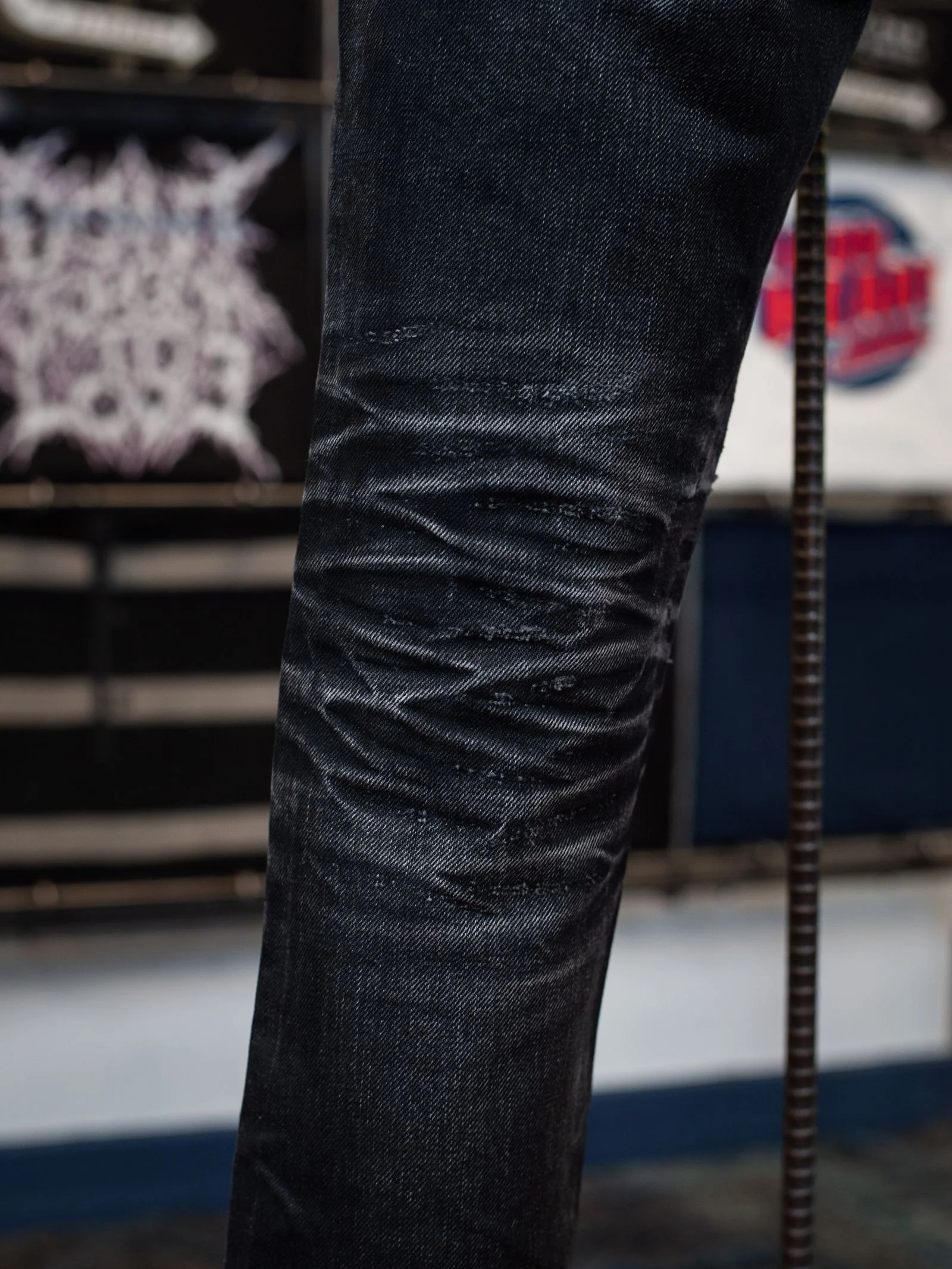
It might surprise most jeans-wearers to learn that washing isn’t the main culprit in robbing your jeans of their original indigo hue. That’s because dye isn’t lost through the wash so much as through abrasion, which is why most experts advise washing denim inside out. “A lot of people worry that if they wash their jeans, they're going to get lighter,” says Babzani. “They get a little bit lighter, but it’s not really noticeable after a wash. It's more noticeable the more often you're wearing them, or how you're wearing them.”
“I used to be more concerned about managing the color of my jeans when I was buying them from places like Blue in Green and Standard & Strange, but now most of my jeans are secondhand, and I’m far less discerning about washing them,” says Julian Colucci, owner of NYC’s Ebreo Vintage. “I have four pairs of Big “E” Levi’s from the ’60s and ’70s, and they’re already so worn and faded that I just crank them through the wash.” Likewise, if your jeans come pre-faded or pre-distressed, how you wash them won’t make much difference.
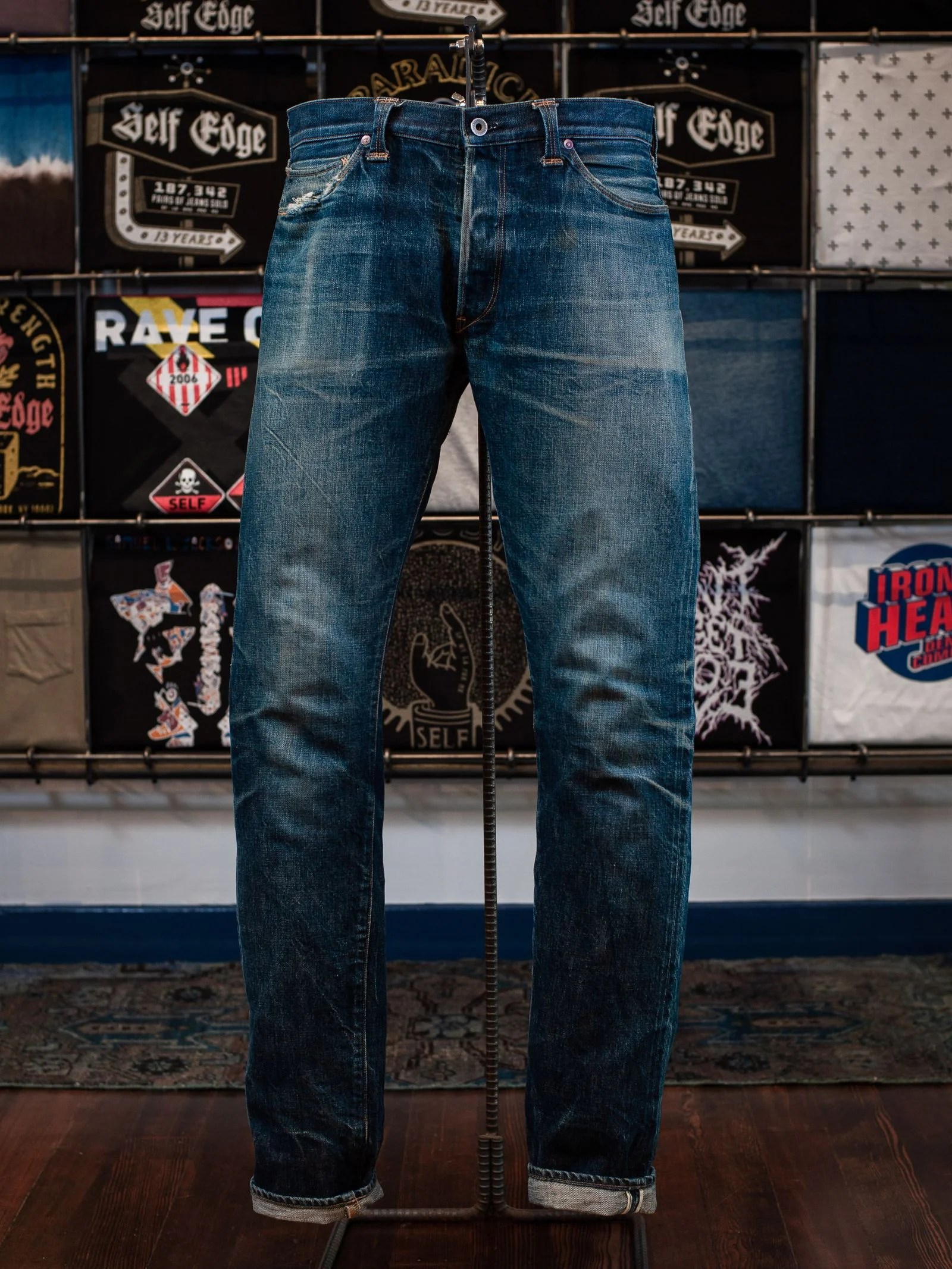
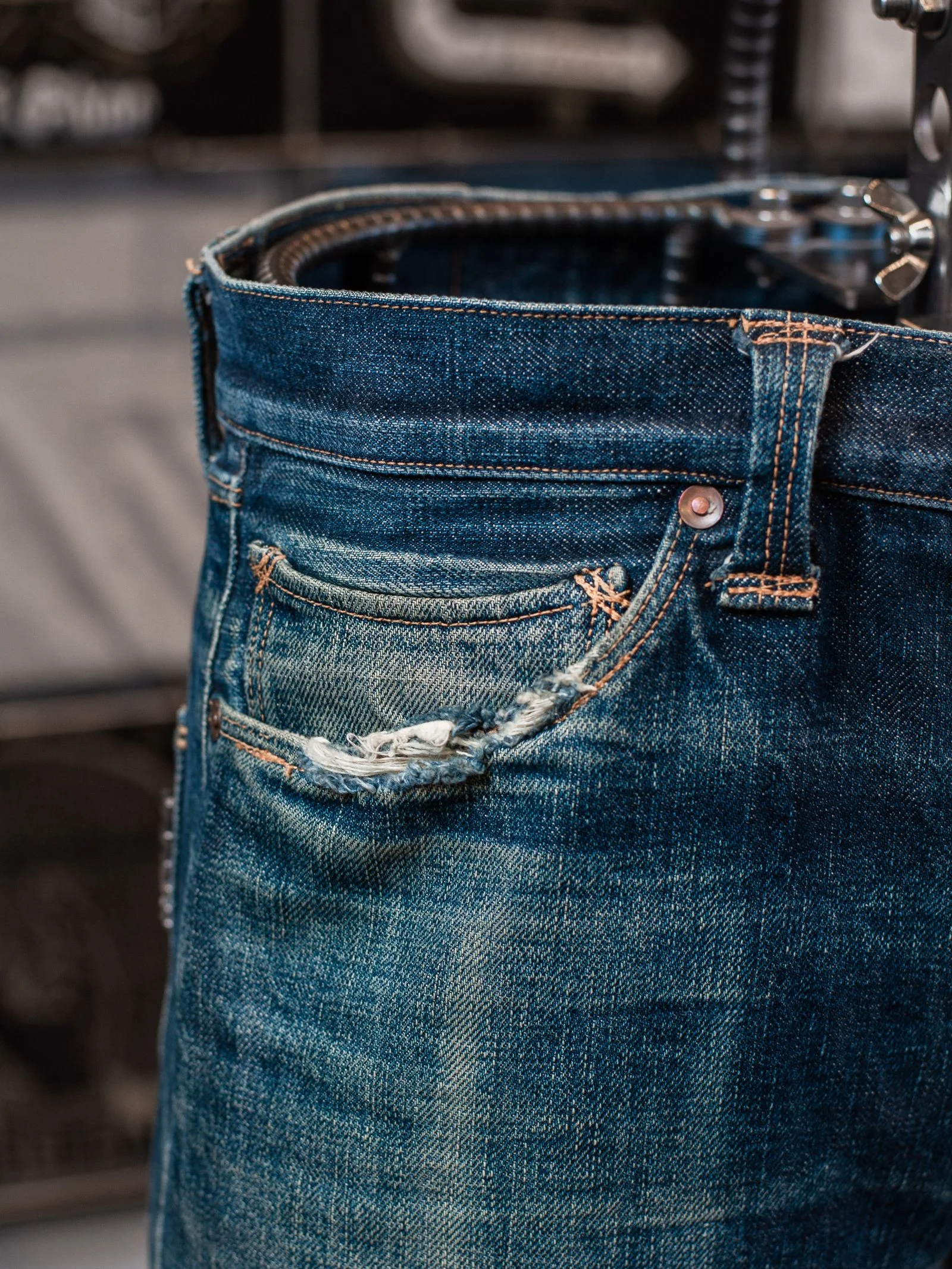
If you find all of this slightly overwhelming, there’s good news. Jeans were designed for miners, ranchers, railroad workers, and other folks who are extremely hard on their clothes, and most modern jeans are highly resilient. So by all means take good care of your favorite dungarees, but you don’t have to be precious about them. “Jeans are probably the most hard-wearing thing you have in your closet, so it's really hard to destroy them, regardless of how you wash them,” Babzani says.