

Vitamin K is important for helping your blood clot and maintaining strong bones. But if you’re a responsible, longevity-maxxing adult who has made it this far in life without giving it a second thought, why should you care now?
Dr. Hasaneen Al Janabi, doctor, founder, and lead injector at Dr. Hass Clinic, explains why this unsung vitamin is trending: “Vitamin K has gained a lot of attention for its health benefits that extend beyond blood clotting,” says Dr. Janabi. “In recent years, there has been increasing interest in how vitamin K, particularly vitamin K2, influences bone quality, cardiovascular health and longevity.” So, what does this all mean for you and your health?
What is vitamin K?
Straight to the point, vitamin K is a fat-soluble vitamin (which means it is absorbed through dietary fats rather than being flushed out of the body like heavyweights B and C). “It’s mostly known for its role in blood clotting, but it is also essential for maintaining healthy bones, supporting cardiovascular health, regulating calcium within the body, and even has an impact on our skin health through supporting blood circulation and aiding tissue repair,” says Dr. Al Janabi.
Without enough of it, he adds, “the body cannot properly activate certain proteins that are involved in blood clotting, bone formation, and maintaining healthy tissues.”
There are two types of vitamin K: 1 and 2, and they each have a slightly different function. Vitamin K1 (phylloquinone) supports regular blood clotting and “accounts for the majority of vitamin K in the typical diet,” says pharmacist and cofounder of collagen supplement brand INGENIOUS, Pupinder Ghatora. It is primarily found in green leafy vegetables. Vitamin K2, however, “plays a particularly important role in bone and cardiovascular health by helping direct calcium to where it is needed, such as bones and teeth, rather than allowing it to accumulate in soft tissues,” he says. It is also needed to support the assimilation of vitamin D.
Why the surge in interest?
So we’ve established that vitamin K is responsible for healthy blood clotting, but recent research has shown how it influences the other bodily functions mentioned above: bone quality, cardiovascular health, and longevity. “It’s been found that vitamin K activates proteins such as osteocalcin, which helps bind calcium into bone tissue, and matrix Gla protein which helps prevent calcium from being deposited in blood vessels. This has encouraged further research into whether vitamin K could help reduce the risk of osteoporosis, fractures, and vascular calcification.”
Consuming Vitamin K strategically in conjunction with other supplements may help improve one’s overall bone density. “Vitamin K activates proteins that help incorporate calcium into the bone matrix, which contributes to bone strength and subsequently injury prevention and exercise performance,” says Dr. Al Janabi. “We’ve all been told how important calcium is for strong bones, however, it’s simply about having enough calcium, the body must also be able to use and position that calcium effectively. This is where vitamin K plays an important role in the process.”
In terms of cardio health, research is also promising, but both our experts highlight that larger clinical trials are needed to draw something more conclusive.
Signs of vitamin K deficiency
If you’re a fit, healthy adult who eats their greens, you’re probably safe. People at risk of a vitamin K deficiency tend to be those living with conditions that affect fat absorption such as “coeliac disease, Crohn’s disease, cystic fibrosis, or certain liver and pancreatic disorders,” says Ghatora. “Those who follow restrictive diets, have undergone bariatric surgery or people taking medications that interfere with vitamin K absorption or metabolism can also be at risk.”
Signs of an early deficiency are often subtle, and therefore a bit harder to detect. “Look out for include easy bruising, frequent nosebleeds, bleeding gums, prolonged bleeding from cuts or minor injuries, heavy menstrual bleeding, and slow wound healing,” says Dr. Al Janabi. If you don’t catch the deficiency early, symptoms can develop into reduced bone strength and an increase in fractures.
What foods should I be eating?
The general advice is that adults should consume around 1 microgram of vitamin K per kilogram of body weight every day. This isn’t a difficult target by any stretch since you’re likely already consuming the right sources on the daily. As a helpful pointer though, these are the richest:
- Vitamin K1: kale, spinach, spring greens, broccoli, Brussels sprouts, and cabbage
- Vitamin K2: fermented foods, certain cheeses, egg yolks, chicken, and liver
“Most people can meet their requirements through a balanced diet rich in vegetables and other nutrient-dense foods,” says Ghatora, “but for some, supplementation may be beneficial.”
What should I know about supplementation?
We’ll always preface supplementation recommendations with advising that you consult your general practitioner. In this case, you’ll want to check if you’re actually low in vitamin K before investing in some supplements.
Also: focus on your diet by ensuring your overall nutrient intake is balanced. “Vitamin K works synergistically with other nutrients, particularly vitamin D, calcium and magnesium, to support bone, muscle and overall health,” says Dr. Al Janabi. “Rather than focusing on a single nutrient in isolation, the goal should be a balanced approach that supports bone and muscle health as a whole.”
Supplementation can be a fantastic way to increase your intake if you’ve been diagnosed with a deficiency. Should you find yourself in need, just ensure the product is clean, ethically sourced and produced and contains no excipients. Ghatora adds that: “One important consideration is that vitamin K can interact with anticoagulant medications such as Warfarin. People taking these medicines should not start vitamin K supplements without first consulting their doctor, pharmacist, or specialist, as sudden changes in vitamin K intake can affect how these medicines work.”
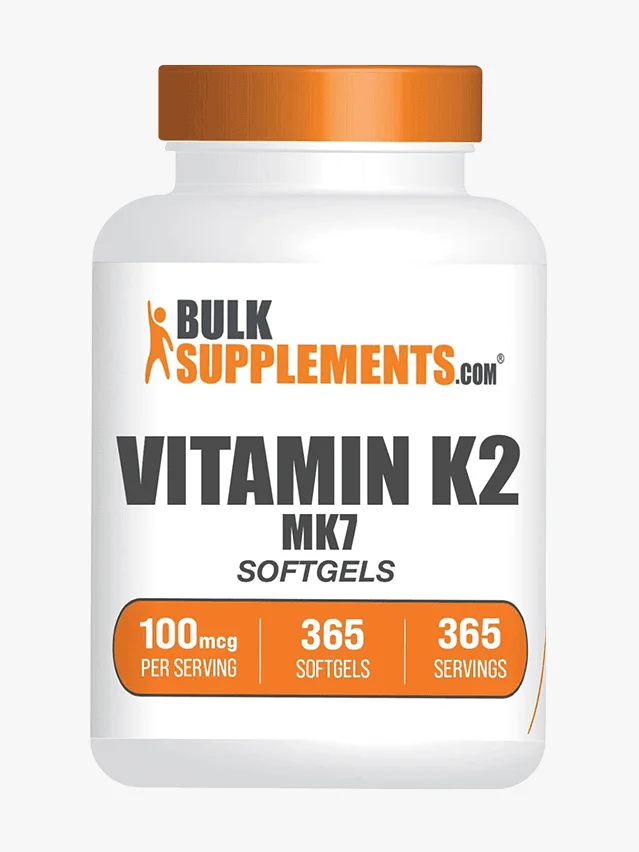
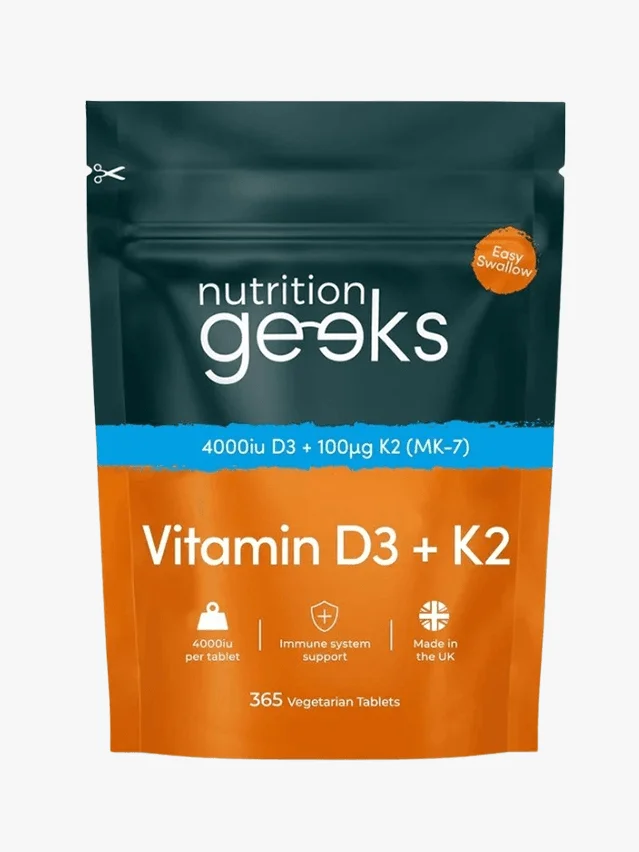
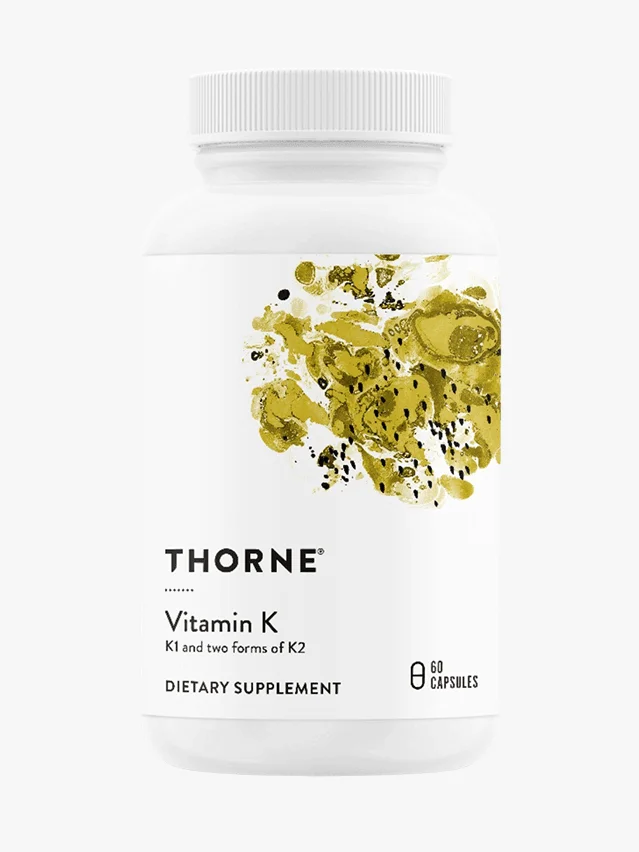
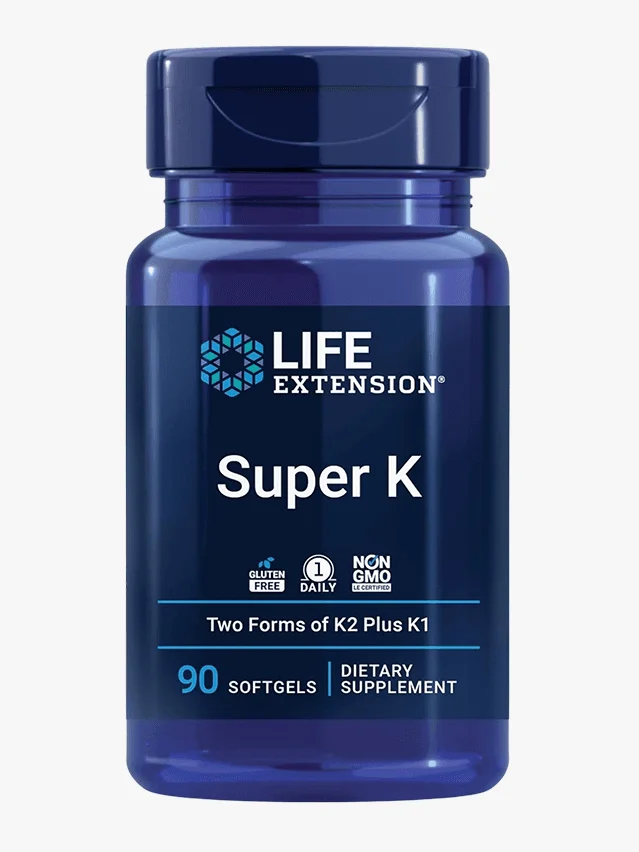
But if spoken to your doctor, adjusted your diet, and still find yourself in need of vitamin K, here’s what we’d pick up:
A version of this story originally appeared in British GQ.