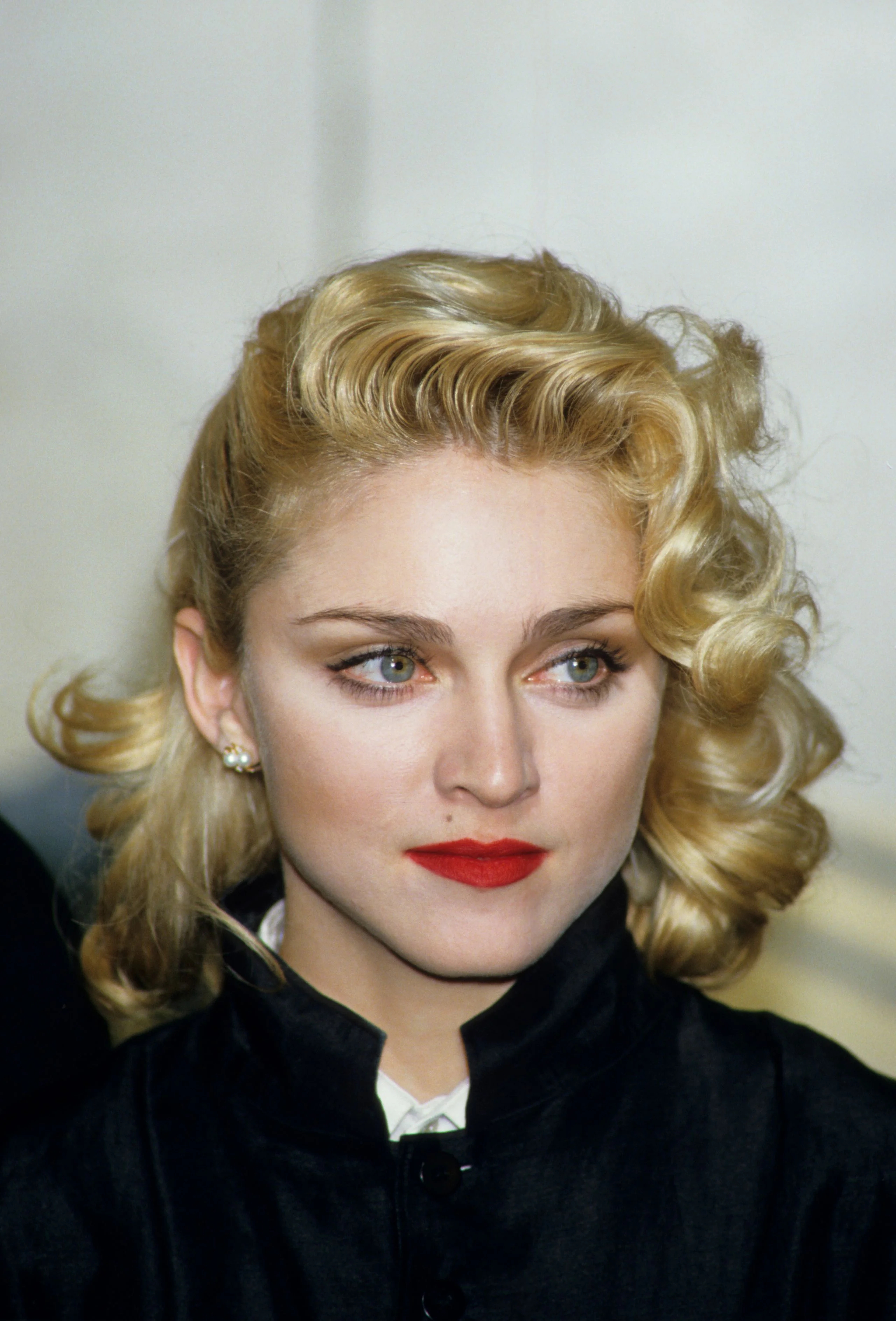
With a new album out this summer—her first in a decade—Madonna’s reemergence on the pop scene has left many of us contemplating her ultimate place in its firmament.
She is, in many ways, the original mold of what a pop star can be; it is almost impossible to overstate the influence she has had on popular music, and it’s hard to know where to start when cataloging it all. She is the industry’s Andy Warhol—a man she knew personally from her early days in downtown New York—who seemed to have a direct line to the future, anticipating where the culture was headed before anyone else had even begun to look that way. It was Madonna as much as anyone who made the pop song a visual medium, taking the then-nascent MTV seriously enough to turn video into an equal canvas for expression—a concept that has only grown in relevance in our image-focused age.
She made concerts into massive moving spectacles, with set pieces and costume changes and dance numbers so elaborate they were like mini Broadway stagings, which is still how artists approach touring today. She was the subject of pop music’s first great—and still best—documentary, Truth or Dare, presaging the way that divas would soon be obliged to welcome fans and audiences into the closest confines of their personal lives. She blended fashion seamlessly into her repertoire, using Jean-Paul Gaultier and Tom Ford’s Gucci and Versace to help her tell stories in a way that now almost all famous people do.
But ultimately, it’s her compulsion for reinvention that is the real blueprint. Long before Taylor Swift had her “Eras,” Madonna enacted a sonic, imagistic, and philosophical revolution every album cycle, from the New Wave synths of Like a Virgin through the sensual R&B of Bedtime Stories and into the techno-psychedelia of Ray of Light, her magnum opus and its own kind of biblical template, with a blend of electronica and pop that has since been a touchstone for women like Britney, Rihanna, and Charli XCX.
That level of influence has come at a strange cost. Madonna so thoroughly refashioned the pop cultural landscape in her own image that it’s become harder for her to stand apart from it: her latest album, Confessions II, a sequel to her seminal disco era of the early 2000s, has so far sounded as soulful and textured and louche as any other pop release this year. There’s also a slinky visual component—a mini-film—that feels like vintage Madonna in its shock-and-awe sensibility. While I think it’s pretty safe to call this new epoch a win for fans already in her camp, it’s anyone’s guess whether it will reverberate in the mainstream with the same force of her past work—a question made all the more puzzling by the reality that so much of what is already all over streaming and YouTube and TikTok could have come directly from Madonna’s oeuvre.
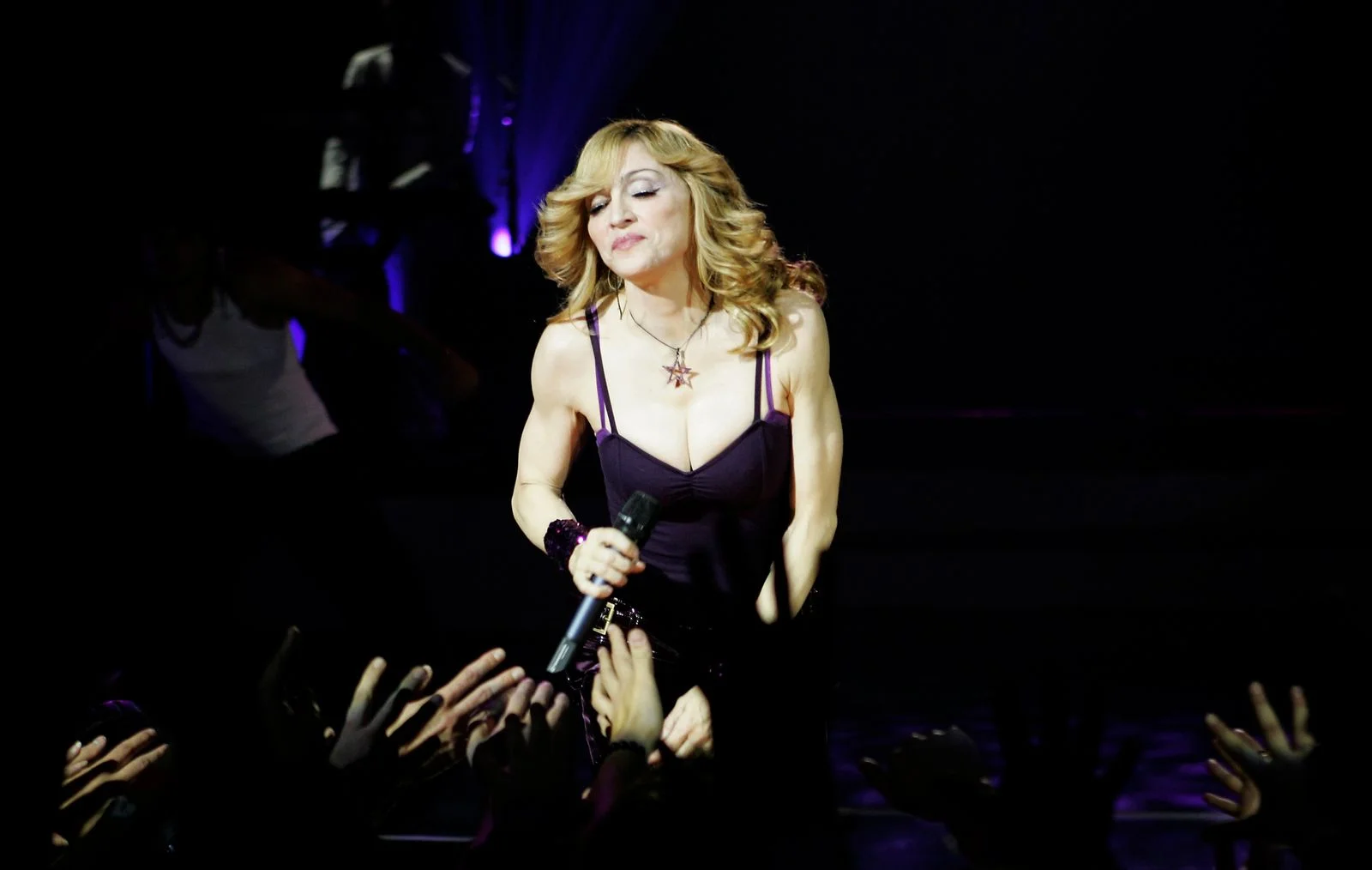
Madonna remains one of the last monocultural celebrities in an era where the culture is fractured by algorithms and sociological silos. At her peak, her power was in what she did with the world’s attention: She provoked and prodded us collectively, playing with our ideas of sex and freedom and feminism like balls of yarn. She’s still upending expectations about what it means to “age gracefully” (however dumb the concept). I’ve long thought of her as a liberatory figure: pushing gay aesthetics and sensibilities into the broader culture (what is “Vogue” if not the gayest song of all time?) and using her platform to reckon with what freedom could look like for marginalized communities that had little of it.
In 2026, one place where I am grateful to see Madonna’s undeniable effect is in how smart pop music has become. Her best albums and songs were undeniable, straightforward bangers; moments like “Like a Prayer,” “Express Yourself,” and “Hung Up” remain timeless earworms that can be sung at karaoke or danced to at weddings and in clubs. But beneath the shiny surface of these incredible confections, Madonna was finding a way to say something she felt needed to be said. Long after the hippie idealism of the Woodstock generation had faded into yuppie materialism—she has a song for that, too: the winking, Reagan-era “Material Girl”—Madonna understood that pop could be a tool not only for self-expression, but also political oomph, all while remaining accessible and relatable and just downright fun.
When I see the young women at the vanguard of pop today, every one seems to represent her own sparkling facet of Madonna’s oeuvre: Olivia Rodrigo’s punky New Wave doesn’t sound anything like Sabrina Carpenter’s wry sweetness, which couldn’t be more different from Charli XCX’s messy electronica, which has very little in common with Addison Rae’s slinky melancholy, which feels like the polar opposite of Chappell Roan’s glam-rock exuberance. But there is one thing that unites all of these figures, and that’s the fact that they each have a distinct point of view.
Madonna made such specificity cool long before it was the standard. Watching her career progress from the early 1980s and into the late 1990s, we get a front-row seat into the evolution of a person—an almost-Freudian unfurling during which a woman uncovers new things about herself and her life and the vast possibilities of the world around her in real time. Back in the late ’80s and early ’90s, we saw Madonna reckon with her strict Catholic upbringing in Michigan on songs like “Papa Don’t Preach” and “Like a Prayer.” We then saw her having a sexual awakening on “Justify My Love” and the entirety of the Erotica album. We also saw her settle into a calmer and more mature sensuality on Bedtime Stories, in which she broke the fourth wall with “Human Nature” to harangue puritanical critics for giving her such a hard time throughout it all.
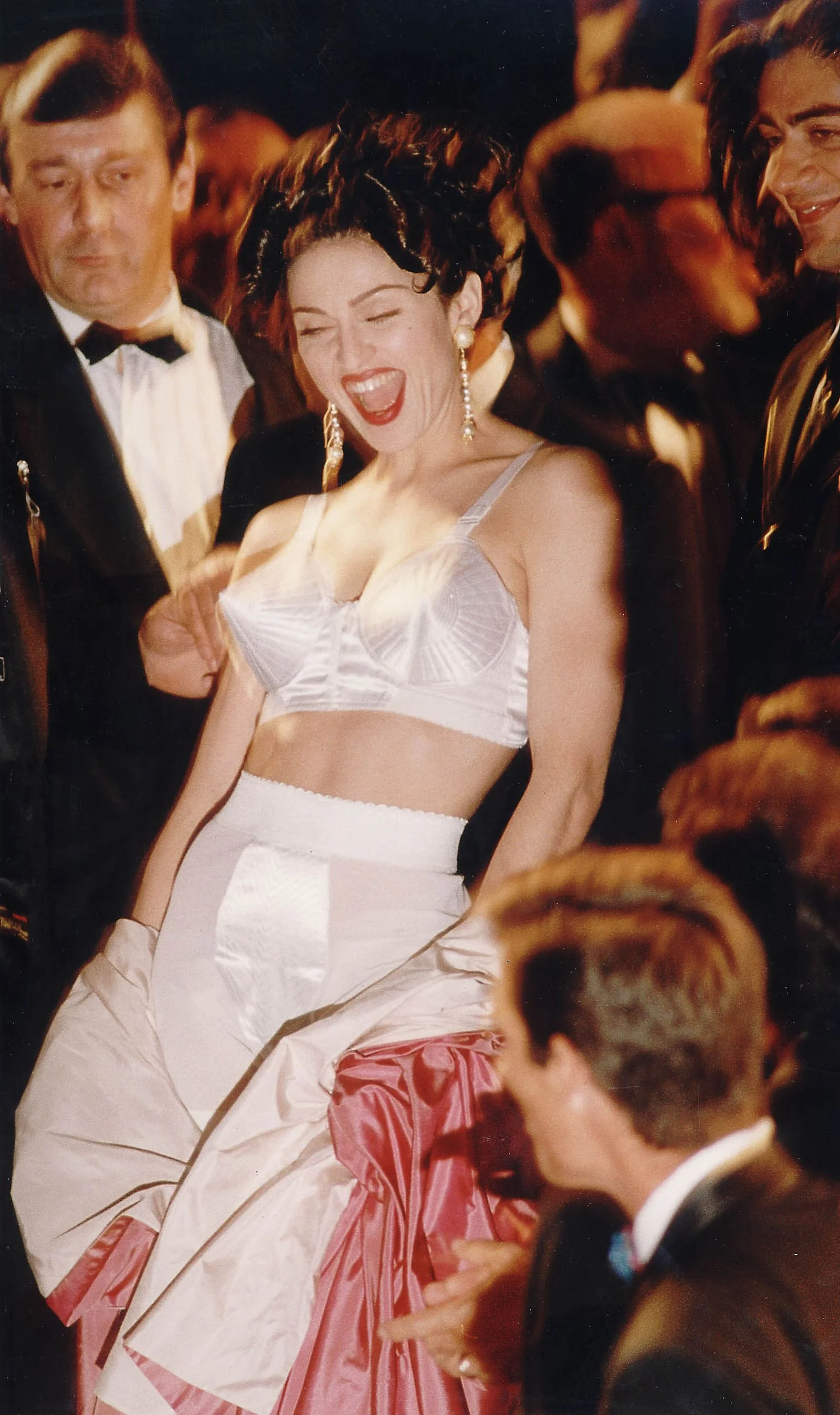
At times, her seeking has led to backlash, namely after the kink-positive Sex book and a 2003 album, American Life, which skewered consumerism and the Bush administration (where’s the lie?). But at her best, there’s no one with more clarity of vision than Madonna when she has a particular perspective to share. With the remarkable Ray of Light, we find Madonna at her most ambitious, not just musically, but personally and spiritually too. On it, she turned to the progressive sound of European techno to explore fresh interests in yoga and mysticism, all while detailing what new motherhood meant to her as a woman. It is the ur-form of pop album as philosophical treatise, the apogee of a creative life spent searching for material and meaning that can be transmuted through melodies and lyrics.
All in all, I’d argue that every time Rodrigo hands out birth control at her concerts, Charli turns inward to examine the relationship between self-esteem, sex, and drugs in her own life, Sabrina Carpenter skewers male immaturity and demands more from the opposite sex, or Chappell Roan claims the gay club as a space of self-invention and freedom, there is more than a hint of Madonna in the act. The only other modern woman in pop who could be said to wield this kind of cultural influence is, of course, Beyoncé Knowles, who has continually reinvented herself and created a new political and personal mythology with each album. But even Beyoncé has acknowledged the blueprint of “Queen Mother Madonna,” as she’s called on the “Break My Soul” remix—a track that cleverly blends the Renaissance single with Madonna’s “Vogue.”
And so, it’s hard to know what we want from a new Madonna album in 2026—what left is there to do? To say? Confessions II is notably self-referential, presented as a follow-up to her wonderful 2005 album Confessions on a Dance Floor, which gave us “Hung Up” and “Sorry.”
But then another thought comes to mind: barring the critics, the naysayers, and the schadenfreude-seekers, Madonna should do whatever it is Madonna wants to do. That may just be the ultimate lesson of her career—that the only path worth taking is the one that feels true to yourself at any given moment in time, whether the rest of us understand it or not. And if this era doesn’t land, she can do what she has always done: regroup, reinvent, dust herself off, and become someone new. We’ll be lucky to get to watch.