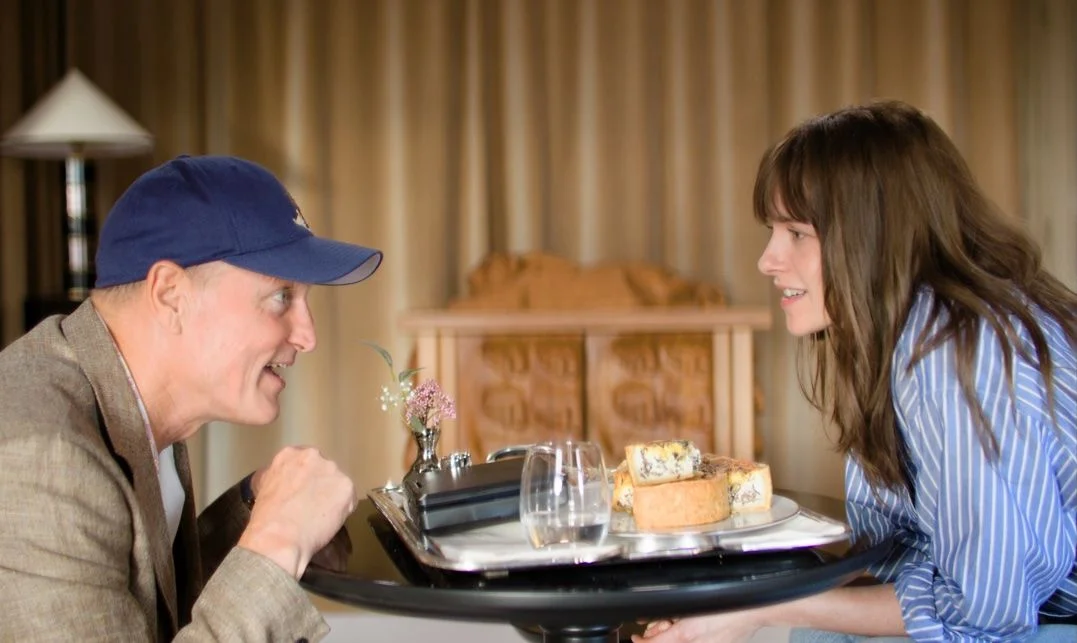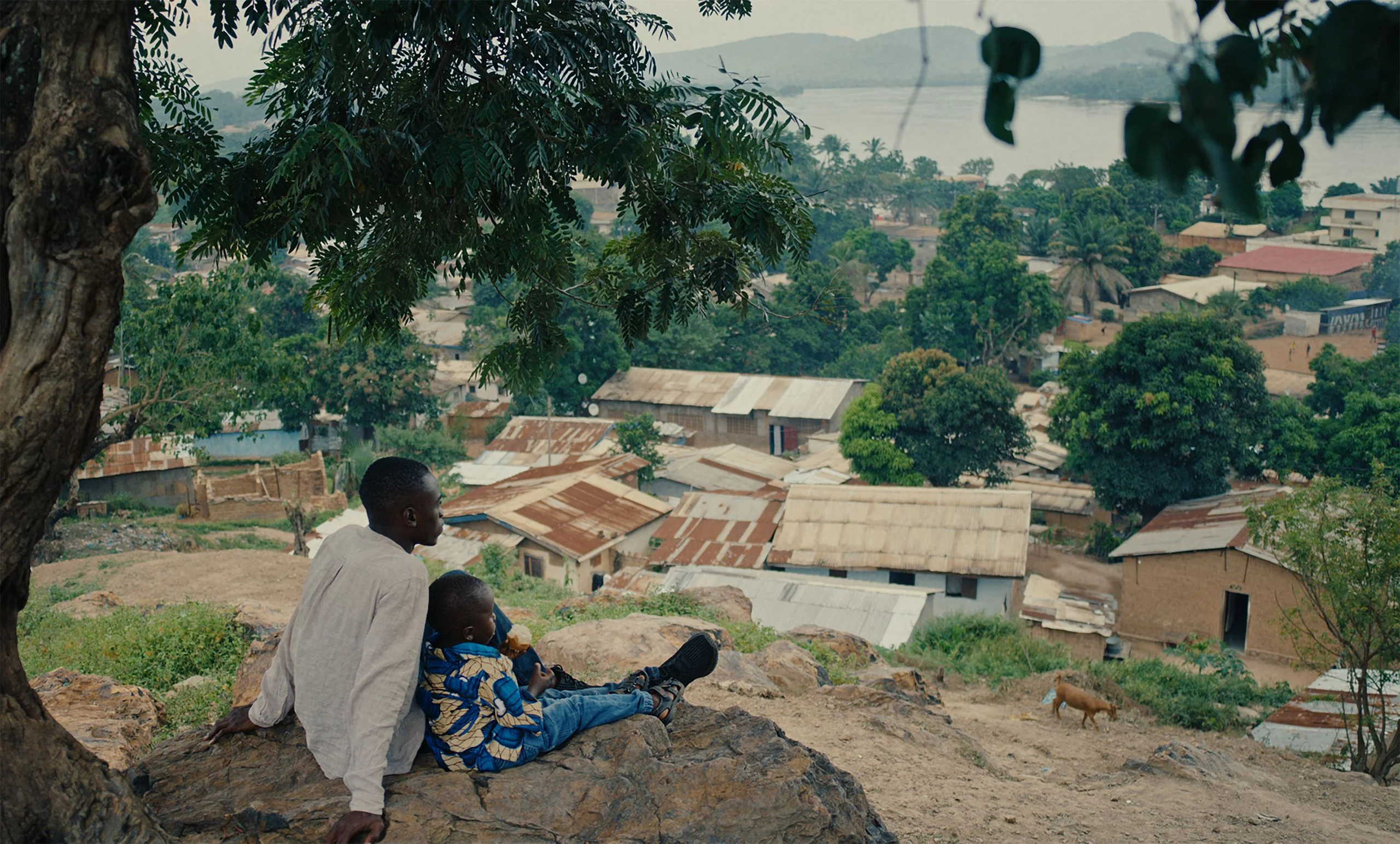
The 2026 Cannes Film Festival felt different this year; gone were the red carpets overflowing with Hollywood's biggest names. Instead, the festival showcased a more subdued array of films. That might come as a surprise, especially with much buzz generated over the festival's competing films. After attending 24 screenings—including 15 of the 22 in the race for the Palme d'Or—I found five films that stood out from the rest. These are narratives that promise thrilling experiences in the coming months, ranging from edge-of-your-seat thrill rides to delightful comedies, as well as a poignant coming-of-age tale.
Fjord
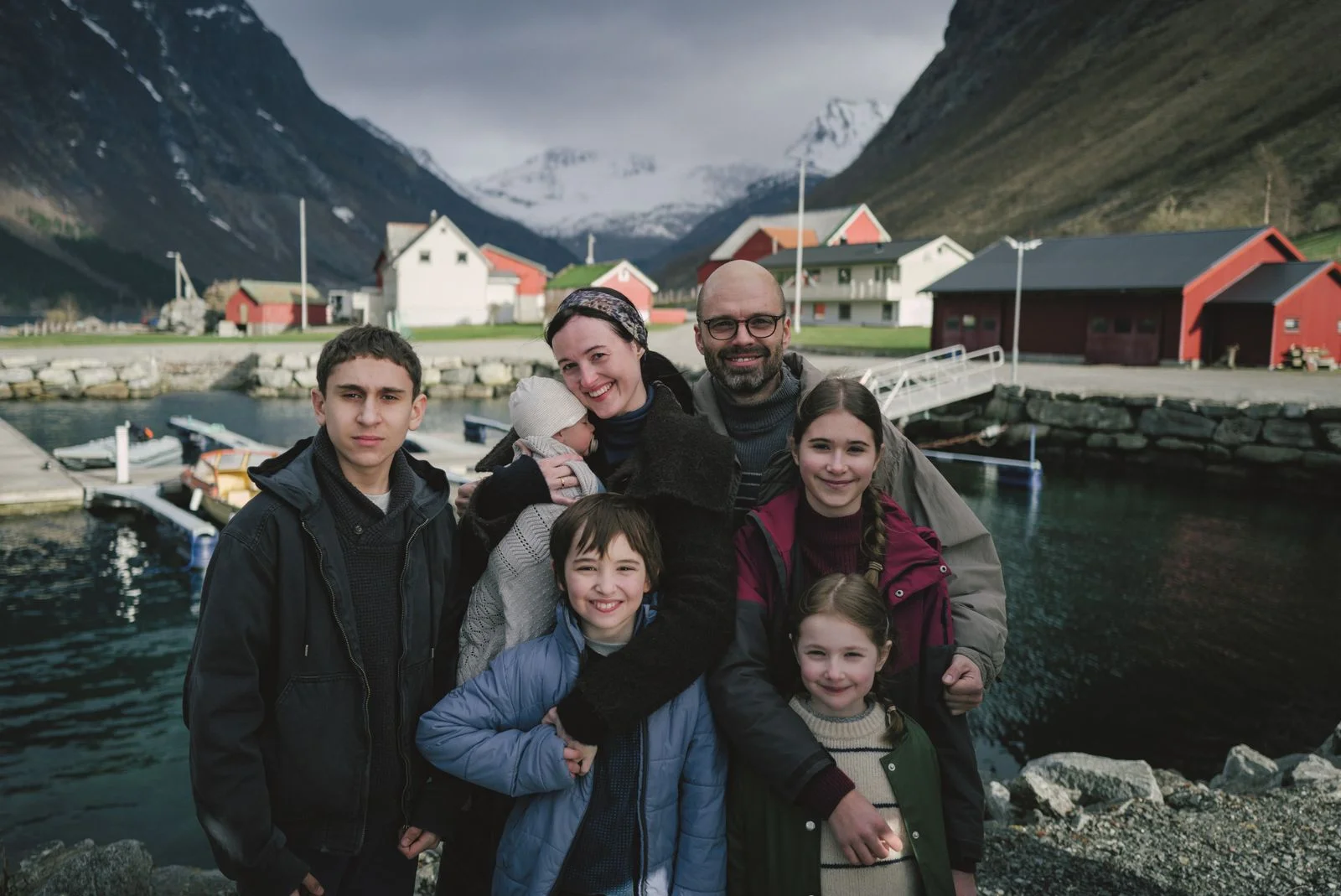
The standout for me was Cristian Mungiu's chilling thriller, Fjord. In it, we follow Roman Mihai Gheorghiu (played by Sebastian Stan) and his Norwegian wife Lisbet (Renate Reinsve) as they relocate to the serene fjords with their five children. Initially perceived as an idyllic setting, the narrative soon twists into a haunting tale. As the family's devout Christian beliefs become a point of contention within a suspicious community, tragedy strikes when their daughter Elia ends up in the hands of protective services due to unfounded allegations. This film, a delicate study of the nuances surrounding parenting and cultural divides, is packed with powerful performances and stunning cinematography. Mungiu has a knack for creating films that linger on the mind, and Fjord is likely to follow in the footsteps of his previous Palme d'Or triumphs.
With its layered narrative and ethical dilemmas, Fjord resonates deeply, posing essential questions about societal values and cultural integration. While its slow-burn narrative might not appeal to all, the emotional weight it carries is undeniable.
Minotaur

Andrey Zvyagintsev’s Minotaur stands out as another powerful offering from a filmmaker known for his unflinching narratives. After nearly a decade away, Zvyagintsev returns with a film that is as politically charged as ever. The story follows Gleb (Dmitriy Mazurov), a CEO caught in a web of personal and professional crises against a backdrop of geopolitical turmoil. As he navigates betrayal at work and the strains of a failing marriage, we witness the chilling depiction of a morally ambiguous individual willing to exploit others for self-preservation. The film resonates strongly with contemporary societal issues, and Zvyagintsev’s sharp commentary on privilege and accountability raises important questions. Minotaur is an unflinching reflection on the consequences of moral decay in a society riven by class divisions.
Its final scenes, showcasing the painful dichotomy of privilege amidst conflict, will likely elicit much discussion, leaving audiences to reflect long after the credits roll.
Club Kid

In a departure from the norm, Club Kid garners a spot as a heartfelt narrative, breaking from the festival's tradition of weighty dramas. Directed by Jordan Firstman, this debut showcases a charming blend of comedy and drama that revolves around Peter, a party enthusiast caught in the whirlwind of nightlife, who unexpectedly discovers he’s a father. The interactions between him and his son, Arlo (Reggie Absolom), effortlessly navigate the complexities of responsibility and unexpected joy, providing both humor and emotional resonance. With A24's acquisition rights, this film stands poised to capture audiences when it hits the theaters. It’s sure to be a hit, embodying a feel-good vibe that the festival pleasantly surprised many with this year.
Full Phil