Spencer Pratt Supports Baker in Unusual Cookie Controversy Involving Jimmy Kimmel's Relative
|
5 min read
Cookie Controversy: The Sweet Side of Political Drama
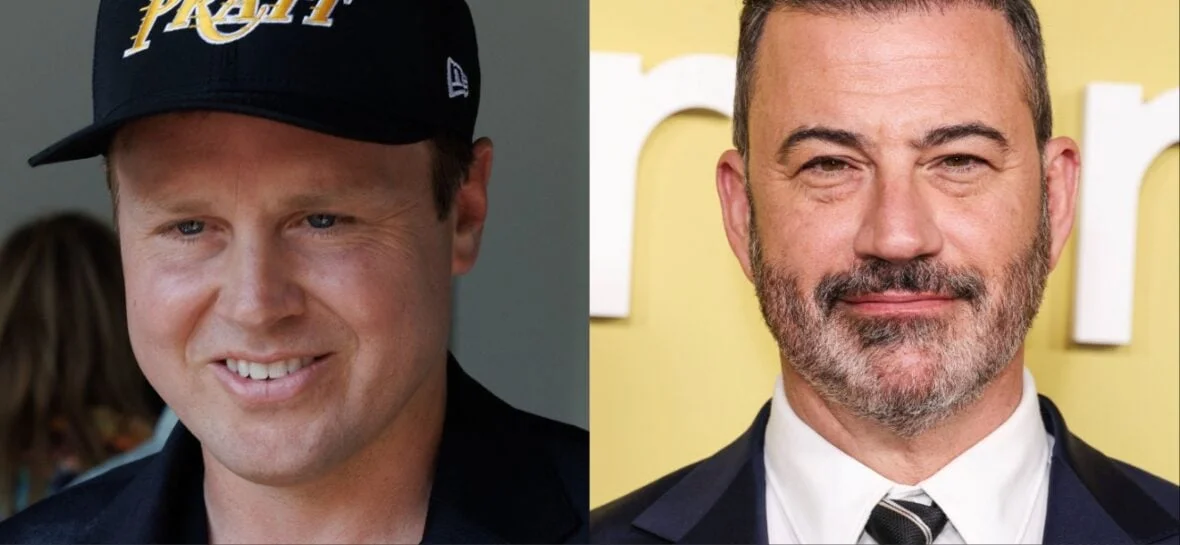
Pratt’s Political Strategy Unwraps
The cookies' rise to fame has also allowed Pratt to to craft a political narrative centered around community support and the needs of fire victims in Los Angeles. He has capitalized on this incident to underline his campaign message about how city leadership has failed to adequately address the aftermath of such disasters. “My message must be heard,” Pratt argues, painting himself as a champion of resilience and support for locals affected by recent wildfires—all while serving up his beloved cookies. The backlash against the Kimmel family, particularly on Kitson’s social media channels, illustrates just how charged this situation has become. As tensions mount, social media dynamics play a critical role, compelling both supporters and critics to take a side. Meanwhile, the demand for Romano’s cookies doesn’t just signify support for Pratt—it exemplifies a moment where food, politics, and community interests intersect dramatically. This entire episode raises broader questions about celebrity influence in politics and how personal experiences shape public perception. It’s clear that the cookie controversy, underpinned by serious local issues, has developed into a microcosm of Los Angeles’ current political climate, affecting everyone involved—both directly and indirectly.Looking Ahead: The Political Cookie Phenomenon
Spencer Pratt's venture into politics has taken an unexpected turn, drawing attention not just for his campaign platform but also for his quirky embrace of cookie culture. The mayoral race in Los Angeles, typically dominated by serious discussions around crime and public safety, has now been flavored by an unlikely cookie sensation. This twist encapsulates a broader narrative about how unconventional strategies can capture public interest and potentially drive a political agenda. The fervor surrounding Pratt's cookies has reached surprising heights. Selling out 700 cookies in a single day, each priced at $6.50, signals that this isn’t just a gimmick; it's a cultural moment. As crowds flock to support a bakery associated with his campaign, it begs the question: what role do such viral phenomena play in shaping modern political narratives? It's clear that Pratt's cookie push isn't merely about sales; it's a vehicle to highlight pressing issues like homelessness and public safety, which he's argued are being dismissed by critics of his campaign. Here’s the thing: using something as trivial as a cookie to tackle serious societal issues could redefine how candidates engage with constituents. Pratt is evidently walking a fine line between humor and gravity, as he jokingly remarked on the health benefits of his cookies while addressing significant local challenges. “I couldn’t be happier to help sell cookies now while also saving the city,” he exclaimed, blending his campaign's light-heartedness with its earnest intentions. What this represents for anyone involved in political communication is significant. In an era where traditional messaging often falls flat, utilizing humor, even through baked goods, could be a refreshing way to resonate with voters, especially younger demographics. If Pratt can sustain this momentum, he'll not only spotlight his campaign but also influence how future candidates approach issues that often seem too grim for light-hearted engagement. As the election season gains intensity, keep an eye on how this cookie craze evolves—it might just reshuffle the playbook for political engagement in the years to come.
Source:
Chukwudi Onyewuchi
·
https://theblast.com/803793/spencer-pratt-jimmy-kimmel-cookie-drama-los-angeles/